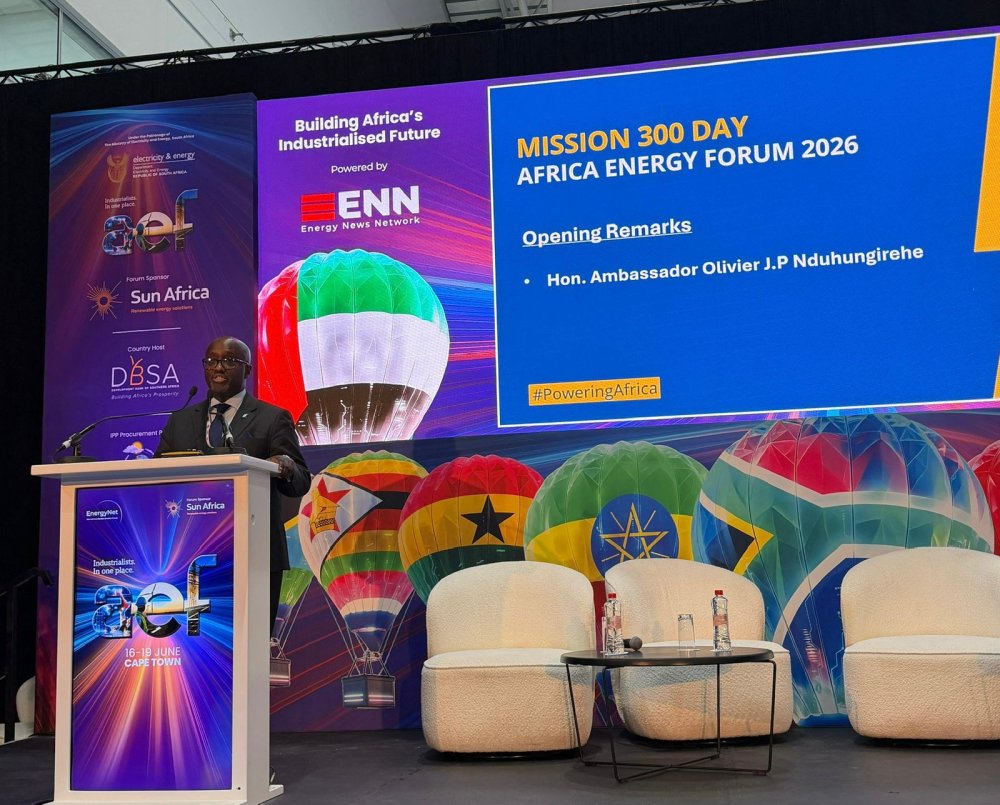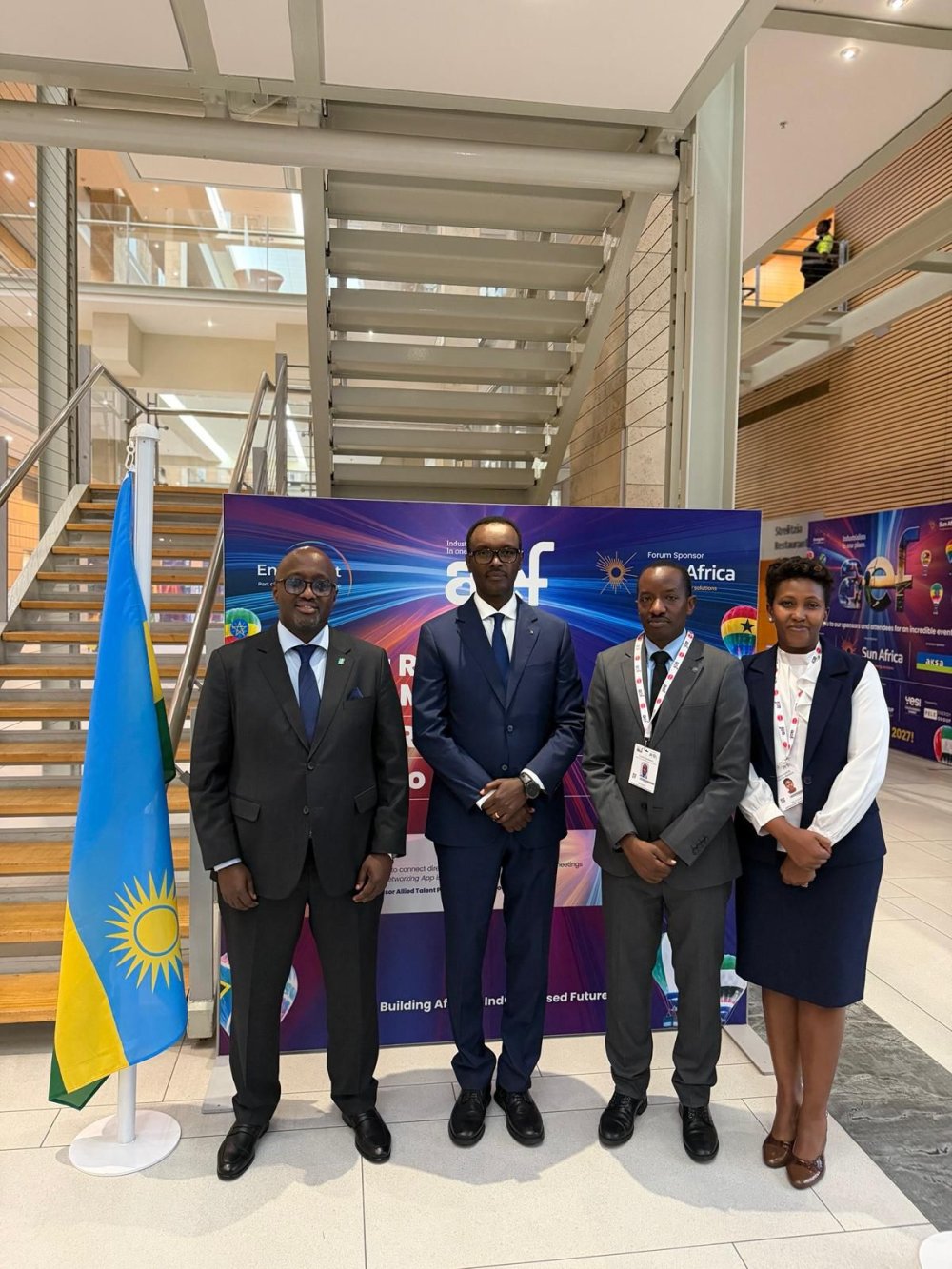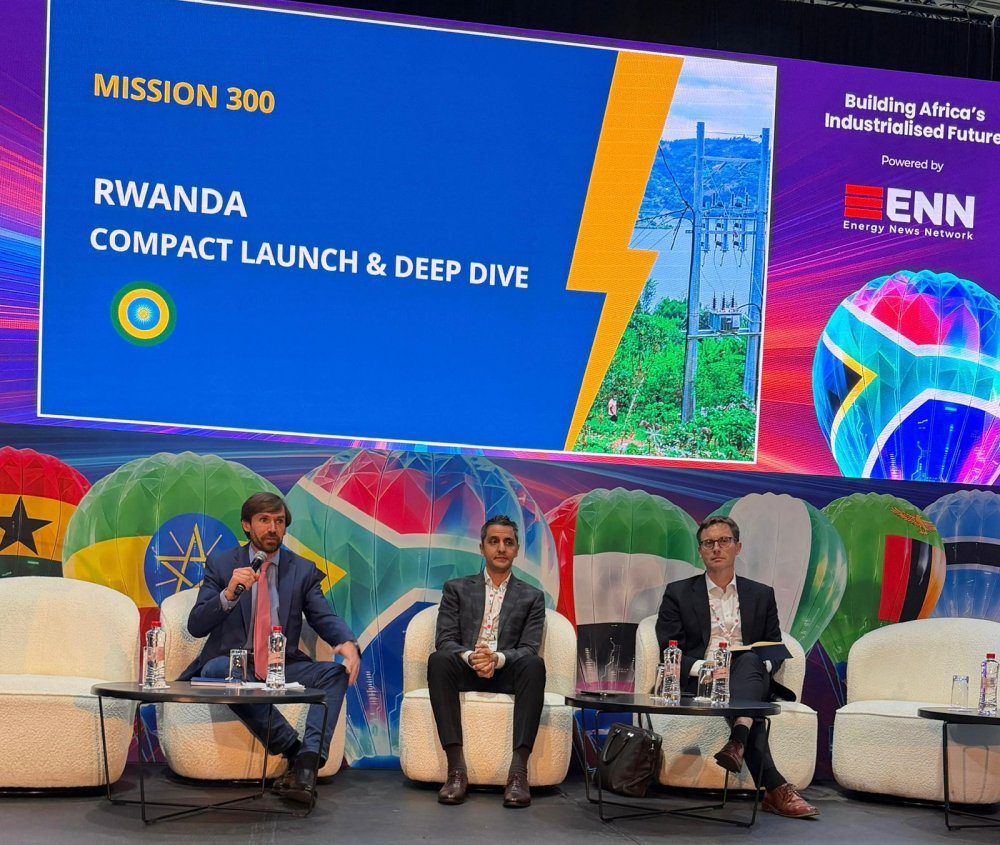

The appeal was made by the Minister of Foreign Affairs and International Cooperation, Olivier Nduhungirehe, at the Africa Energy Forum (AEF) 2026 in Cape Town, South Africa. During the forum, Rwanda officially launched the Rwanda Energy Compact, a targeted initiative designed to channel foreign and domestic private capital into the country's fast-growing energy sector.
Nduhungirehe stressed that deeper private sector participation is vital to bridging the funding gap for the country's utility ambitions.
'To achieve this, we need greater involvement from the private sector. Private-sector investment remains relatively low, and we need to increase it to about $1 billion to ensure that every Rwandan has access to electricity,' Nduhungirehe said.
The Minister emphasized that expanding the power grid is foundational to Rwanda's broader macroeconomic goals, particularly localized industrialization.
'We understand that energy is not an end in itself; it is a tool for development. Rwanda is a developing country at the heart of Africa, and we need to industrialize. We must build a vibrant economy with strong industries that can produce locally made goods, helping to reduce our trade deficit,' he noted.
The Rwanda Energy Compact also serves as a framework to promote regional grid integration across East Africa. Nduhungirehe called for cohesive public-private frameworks that look beyond domestic borders.
'Ultimately, our goal is to ensure that Africa produces enough energy to sustain its industries and enable the continent to become the global economic powerhouse it has the potential to be,' he added.
A 30-year energy transformation
Rwanda's energy landscape has undergone a dramatic shift over the past three decades, with domestic electricity access soaring from just 1% in 1994 to 86% today.
Under the Rwanda Energy Group's (REG) 10-year strategic framework, the government aims to expand total installed capacity to 1,066 megawatts (MW). A robust pipeline of diverse energy projects is already underway to meet this target:
Key domestic projects include the 43.5 MW Nyabarongo II Hydropower Plant, the 9.7 MW Rukarara VI project (currently 26% complete), and the 0.91 MW Nyirahundwe plant (71% complete). Regionally, Rwanda is partnering with Burundi and the Democratic Republic of Congo on the 206 MW Rusizi III project, alongside ongoing feasibility studies for the expansion of the operational Ntaruka Hydropower Plant.
Unique extraction projects at Lake Kivu continue to anchor baseline power. The KivuWatt and Shema Power Lake Kivu facilities currently supply 82 MW, accounting for roughly 21% of national generation. The government plans to scale methane-based capacity to 100 MW.
Solar energy is poised to take a larger share of the national energy mix through upcoming projects, including the 30 MW Mpanga Solar PV plant in Kirehe District, a massive 200 MW Nyabarongo II Solar PV project, and the 4.13 MW Izuba CB Energy plant.
Overall, Rwanda estimates that a total of $3.2 billion will be required to fully implement its 10-year national energy strategy. The government plans to secure the remaining balance through a mix of concessional loans, green bonds, carbon credits, and climate-finance instruments.