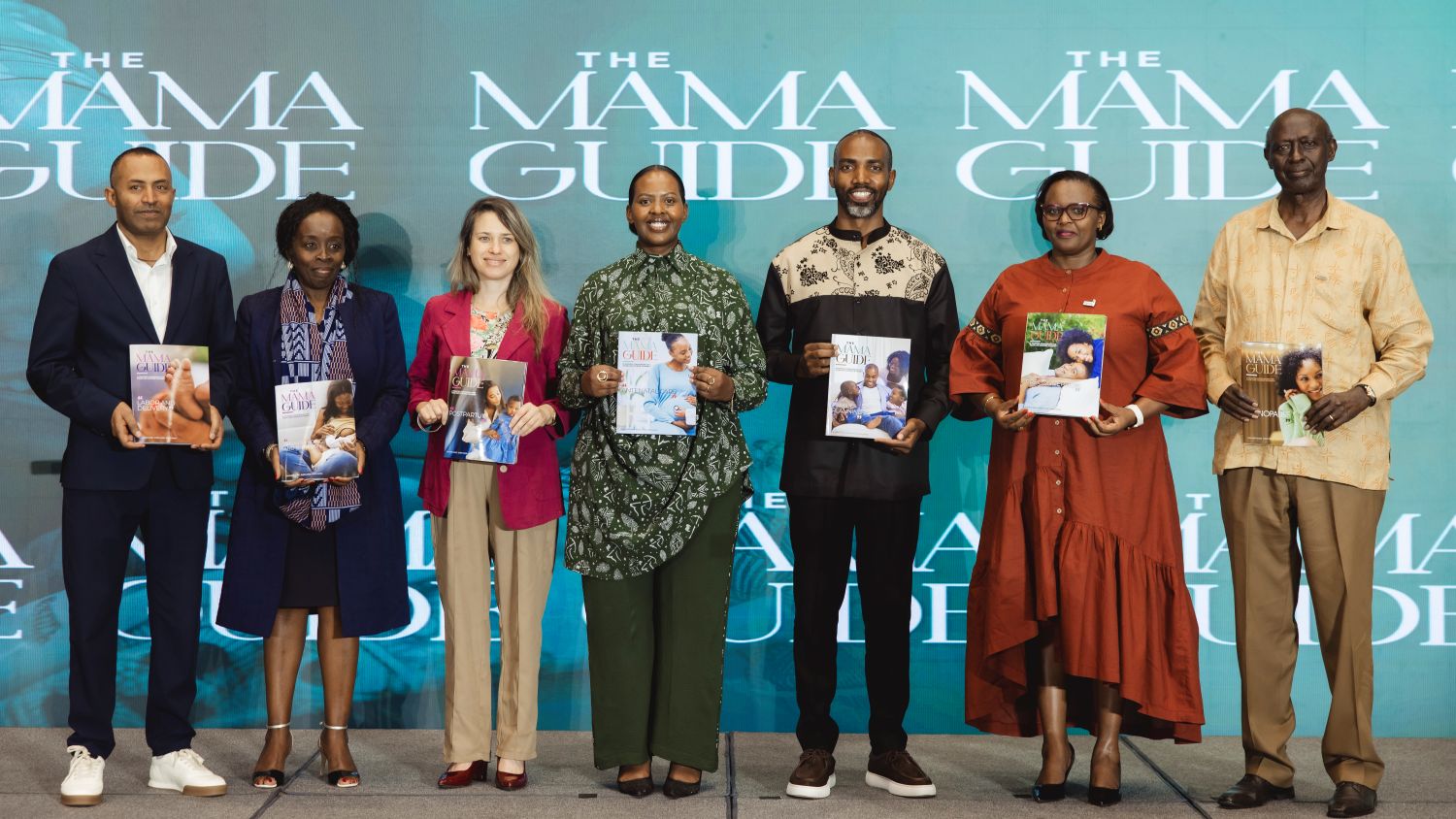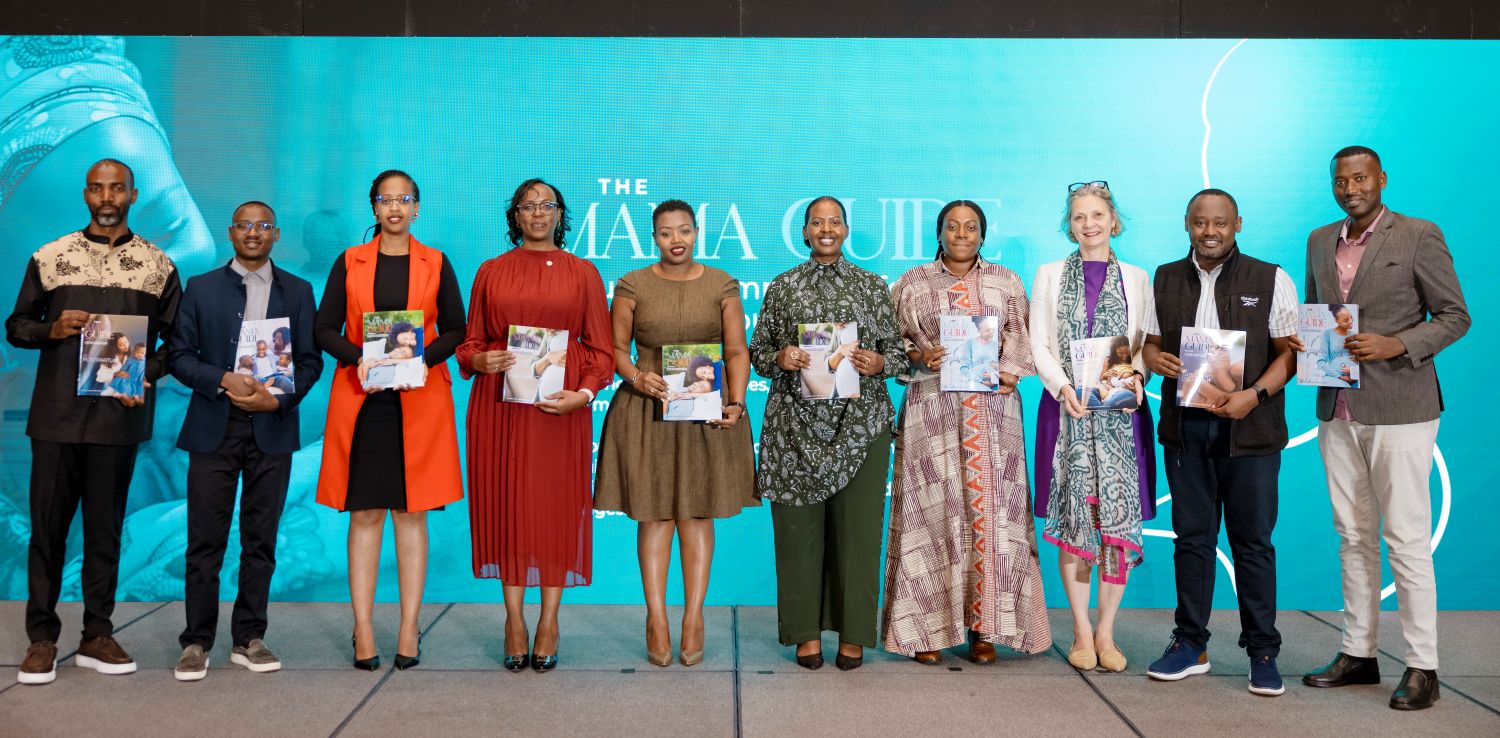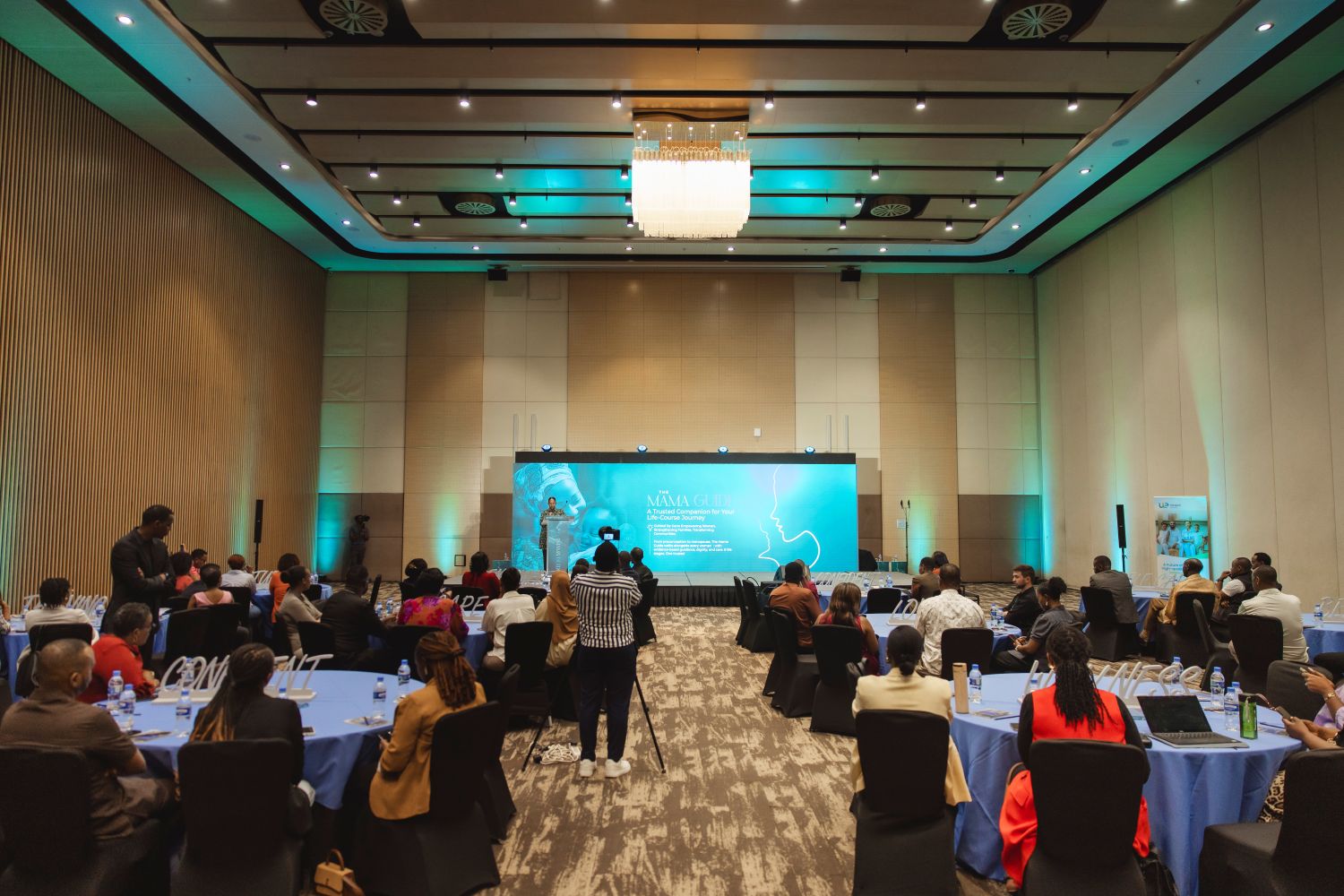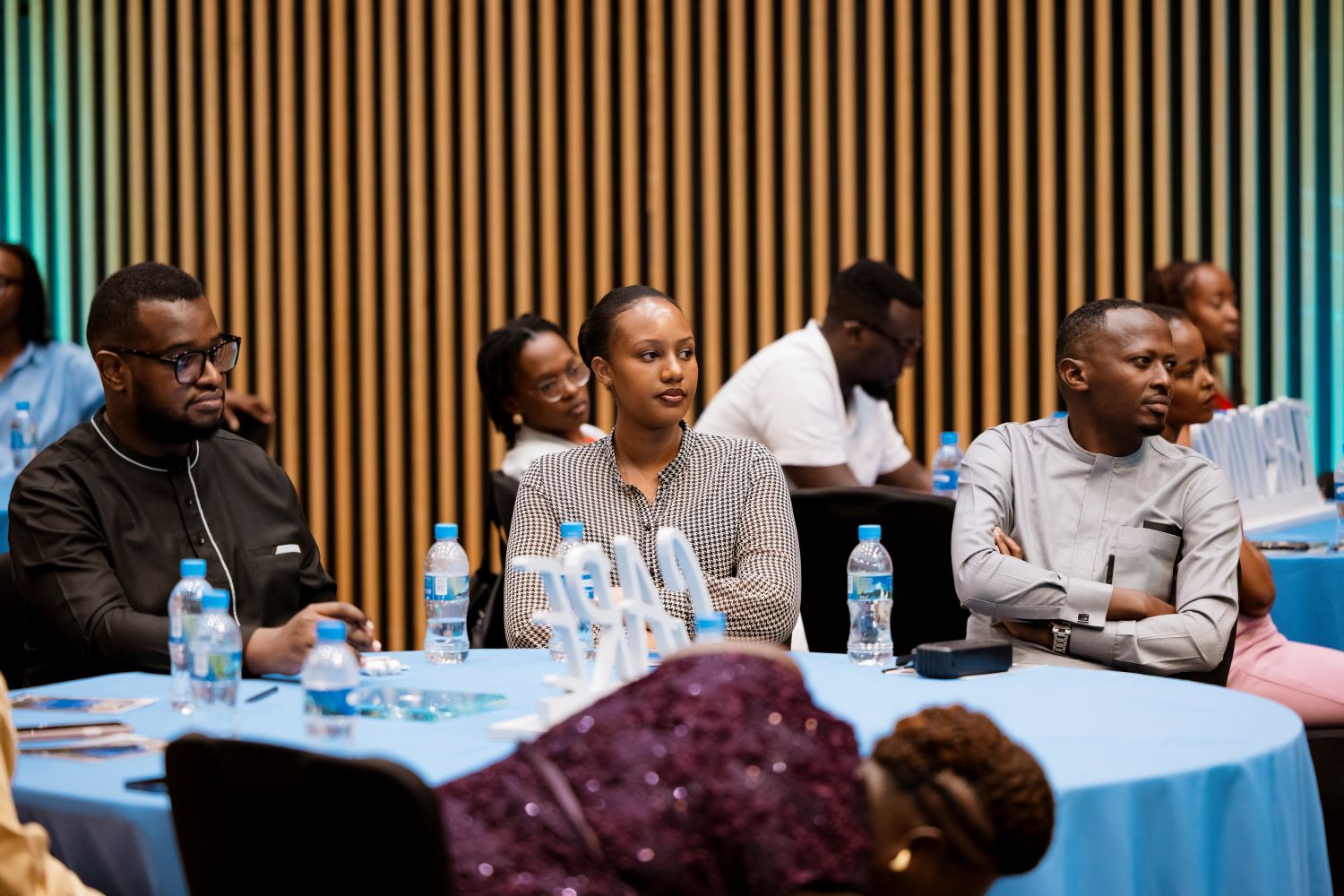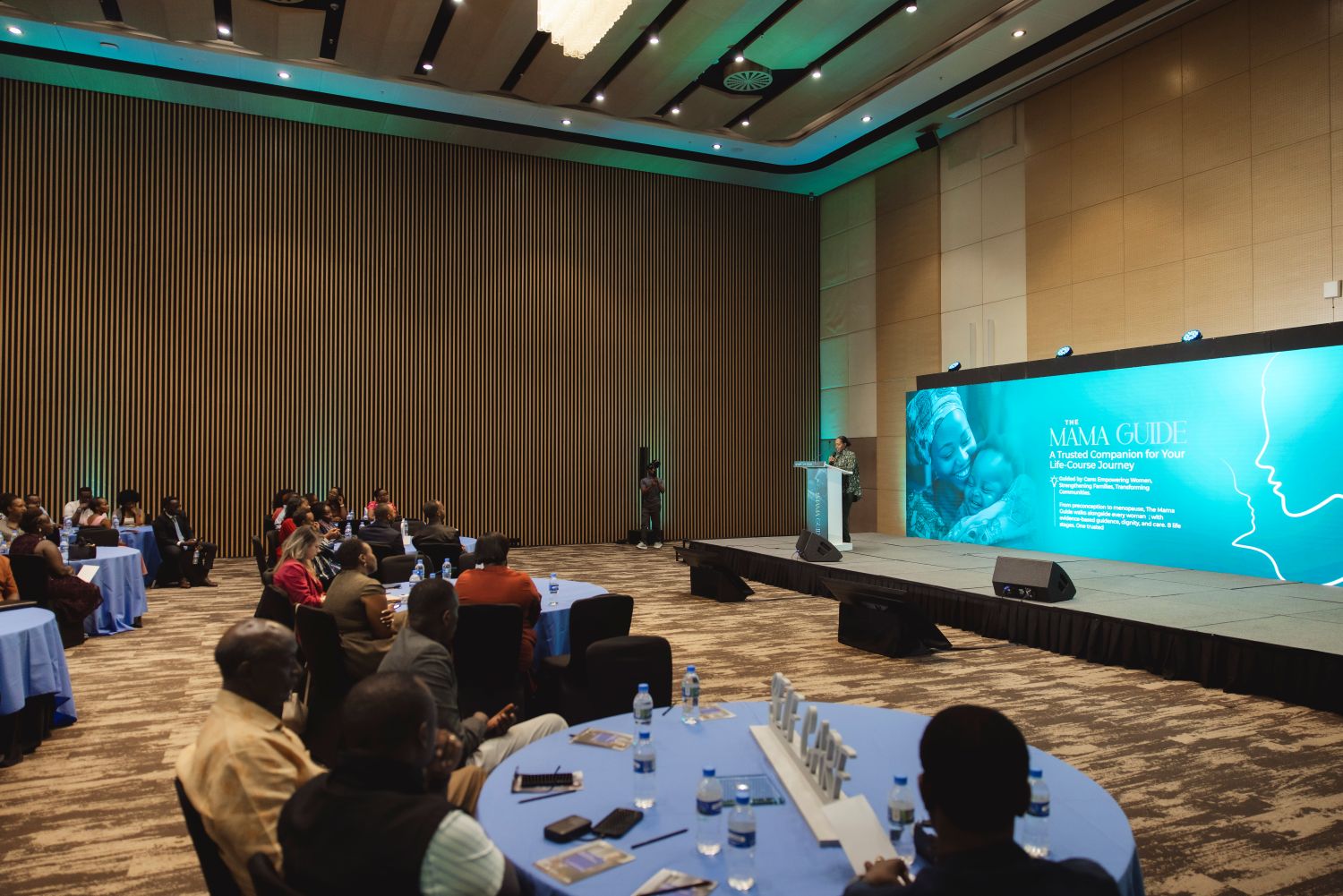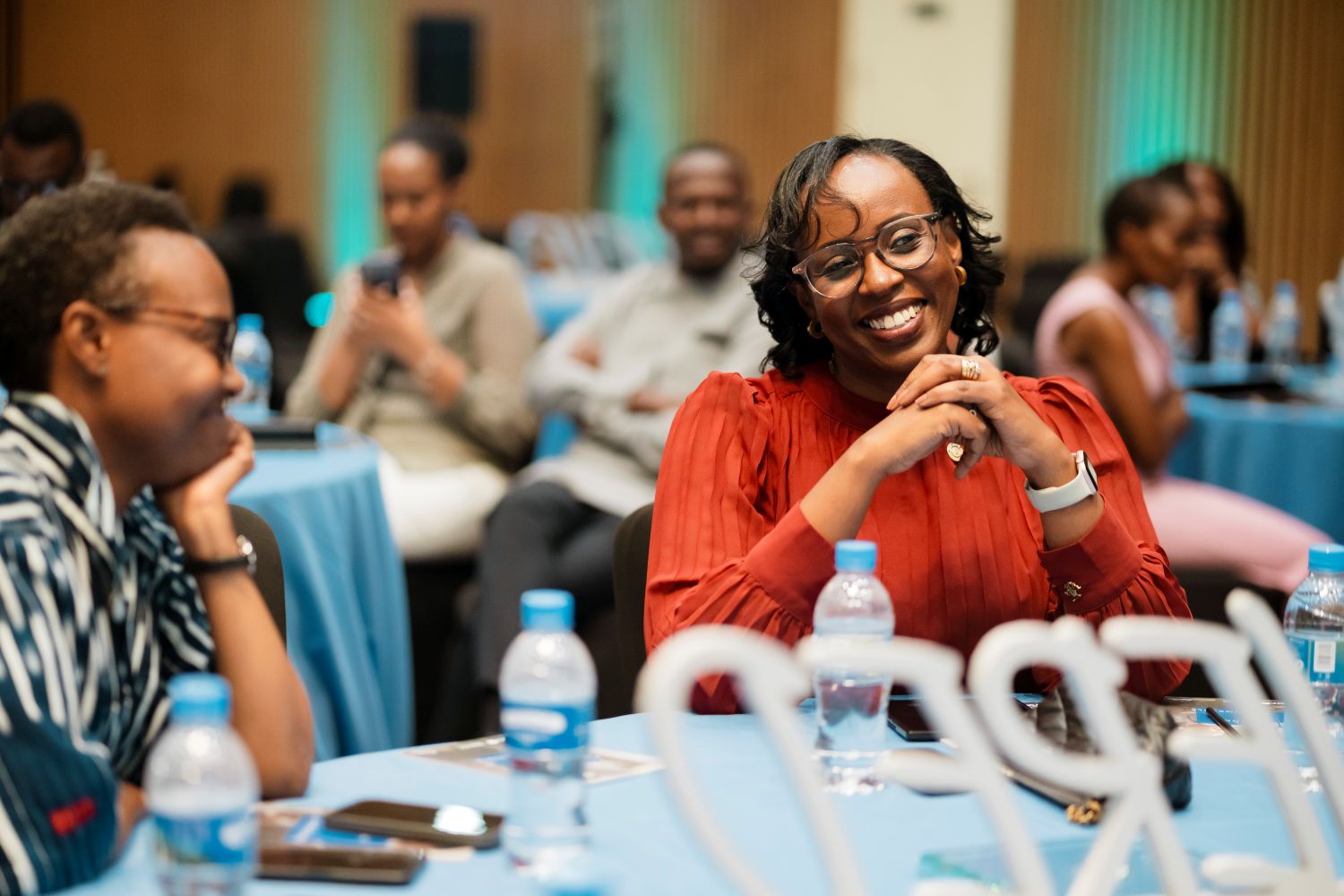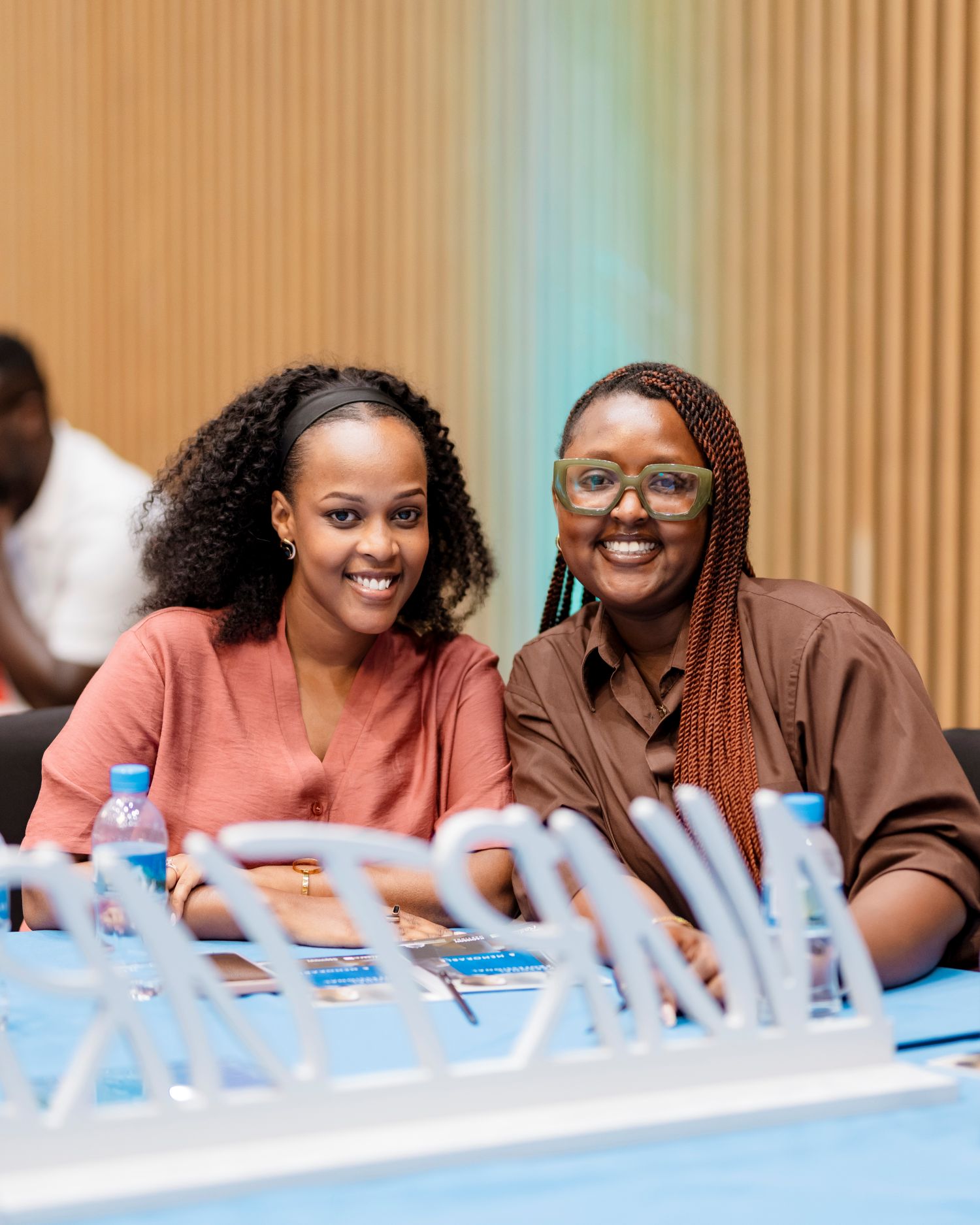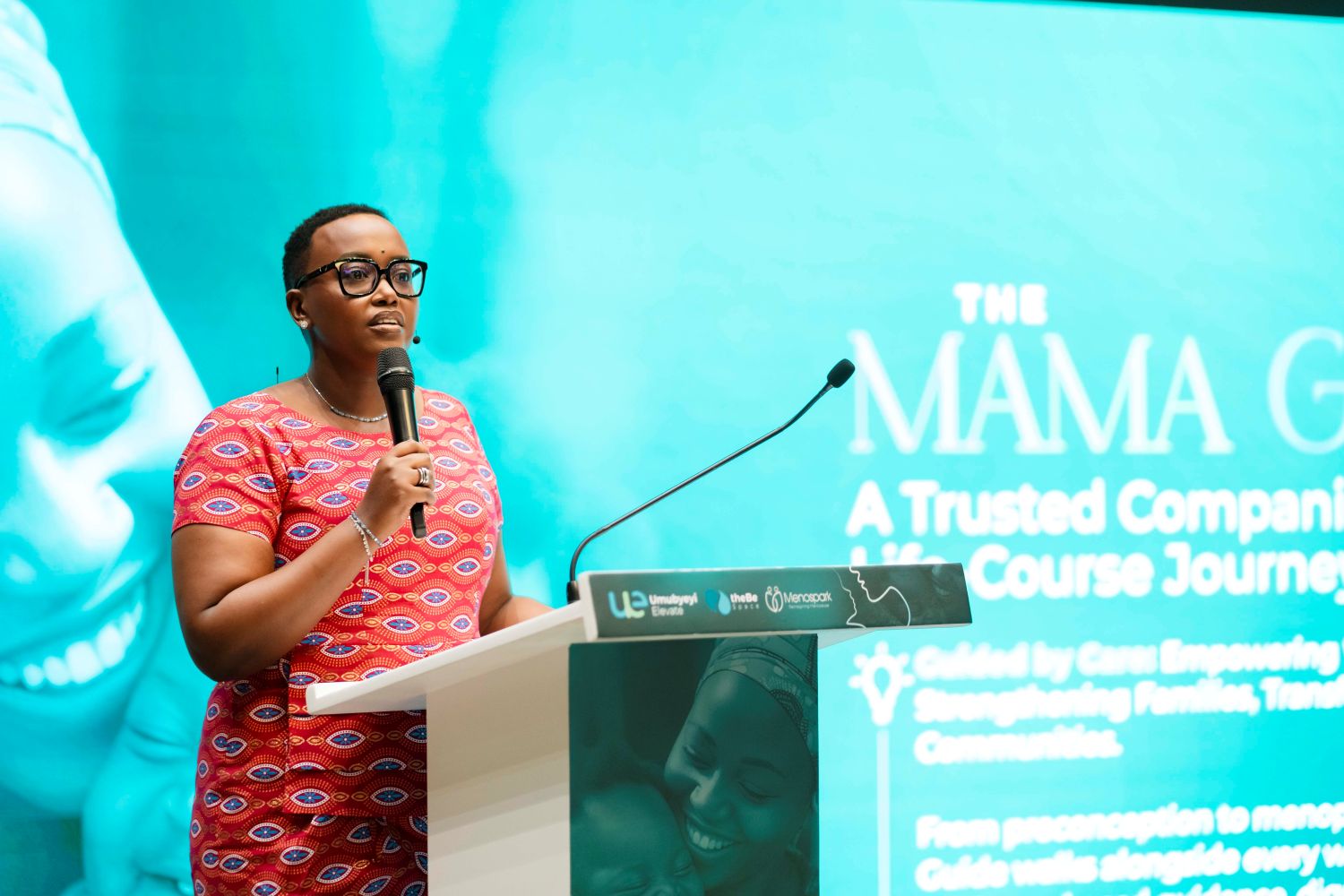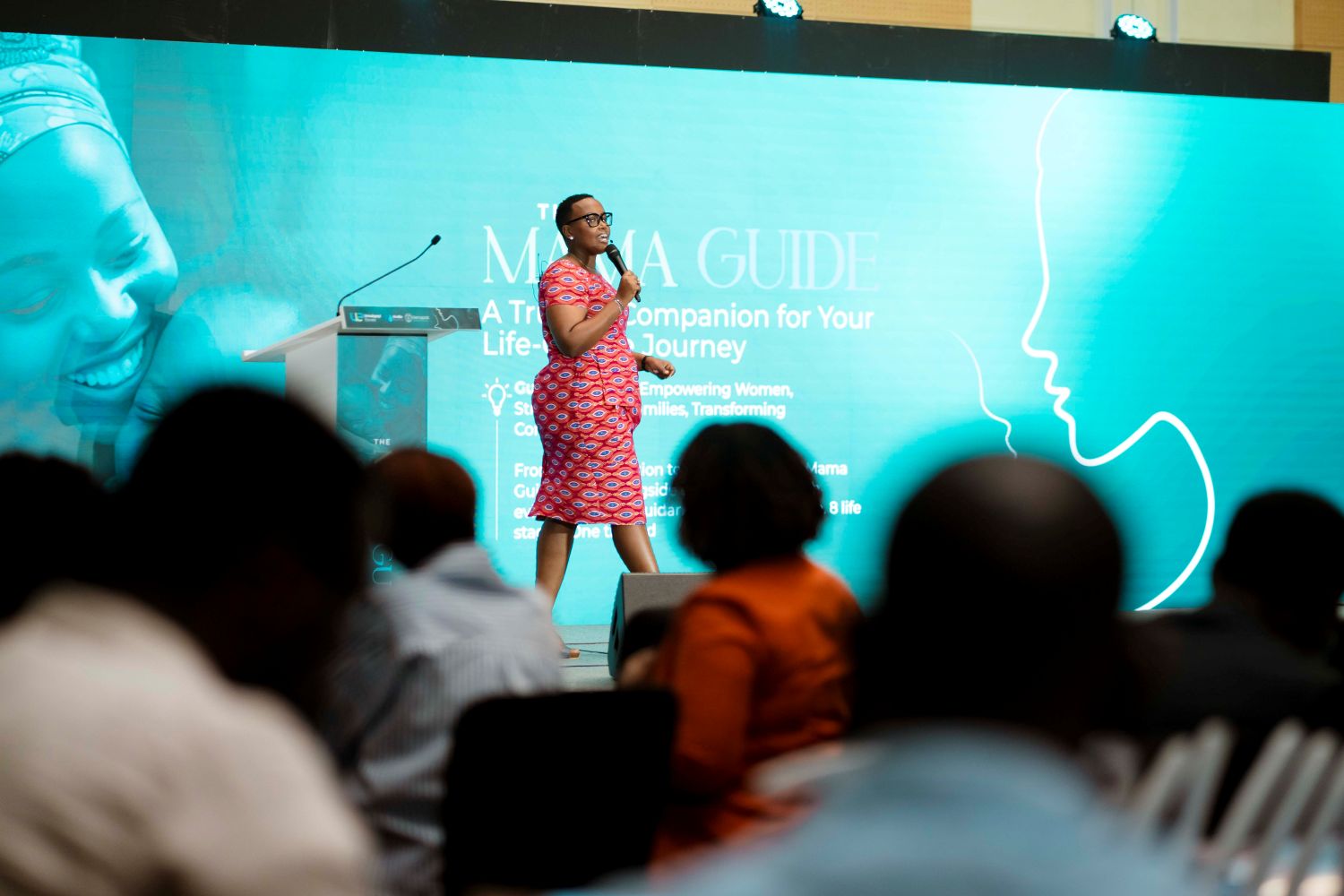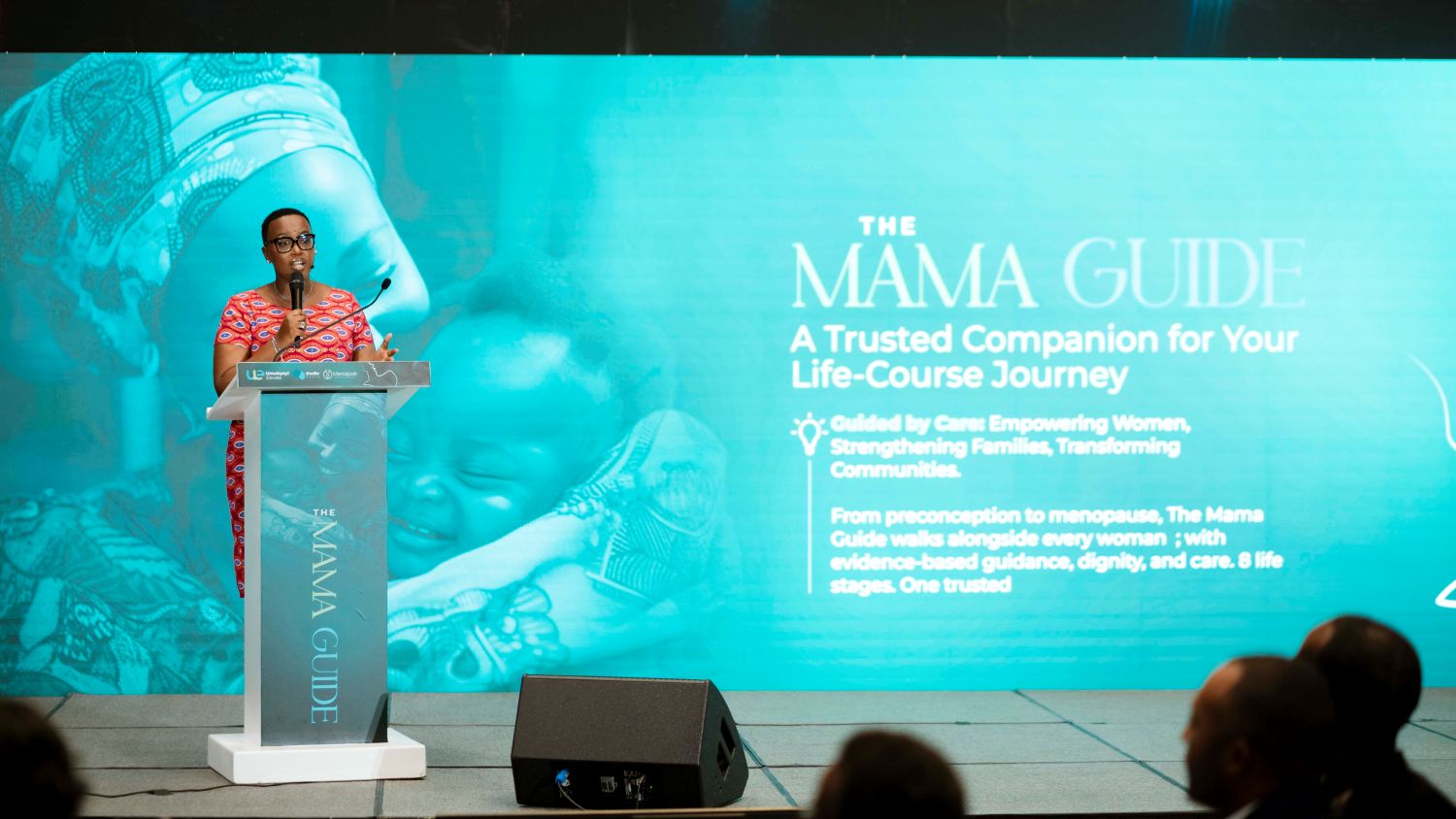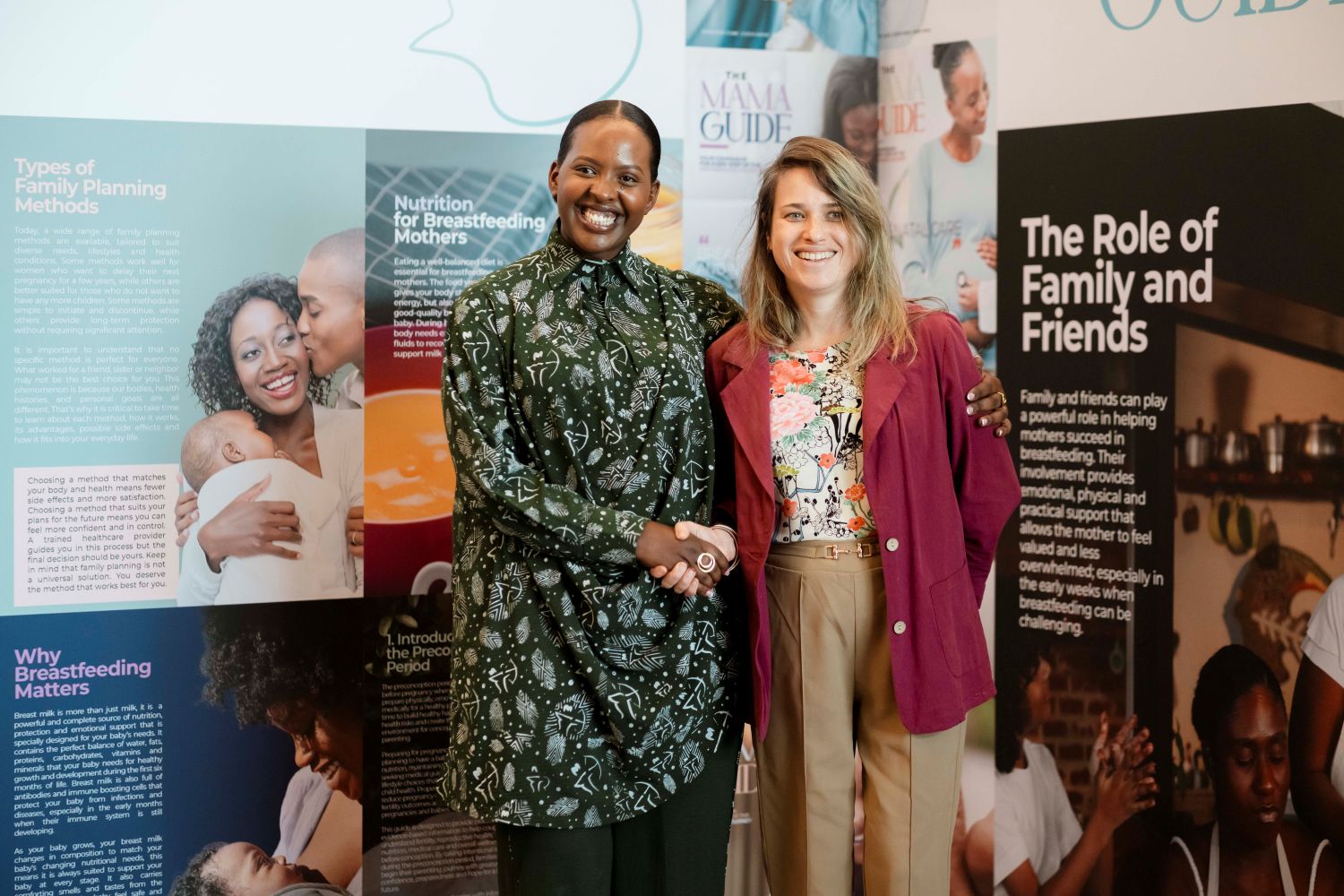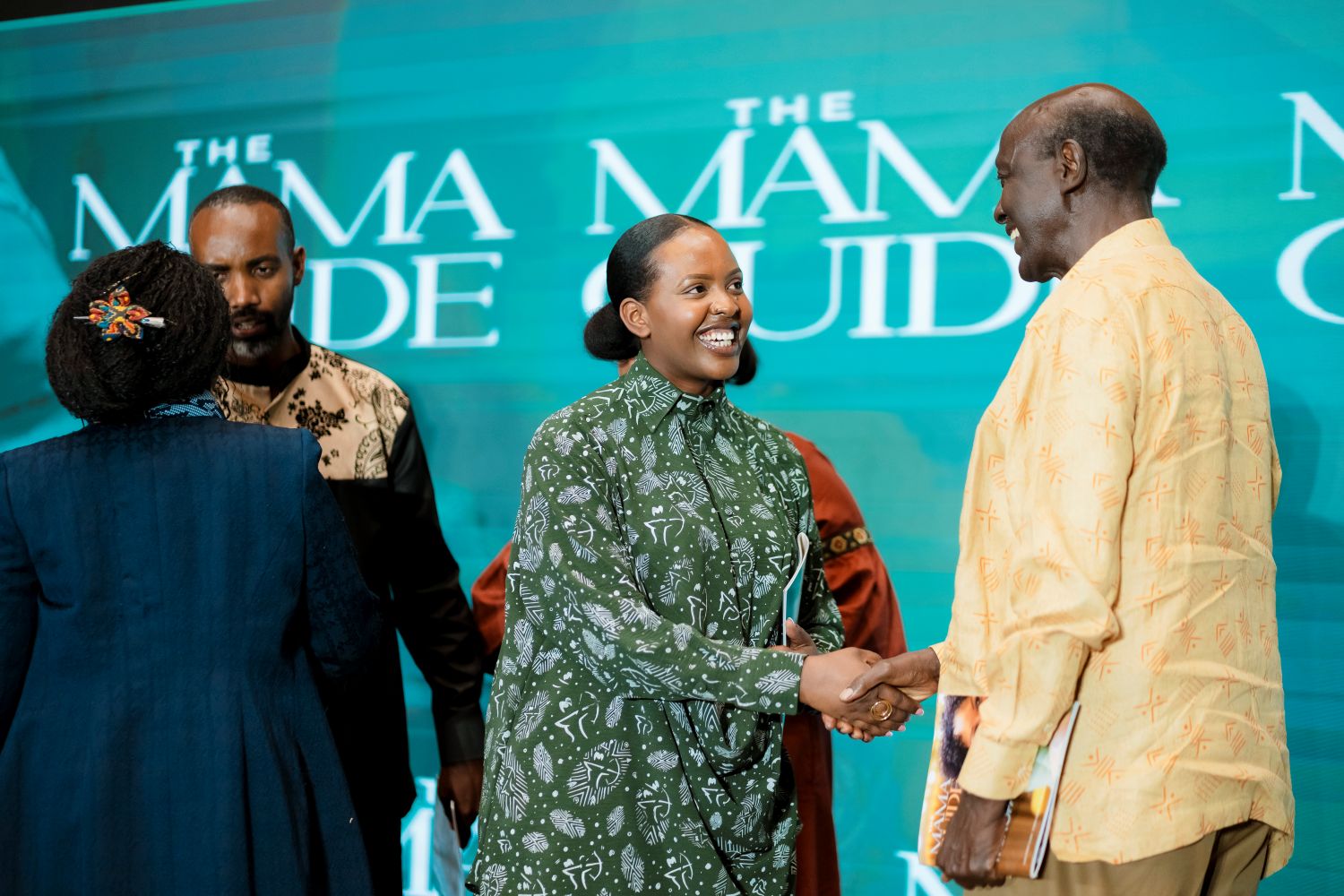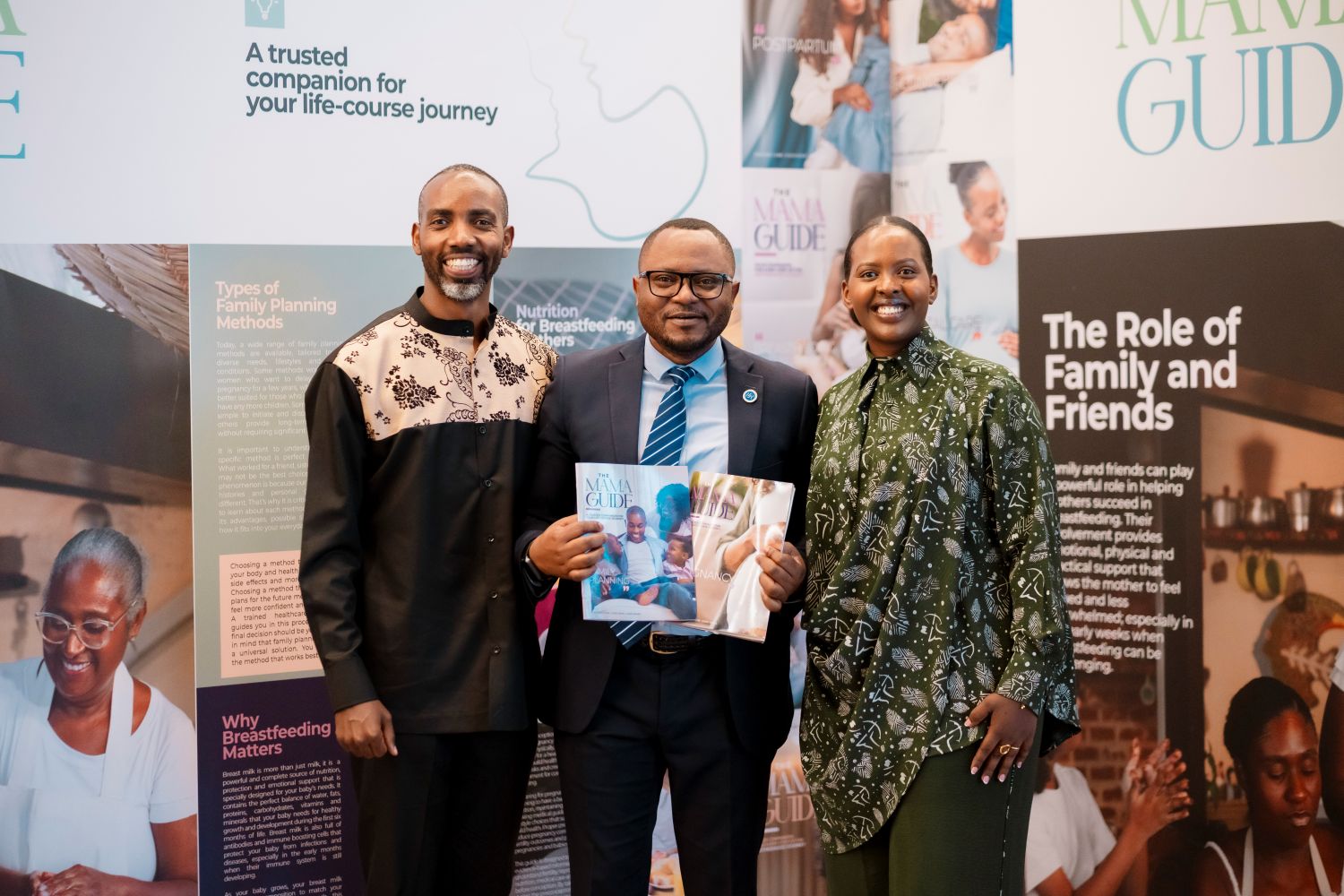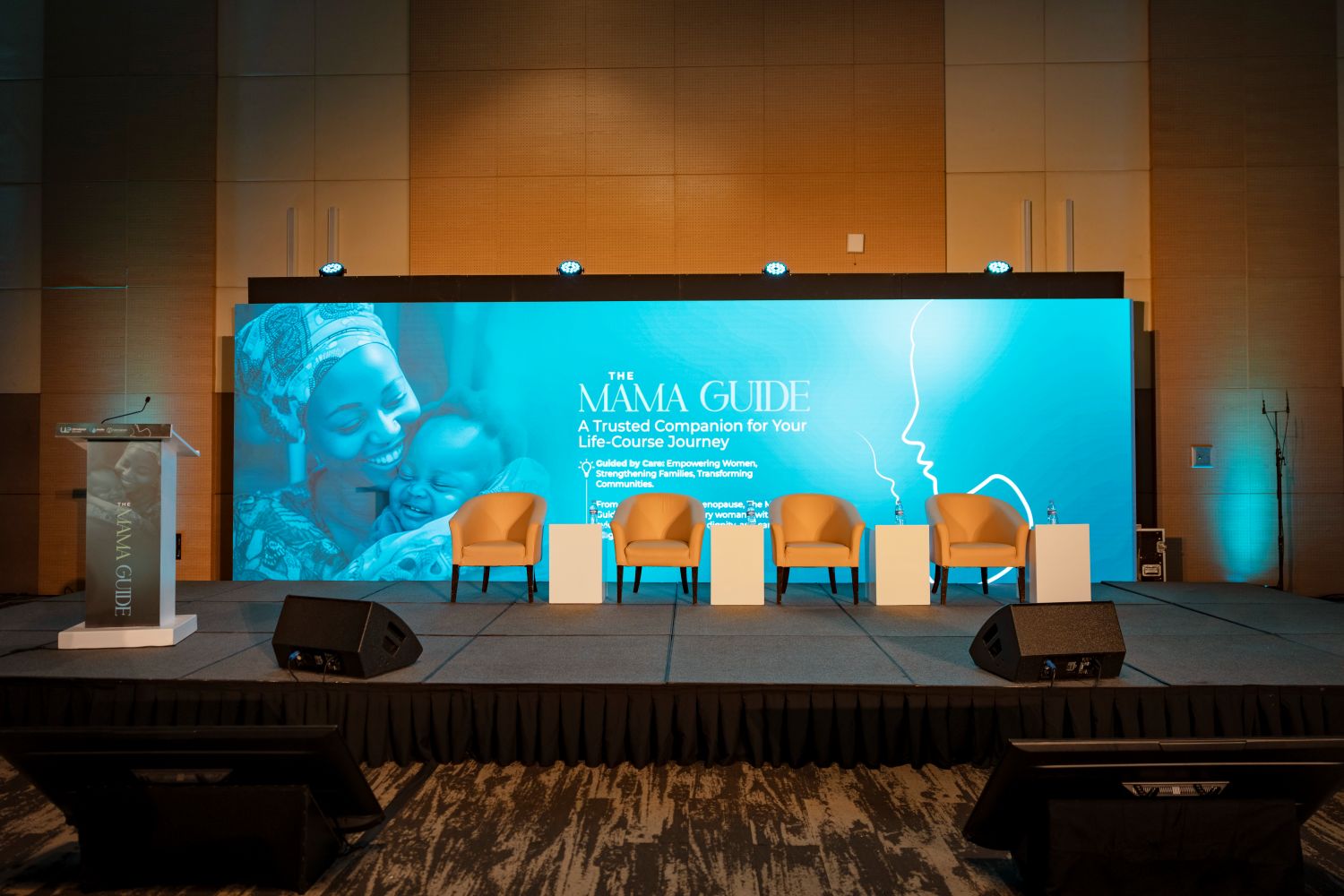

The launch brought together government representatives, healthcare professionals, development partners, academics, civil society actors, and private sector stakeholders, all underscoring the growing importance of accessible and reliable health information in improving public health outcomes.
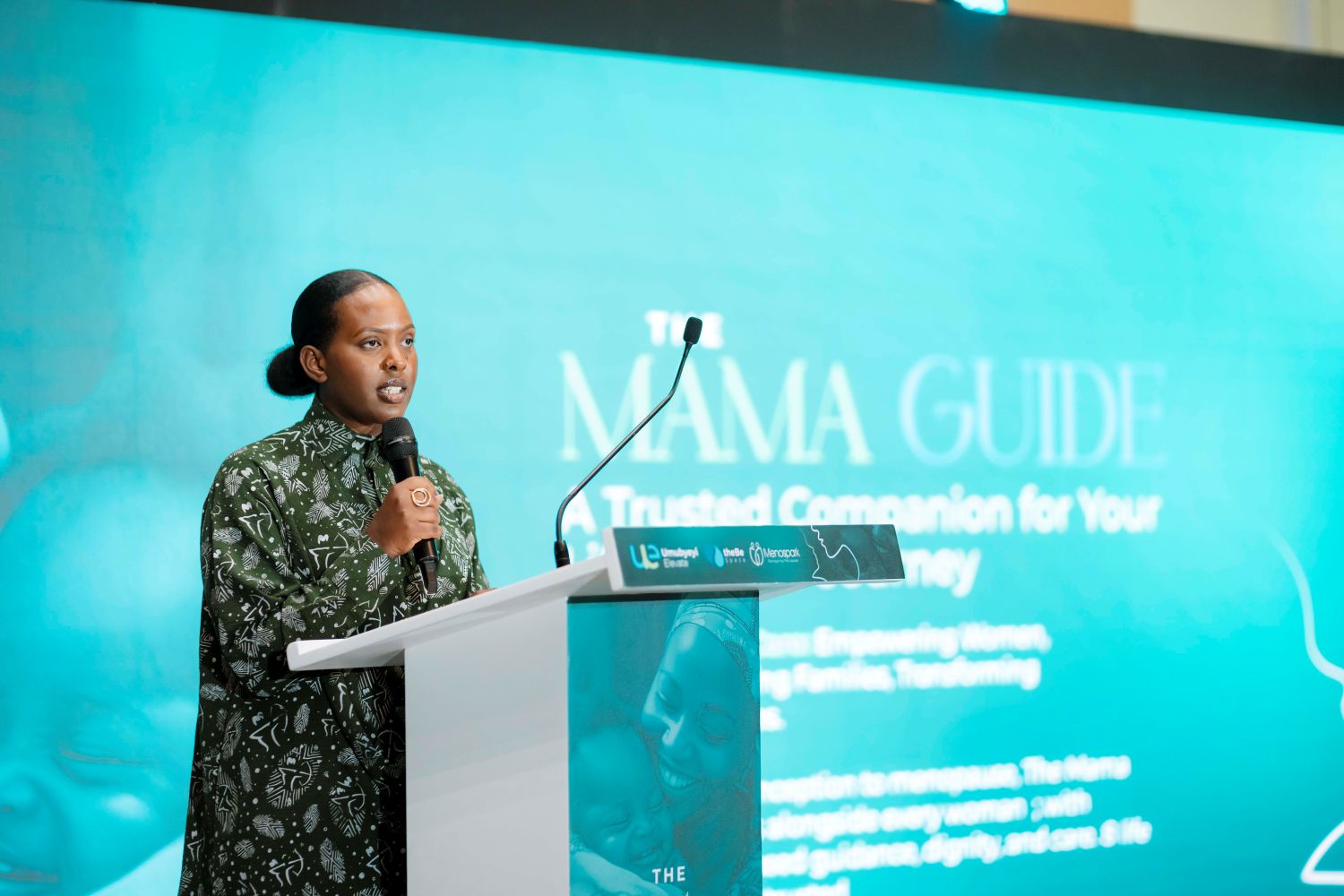
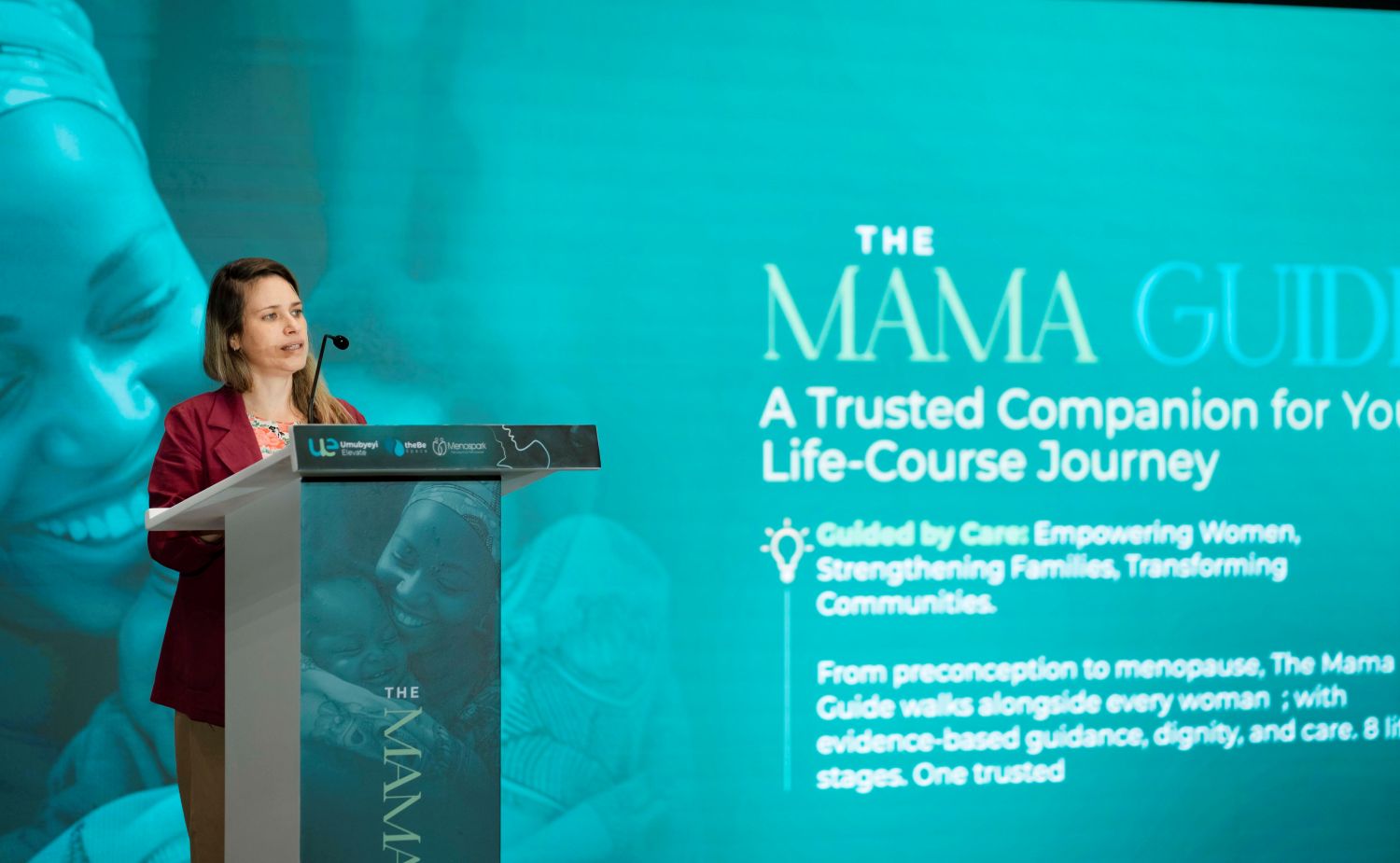
Speaking at the launch, Dr. Marie Chantal Umunyana, Founder and CEO of Umubyeyi Elevate, said the initiative was driven by the urgent need to close persistent gaps in access to trusted health information.
'Today is a significant day not just for Umubyeyi Elevate, but for every family in Rwanda that has ever faced a health decision without guidance, without answers, and without someone to say: you deserve to know,' she said.
Dr. Umunyana emphasized that despite advances in healthcare systems, preventable maternal deaths remain a global concern, often linked not only to medical challenges but also to delayed access to information and care.
'A woman dies every two minutes from preventable causes related to pregnancy and childbirth,' she said. 'Many of these deaths happen not because we lack healthcare professionals or medical knowledge, but because information arrives too late, warning signs are not recognized, and care is sought too late.'
She further highlighted findings from Umubyeyi Elevate research, which revealed significant gaps in health literacy. More than 40 percent of respondents reported difficulties accessing timely health information, over 60 percent demonstrated gaps in reproductive and maternal health knowledge, and more than 90 percent relied on online sources for health information without certainty about its accuracy.
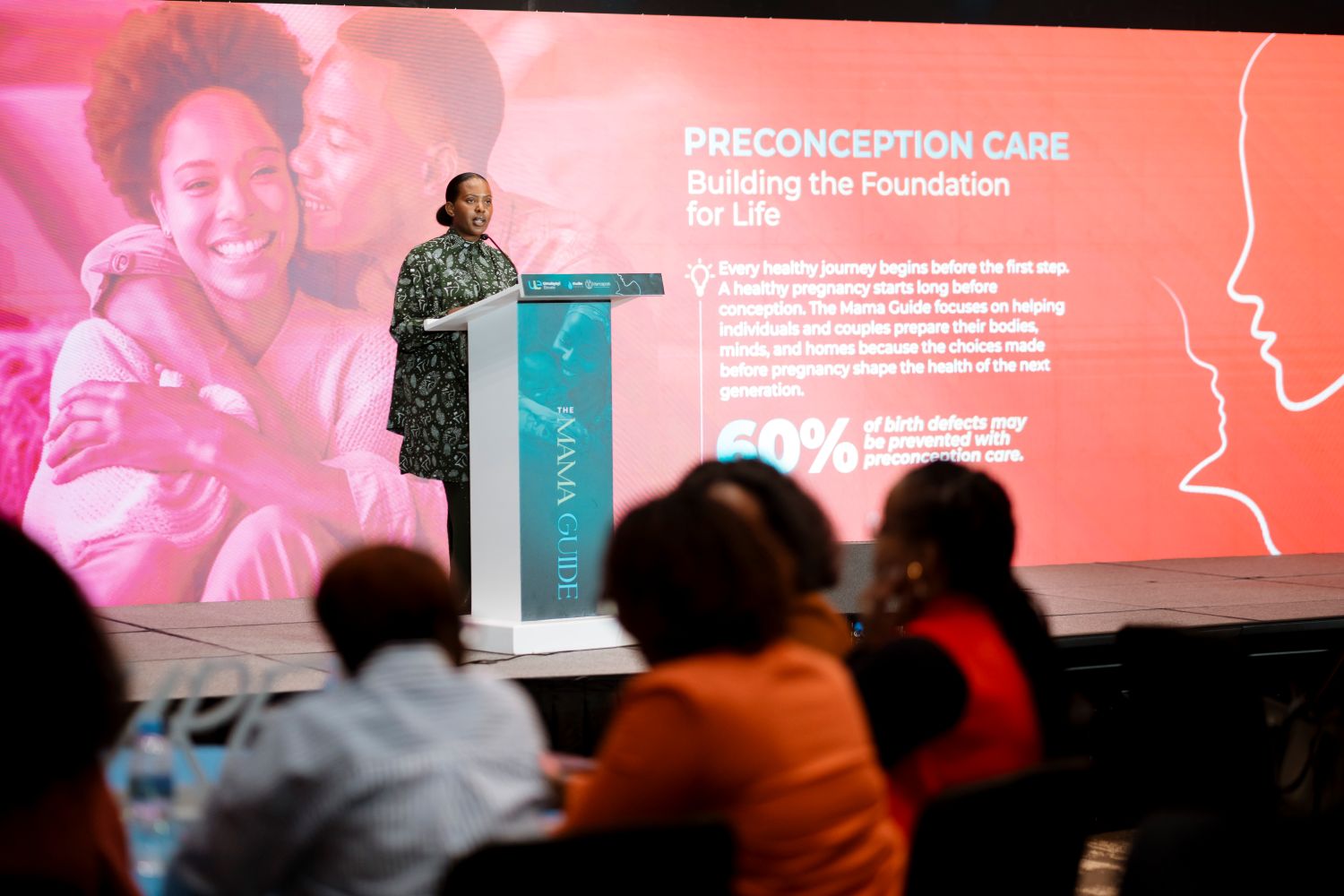
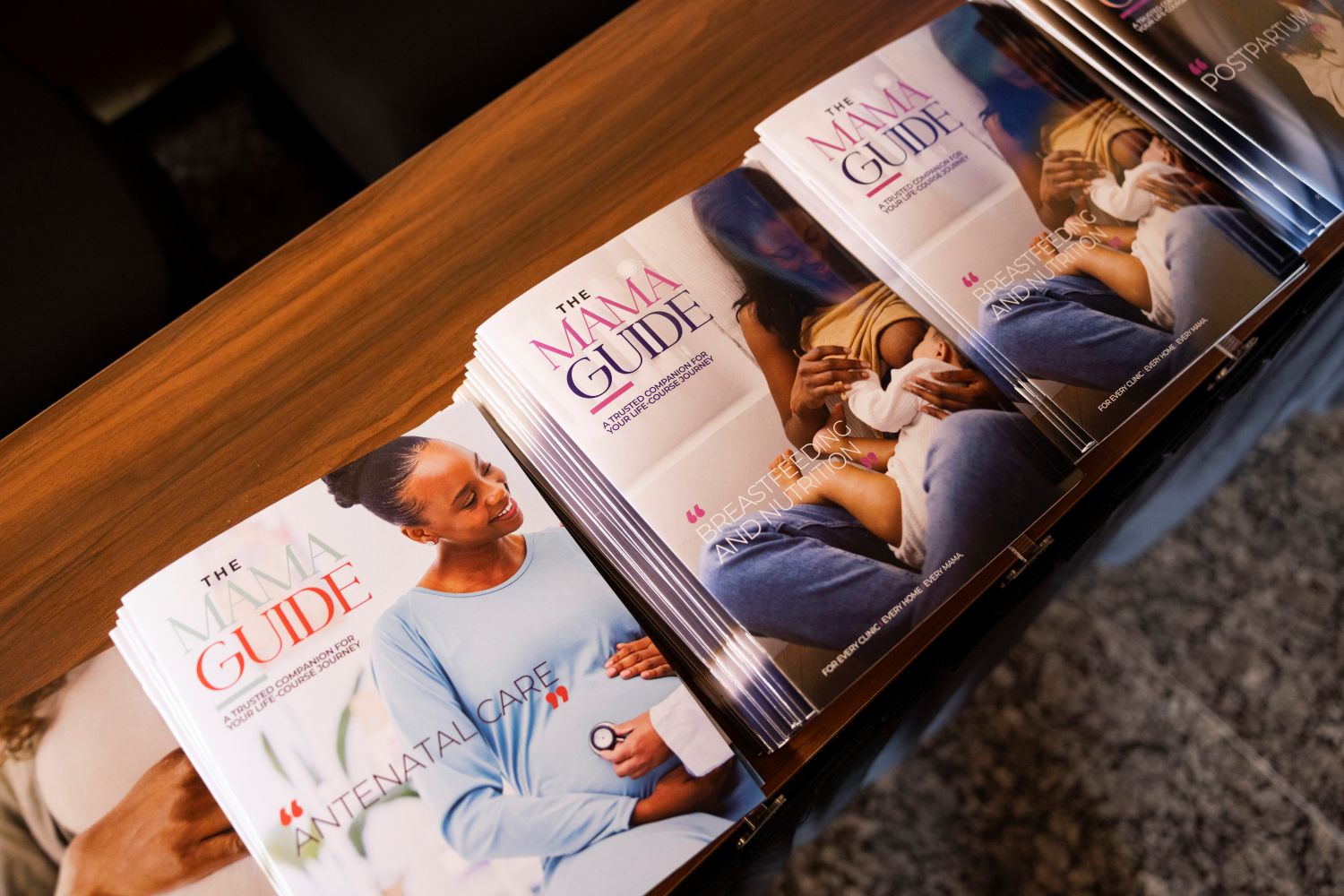
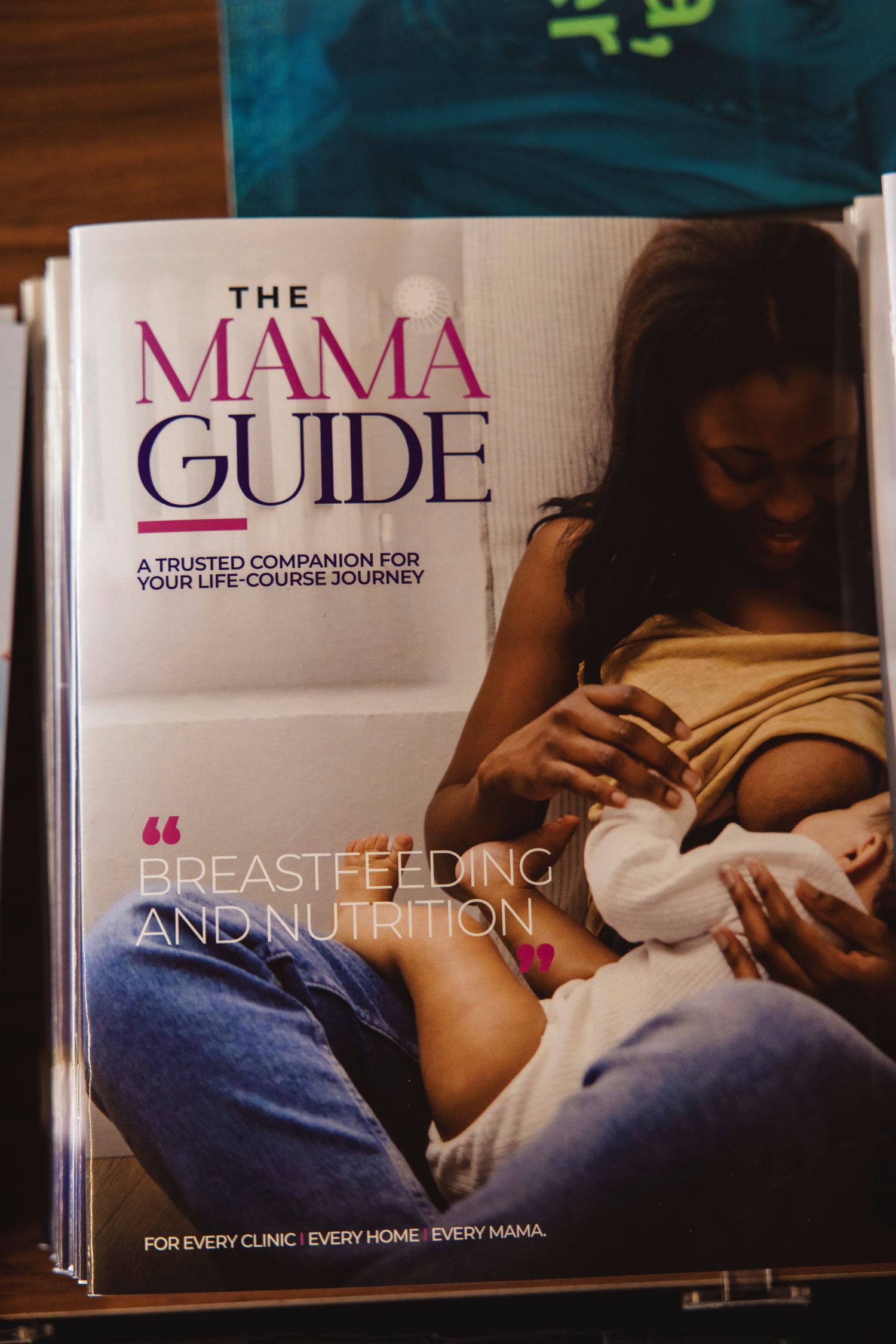
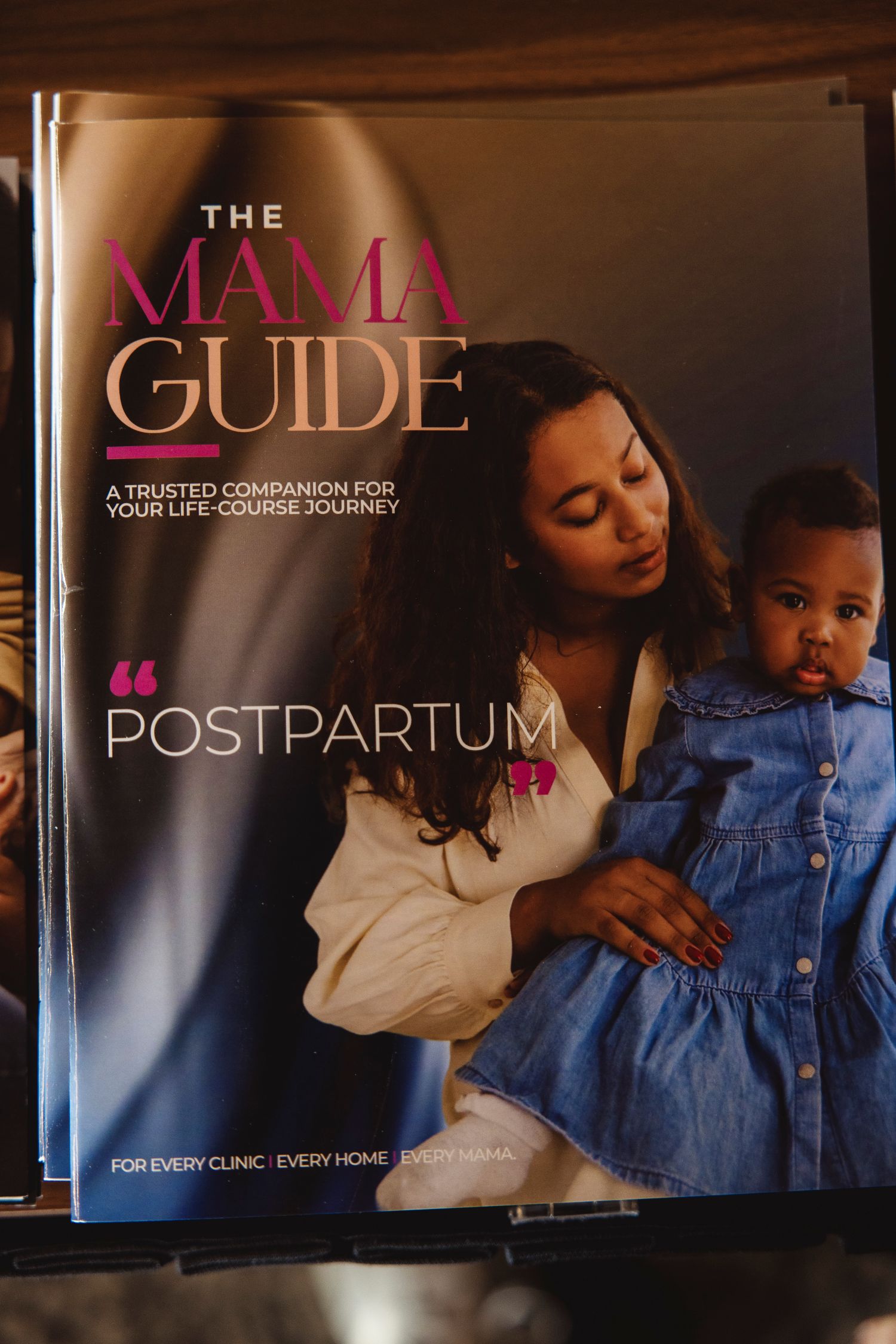
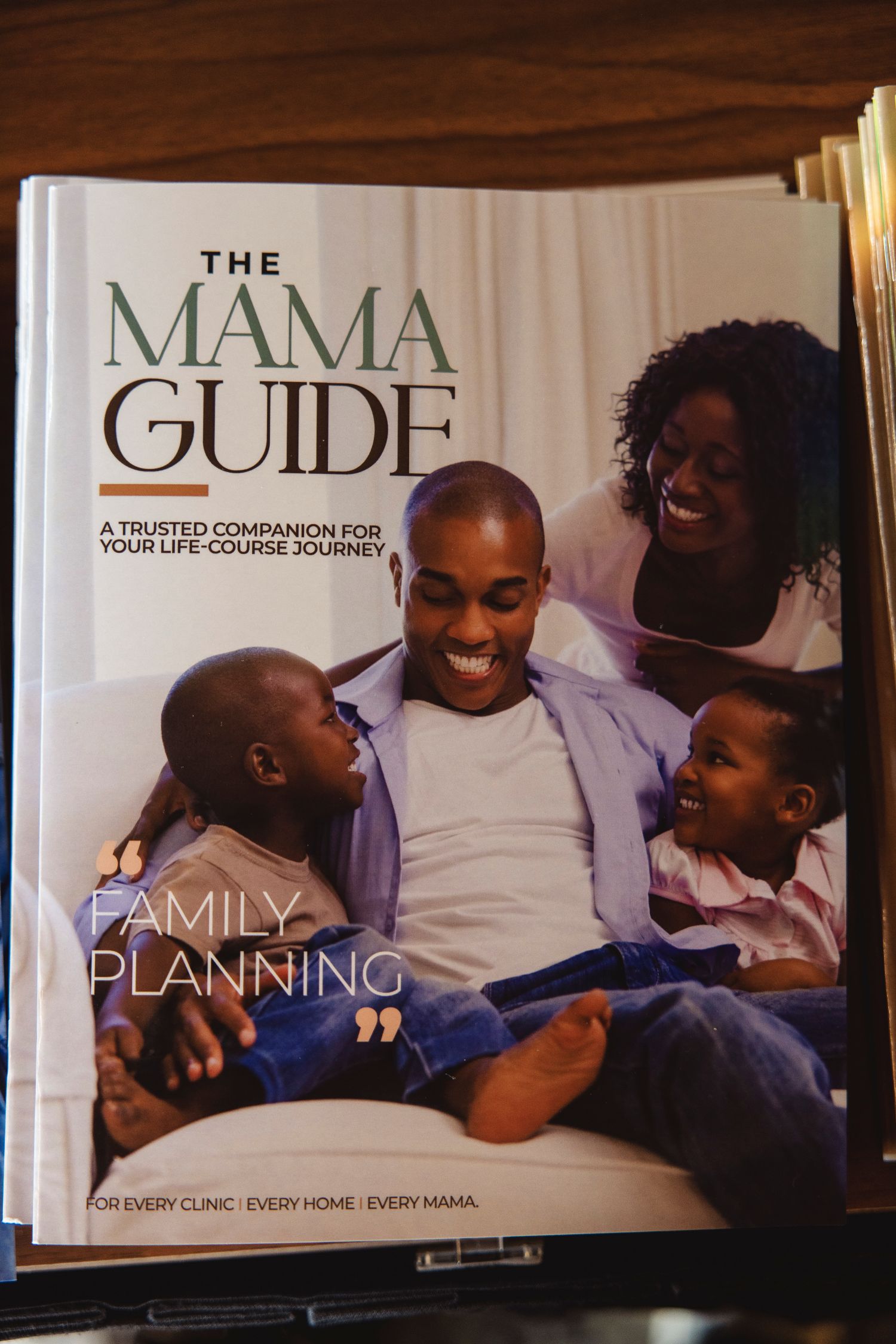
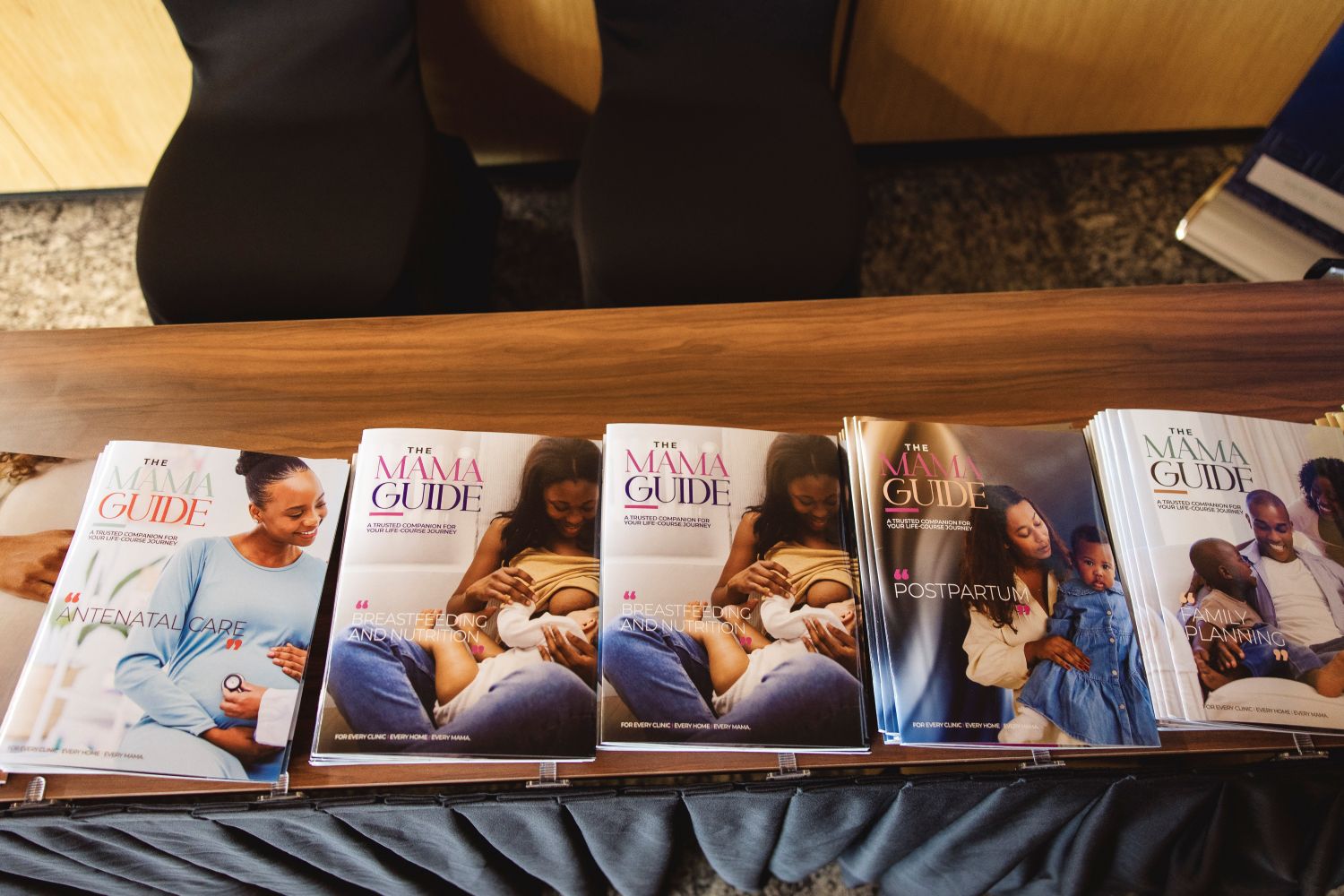
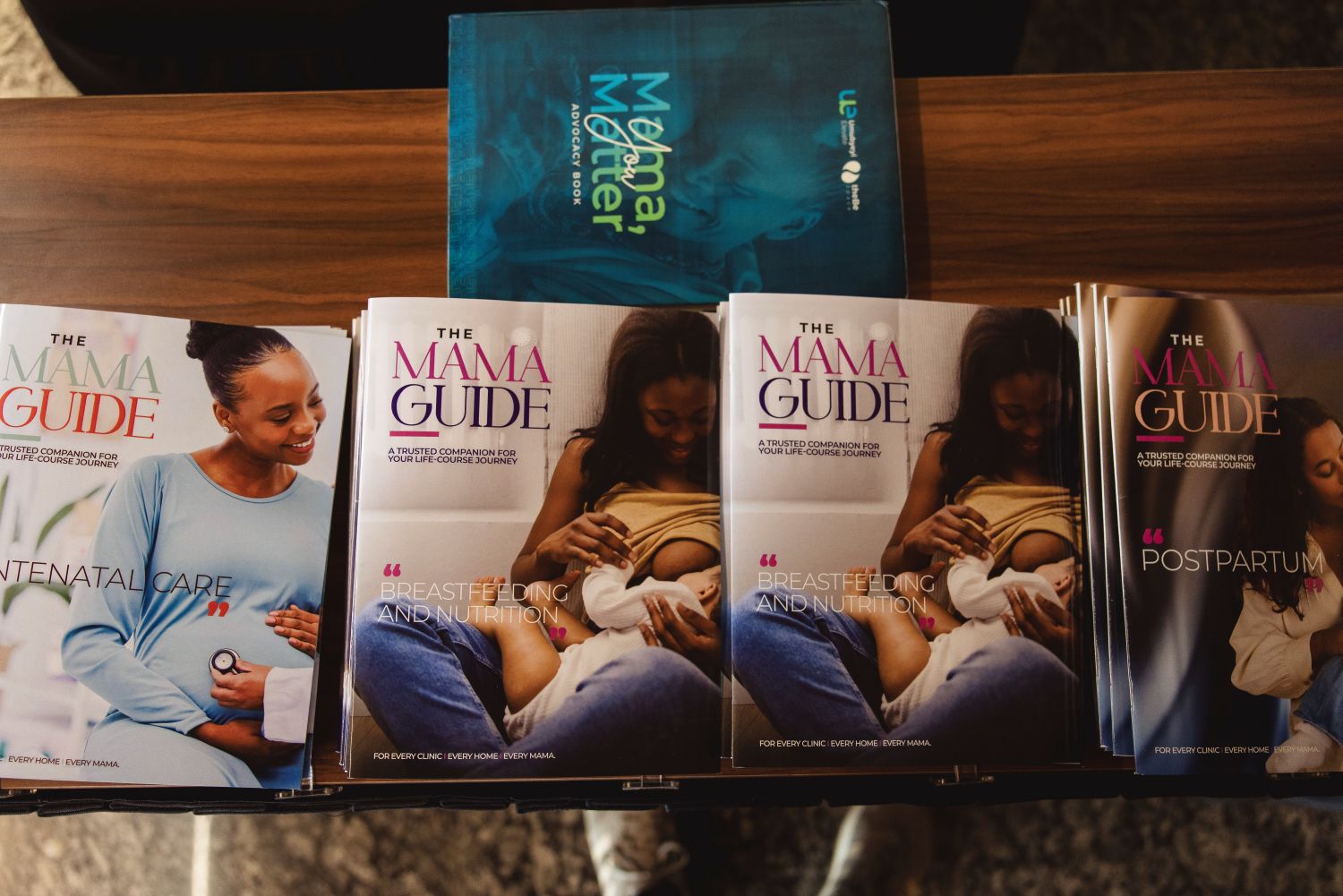
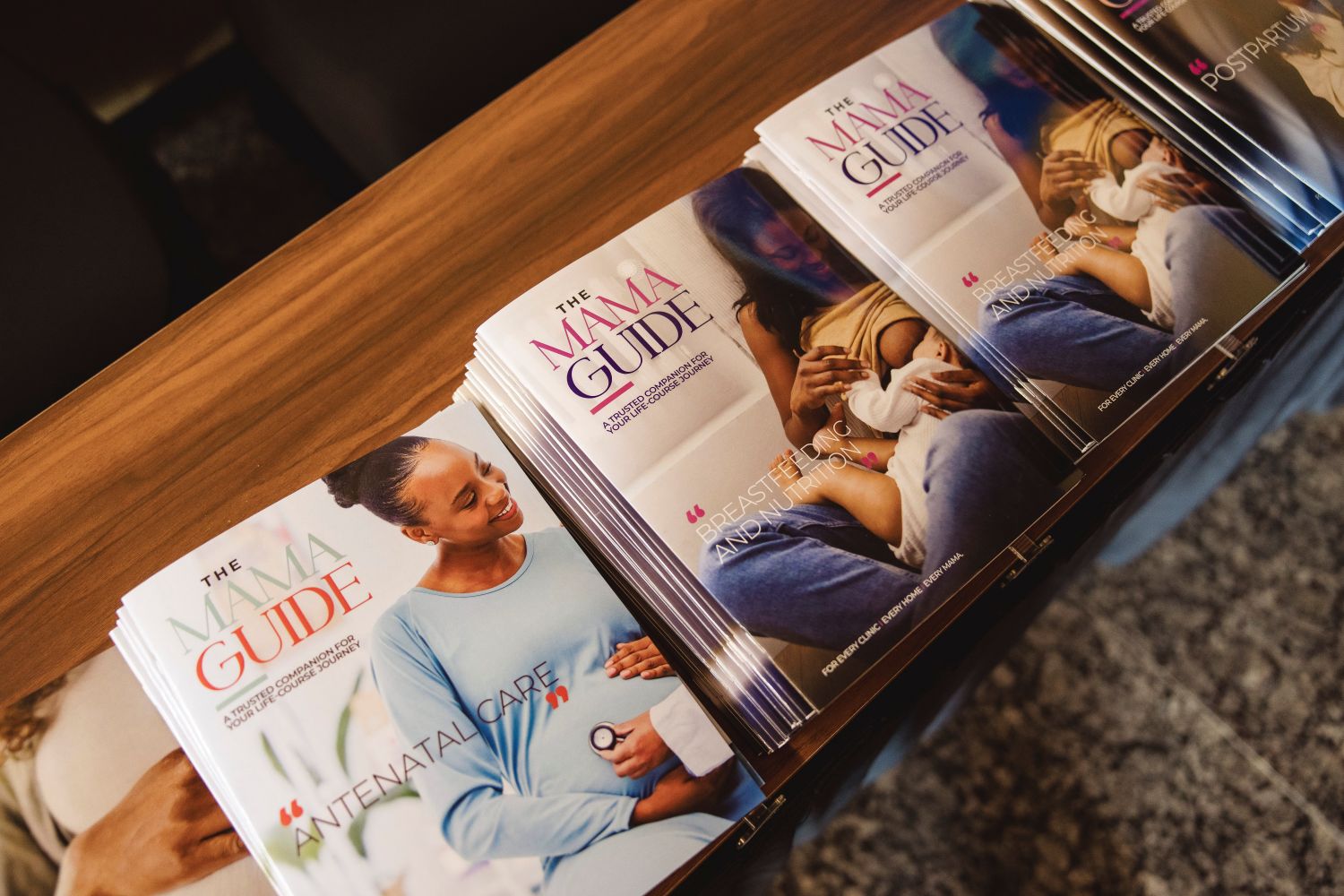
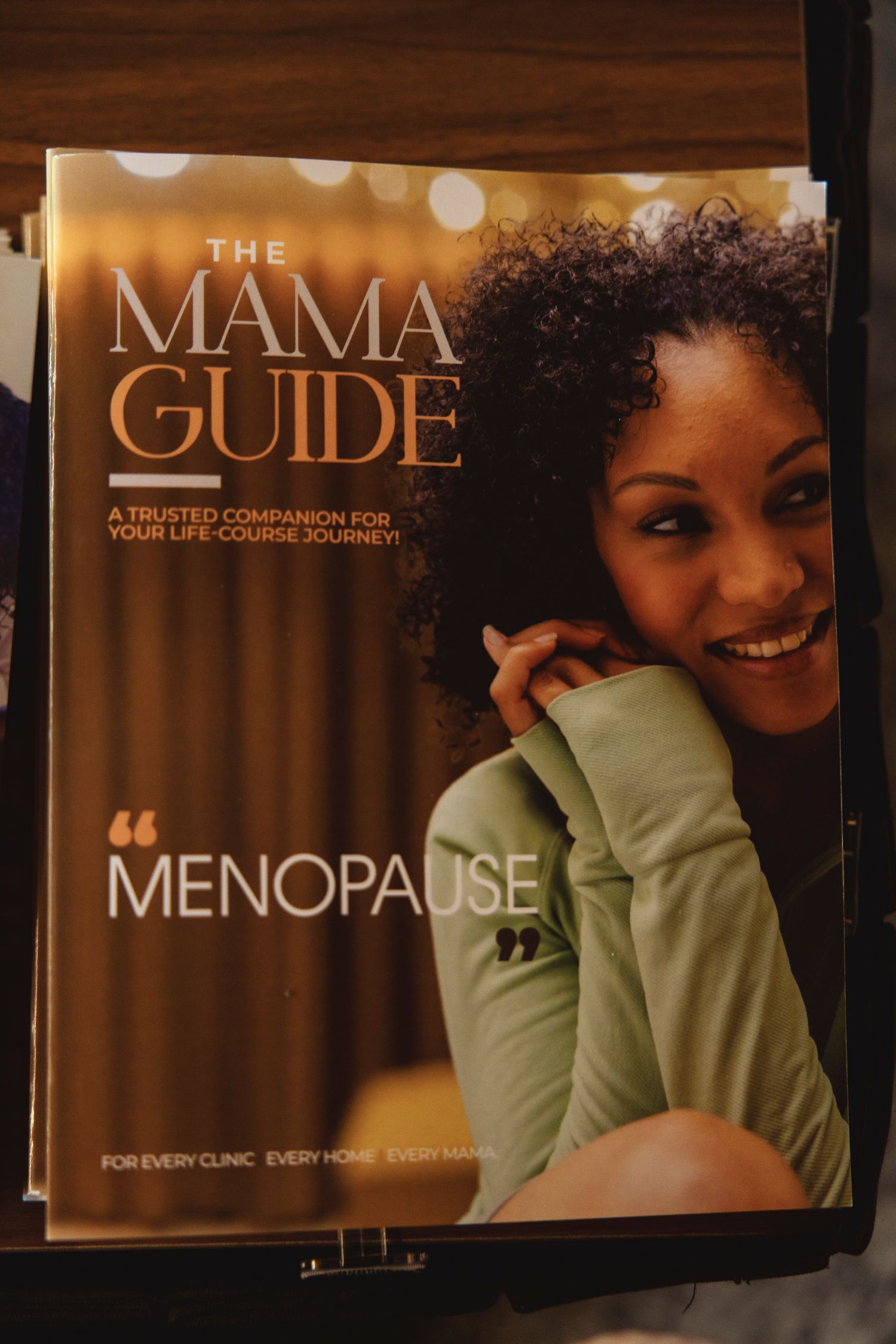
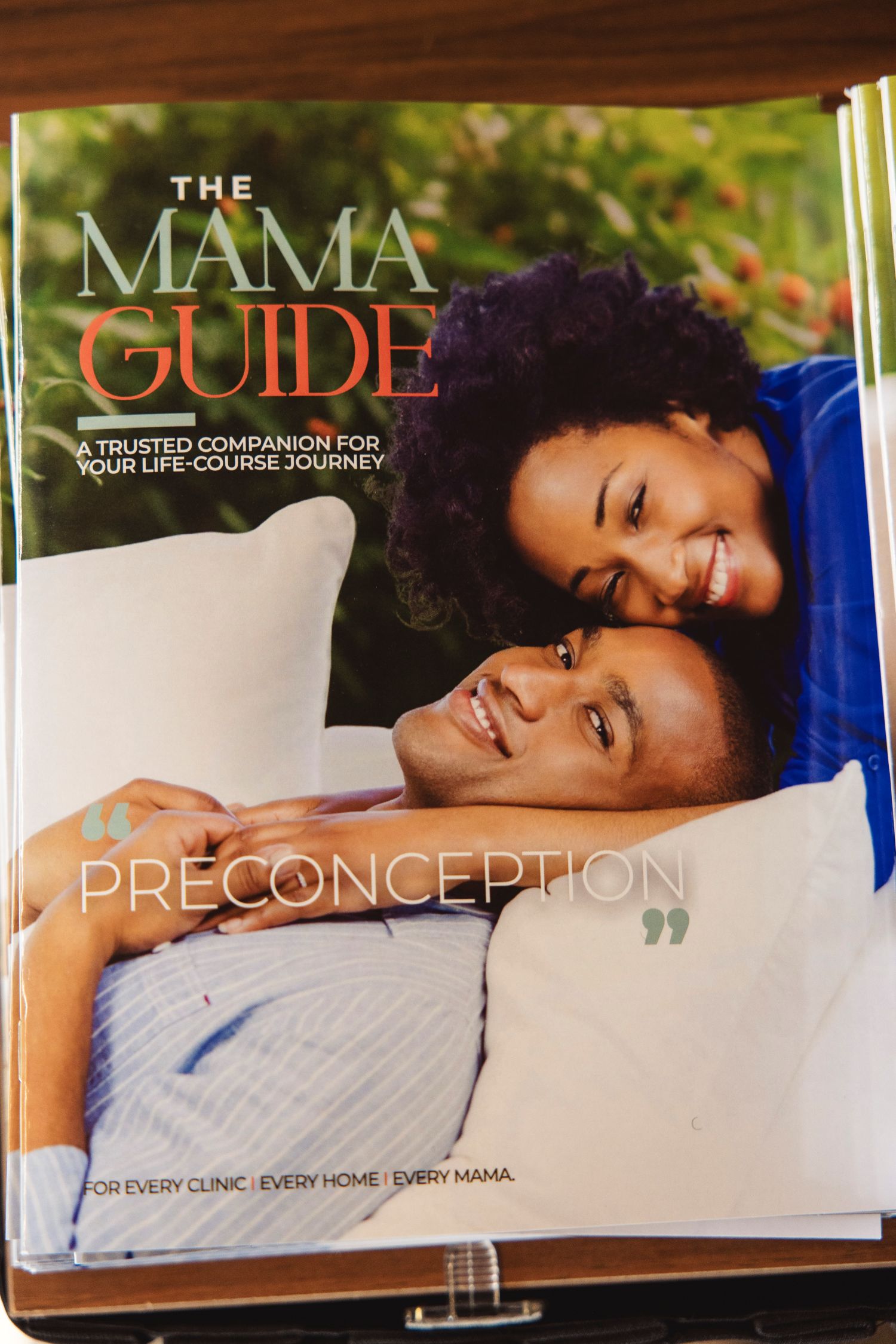
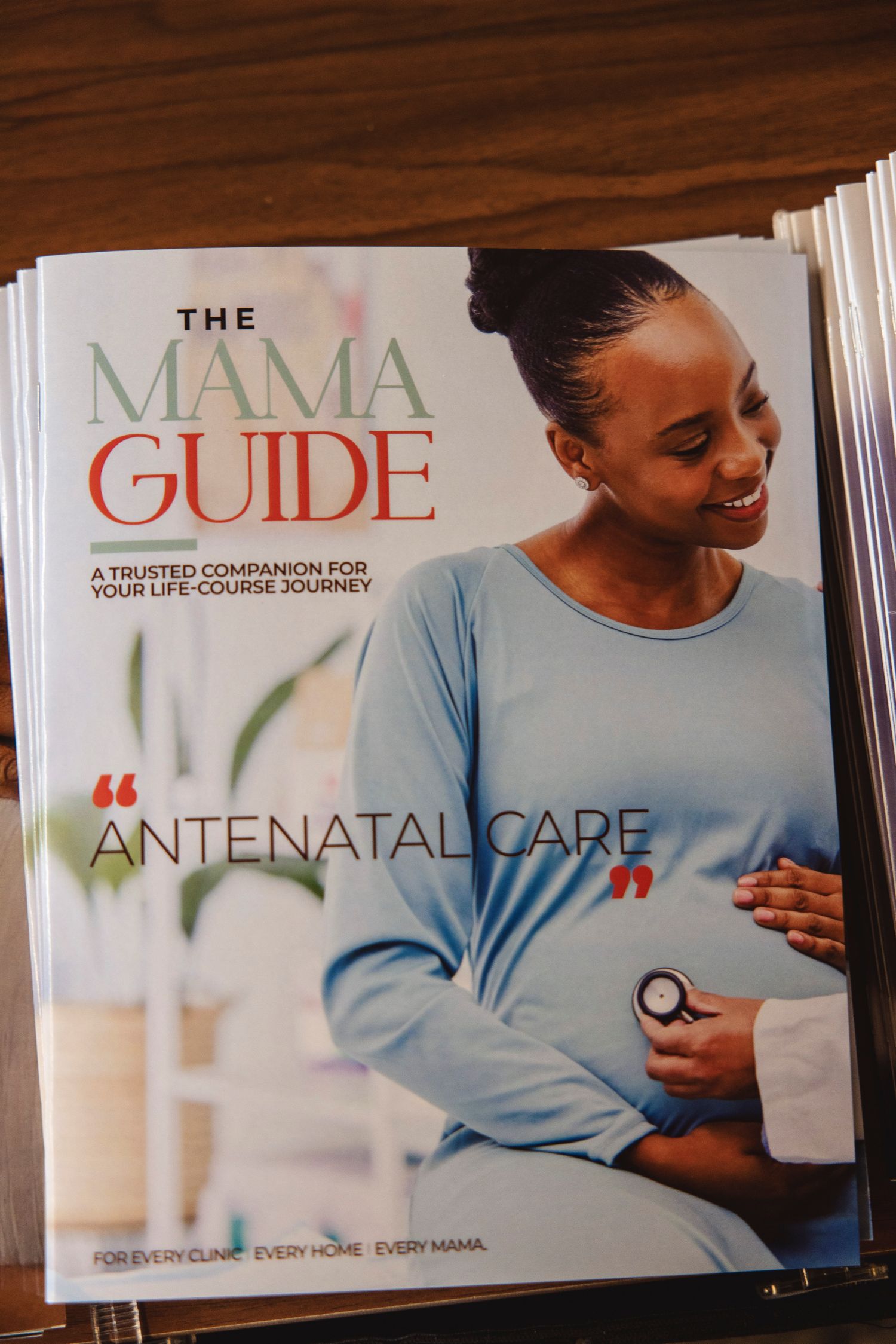
To address these challenges, Umubyeyi Elevate developed The Mama Guide as a structured set of eight guides covering preconception care, antenatal care, pregnancy, labor and delivery, postpartum care, breastfeeding and infant care, family planning, and menopause.
Dr. Umunyana explained that the publication was the result of years of consultation, clinical review, community engagement, and collaboration with healthcare professionals, researchers, and institutional partners.
'We believe that informed families make healthier decisions, healthier decisions strengthen households, and stronger households build resilient communities,' she said. 'Health literacy is not a luxury, it is a right.'
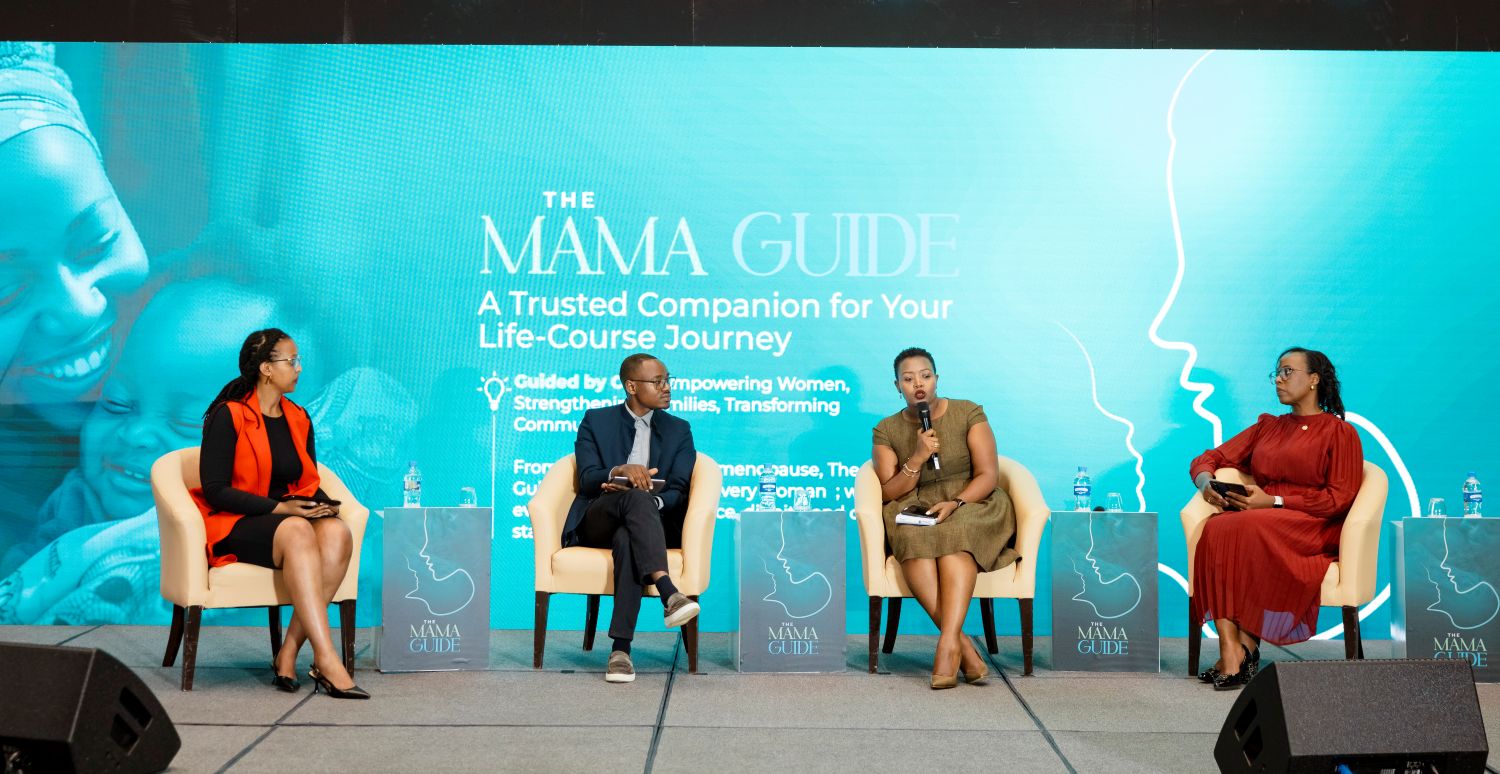
The event also featured a panel discussion focusing on health literacy, maternal wellbeing, self-care, innovation, and partnerships in strengthening public health systems. Participants emphasized that improving health outcomes requires not only healthcare services but also empowered communities equipped with accurate knowledge.
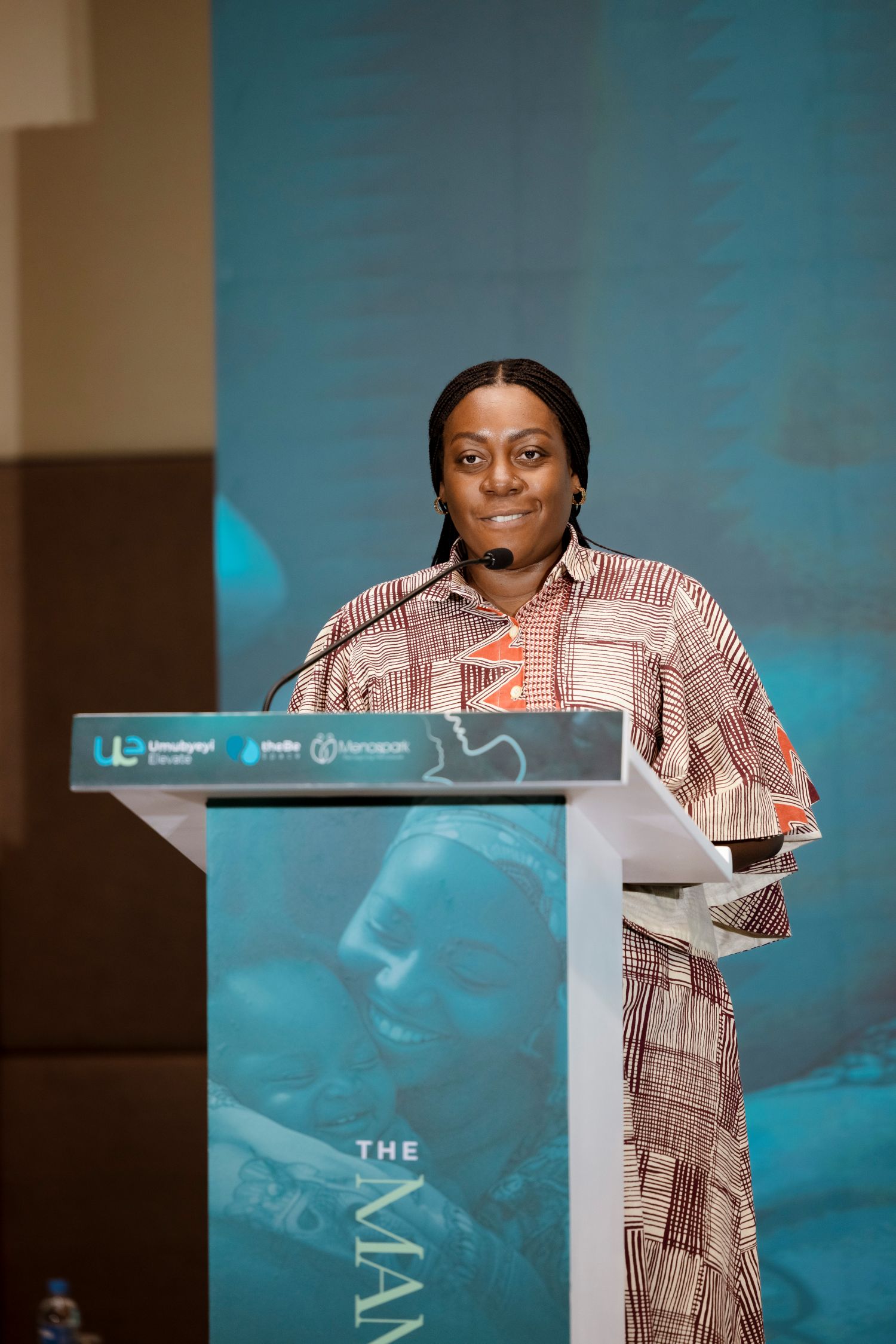
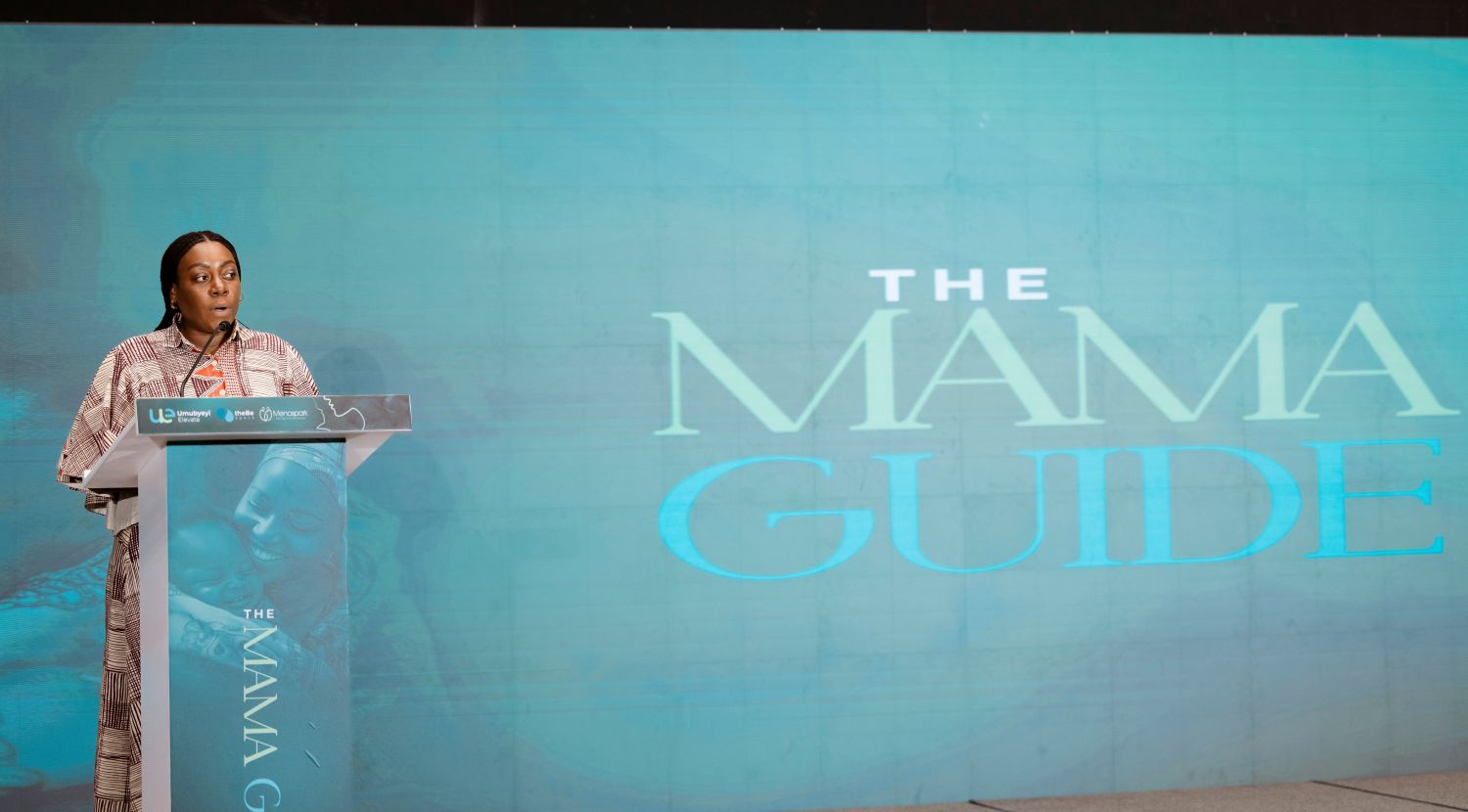
The guest of honor was Ms Jeanne Umuhire, Deputy Director General of the Rwanda Biomedical Centre (RBC), who underscored the central role of health information in improving wellbeing and shaping healthier societies.
'We often say that health begins at home, but for health to truly begin at home, girls and women must have access not only to healthcare services, but also to information they can trust, understand, and act upon,' she said.
Ms Umuhire noted that knowledge plays a decisive role in shaping health behaviours, including when families seek care, how they prevent illness, and how they respond to health challenges.
'Knowledge shapes decisions. It influences when mothers seek care, how families prevent illness, how communities respond to challenges, and ultimately, how nations improve health outcomes,' she said.
She further highlighted Rwanda's continued investment in strengthening its healthcare system through workforce development, infrastructure expansion, and universal health coverage, while stressing that collaboration across sectors remains essential.
'No single sector or institution, no matter how capable, can address every health challenge alone,' she noted. 'When mothers are empowered, families are strengthened. And when families are strengthened, communities and nations thrive.'
Ms Umuhire also commended initiatives such as The Mama Guide, noting that they complement national efforts in preventive healthcare, maternal and child health, and community empowerment by improving access to reliable information.
As The Mama Guide begins its rollout across homes, schools, universities, workplaces, and health facilities, stakeholders expressed optimism that it will serve as a trusted companion for families and contribute meaningfully to improved health literacy and better health outcomes across Rwanda.
You can access your copy today at https://umubyeyi.org/