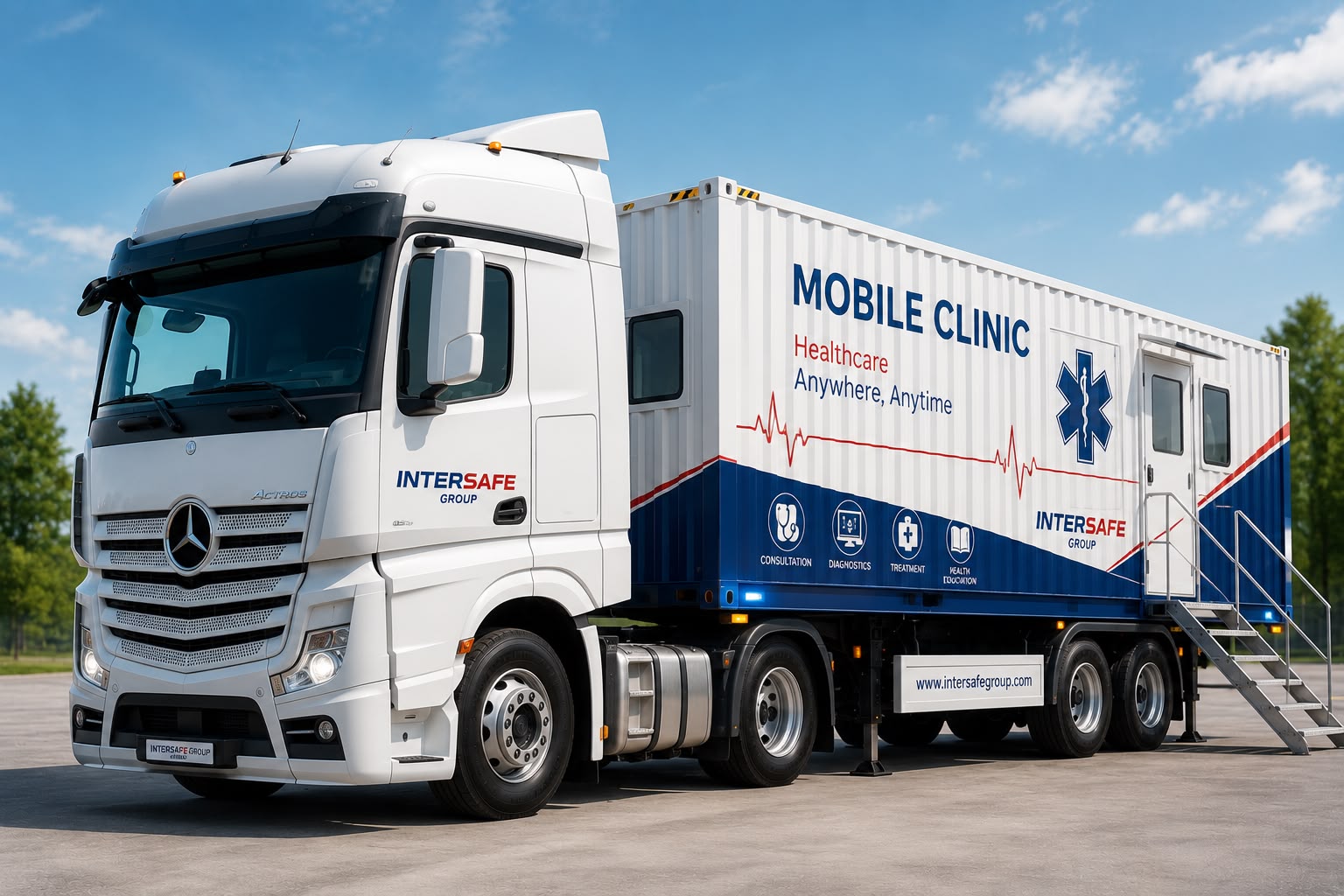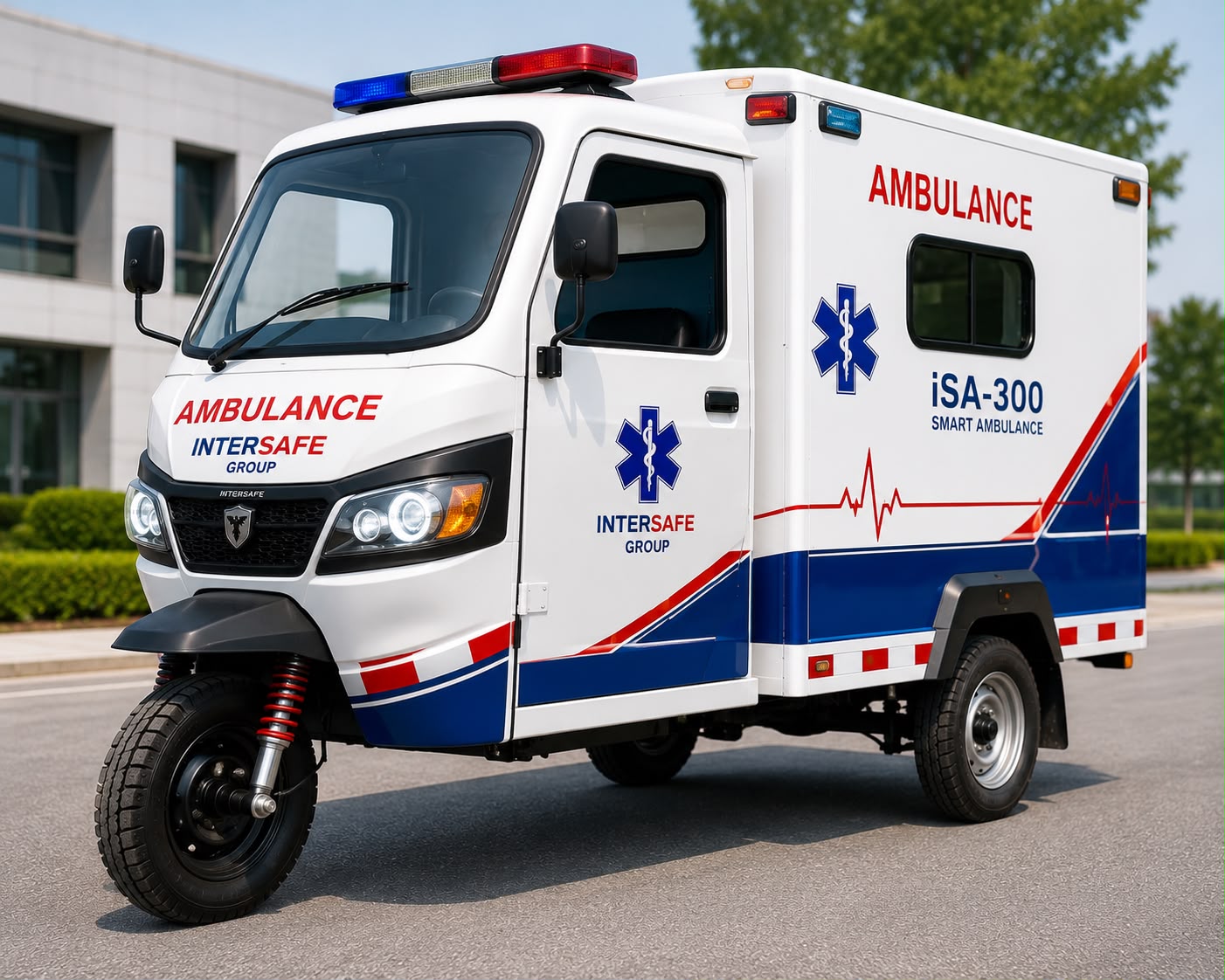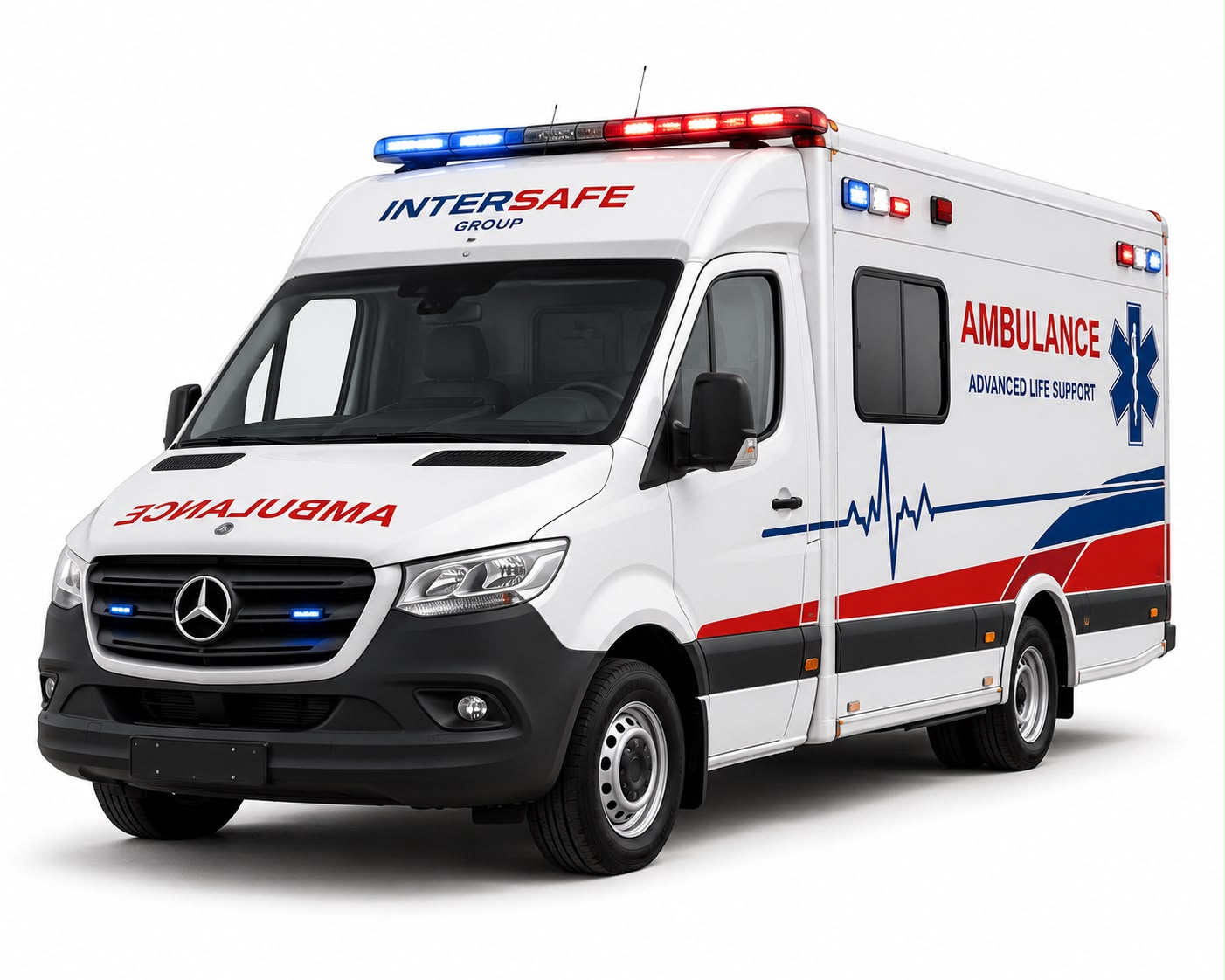

The Rwanda Smart Emergency Response Pilot aims to reduce delays in emergency interventions, strengthen community resilience and bring emergency support closer to people, particularly those living in remote and hard-to-reach areas.
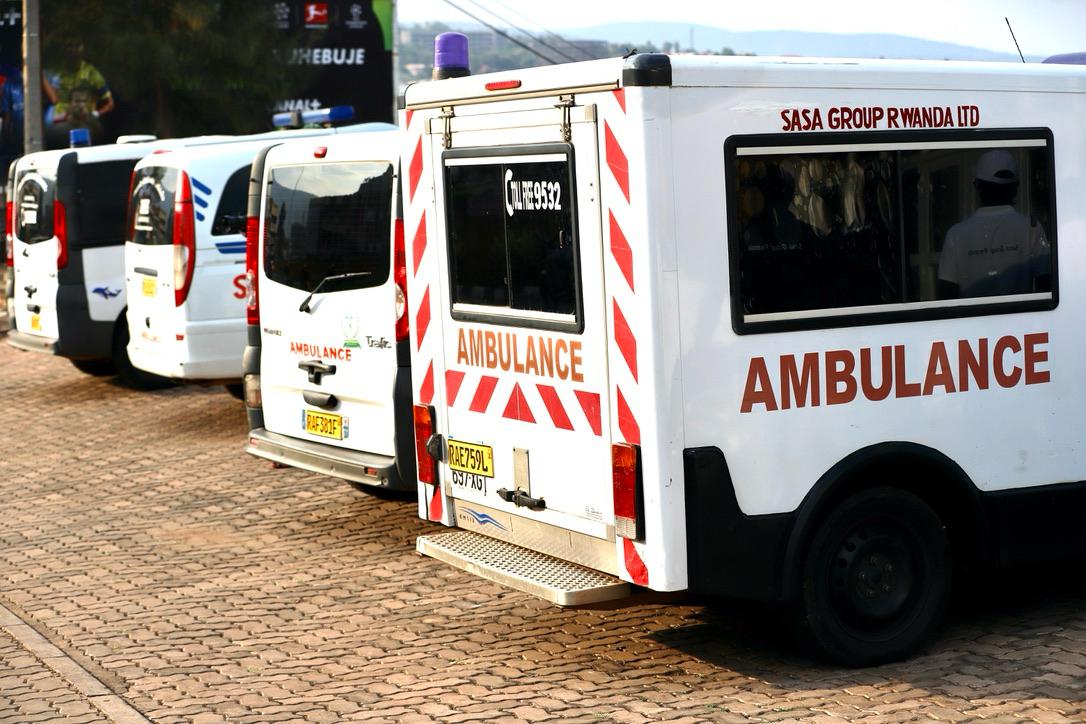
In an interview, Safari Rutagengwa, CEO of SASA Group, said the initiative builds on Rwanda's progress in emergency response, including the establishment of the national 112 Emergency Call Center, the expansion of pre-hospital emergency medical services and continued investments in public safety and protection.
He explained that the project is designed to complement existing emergency response structures by introducing a new generation of smart technologies, including advanced ambulances, firefighting vehicles, digital coordination systems and real-time data analytics tools.
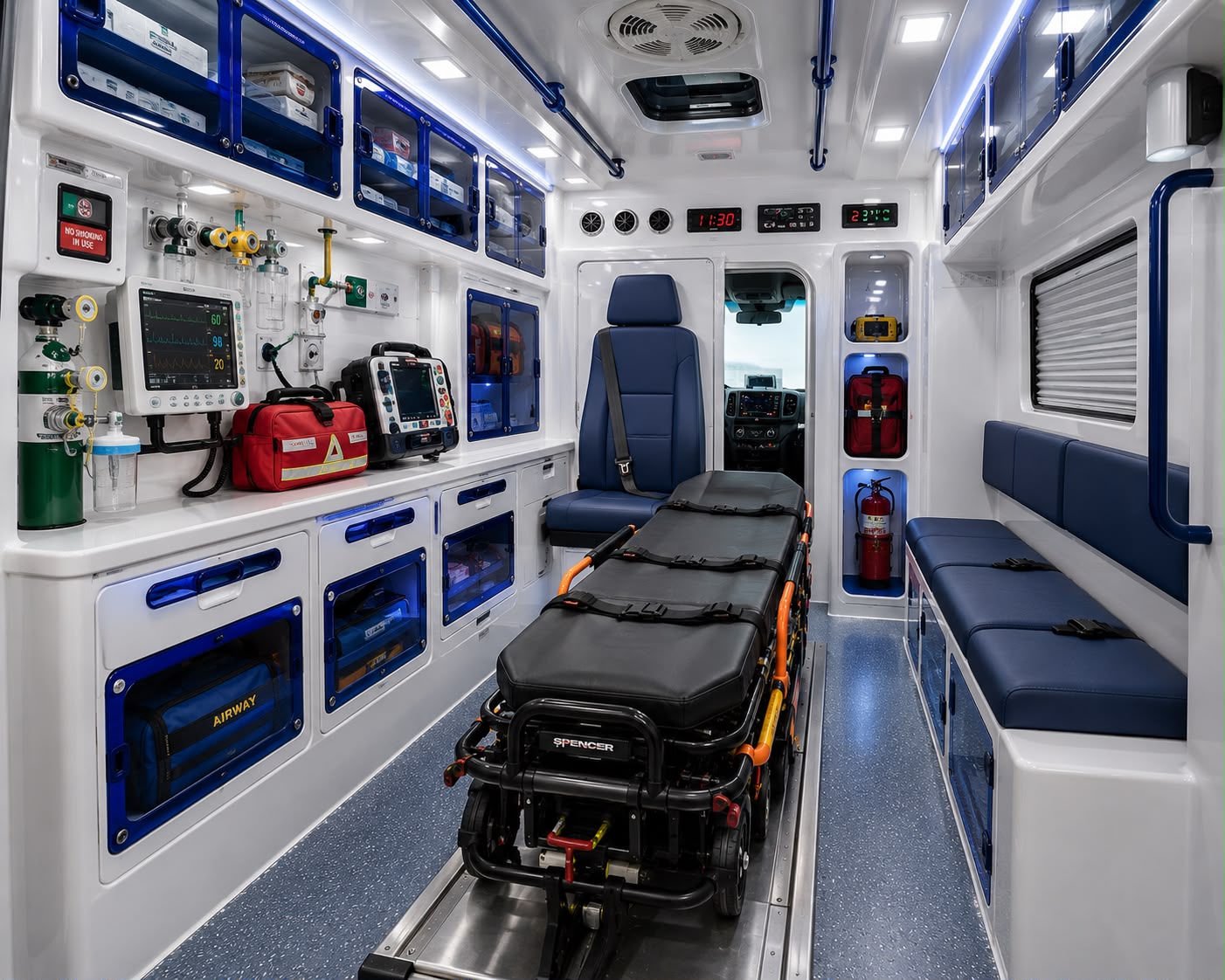
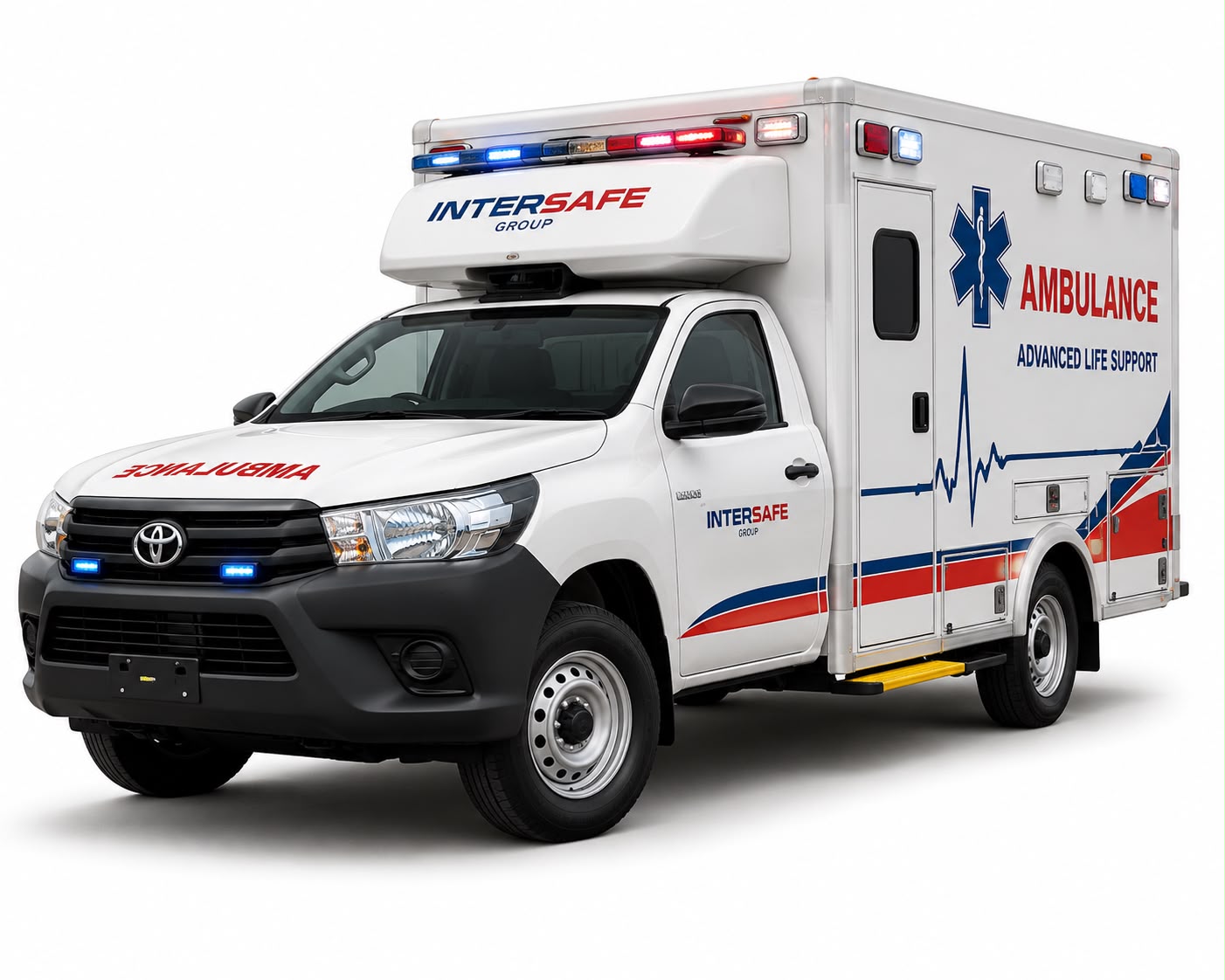
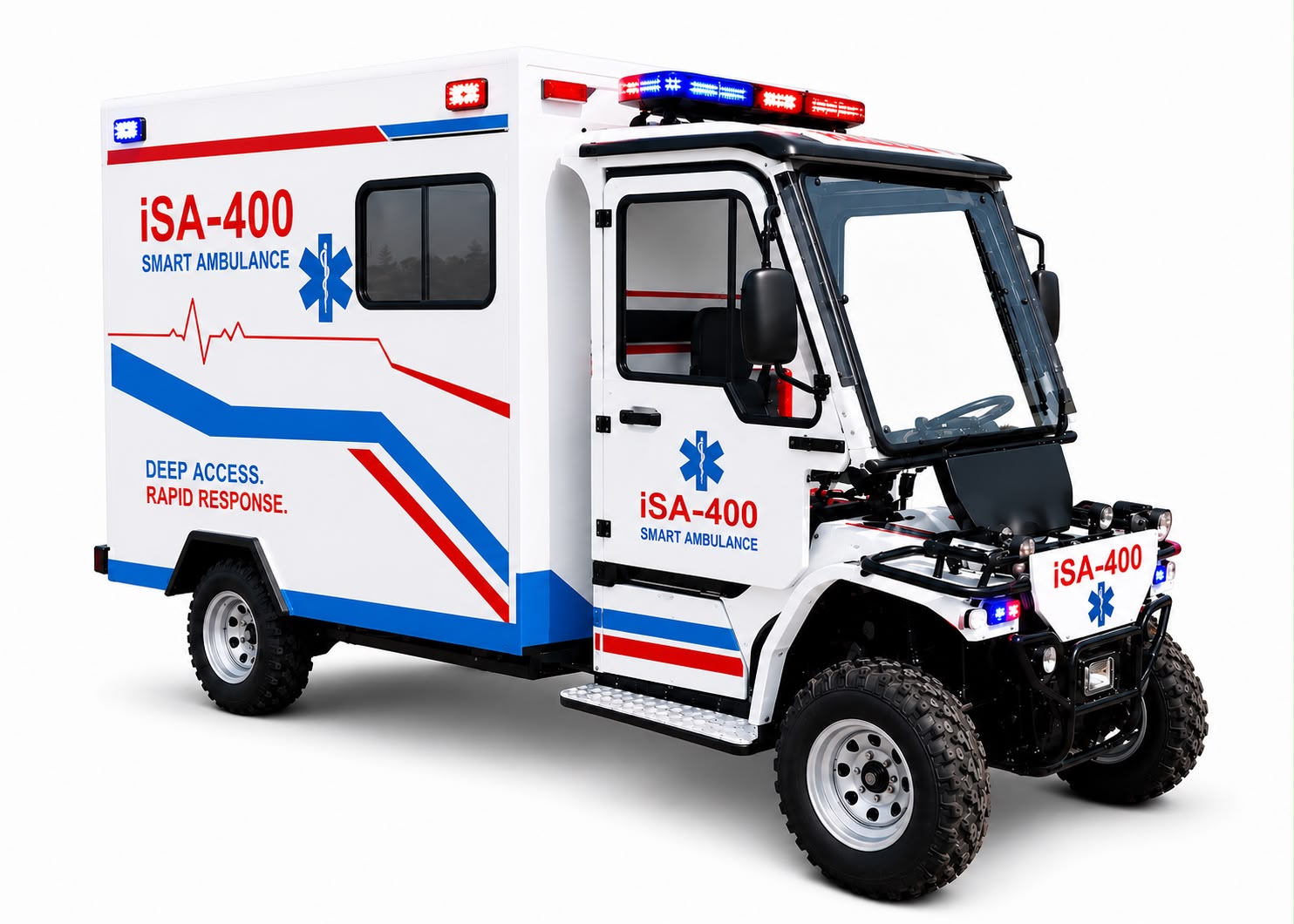
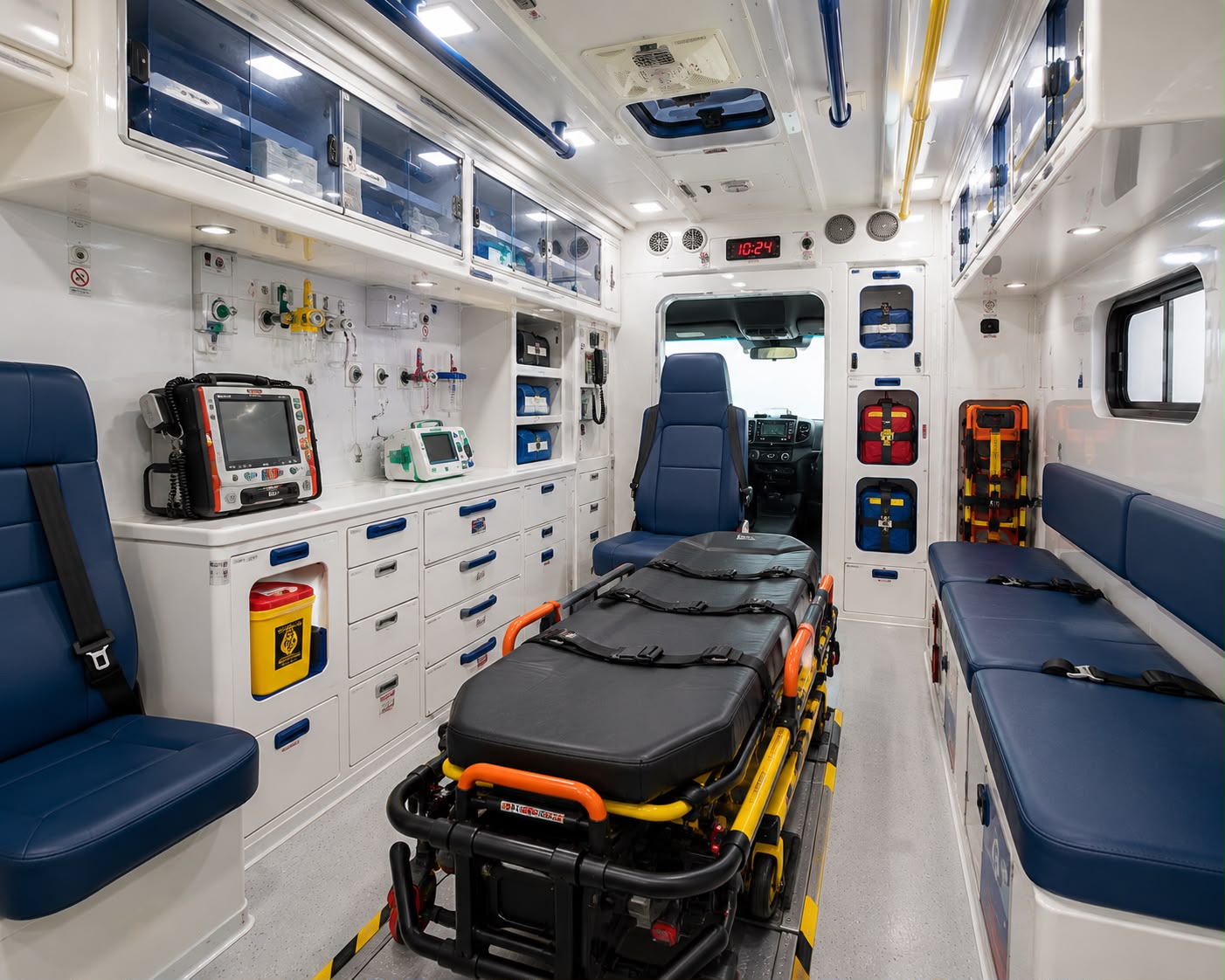
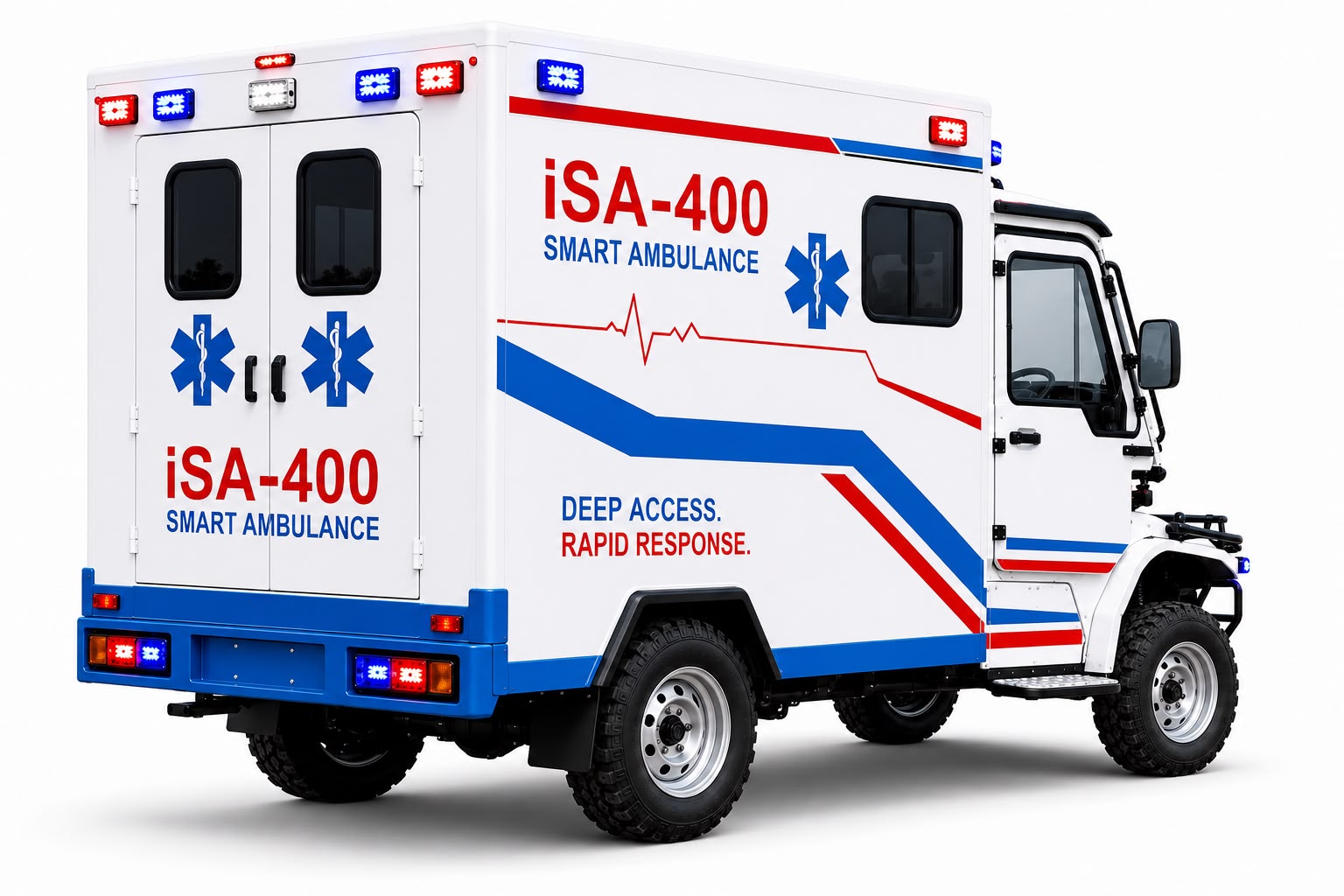
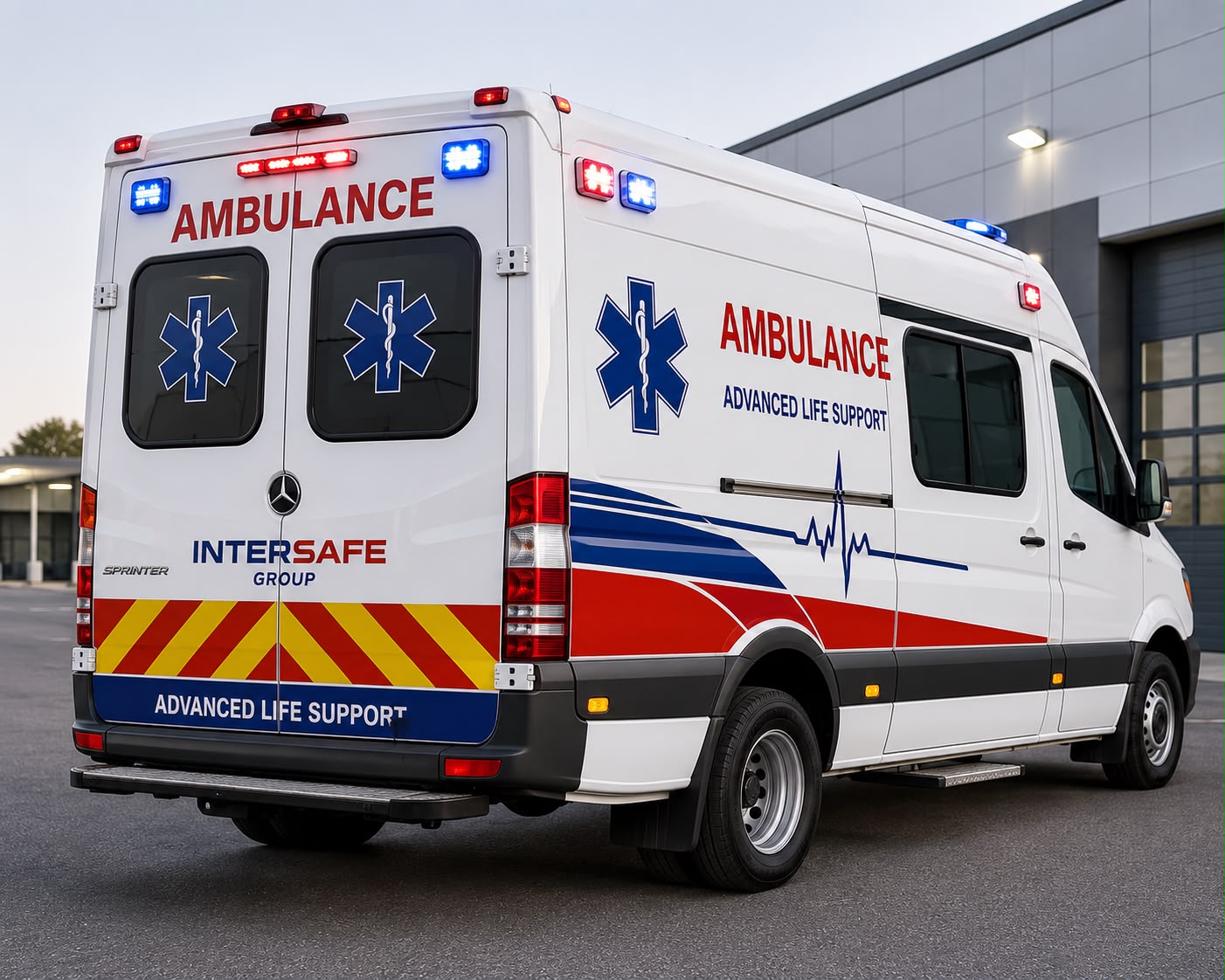
One of the proposed solutions is the iSA-400 Smart Ambulance, a compact emergency vehicle designed to operate on narrow roads, hilly terrain and remote locations where conventional ambulances may face challenges. Equipped with essential medical equipment for pre-hospital emergency care, the ambulance is intended to improve access to lifesaving services.
According to the project presentation, several iSA-400 Smart Ambulances can be deployed at a cost comparable to a single conventional ambulance, potentially allowing wider coverage and faster access to emergency medical assistance.
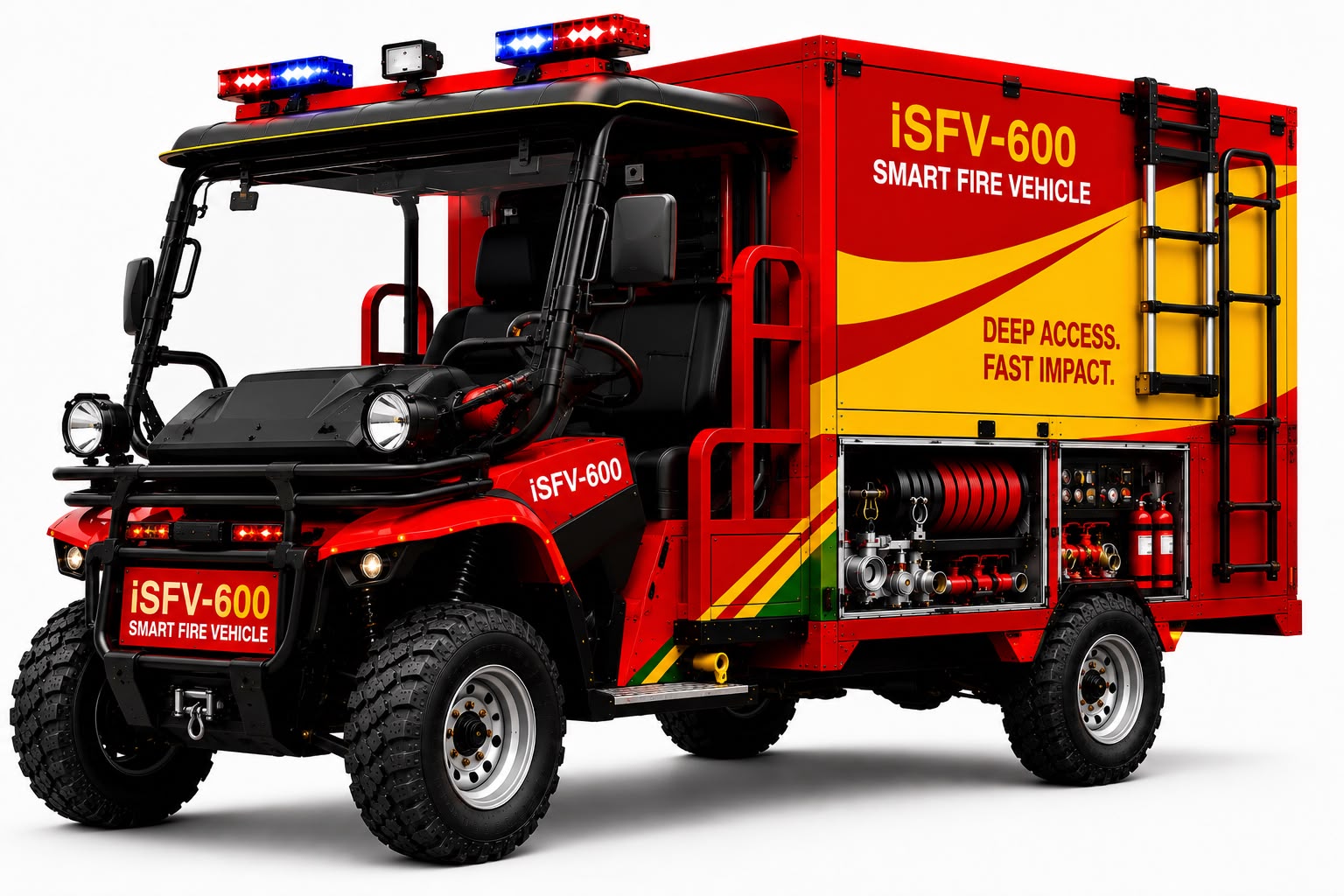
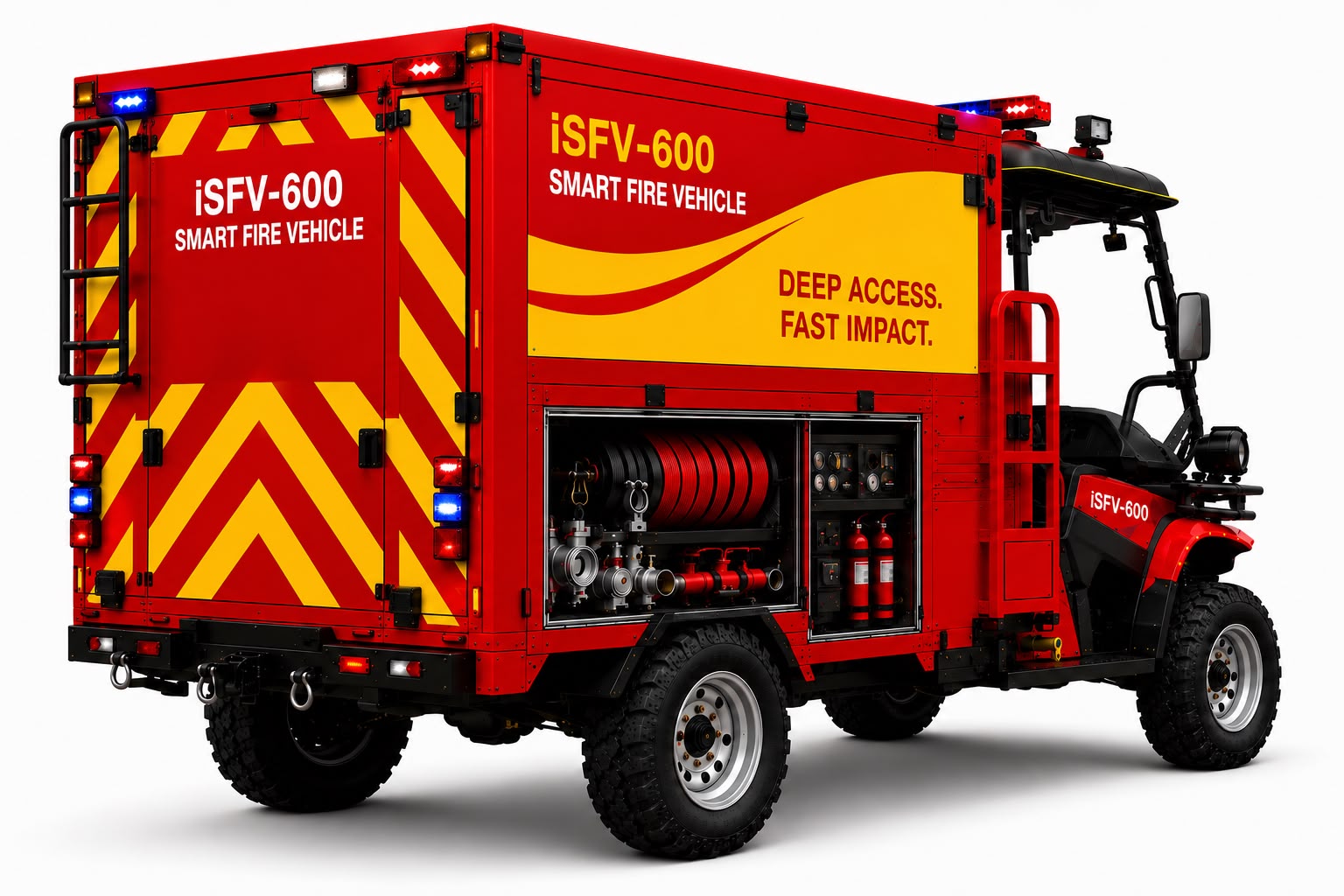
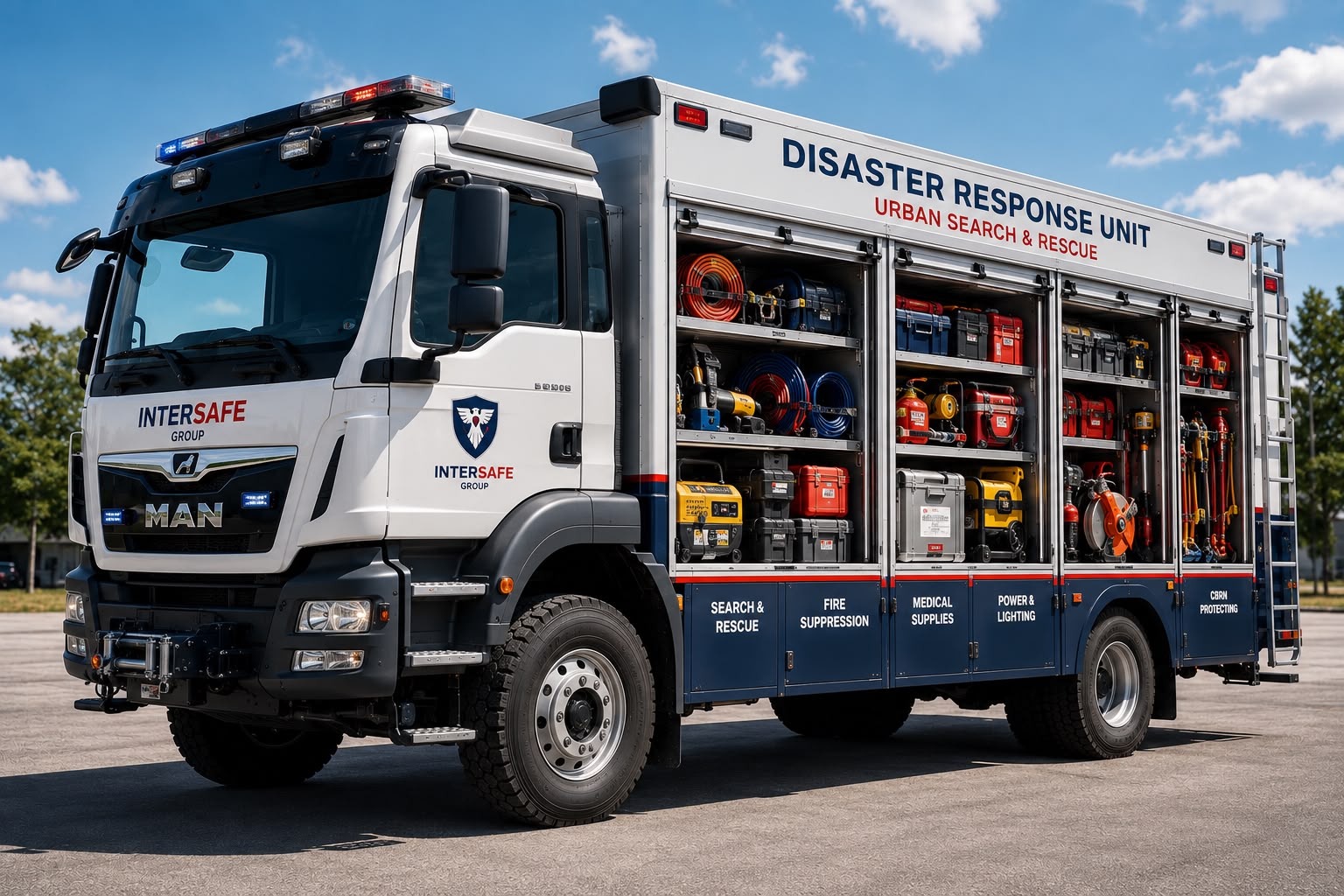
The initiative also proposes the iSFV-600 Smart Fire Vehicle, a rapid-response firefighting vehicle designed for urban areas, industrial zones, forests and road traffic accidents. Equipped with a high-pressure firefighting system and technology tailored for quick intervention, the vehicle is expected to strengthen firefighting capabilities and reduce losses caused by fires.
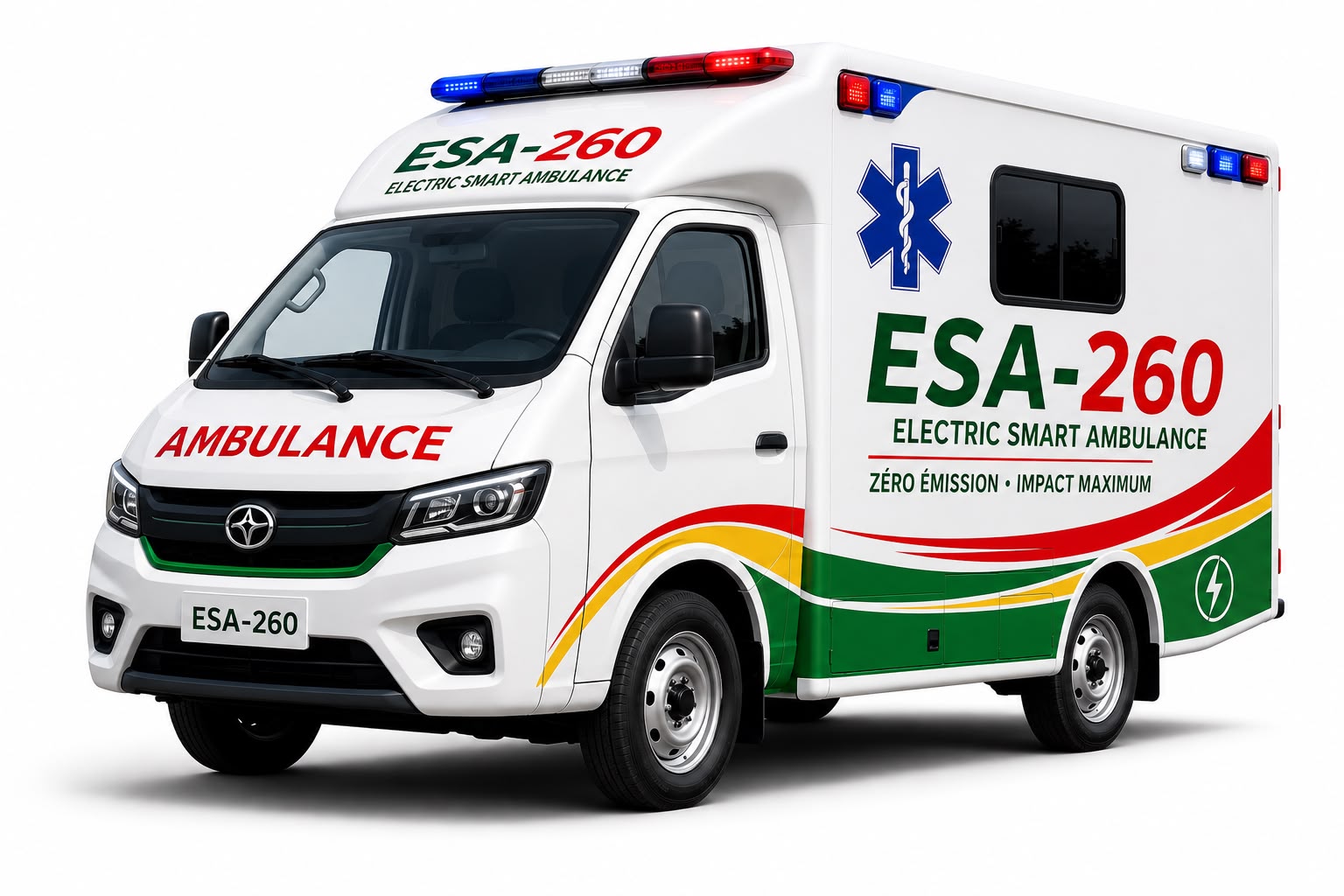
As part of its sustainability focus, the project includes the ESA-260 Electric Smart Ambulance, a fully electric emergency vehicle designed to reduce operating costs, lower carbon emissions and minimize the environmental impact of emergency services while maintaining the performance required for emergency operations.
Beyond vehicles and equipment, the project includes plans for a smart emergency response ecosystem built around an integrated command center, advanced communication systems, real-time monitoring platforms, data analysis tools and coordination mechanisms linking emergency teams, response centers and relevant institutions.
The system is intended to improve decision-making and operational efficiency by ensuring that responders have access to timely information and can coordinate more effectively during emergencies.
The pilot phase is expected to be launched in Kigali, featuring five strategically located response stations, ten smart ambulances and five smart firefighting vehicles supported by an integrated coordination and performance-monitoring system. The pilot is expected to run for approximately 12 months, covering preparation, deployment, testing and evaluation.
Its effectiveness will be assessed using key performance indicators, including emergency response times, geographic coverage, the number of interventions conducted, people assisted, equipment availability and community satisfaction. Data collected during the pilot phase will help evaluate its impact and guide decisions regarding possible expansion.
Rutagengwa said the pilot is intended to demonstrate the effectiveness of the model before it is gradually expanded to other districts across Rwanda.
The initiative will also focus on strengthening local capacity through training, knowledge transfer, institutional cooperation and continuous improvement of emergency services. It is envisioned as a model that can support broader efforts in innovation, community safety and sustainable development.
Rutagengwa emphasized that the project is not intended to replace existing emergency response systems but rather to reinforce and enhance them.
'We are not seeking to replace what is already working well. Our goal is to strengthen existing capacities so that we can reach more communities, respond to emergencies more quickly, and build an even safer and more resilient Rwanda.'
He said the initiative is guided by the objective of ensuring that emergency assistance reaches people when every second matters.
'Our work is driven by one fundamental objective: to make every minute count in saving the life of someone in danger,' he concluded.