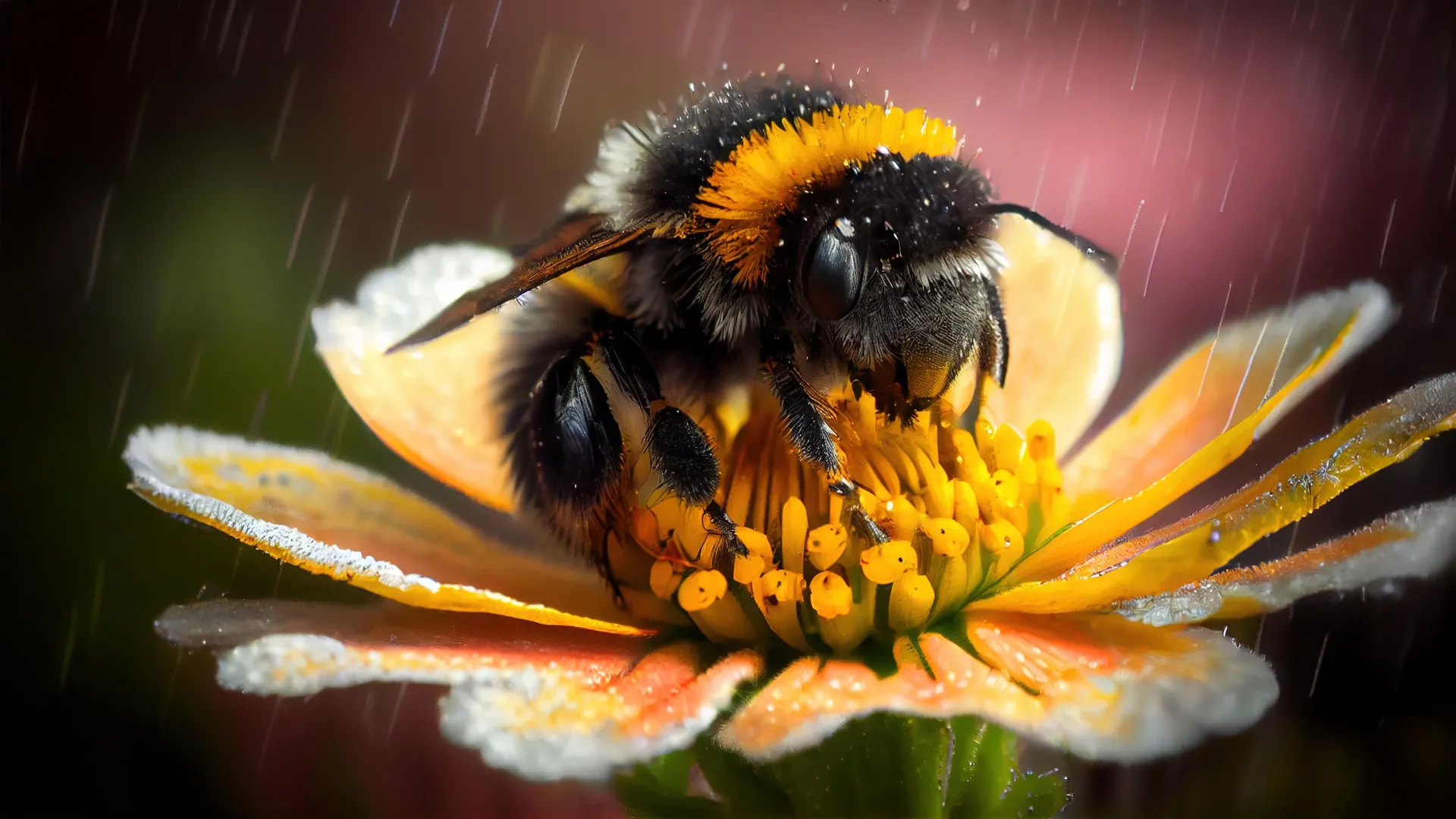

A widely used pesticide designed to protect crops from harmful insects may also be affecting the reproductive health of bumblebees, raising concerns about the long-term survival of one of the world's most important pollinators.
Researchers from the Georgia Institute of Technology found that low levels of exposure to sulfoxaflor, a modern pesticide used against crop pests such as aphids, can alter gene activity in bumblebees, especially in tissues linked to reproduction.
Bumblebees play a crucial role in global agriculture by helping pollinate many crops.
Scientists estimate that pollinators contribute to about one third of the world's food production, making their protection essential for food security.
Although sulfoxaflor was developed to target harmful insects and improve crop production, researchers say its effects on beneficial insects such as bees need greater attention.
The chemical is already known to be toxic to bees, but the new study reveals how even small amounts may affect their biology at the molecular level.
The research team exposed worker bumblebees to low doses of the pesticide and later examined changes in their gene expression.
The greatest changes were found in ovarian tissues, suggesting that the chemical may interfere with reproductive processes and reduce the number of offspring produced by bee colonies.
To understand the impact, scientists analyzed bee tissues and studied RNA activity, which helps reveal how genes respond to environmental stress.
They also used computer models to identify the biological systems most affected by pesticide exposure.
Researchers say the findings provide an important connection between molecular changes inside bees and possible consequences for entire colonies.
Reduced reproduction among bumblebees could eventually contribute to population declines and threaten pollination systems that agriculture depends on.
The study highlights a major challenge facing modern farming: finding ways to control crop-damaging pests while protecting beneficial insects.
Scientists say better pest management strategies are needed to maintain healthy bee populations while ensuring reliable food production.
Beyond pesticides, bumblebees are also facing other environmental pressures, including rising temperatures and more frequent heatwaves, which add further stress to already vulnerable populations.
Researchers hope that a better understanding of how chemicals affect pollinators will help farmers and policymakers develop safer agricultural practices that protect both crops and the insects that support ecosystems worldwide.