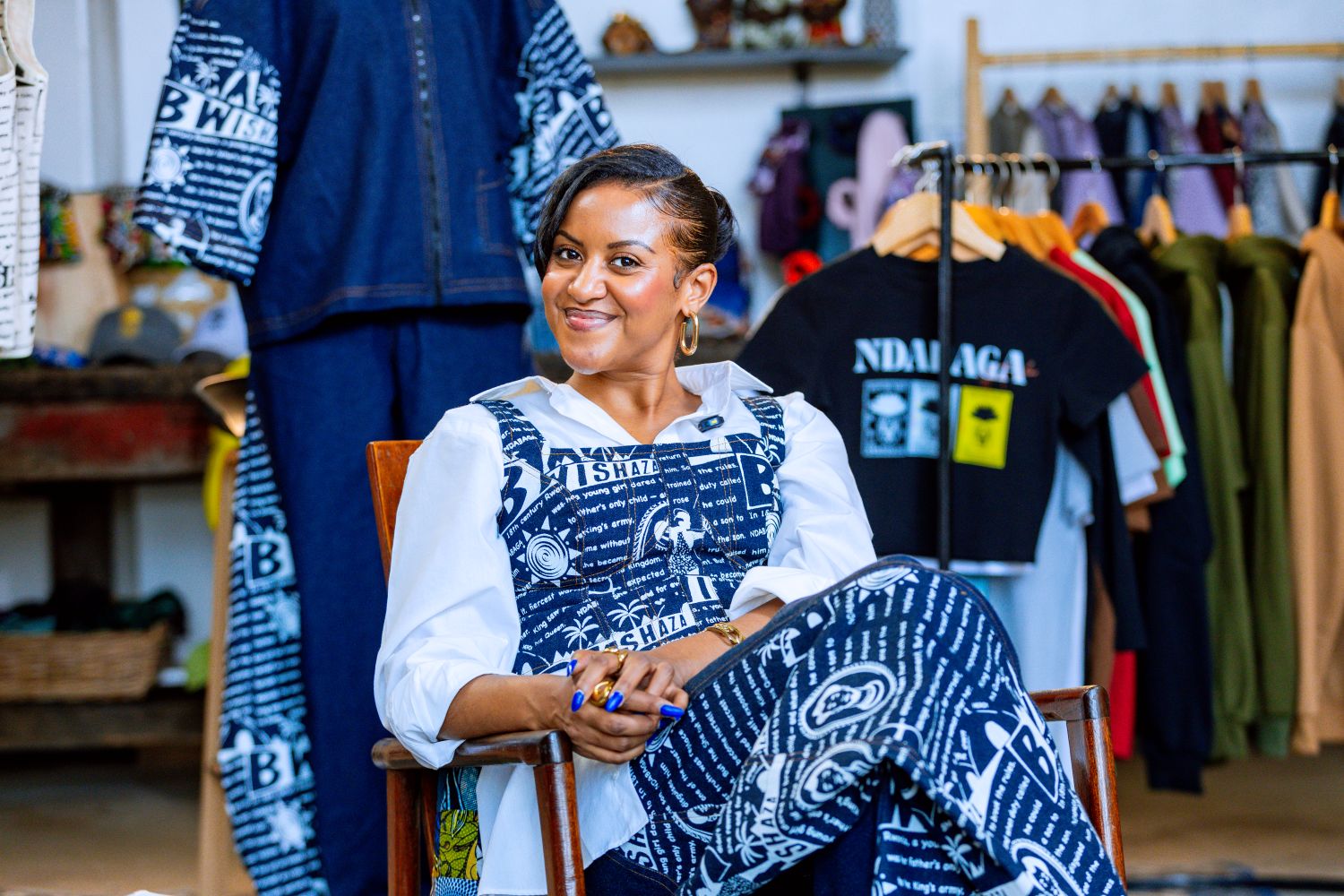

Born of a multicultural background and shaped by experiences across France, Cameroon, the United Kingdom, and Rwanda, Elodie describes herself as someone whose identity has always been deeply connected to fashion.
'I literally used to dress myself from the age of three… I was very much of a tomboy when I was young,' she recalls, explaining that her creative instincts started early and were influenced by a mix of cultures and personal expression.
Before Ndabaga Streetwear became an independent brand, it began as a collection under her earlier fashion label, Izubaa. It was during her design exploration in Rwanda that Elodie discovered the inspiration that would define her next chapter.
While researching Rwandan cultural narratives, she encountered the story of Ndabaga, a legendary female warrior whose courage and sacrifice deeply resonated with her.
'It was just an animation that I found on YouTube, but I strongly connected with it, and I knew from the moment that I connected with it, I had to do something with it,' she explains.
That emotional connection became the foundation of what is now Ndabaga Streetwear. Initially a collection, it later evolved into a standalone brand in 2025, driven by growing demand and a clear creative direction.
Why streetwear?
Elodie's shift into streetwear was not accidental; it was informed by consumer behavior and her own design instincts.
'When I released the collection… we realised that our best sellers were our t-shirts,' she says, referring to early designs that resonated strongly with young audiences.
She adds that streetwear felt like the most natural evolution: 'When I think of something that is modern, I think about streetwear… everybody wears jeans, hoodies… it's very now, it's just who I am.'
For Elodie, streetwear is not just fashion; it is accessibility, identity, and everyday expression.
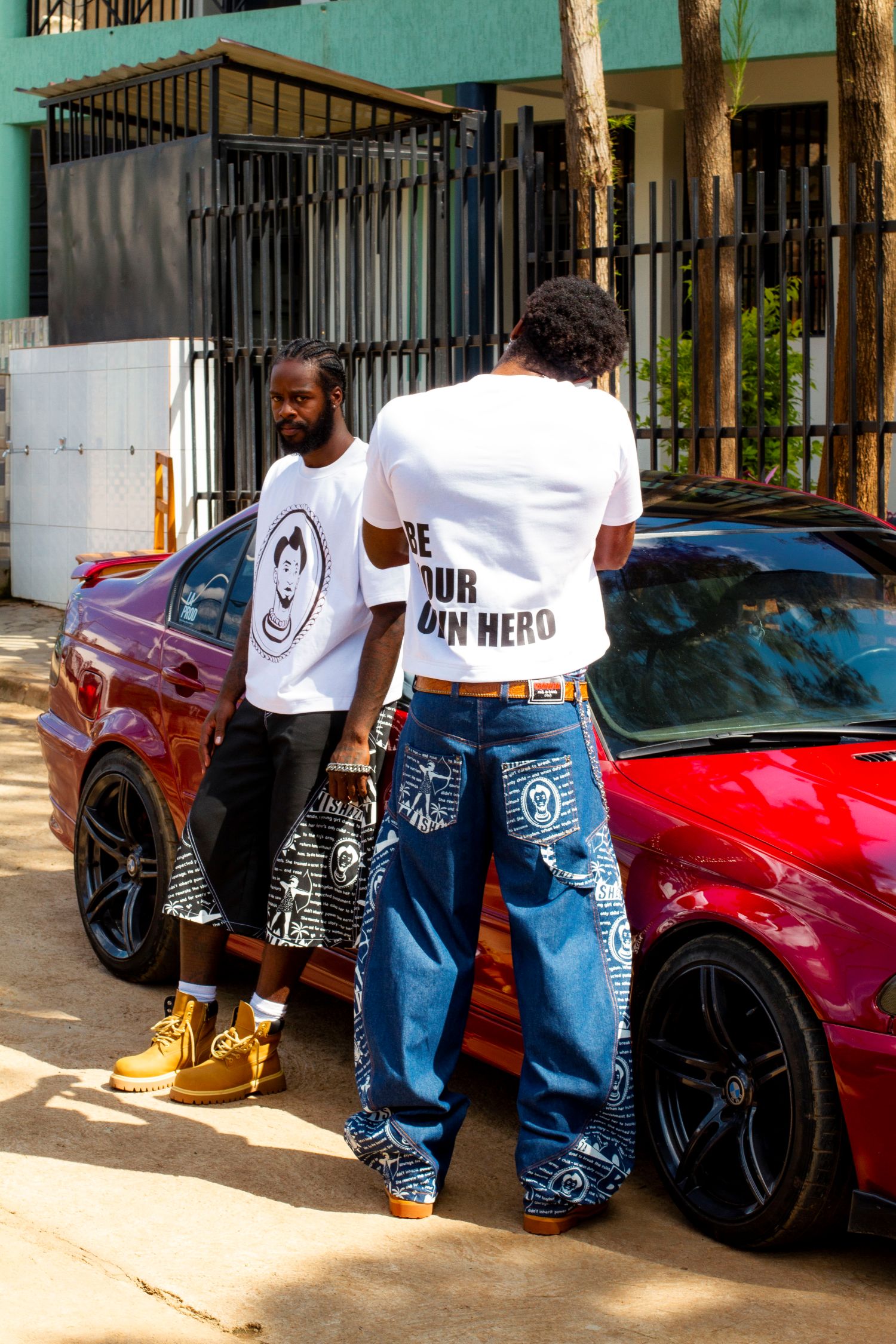
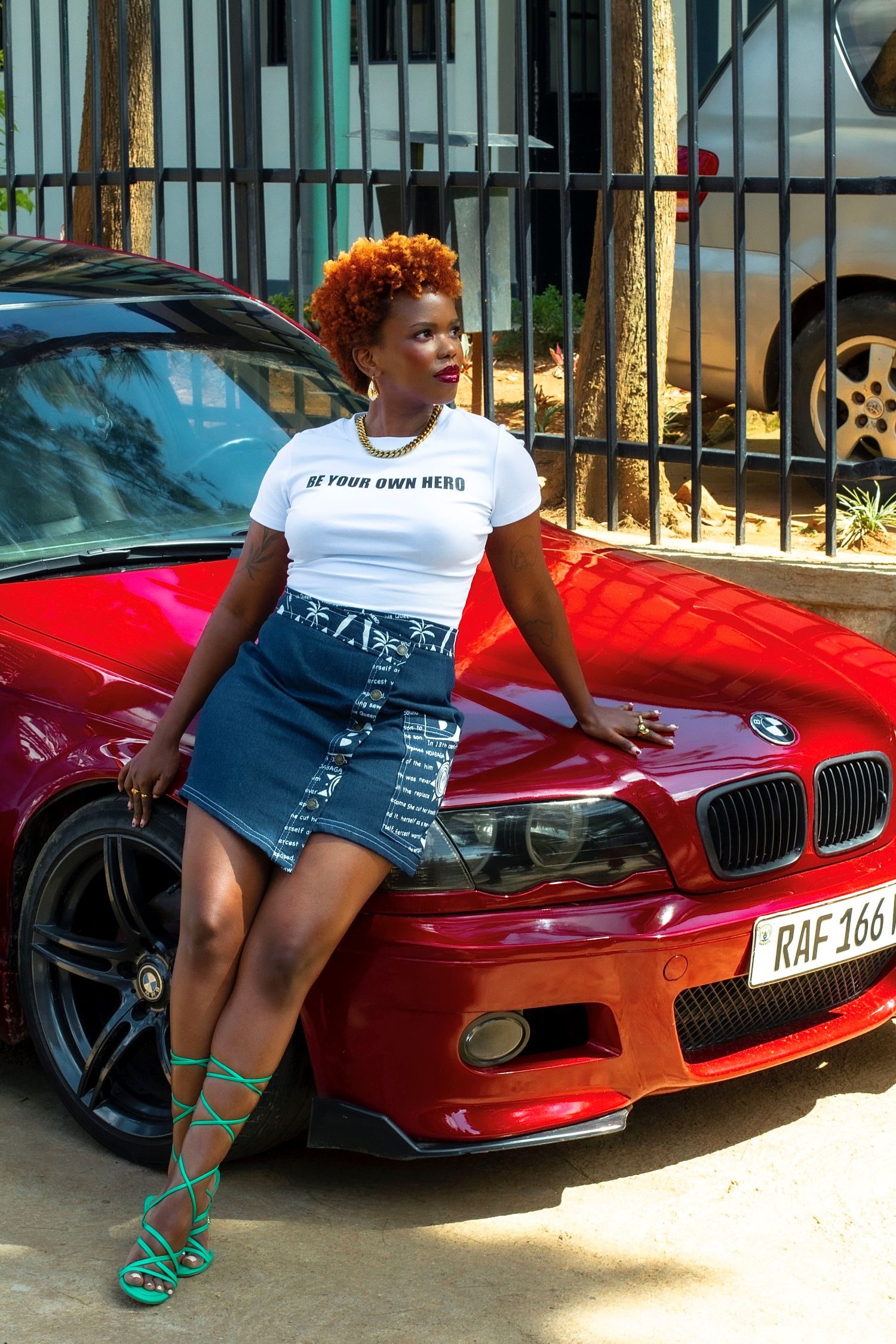
At the core of Ndabaga Streetwear is a deeper philosophy that goes beyond garments. Elodie emphasizes that the brand is not just about clothes, but about meaning: 'Ndabaga is more than fashion; it's a story of resilience, it's a story of courage and strength, and we want to inspire everybody to be their own heroes.'
This idea of personal empowerment runs through every design. The brand encourages people to see themselves as 'their own heroes,' regardless of their background or challenges.
A creative process rooted in storytelling
Elodie's design process is highly narrative-driven. Each collection begins with a story before evolving into visuals and garments.
'For me, it starts with storytelling… what am I saying through the clothing?' she explains.
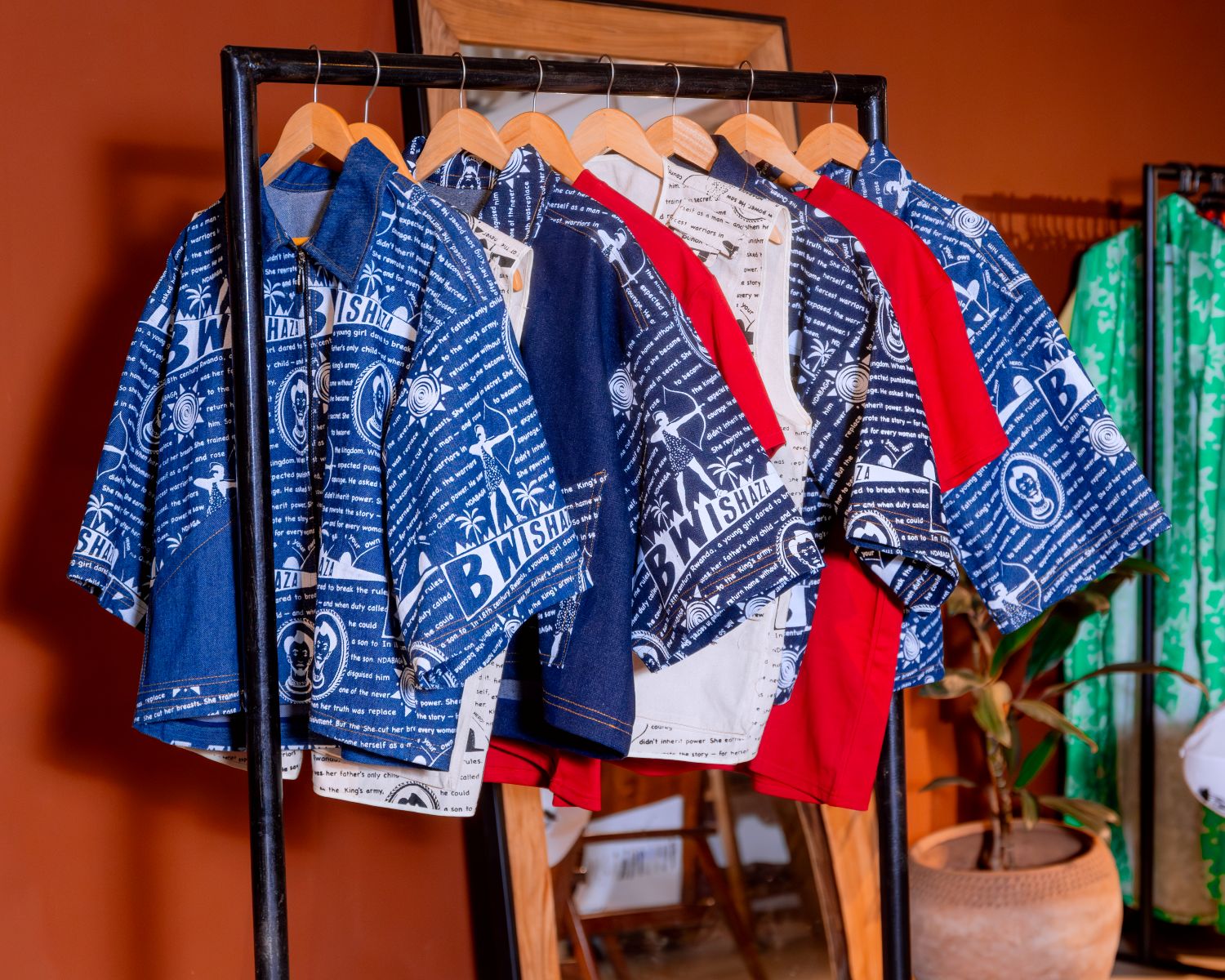
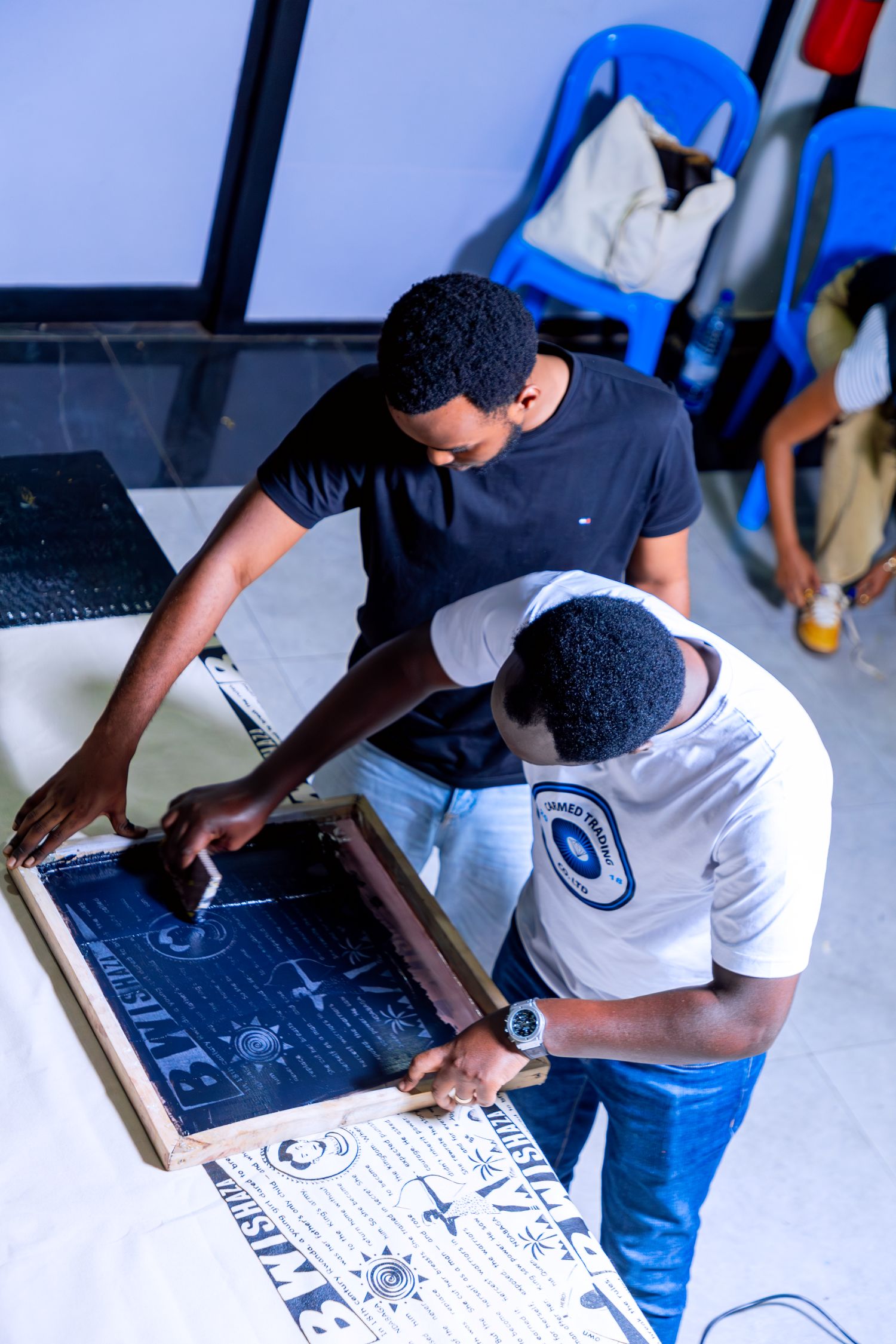
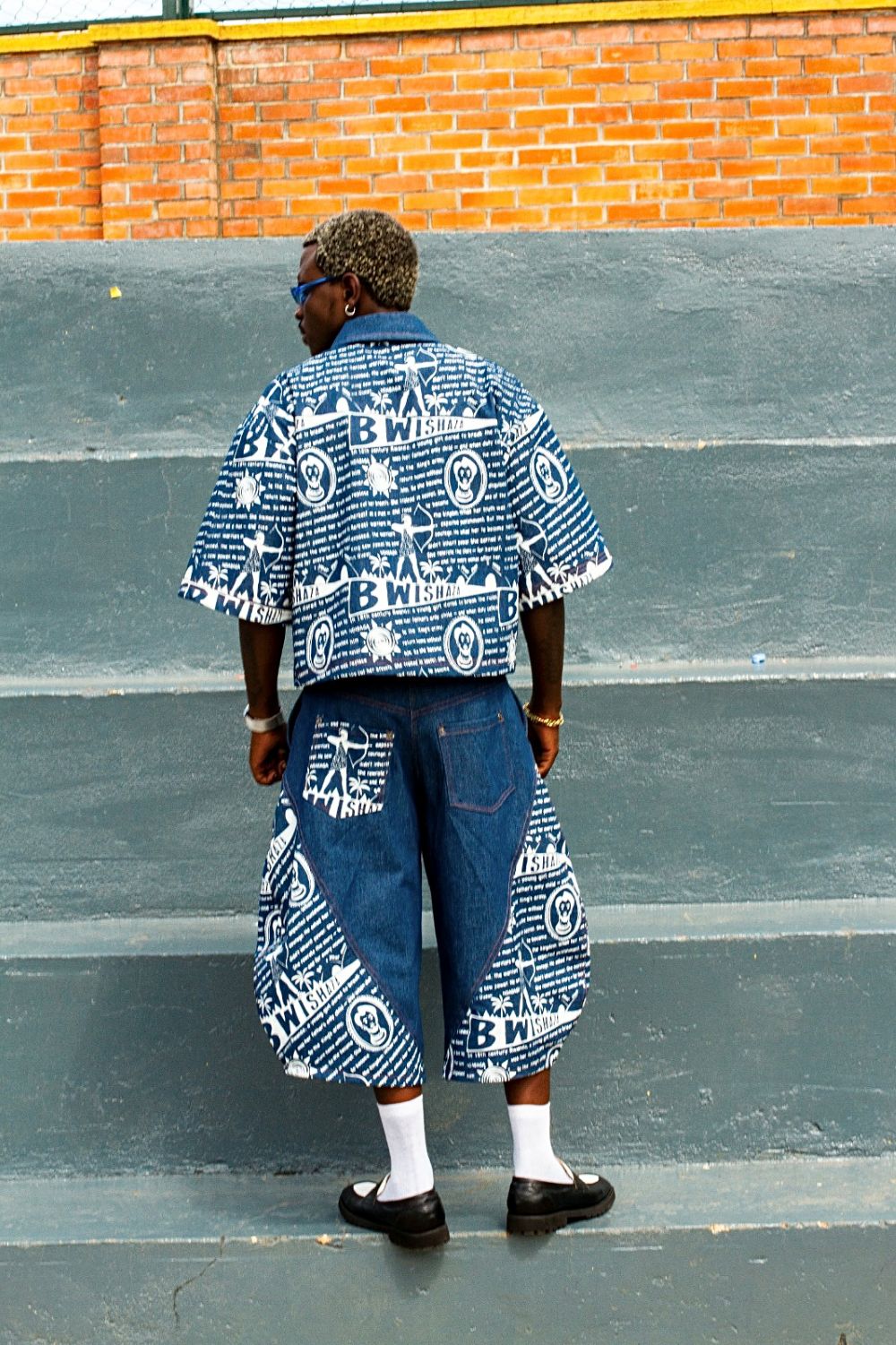
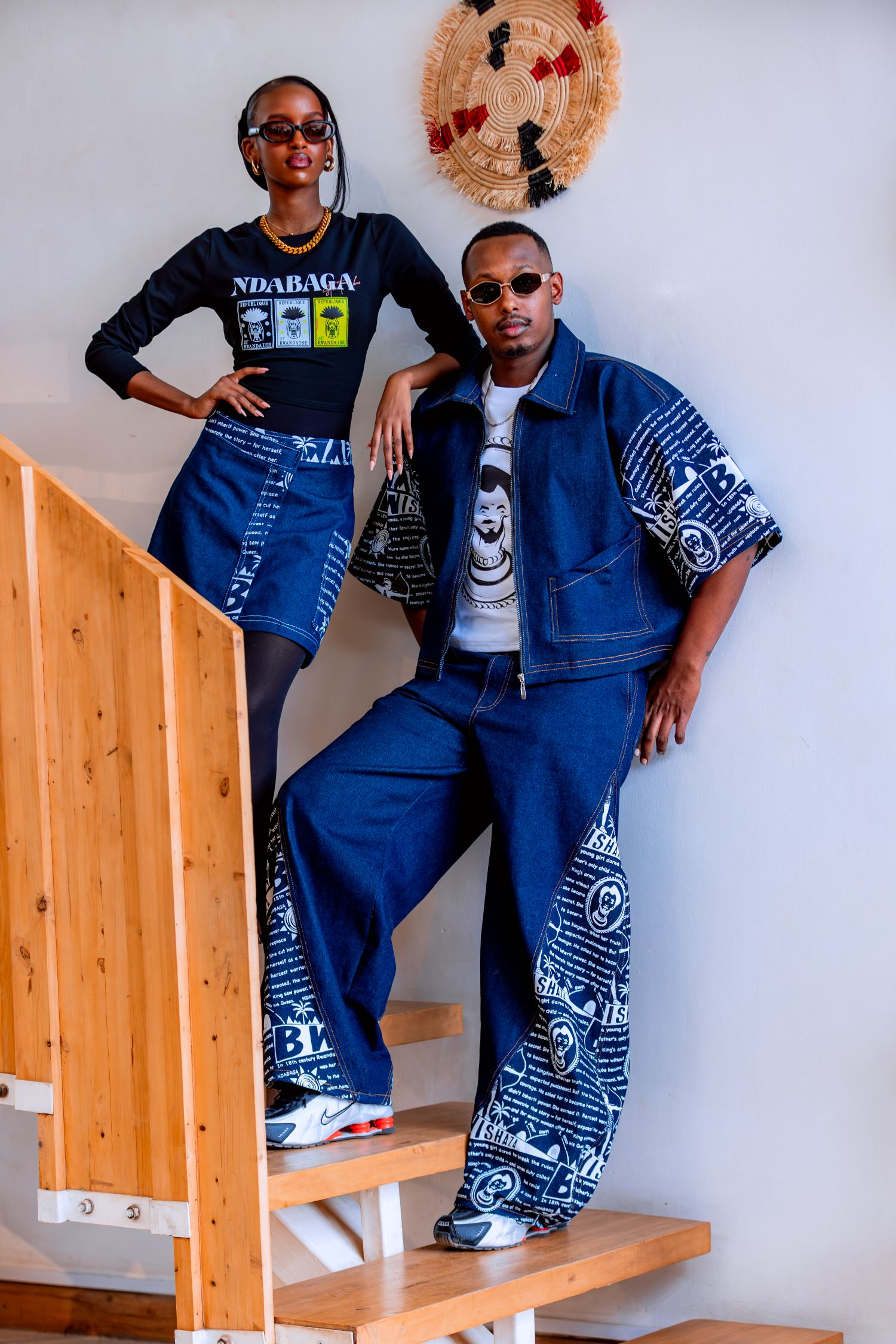
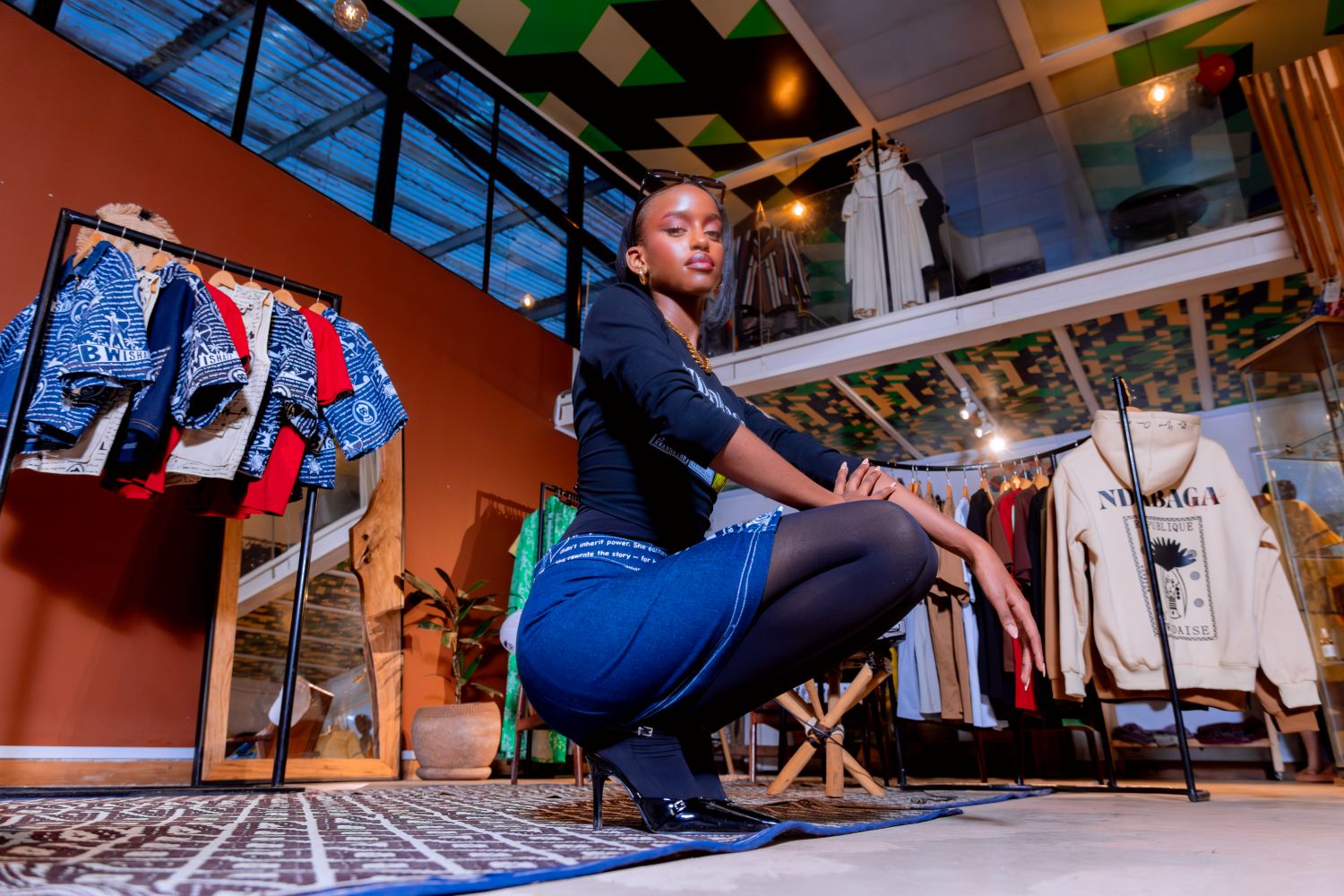
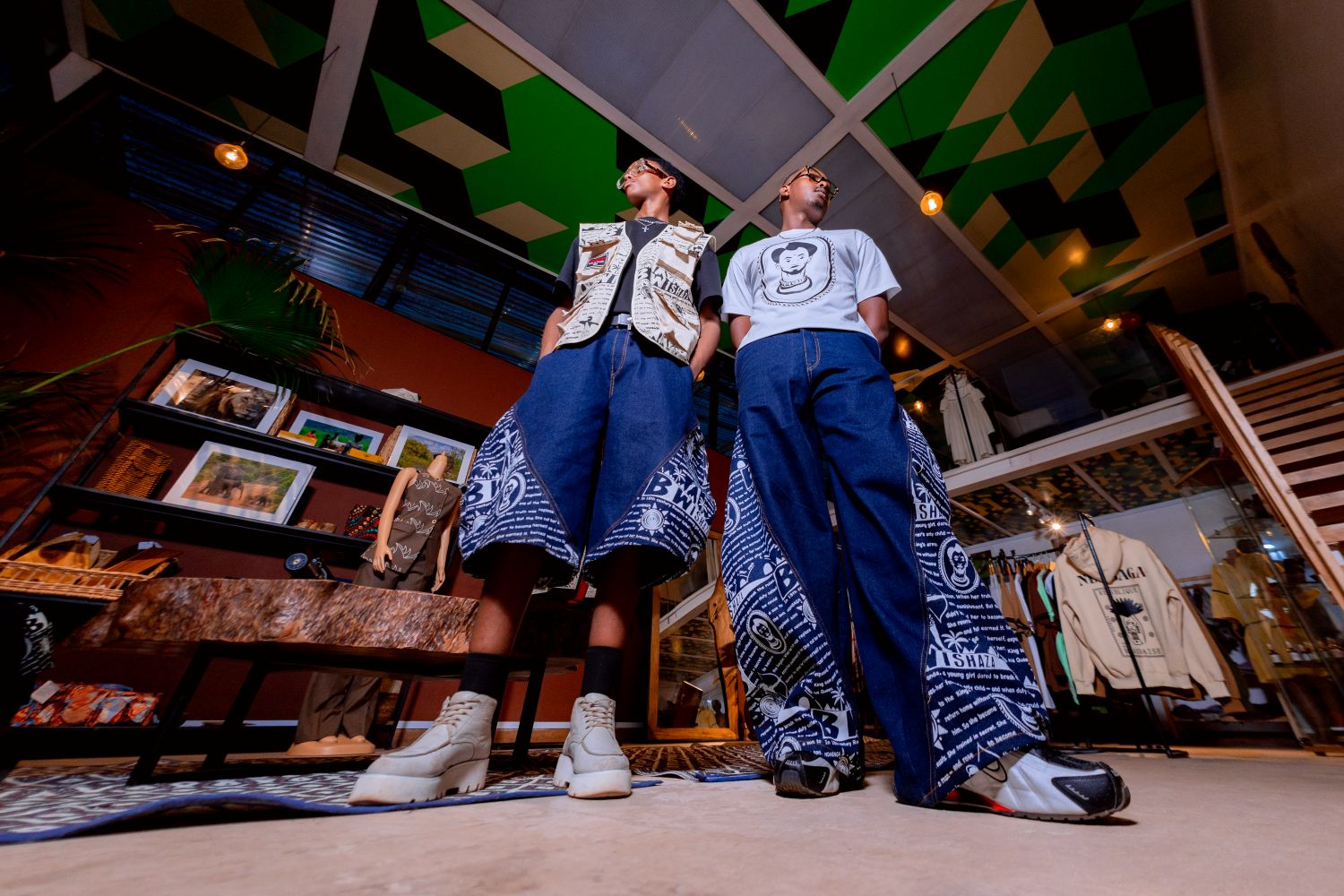
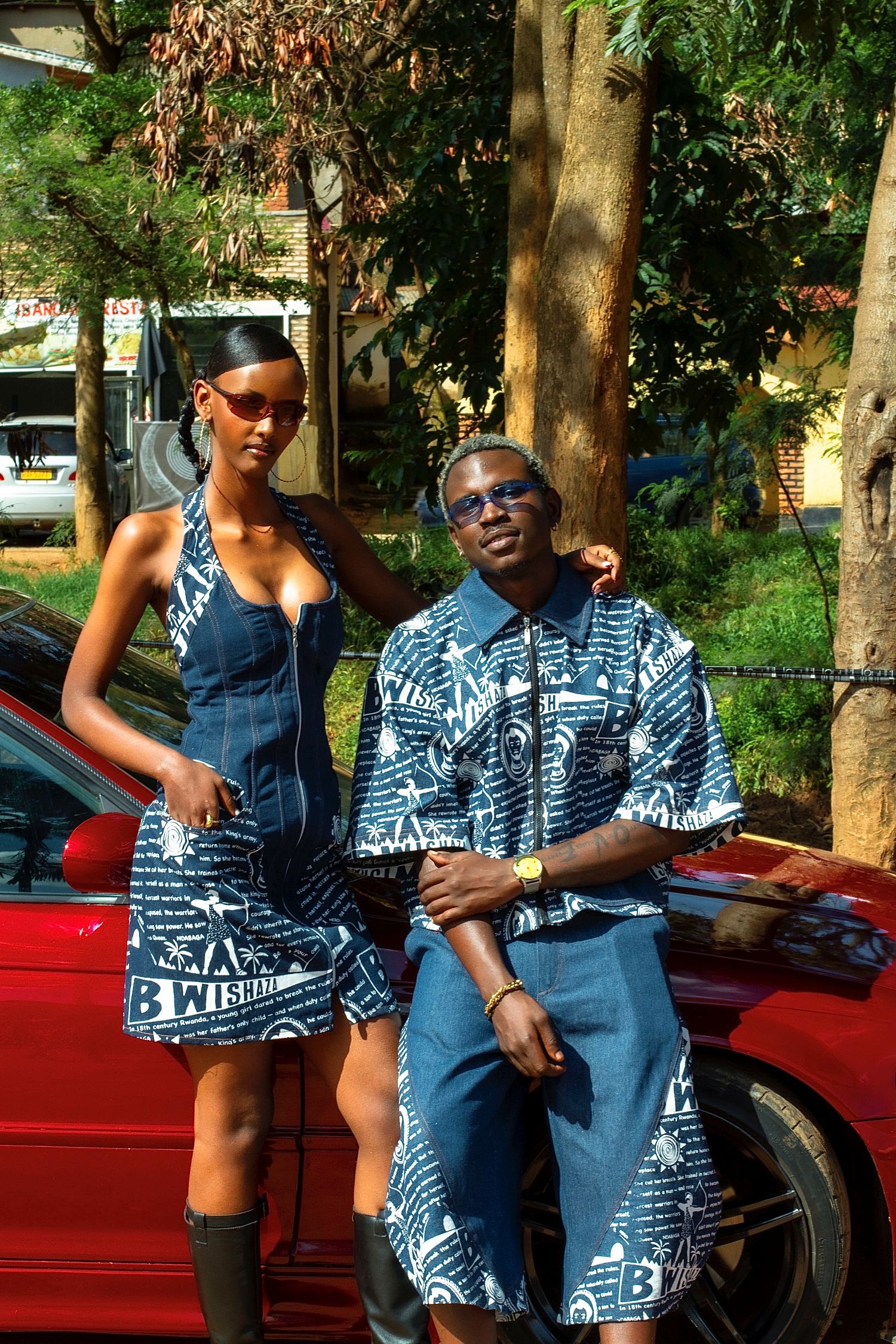
One of her most notable collections, Ndabaga: The Story, takes consumers through the life of the warrior figure through printed visuals and written elements directly on garments.
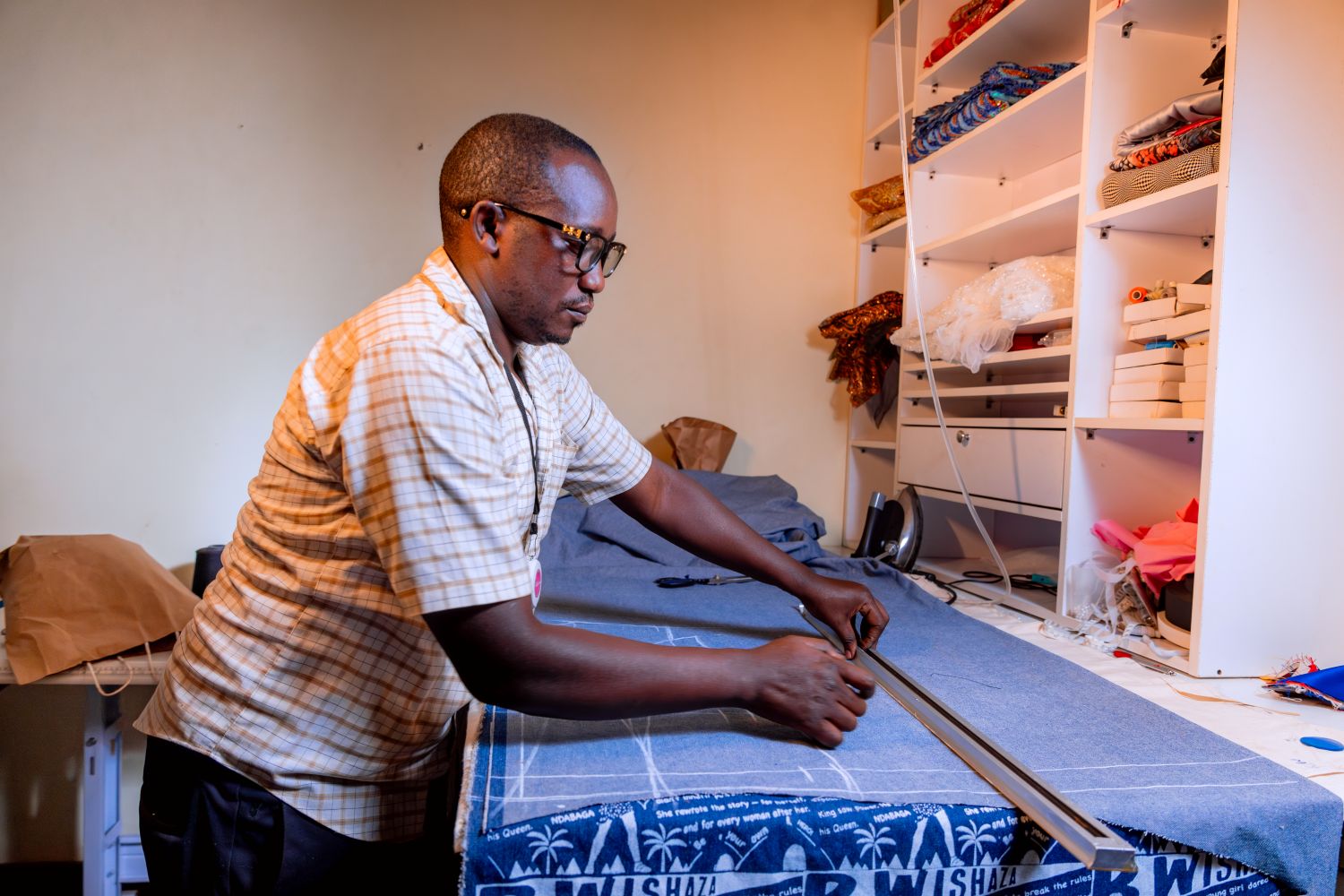
Every piece is designed and produced in Rwanda using premium materials and meticulous craftsmanship, reflecting the brand's commitment to quality as much as storytelling.
She describes how personal history also influences her work. One of the prints, she explains, was inspired by a shirt her father used to wear in Burundi. That emotional link helped shape the visual identity of the collection, merging personal memory with cultural storytelling.
While deeply connected to Rwanda, Elodie's ambition extends far beyond local borders. She sees Ndabaga Streetwear becoming a global African fashion brand.
Her international ambitions are already taking shape. Earlier this month, Fromenteau collaborated on the creative design of the Visit Rwanda × Paris Saint-Germain (PSG) 'Ici C'est Paris' collection, further strengthening her growing international profile.
'Our vision is quite simple. We want to go global… to establish Ndabaga Streetwear as one of the biggest African fashion brands globally,' she says.
Her expansion goals include establishing stores in major fashion capitals such as New York, London, Paris, Belgium, South Africa, and Kenya. She also envisions collaborations with artists across music, sports, and creative industries.
Rwanda's fashion industry: growing, but full of potential
Elodie is optimistic about the current state of Rwanda's fashion ecosystem. She believes it is still in its early stages but filled with opportunity.
'It is very exciting to be a designer in Rwanda at the moment… there's still a lot of opportunities for new upcoming designers,' she notes.
She also highlights the growing appreciation for locally made products, particularly among young people, saying there is a rising pride in 'Made in Rwanda' fashion.
Looking ahead, Elodie sees Ndabaga Streetwear contributing not only to fashion but also to broader creative and economic growth.
'As we grow, we're going to hire a lot more people… and collaborate with artists, connecting global creatives with local talent,' she explains.
For her, the brand is part of a bigger ecosystem: one where storytelling, identity, and collaboration drive both cultural and economic impact.
'Go big or go home'
Reflecting on her journey so far, Elodie expresses gratitude for the rapid growth and emotional connection people have formed with the brand.
'We've received so much love… people really connect with the story,' she says.
That emotional connection, she believes, is what has fueled the brand's early growth. 'People don't just buy the clothes, they buy into the story,' she says.
And when asked about her long-term ambition, her response is direct: 'We want to go big. And that's it. That's the only way.'
From a personal inspiration discovered in cultural research to an emerging African fashion label with global ambition, Ndabaga Streetwear is positioning itself as more than a brand; it is a narrative of identity, resilience, and creative evolution led by Elodie Fromenteau.
Watch the full video below to learn more about Elodie Fromenteau's journey building Ndabaga Streetwear.