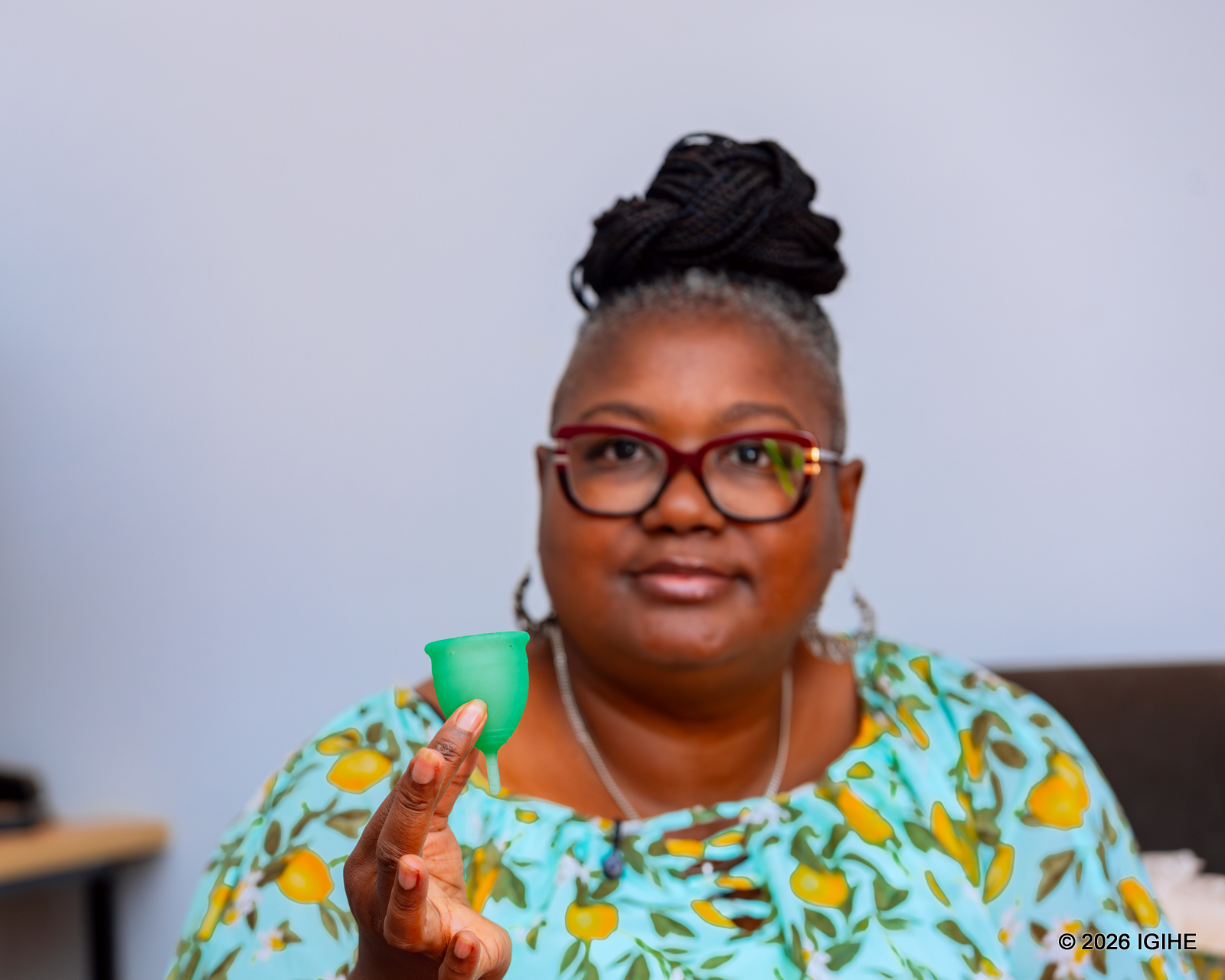

For years, Mwalimu kept the experience largely to herself. Her mother could not talk about it either, she says, and the subject remained something she was expected to leave in the past.
But she could not simply move on.
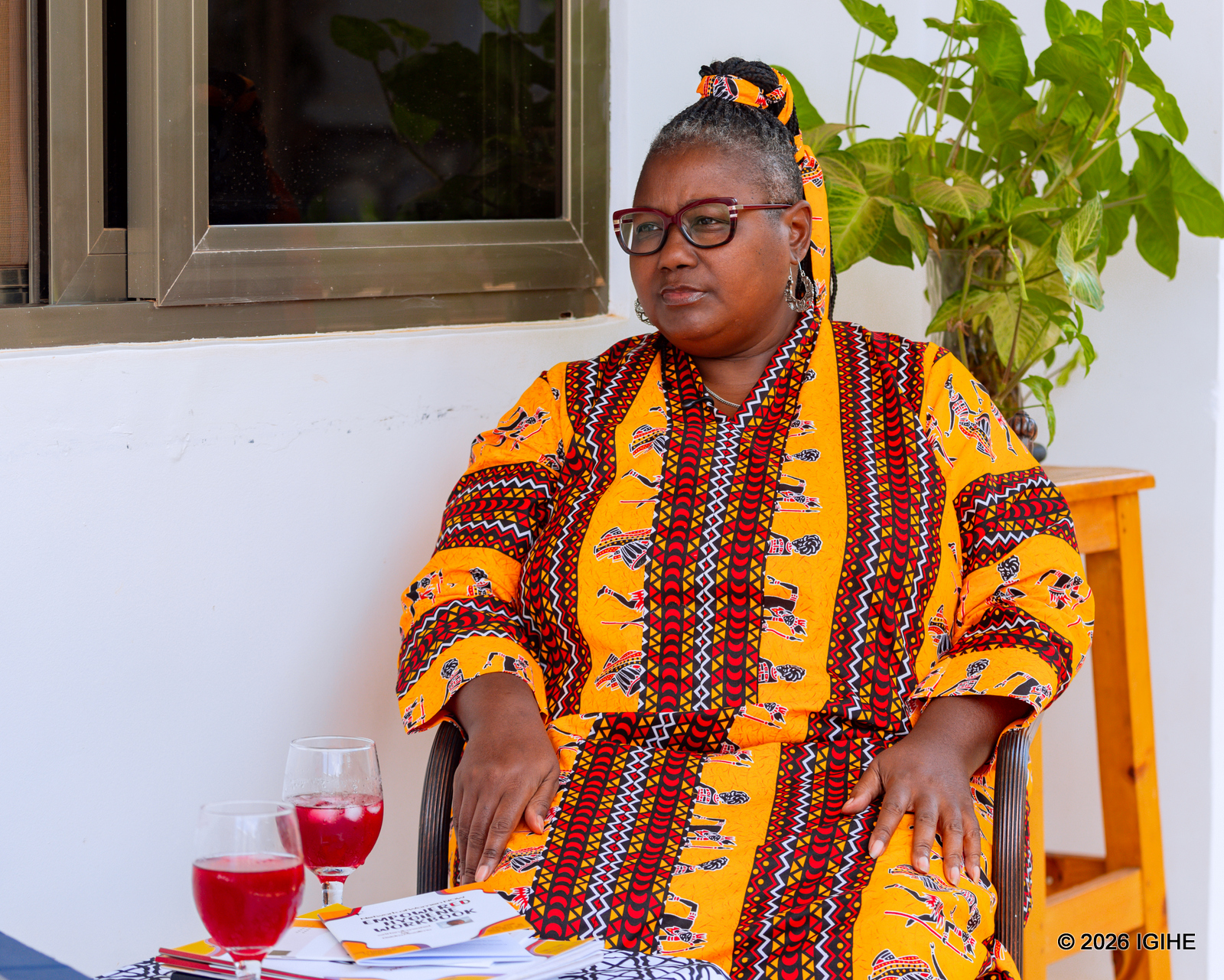
That experience eventually became part of the reason Mwalimu founded Network of Women Now, an organisation focused on reproductive and menstrual health education, women's empowerment and economic opportunities.
Today, more than 15 years into her work in nonprofit leadership and international development, she is taking that mission to women and girls in Rwanda, where she says she wants young people to have the information and confidence she did not have at 15.
'At 15, if I knew the information that I have now, probably what happened to me would have never happened,' she says.
A decision she could not make for herself
Mwalimu says the circumstances surrounding her sterilization were deeply traumatic.
When she refused to go for treatment, she says doctors and the legal system put pressure on her mother, warning that her other children could be placed in foster care if she did not bring Mwalimu in.
Her mother was therefore forced to make a decision that Mwalimu believes was devastating for both of them.
'That's a hard thing for a woman and a mother to do,' she says.
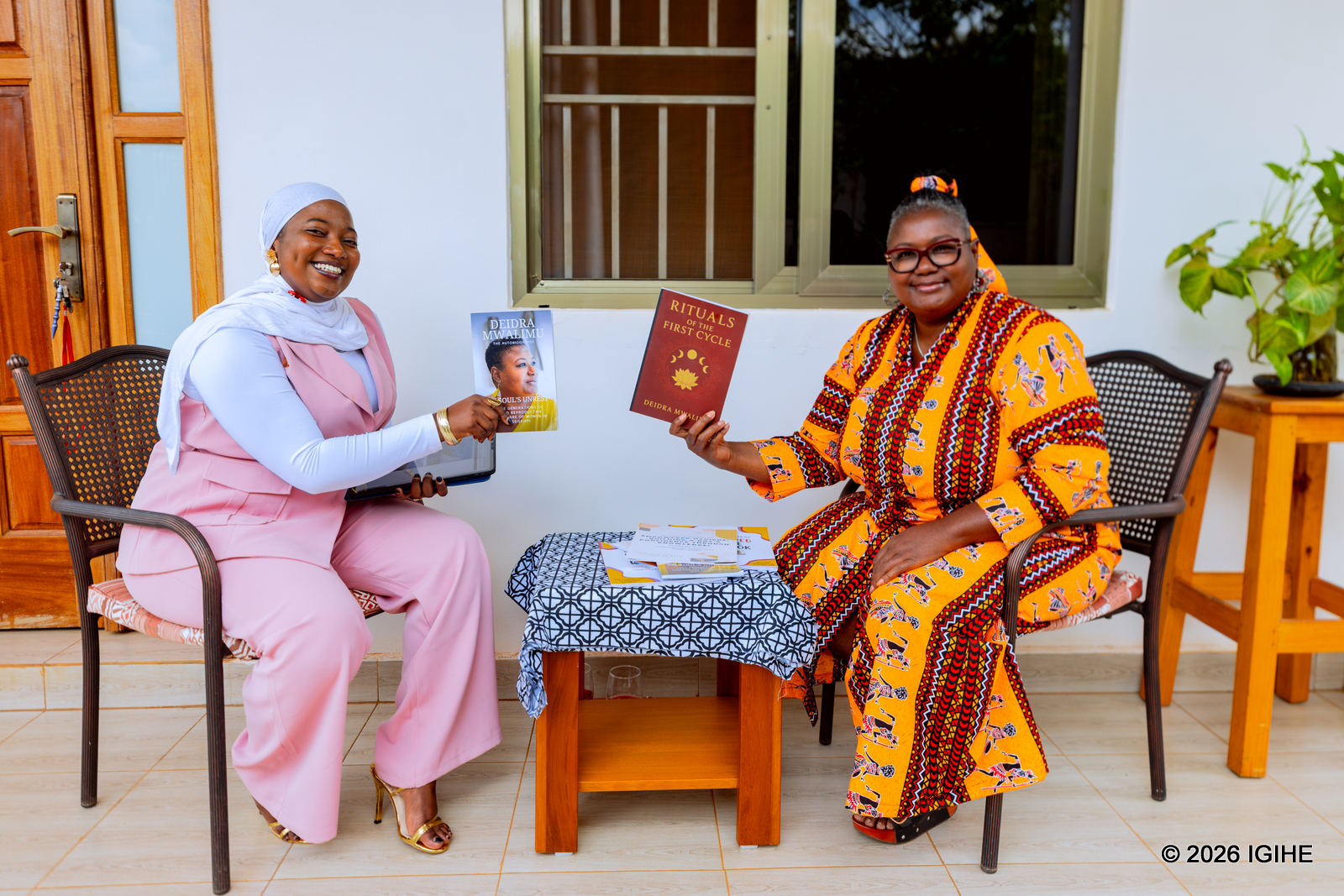
The experience was not isolated within her family. Mwalimu says her mother and grandmother had also been sterilized, leaving three generations with experiences of reproductive healthcare that she would later explore in her writing and advocacy.
She could not write about it while her mother was alive.
Mwalimu says the story was too painful and that writing it would have hurt her mother. It was only after her mother's death that she felt able to confront the experience publicly.
In doing so, Mwalimu stresses, she came to understand more deeply how her own family's reproductive health experiences had shaped the mission she was building.
'I never shared my story,' she reveals.
Turning personal pain into advocacy
Mwalimu's work is now centred on ensuring that women and girls understand their bodies and have the knowledge to advocate for themselves.
She says that is particularly important because reproductive health is still surrounded by stigma and silence.
'The conversation is personal, but the problems are not,' she notes.
For Mwalimu, that distinction matters.
Menstruation may be considered a private subject, but the consequences of inadequate information can affect whether a girl attends school, whether a woman seeks medical care and whether women are able to make informed decisions about their own health.
She believes girls should therefore begin learning about their bodies before they reach puberty.
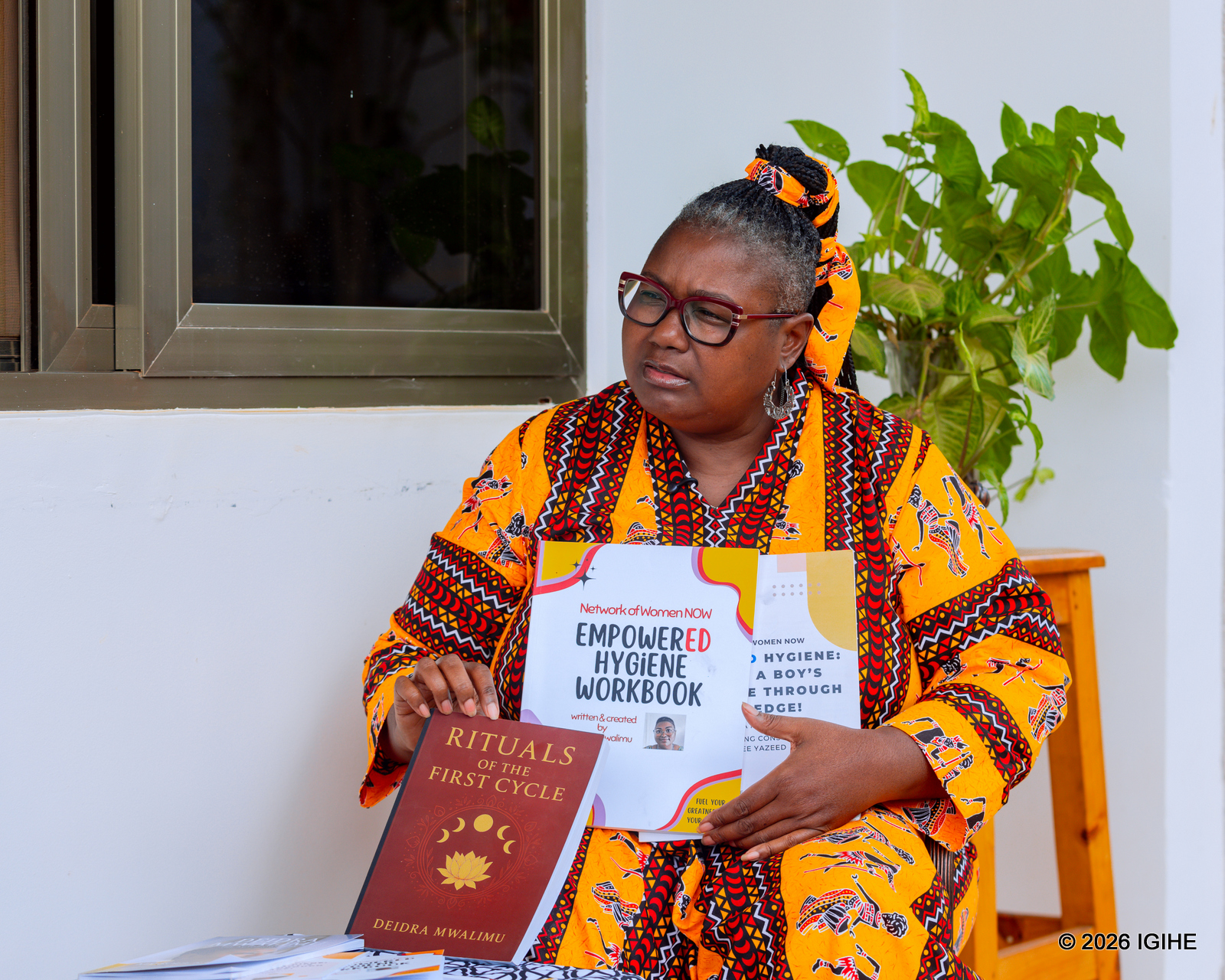
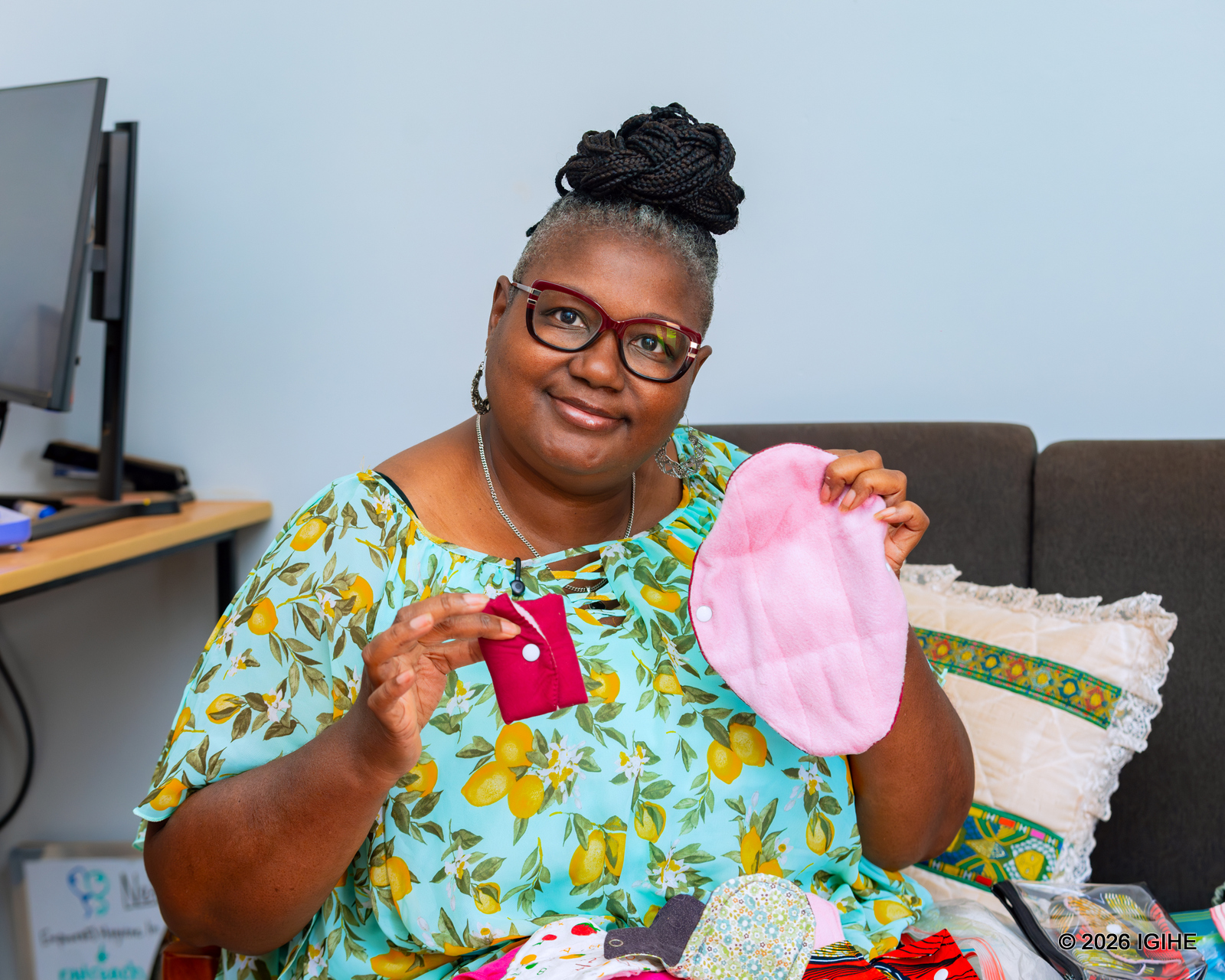
Through Network of Women Now, she works with girls as young as six and has developed educational materials that cover menstrual products, body autonomy, boundaries, domestic violence and how to seek help when something is wrong.
The organisation also includes boys in some of its conversations, reflecting Mwalimu's view that reproductive and menstrual health cannot be addressed by women and girls alone.
Families, schools, health professionals, policymakers and communities all have a role to play, she says.
Why Rwanda?
Mwalimu's work in Rwanda began after she was invited by an organisation that was already working in a similar area.
She had worked in different parts of the world, including India, Nepal, Belize and Brazil, but says Rwanda stood out because of the reception she received when she began engaging with schools and young people.
She found schools willing to open their doors and communities willing to engage in conversations about menstrual hygiene and reproductive health rights.
'I was really inspired by that to stay,' she adds.
Her connection with Rwanda has since grown beyond health education.
Mwalimu is also interested in developing locally produced reusable menstrual products while creating opportunities for women to gain skills, generate income and participate in business.
The economics of a period
For Mwalimu, menstrual health is not only a health issue. It is also an economic one.
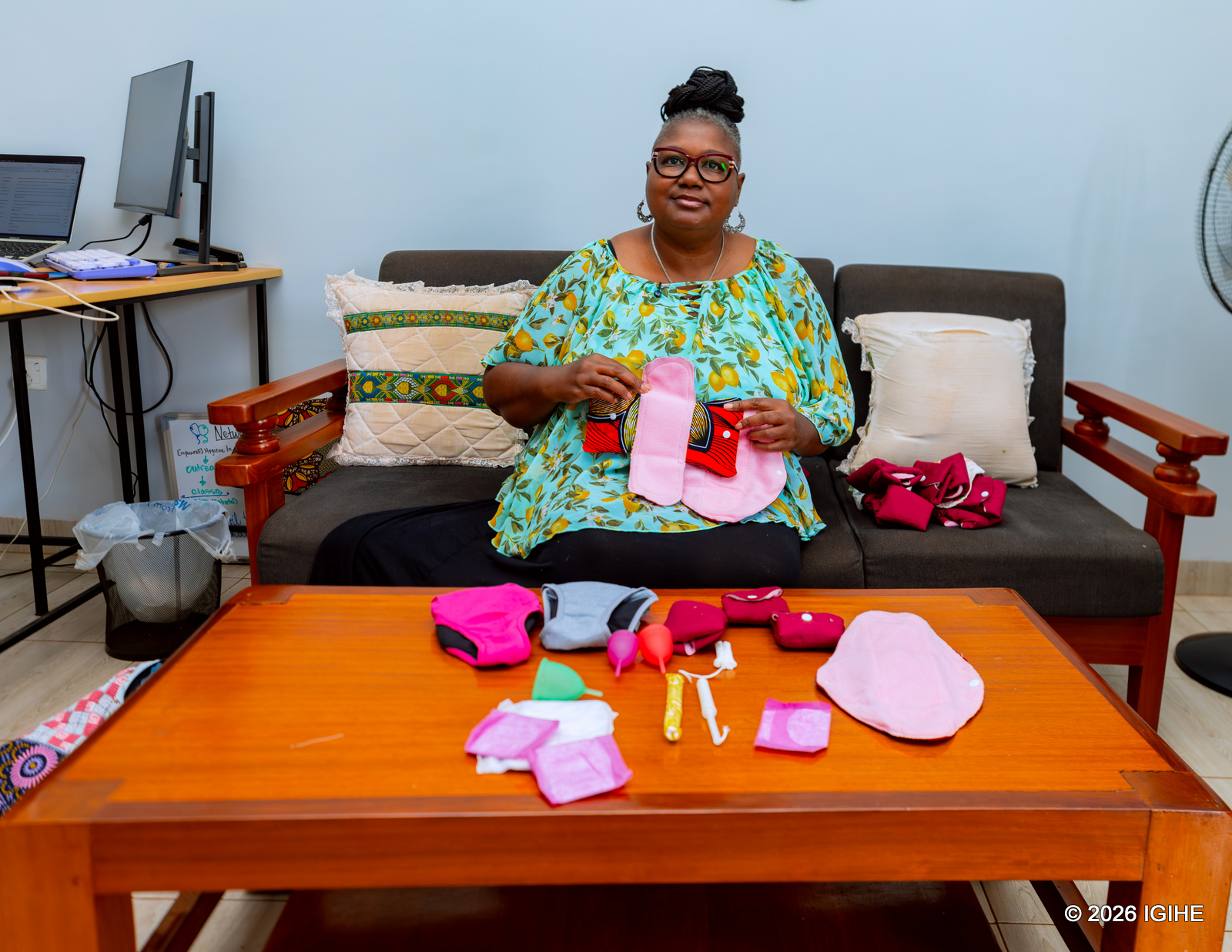
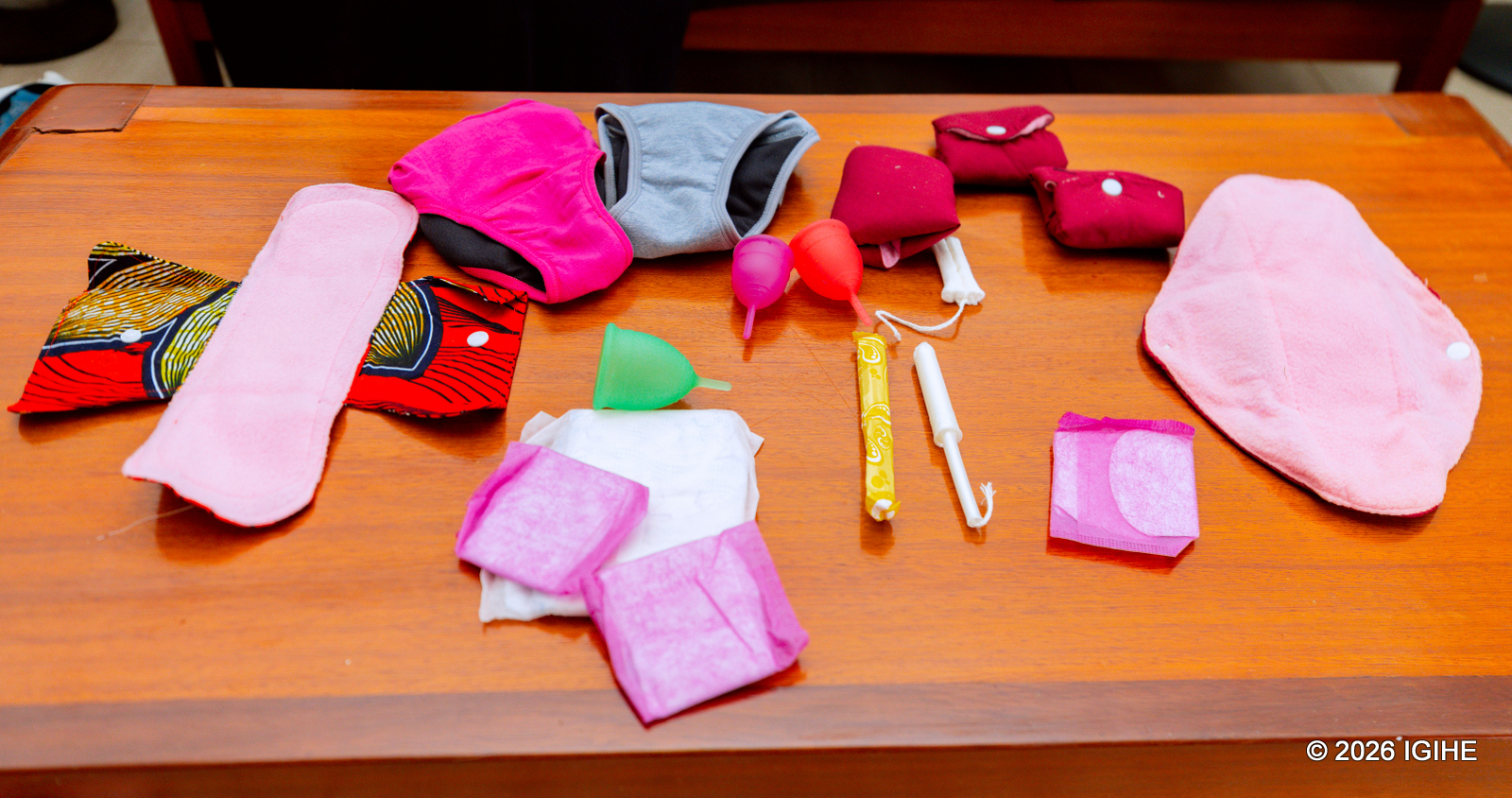
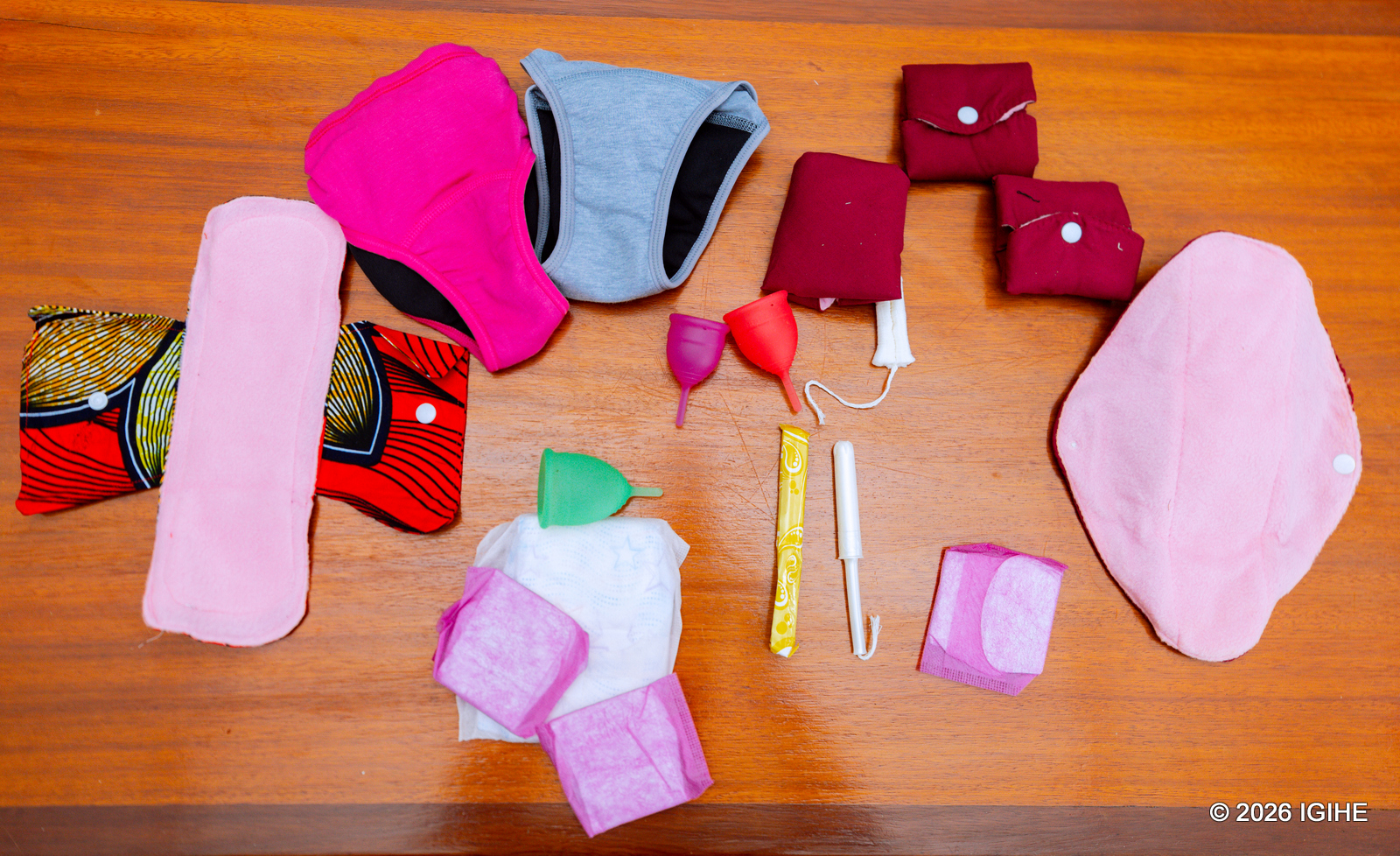
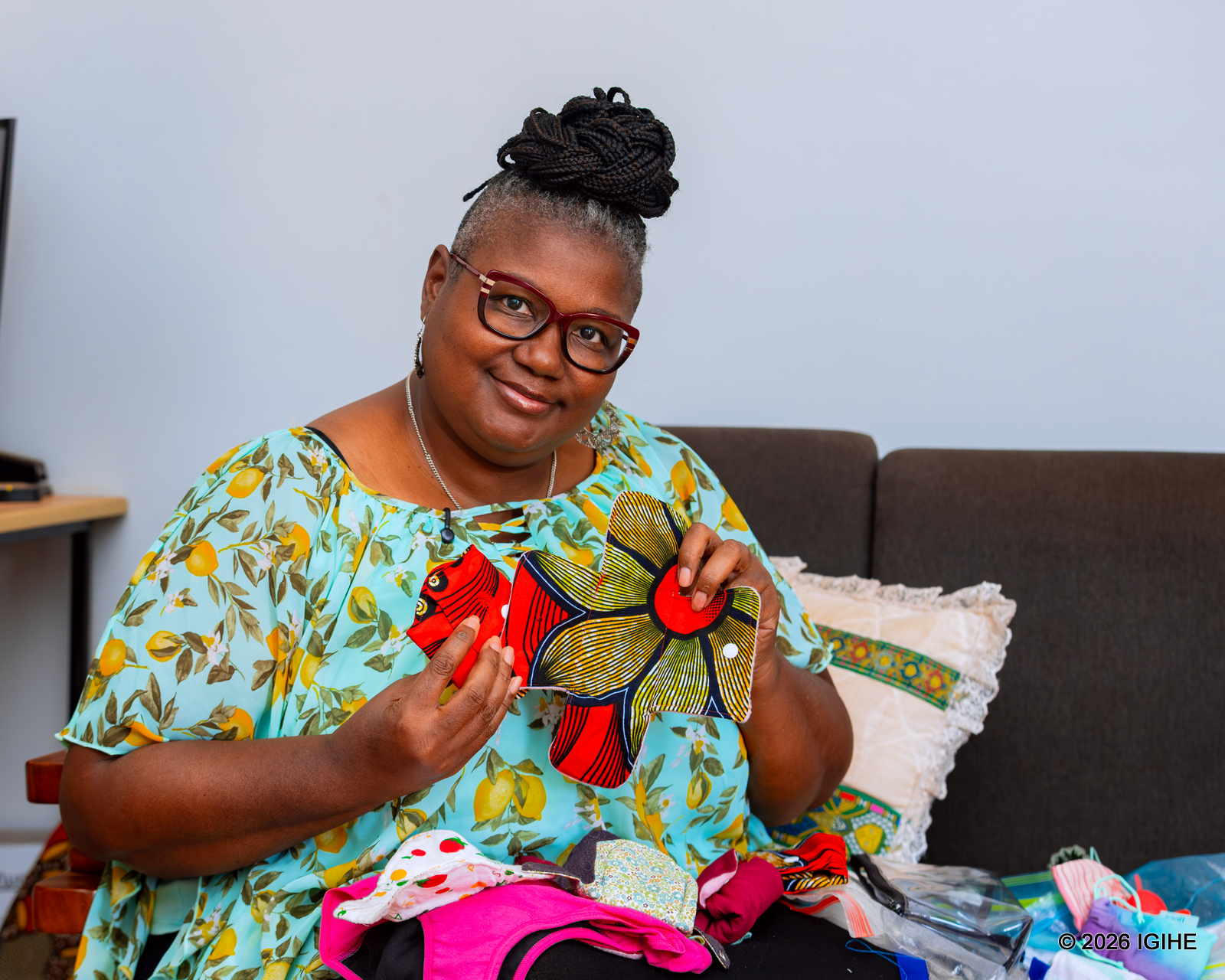
She promotes education around a range of menstrual products, including disposable pads, tampons, period underwear, reusable pads and menstrual cups, while encouraging women and girls to understand how different products work and choose what suits them.
Mwalimu is particularly interested in reusable products because of their potential to reduce the recurring cost of menstrual hygiene.
She says a girl can require hundreds of disposable pads in a year, meaning the cumulative cost over decades can be significant.
Reusable products, when properly cleaned and maintained, can be used for several years, she emphasizes.
Network of Women Now is working toward locally producing reusable menstrual products in Rwanda, including period underwear.
For Mwalimu, the opportunity goes beyond making products available.
'It teaches them skills,' she says of the economic side of the initiative. 'It teaches them about how to generate income, how to run their own business.'
That is where menstrual health and women's economic empowerment intersect in her work.
Breaking the silence
Mwalimu believes one of the biggest barriers facing women and girls is not simply a lack of products, but the stigma surrounding menstruation and reproductive health.
One misconception she encounters is the idea that menstruation is a curse.
She argues that such beliefs can prevent girls and women from talking openly about their health or seeking help when they need it.
The answer, she believes, is dialogue and education.
Girls should be able to understand what is happening to their bodies, recognise when something is wrong and know where to seek help.
That principle also extends to women who may face reproductive health problems later in life.
Mwalimu points to situations in which women discover after marriage that they cannot conceive and may face severe social consequences as a result.
Early education, she argues, can give women greater ability to understand their bodies and advocate for themselves before they reach such situations.
'You need to know yourself'
Mwalimu's message to young women is rooted in the lesson she believes came too late in her own life.
'You need to know yourself,' she says. 'You need to know how you work, how you think, how your body works, what your abilities are, and never stop learning.'
It is a simple message, but one that connects the different parts of her work.
'I want to be able to have girls advocate for themselves at a very young age,' she reflects.