

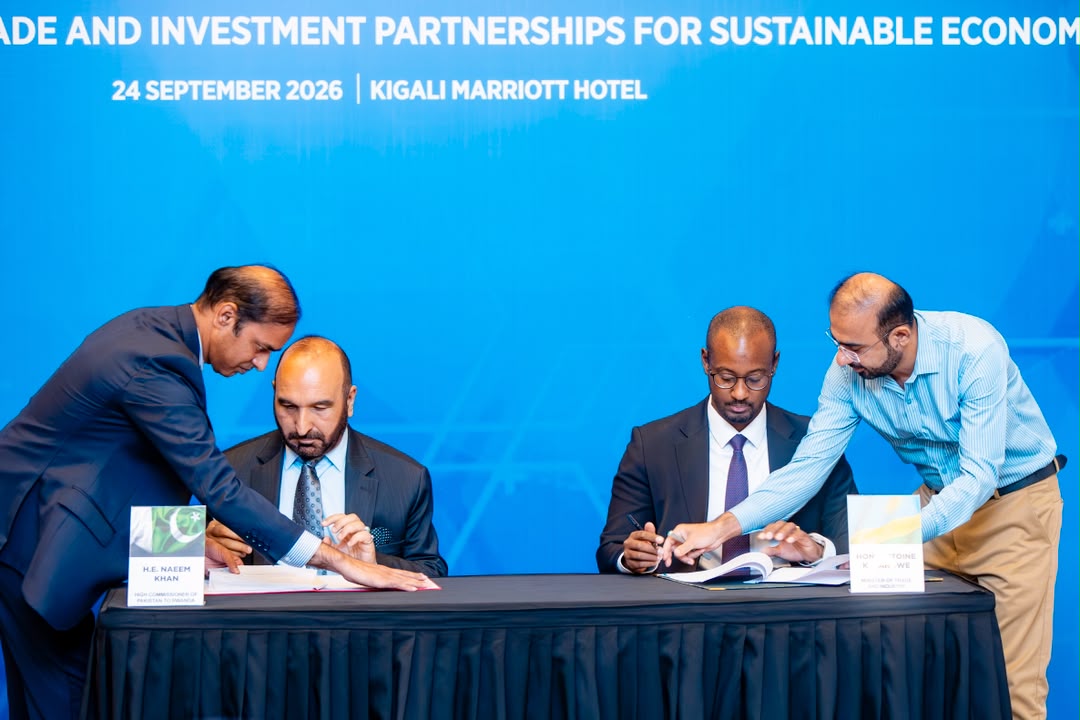
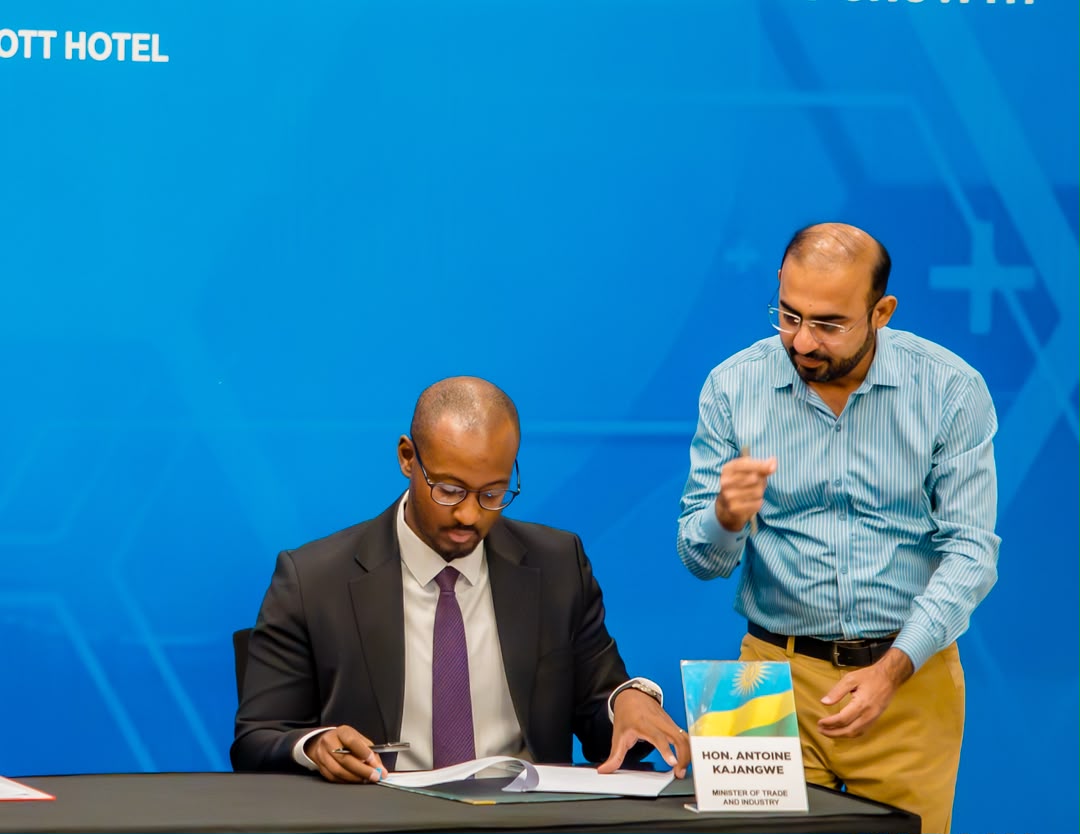
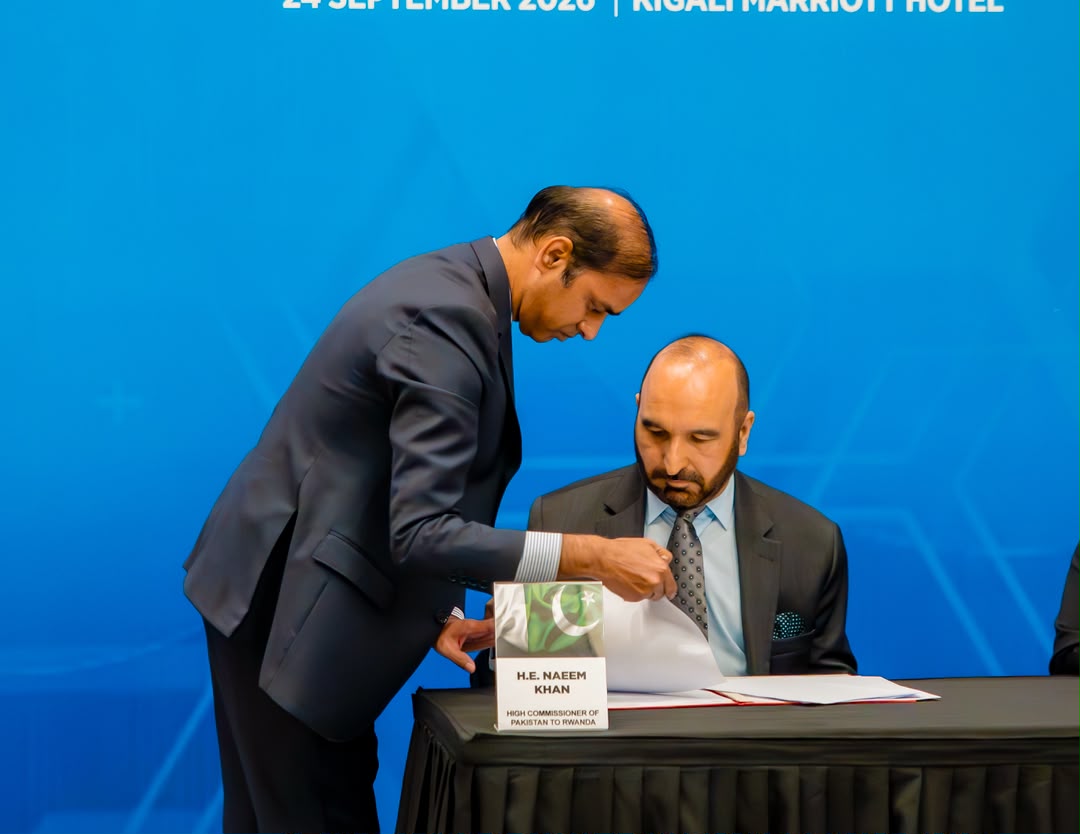
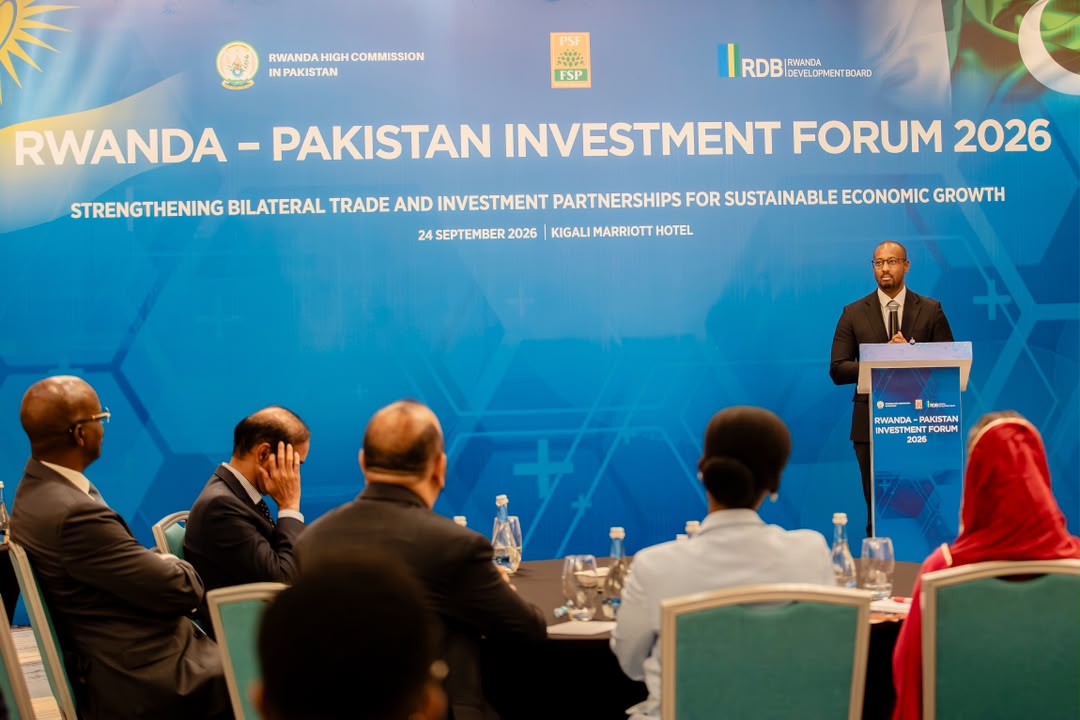
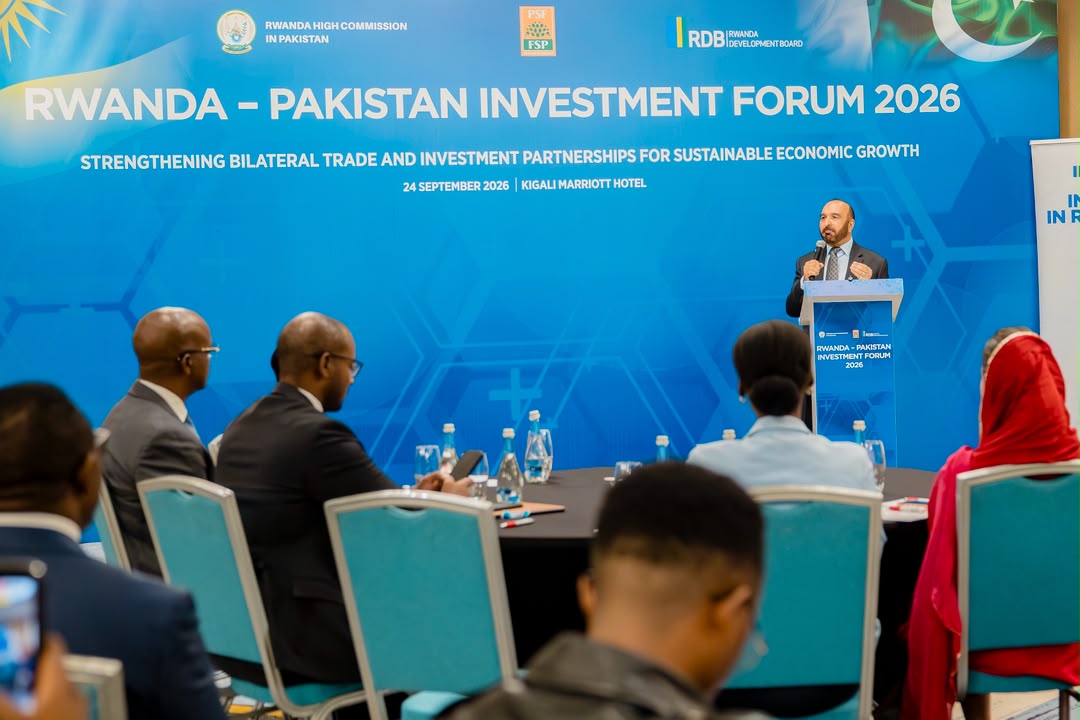
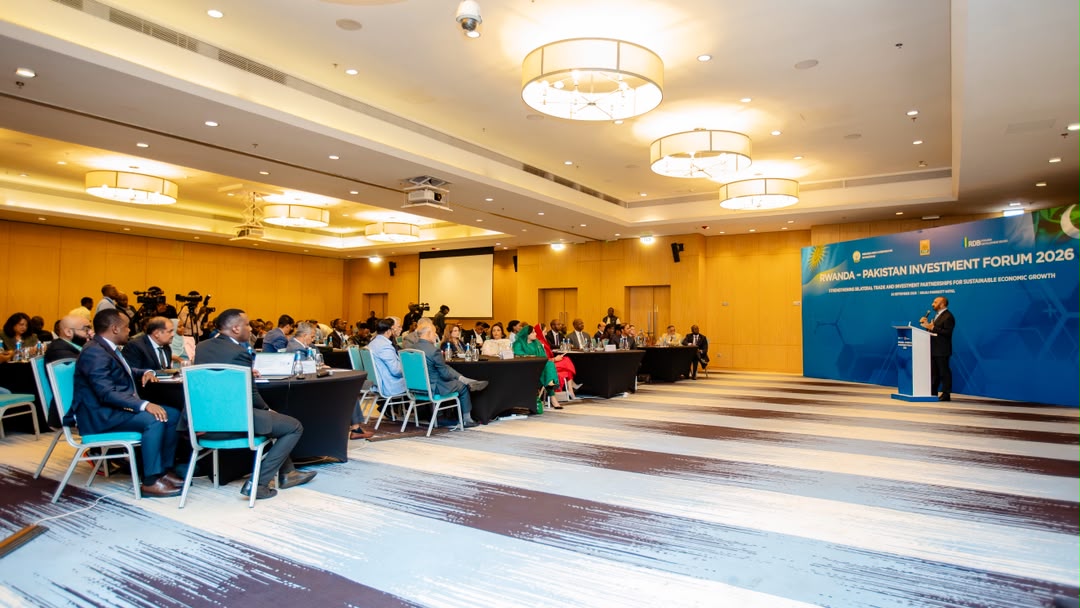
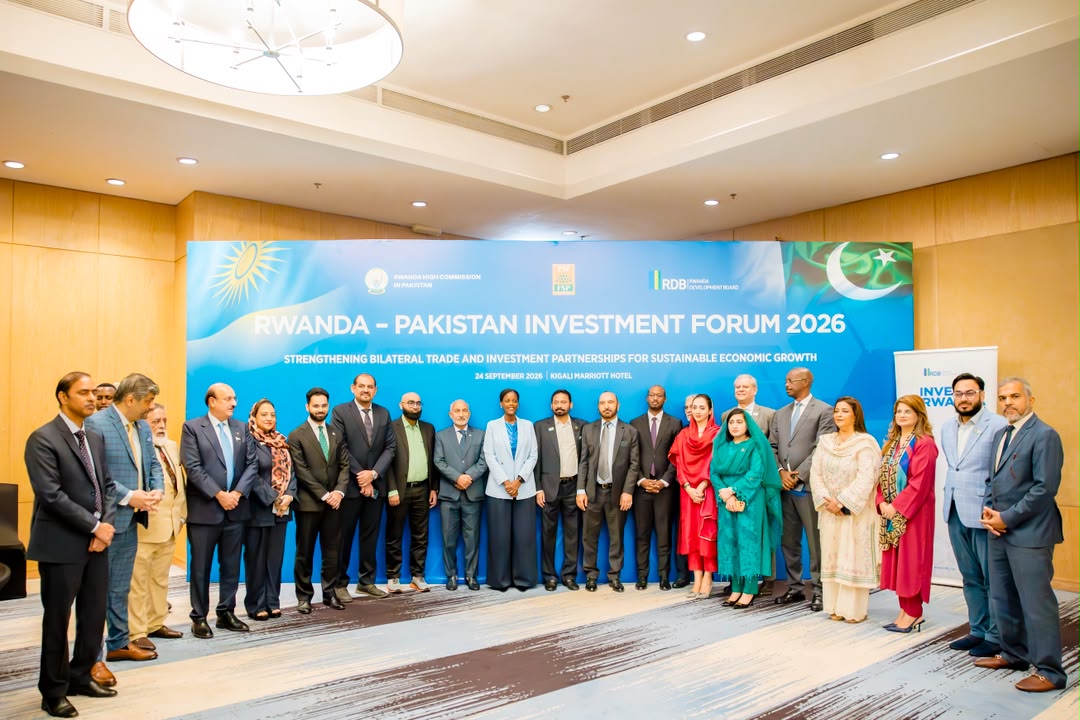
The agreement was signed by Rwanda's Minister of Trade and Industry, Antoine Kajangwe, and Pakistan's High Commissioner to Rwanda, Naeem Khan, during the inaugural Rwanda-Pakistan Investment Forum held at the Kigali Marriott Hotel on Thursday, September 24, 2026.
The forum was organised by the Rwanda High Commission in Pakistan in collaboration with the Rwanda Development Board.
The new agreement is expected to support greater trade facilitation, stronger business-to-business partnerships, joint ventures and cooperation across sectors including manufacturing, textiles and apparel, agriculture, tourism and transport.
It also provides for greater cooperation between private-sector organisations, including Rwanda's Private Sector Federation (PSF) and Pakistan's chambers of commerce, as well as the sharing of information on trade and investment opportunities in both countries.
Kajangwe said the agreement would help deepen cooperation in priority sectors, including agro-processing, manufacturing, textiles, electronics, infrastructure and healthcare equipment.
'Pakistan is home to more than 250 million people. But more importantly, it has an established manufacturing base in emerging markets,' he said, highlighting Pakistan's manufacturing capabilities in areas such as textiles, surgical instruments, sports equipment, pharmaceuticals and IT services.
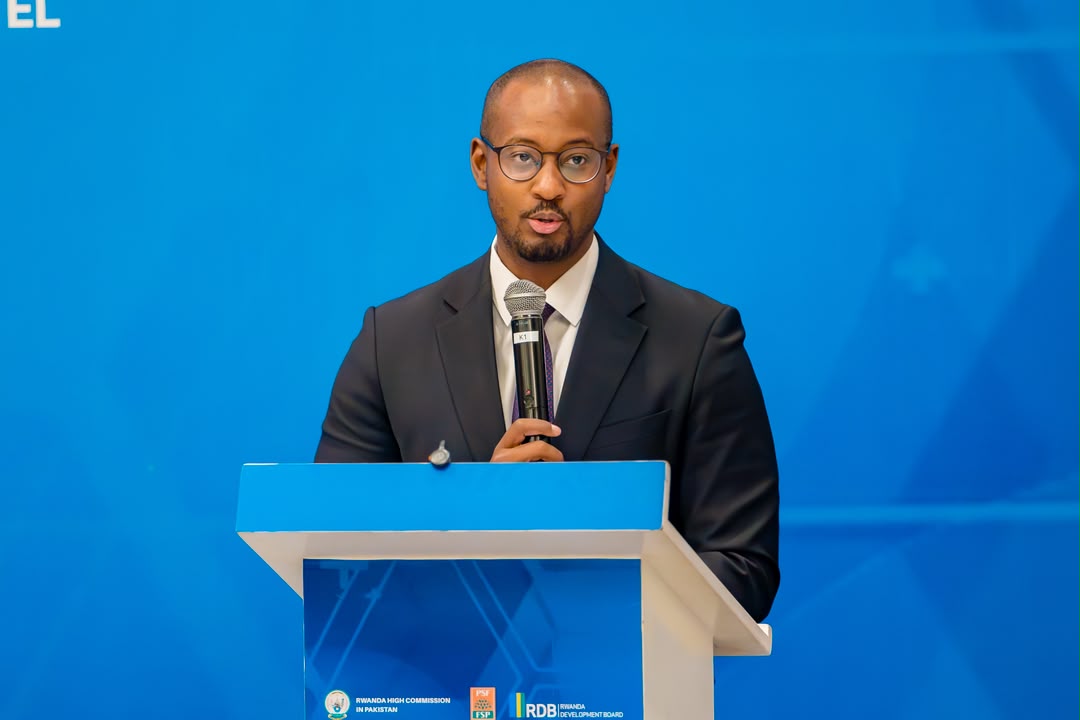
Rwanda, meanwhile, is seeking to attract more Pakistani investment and position the country as a base from which companies can serve wider African markets.
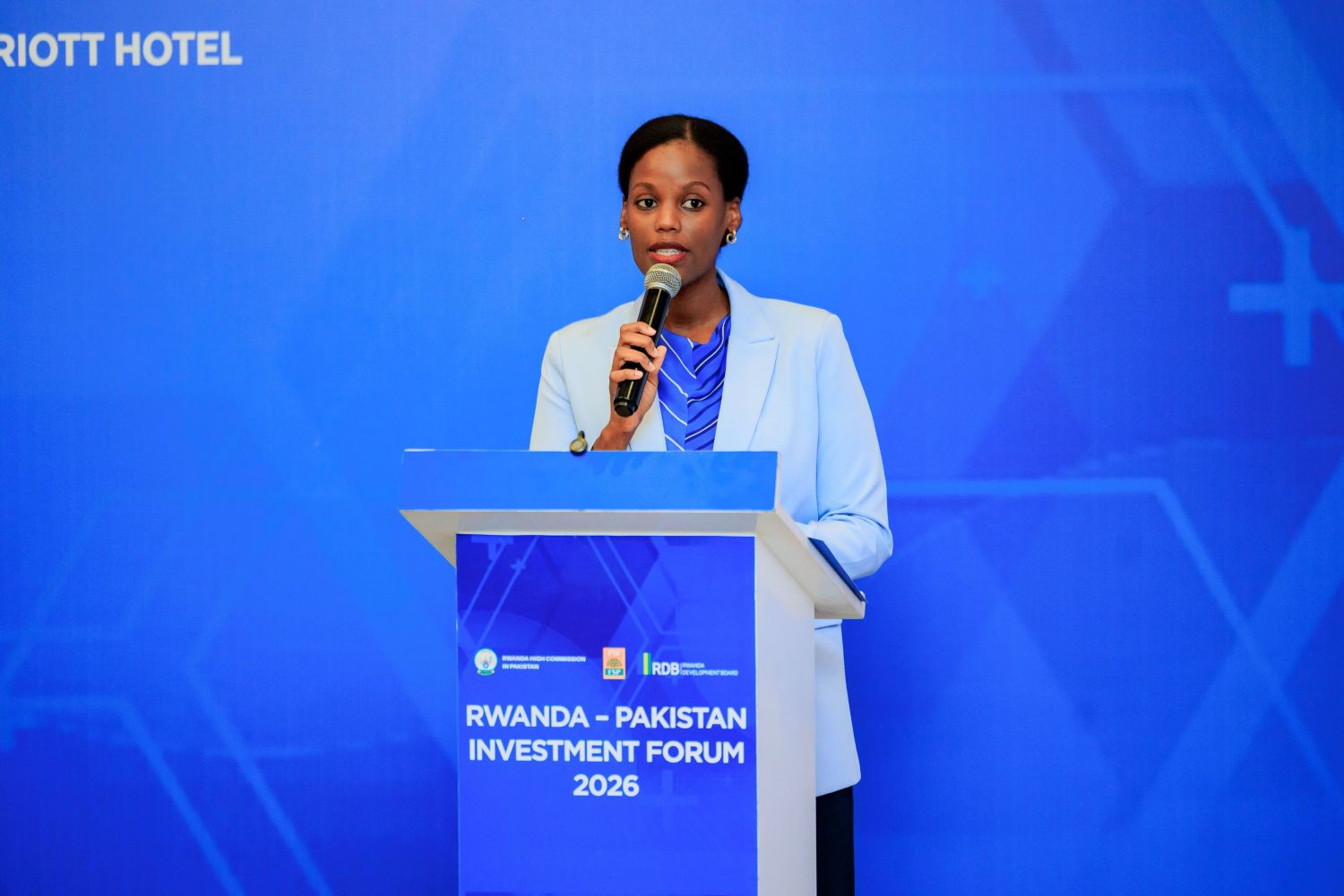
Rwanda Development Board (RDB) Deputy CEO Juliana Muganza said bilateral trade between Rwanda and Pakistan reached $236 million between 2023 and 2025, while Rwanda registered seven Pakistani investment projects worth more than $2 million.
She said Rwanda's economic growth and investment environment offer opportunities for Pakistani companies looking to manufacture, process and export to regional markets.
'Rwanda is not only a place to sell products, it is also a place to manufacture, innovate, process, export, and scale across Africa,' Muganza said.
She pointed to opportunities in agriculture and agro-processing, pharmaceuticals and medical manufacturing, textiles and apparel, ICT and digital services, artificial intelligence, mining and mineral value addition, infrastructure, tourism and hospitality.
Muganza said Rwanda should be viewed as a gateway to a much larger regional market rather than solely as a market of about 14 million people.
She noted that businesses operating from Rwanda can access more than 80 million consumers within a 500-kilometre radius, while the African Continental Free Trade Area offers access to a market of about 1.4 billion people.
The RDB deputy CEO also highlighted the new Kigali International Airport and surrounding airport city development in Bugesera as part of Rwanda's plans to strengthen its position as a regional hub for trade, logistics, tourism and investment.
The airport's long-term capacity is expected to reach 14 million passengers, while the surrounding development is expected to create opportunities in logistics, manufacturing, hospitality, commercial services and innovation.
For Pakistani businesses, Muganza identified opportunities to supply agricultural machinery and inputs, food processing, packaging and other products while establishing production and processing operations in Rwanda.
Pakistan is also seeking greater access to Rwandan agricultural products.
High Commissioner Naeem said Pakistani companies are particularly interested in importing Rwandan tea, coffee, avocados, beans, lentils and other pulses directly from Rwanda.
'We want to import Rwandan tea directly to Pakistan,' he said during an interview with journalists.
He said Pakistan currently imports Rwandan tea through intermediaries and that direct trade could create opportunities for Rwandan producers to strengthen their presence in the Pakistani market.
He also highlighted interest in Rwandan coffee and other agricultural and mineral products.
At the same time, Pakistan is seeking to expand exports to Rwanda in areas including rice, surgical instruments, sports goods, agricultural machinery and technology.
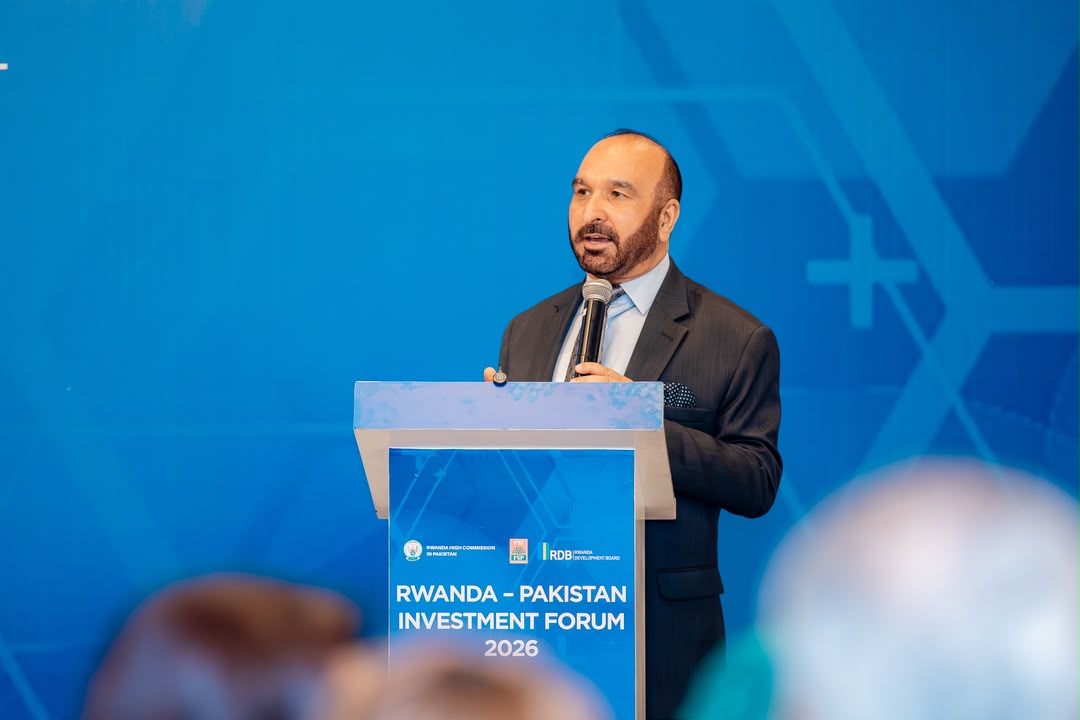
Naeem said Pakistani companies could also invest in Rwanda's construction, real estate, tourism, hospitality and agriculture sectors.
He cited Pakistan's manufacturing capabilities in surgical instruments and sports equipment, arguing that some of these products could eventually be manufactured in Rwanda and re-exported to other African markets.
The two sides are also exploring closer cooperation in aviation.
Naeem said Rwanda and Pakistan are working on an aviation memorandum of understanding that could pave the way for stronger air connectivity and direct flights between the two countries.
He also said the newly signed trade agreement could serve as a step towards a preferential trade agreement, with the two countries expected to identify products that could receive preferential treatment.
François Twagirumukiza, chairperson of the Private Sector Federation, noted that the agreement would give greater institutional backing to trade that has previously been driven largely by individual traders.
'This trade agreement signed today will boost our trade cooperation with Pakistan considerably,' he stressed.
He added that bringing business communities from both countries together alongside the agreement would help identify concrete commercial opportunities.
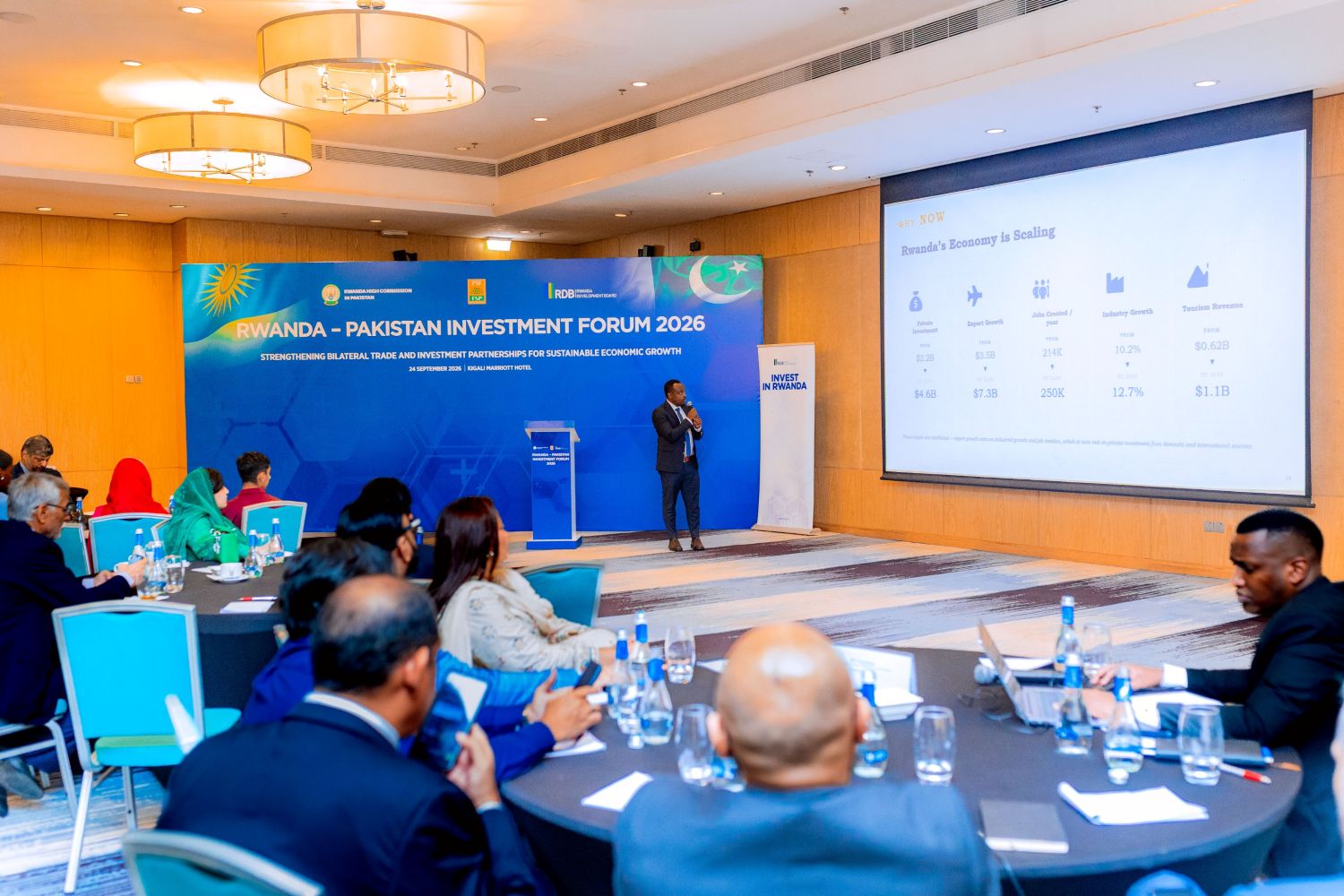
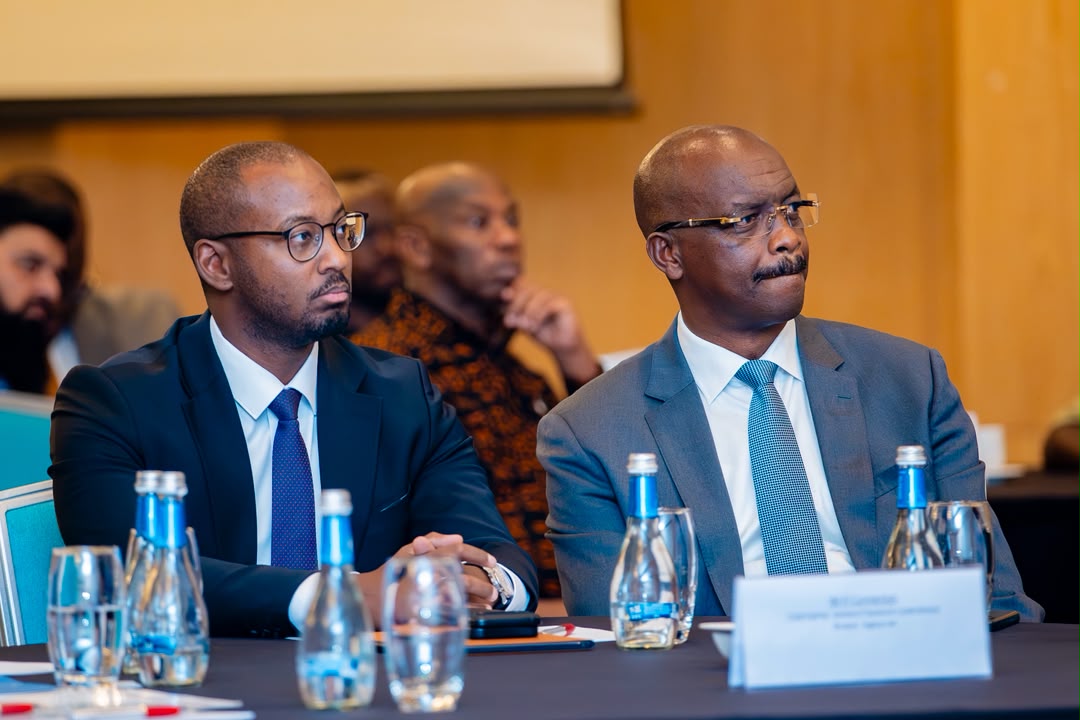
The forum brought together about 30 Pakistani business leaders and more than 40 Rwandan business representatives.
Rwanda registered $2.62 billion in investments across 799 projects in 2025, according to RDB, with the projects expected to create nearly 40,000 jobs.
Kajangwe said the government would continue working with Pakistani investors and other private-sector partners to translate the growing bilateral relationship into concrete business activity.
The new agreement comes as Rwanda and Pakistan seek to build on renewed diplomatic engagement following the establishment of resident diplomatic missions in Kigali and Islamabad.
Source : https://new.igihe.com/english/rwanda-pakistan-sign-trade-agreement-to-deepen-economic-ties/
