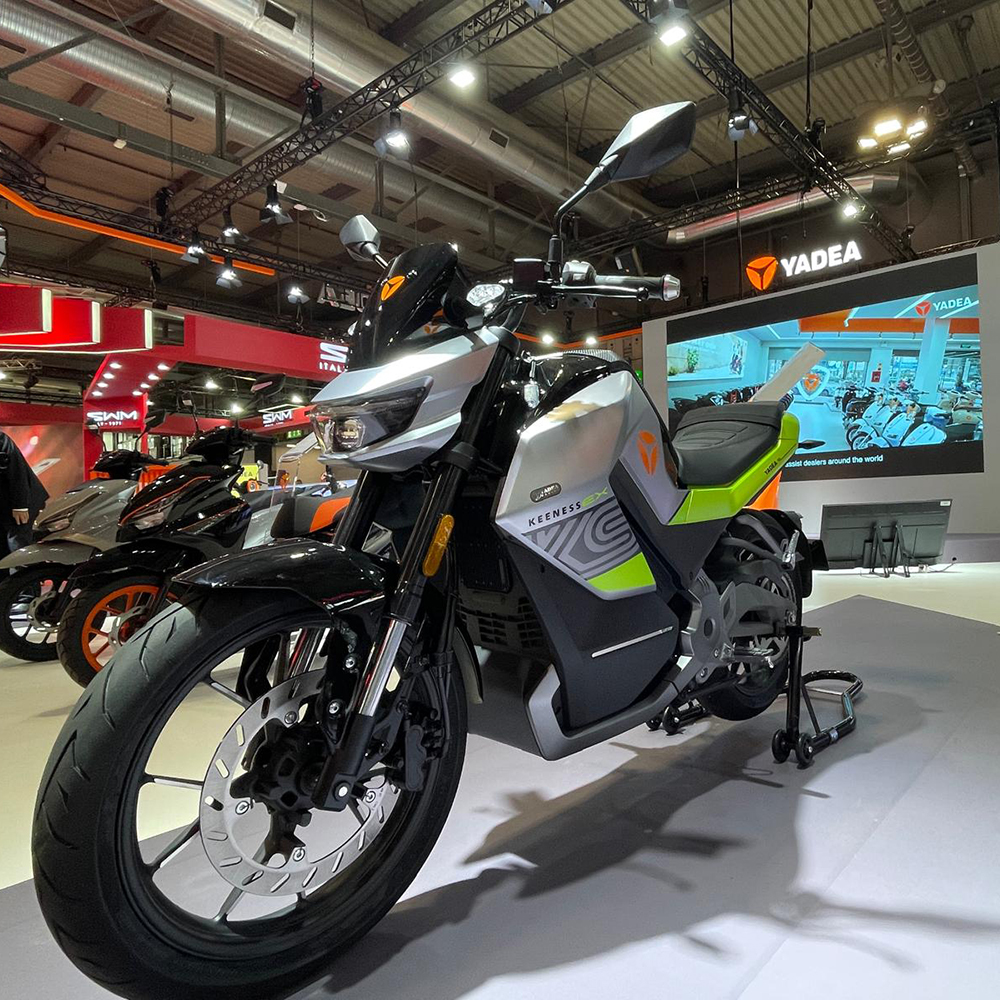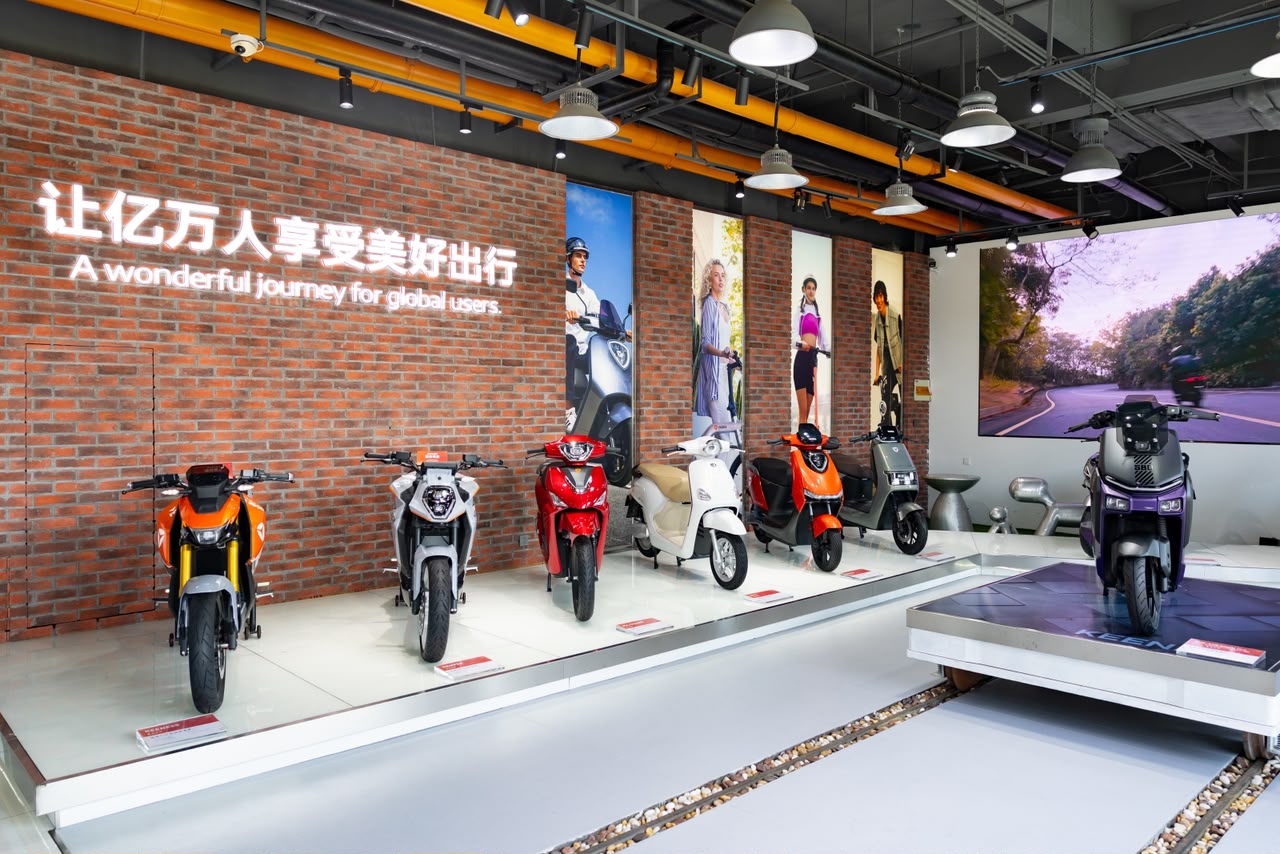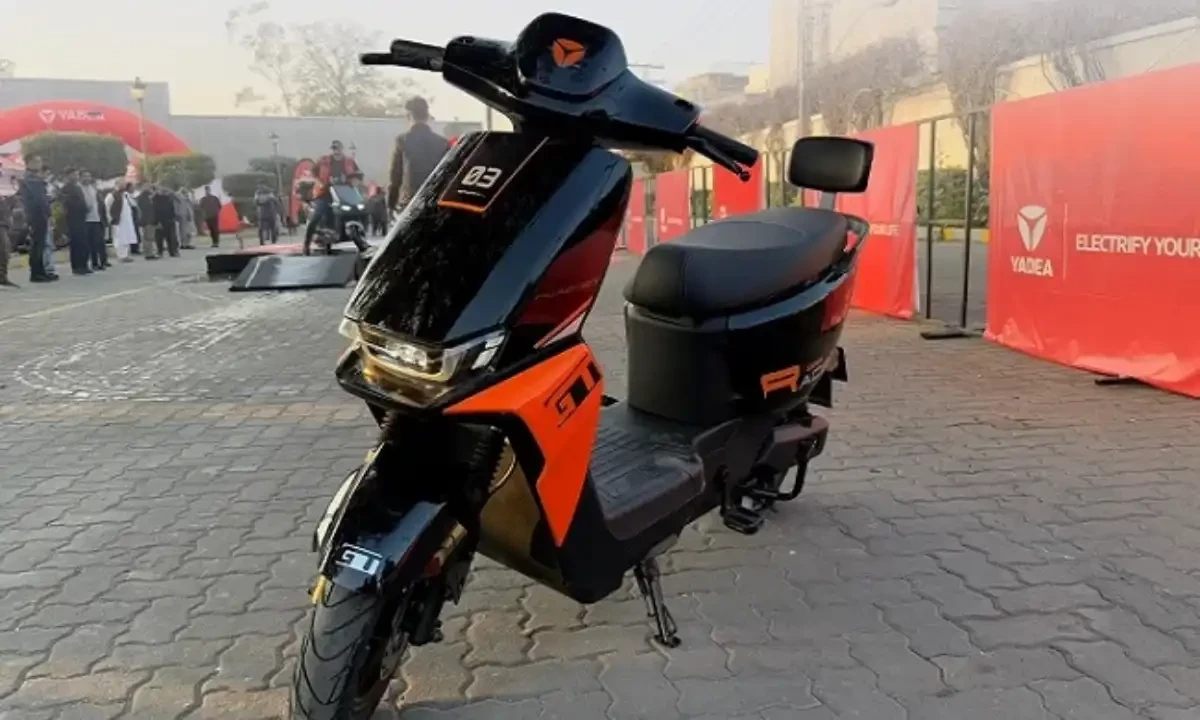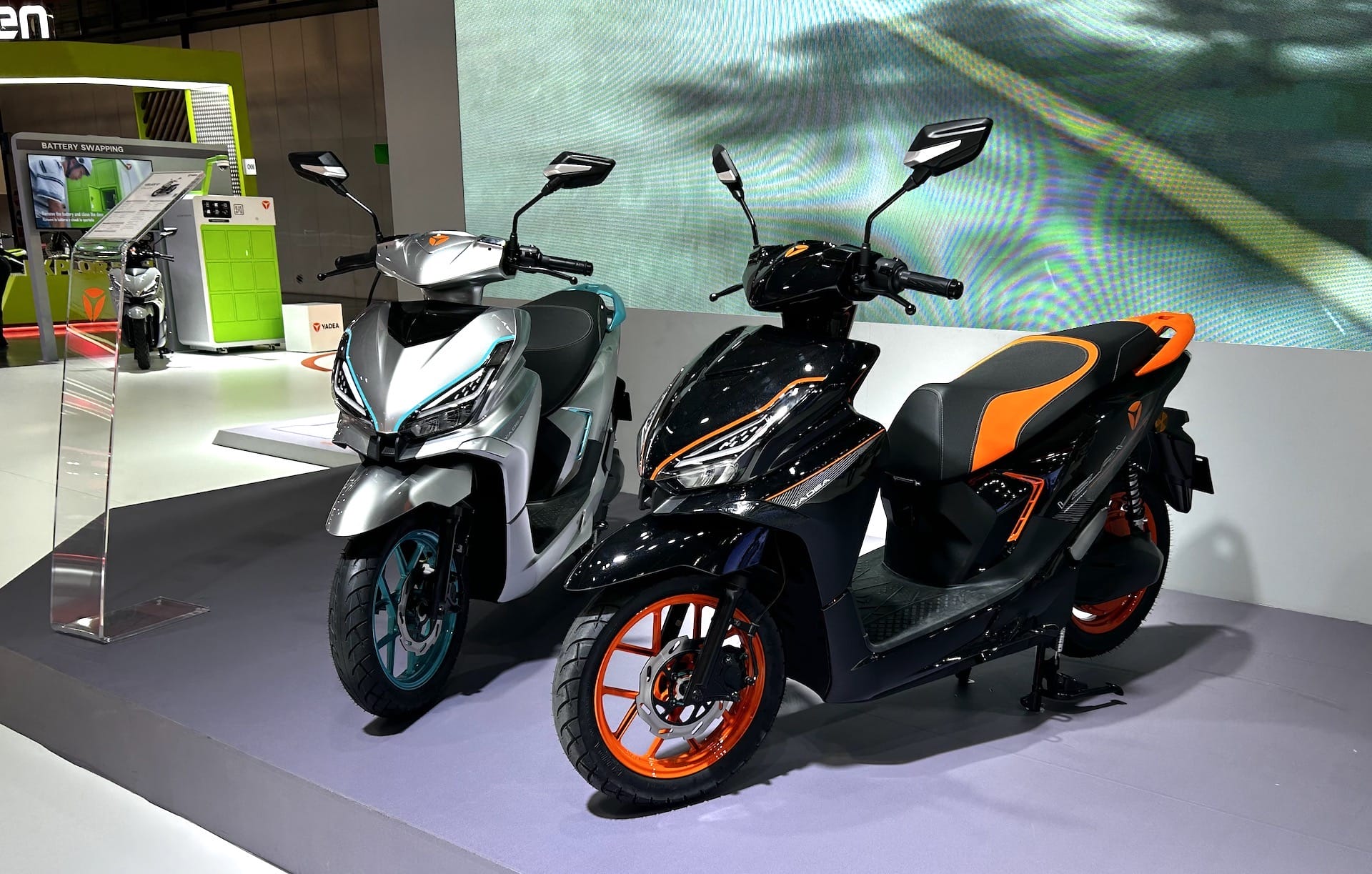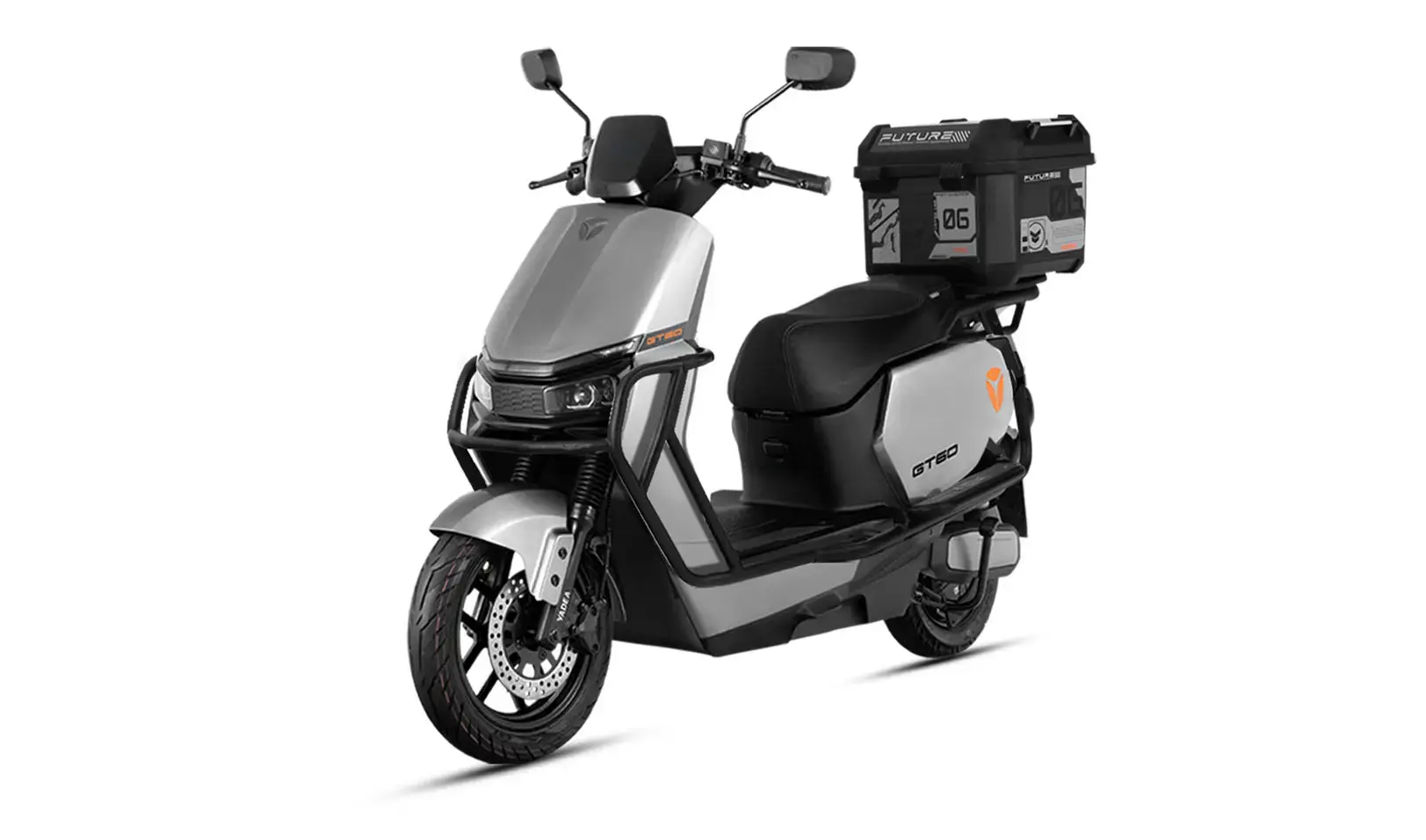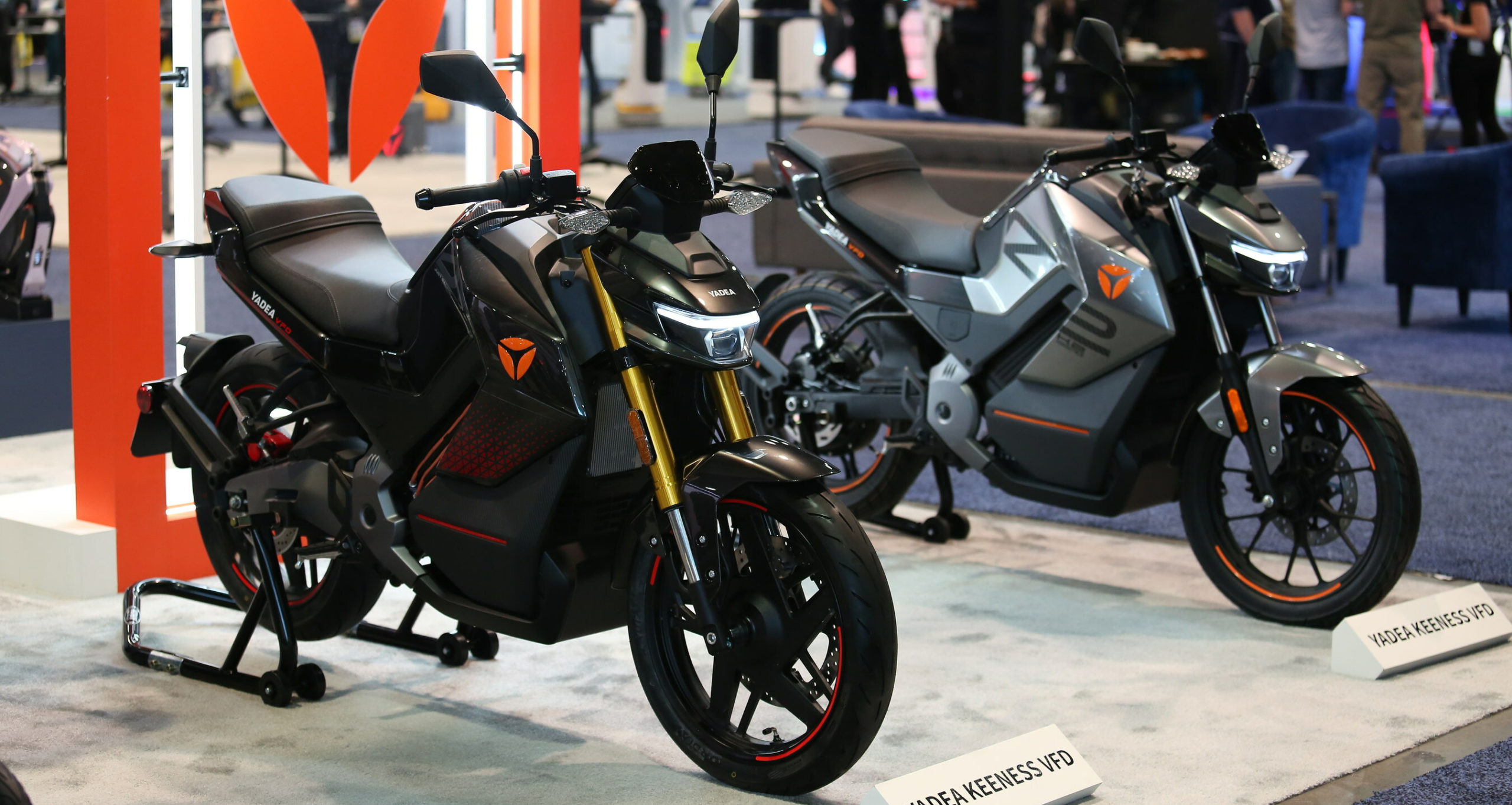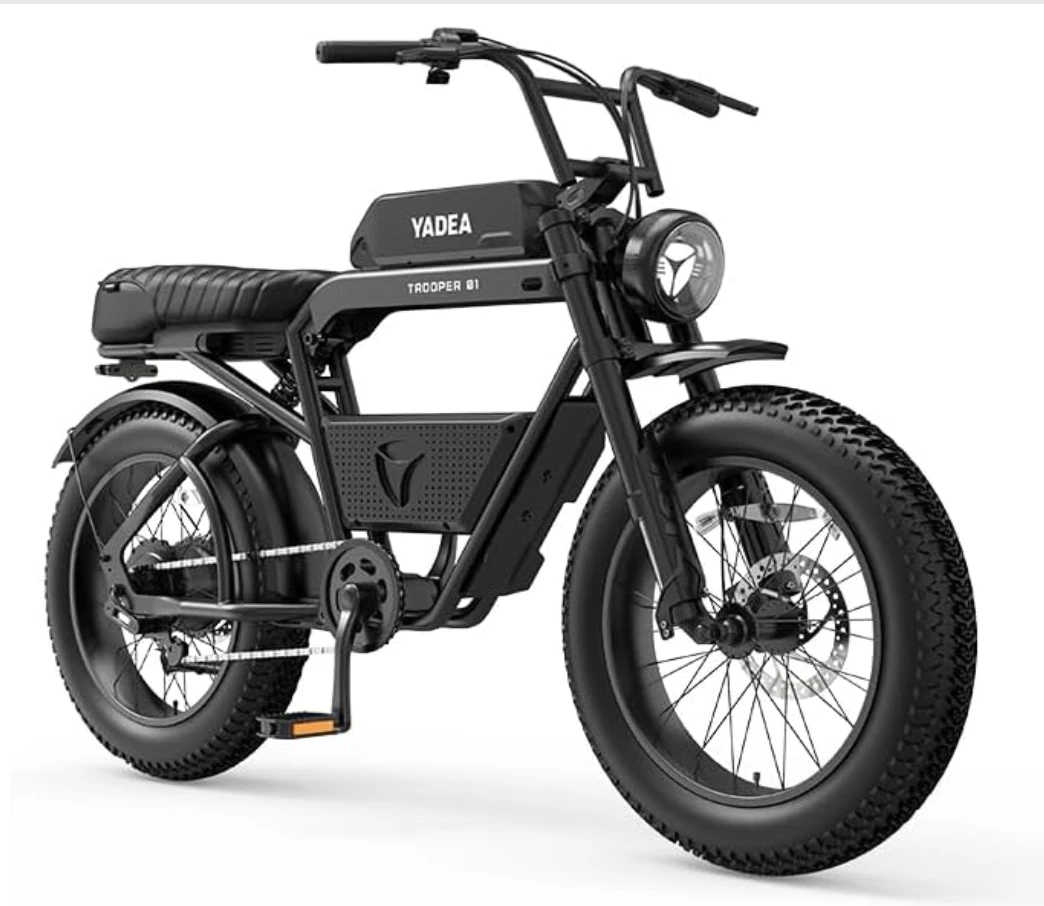

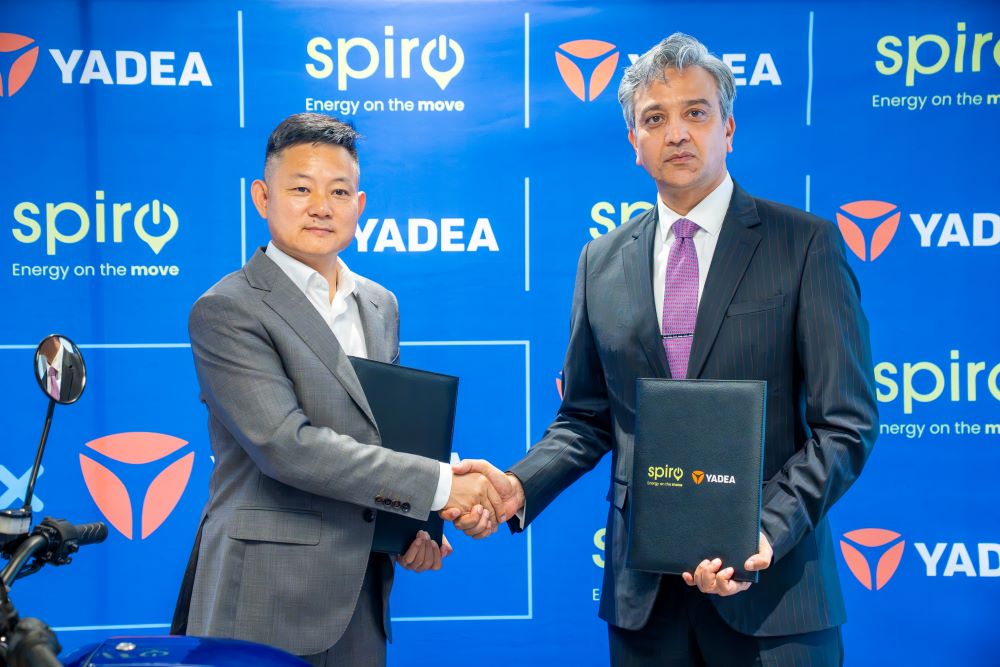
Now, that transformation is getting closer to Rwanda after Yadea Technology Group, one of the world's leading electric two-wheeler manufacturers, signed a strategic partnership with Spiro, Africa's electric mobility company, to expand accessible and sustainable transport solutions.
The agreement connects Yadea's global manufacturing strength and research capabilities with Spiro's operations and battery-swapping network in countries where it operates, including Rwanda.
Under the partnership, Yadea will supply electric two-wheelers and related products adapted to Spiro's markets, while both companies develop motorcycles designed for local road conditions and commercial use.
Founded in 2001, Yadea has grown from an electric vehicle manufacturer into a global mobility company combining research and development, intelligent manufacturing, sales networks and after-sales services.
Today, Yadea products are used in more than 100 countries, with more than 100 million electric vehicles sold worldwide.
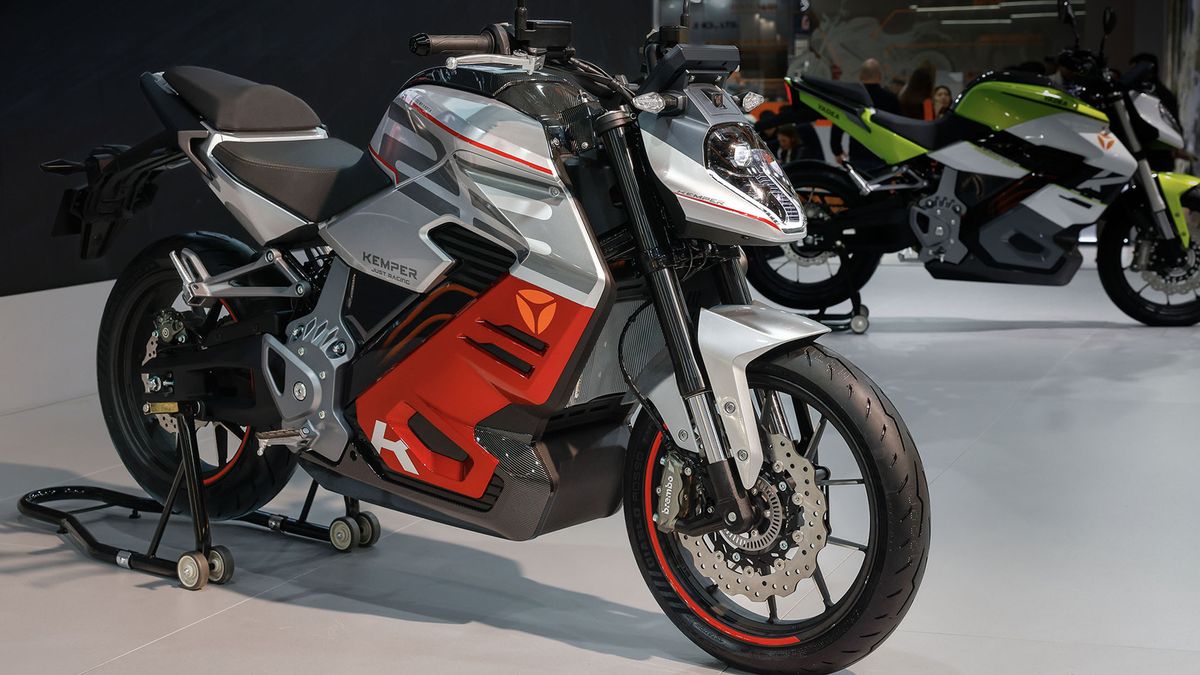
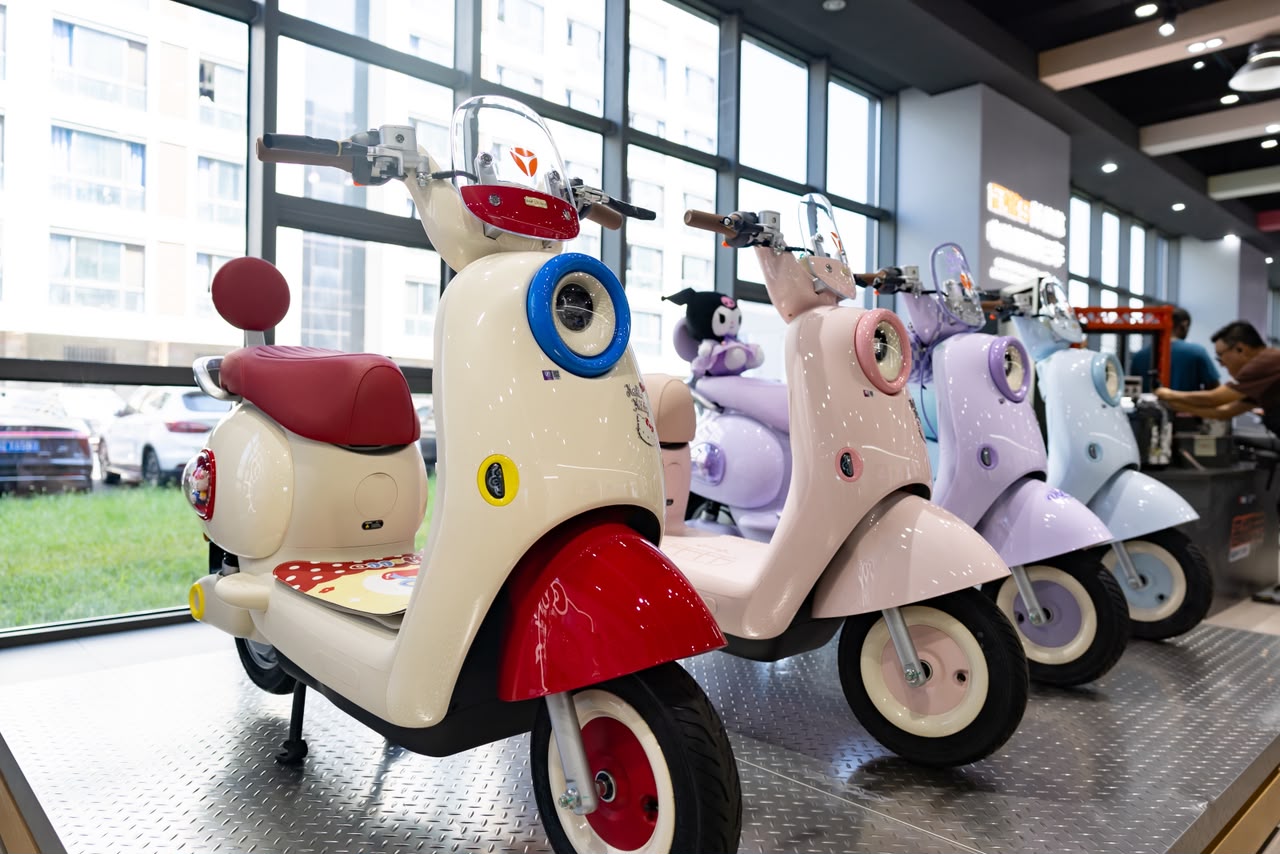
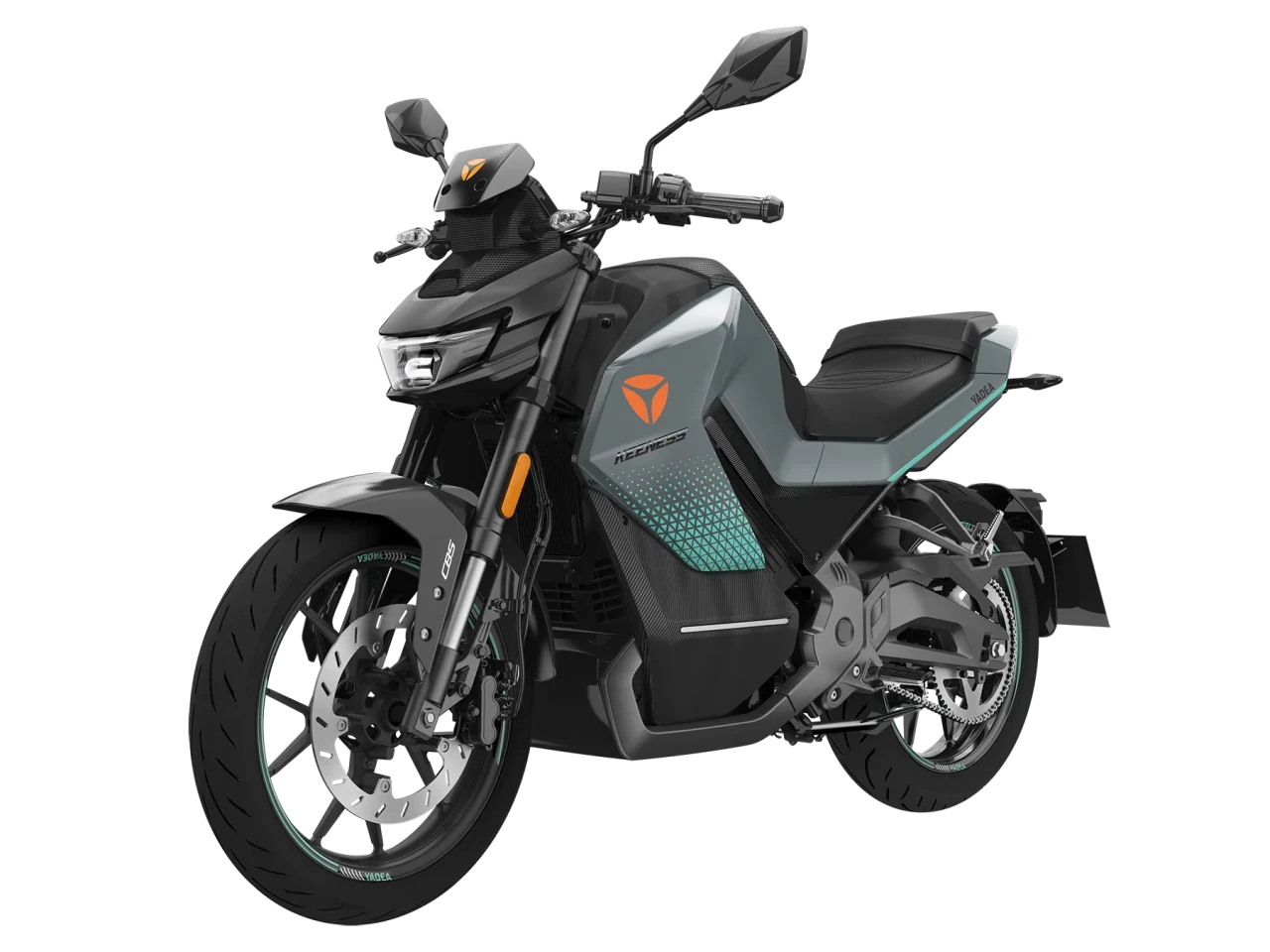
Its portfolio includes electric motorcycles, electric bicycles, electric three-wheelers, electric scooters, folding bikes, graphene lead-acid batteries, sodium-ion batteries and related spare parts.
A major milestone came in May 2016, when Yadea became the first electric vehicle company in China's industry to be listed on the Hong Kong Stock Exchange.
Headquartered in Wuxi, Yadea has developed a global manufacturing and innovation network with 10 production and research bases located in Jiangsu, Tianjin, Zhejiang, Guangdong, Chongqing and Anhui in China, as well as Vietnam, Indonesia, Thailand and Mexico.
The company operates more than 40,000 retail stores worldwide, holds more than 2,000 patents, operates three national-level CNAS laboratories, six technology research and development centres and one national-level industrial design centre.
Through these facilities, Yadea has developed technologies in batteries, motors, electronic controllers and intelligent vehicle systems.
Its achievements have also received recognition in China. In 2021, Yadea was accredited as one of the '5th Batch of National Industrial Design Centers (2022–2025)'. In 2022, it was recognised as a 'National Intellectual Property Advantage Enterprise', while in 2024 it ranked 249th among China's Top 500 Private Enterprises.
Rwanda, a thousand opportunities
In Rwanda, motorcycles play a major role in daily transport, connecting workers, students, businesses and communities.
Rising fuel costs, maintenance expenses, environmental concerns and road safety challenges have increased interest in electric mobility.
In 2025, Rwanda stopped registering petrol-powered motorcycles for passenger transport as part of efforts to accelerate cleaner transport solutions.
Since electric motorcycles entered the Rwandan market, their number has increased by 686%, creating a growing opportunity for companies such as Yadea.
Spiro has already established a strong presence in Rwanda. In an interview with IGIHE in June 2026, Spiro Rwanda Managing Director Amit Chawla said the company had approximately 25,000 electric motorcycles operating on Rwanda's roads and around 350 battery-swapping stations.
Over the next five years, Spiro plans to expand its Rwanda operations to between 75,000 and 80,000 electric motorcycles, nearly 3,000 employees, around 1,000 battery-swapping stations and between 65,000 and 70,000 batteries.
The company previously secured $215 million to accelerate expansion before announcing a larger growth phase following a $270 million funding round that included investment from NewTrails Capital, a Chinese fund.
Smart technology for future transport
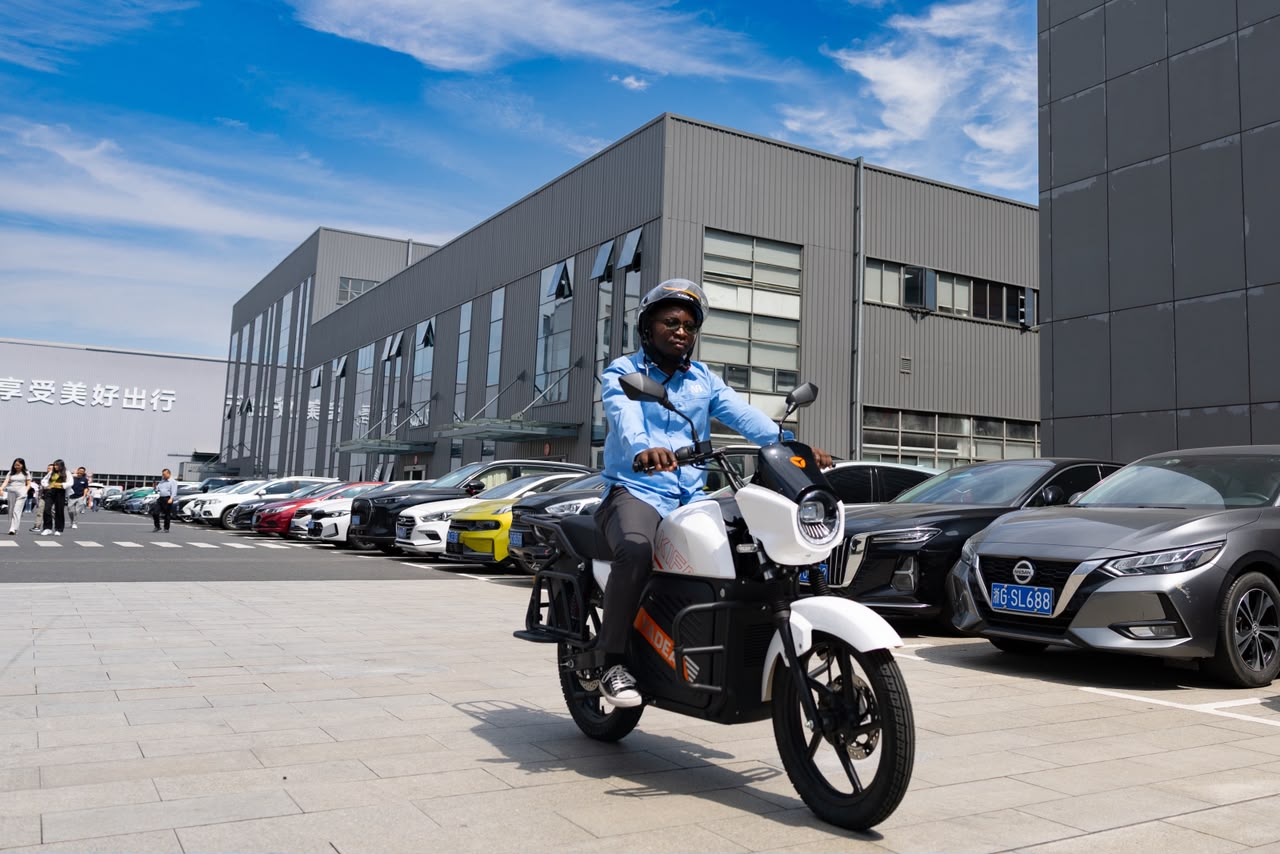
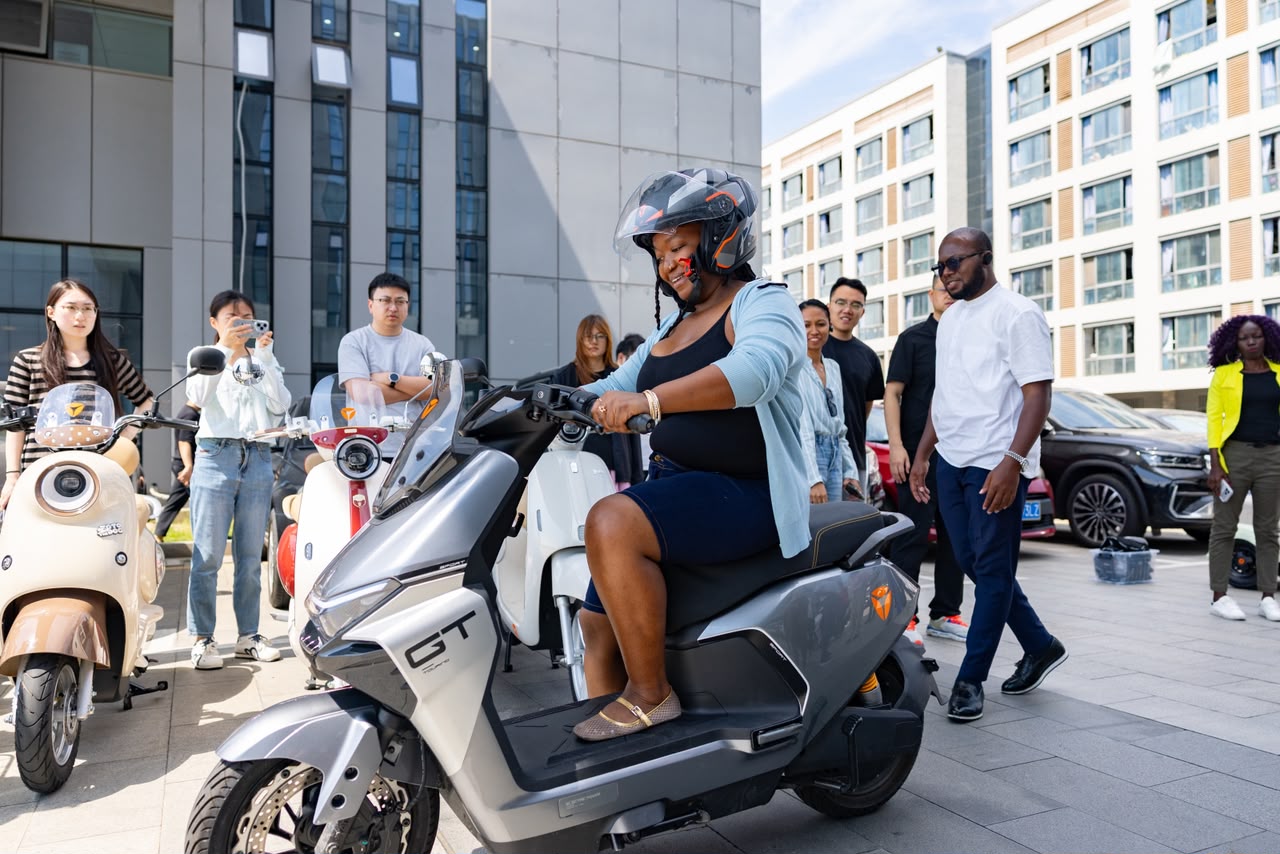
During a visit to Yadea's facilities in Wuxi, the company's Head of Overseas Branding, Sam Yuan, told IGIHE that Yadea adapts its products to meet different market needs.
'Our purpose of cooperating with Spiro is to bring Yadea's manufacturing and technology advantages to riders through Spiro's local network and battery exchange channels,' he said.
The company is developing smart motorcycles equipped with technologies such as intelligent identification systems, facial recognition, Traction Control System (TCS), anti-slip technology, Hill Descent Control (HDC) and power-cut systems when motorcycles stop.
Products designed specifically for African markets are expected to be introduced in 2027.
The company also focuses on battery sustainability, saying 98% of materials used in its lithium batteries can be recycled, while the remaining 2% does not create harmful environmental impact.
Yadea's industrial scale supports its global expansion.
Its Tianjin base has 24 complete-vehicle assembly lines and targets annual production and sales capacity of 10 million units, with an output value of nearly RMB 30 billion.
Its Chongqing base, built with an investment of around RMB 1 billion (220 billion Rwandan francs), covers 22 hectares, has a construction area of 221,000 square metres and is designed to produce five million units annually.
The facility is expected to generate output exceeding 10 billion yuan (more than Rwf2.2 trillion) and create more than 5,000 jobs.
Internationally, Yadea's Vietnam, Indonesia, Thailand and Mexico bases have a combined planned annual production capacity of 750,000 units.