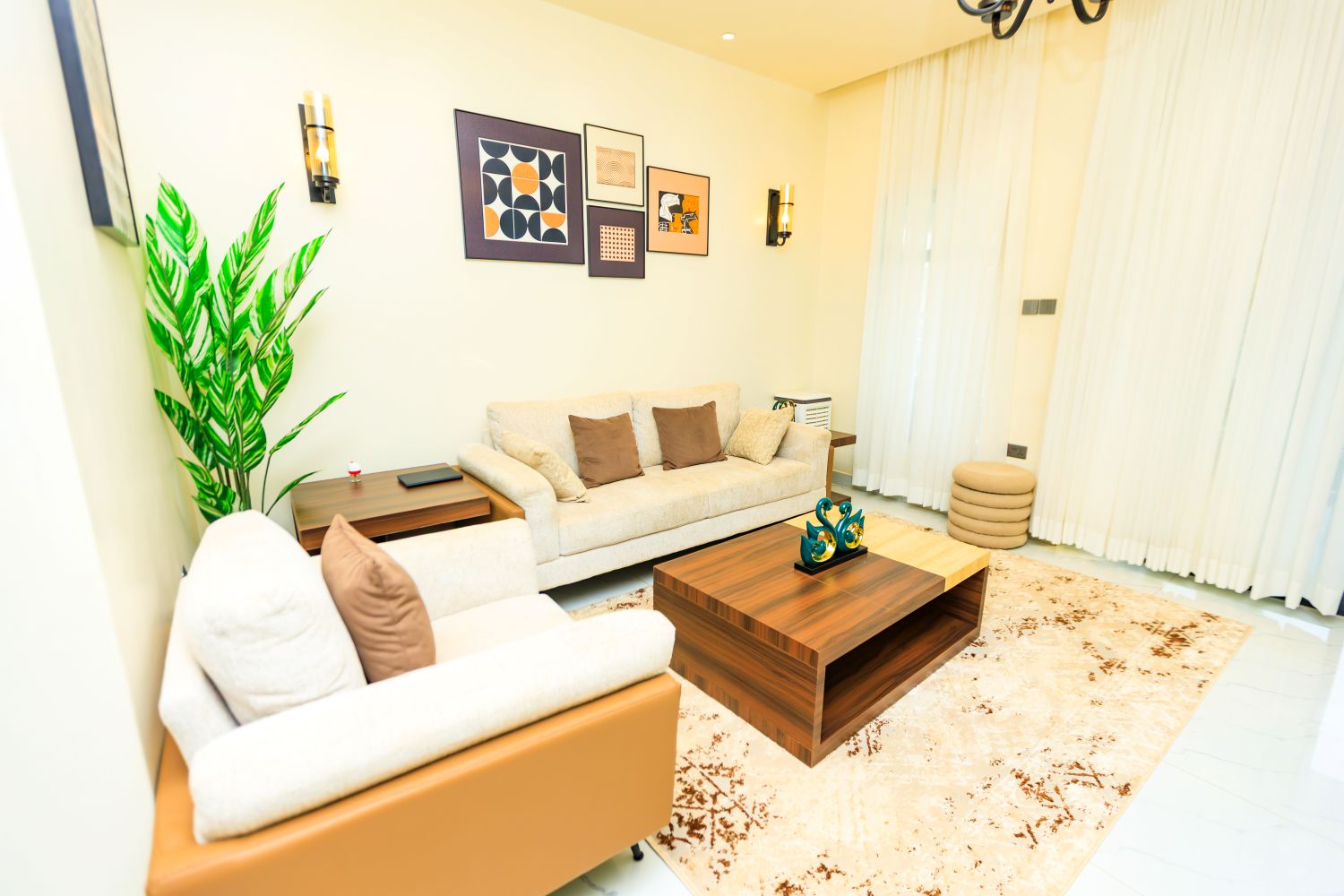

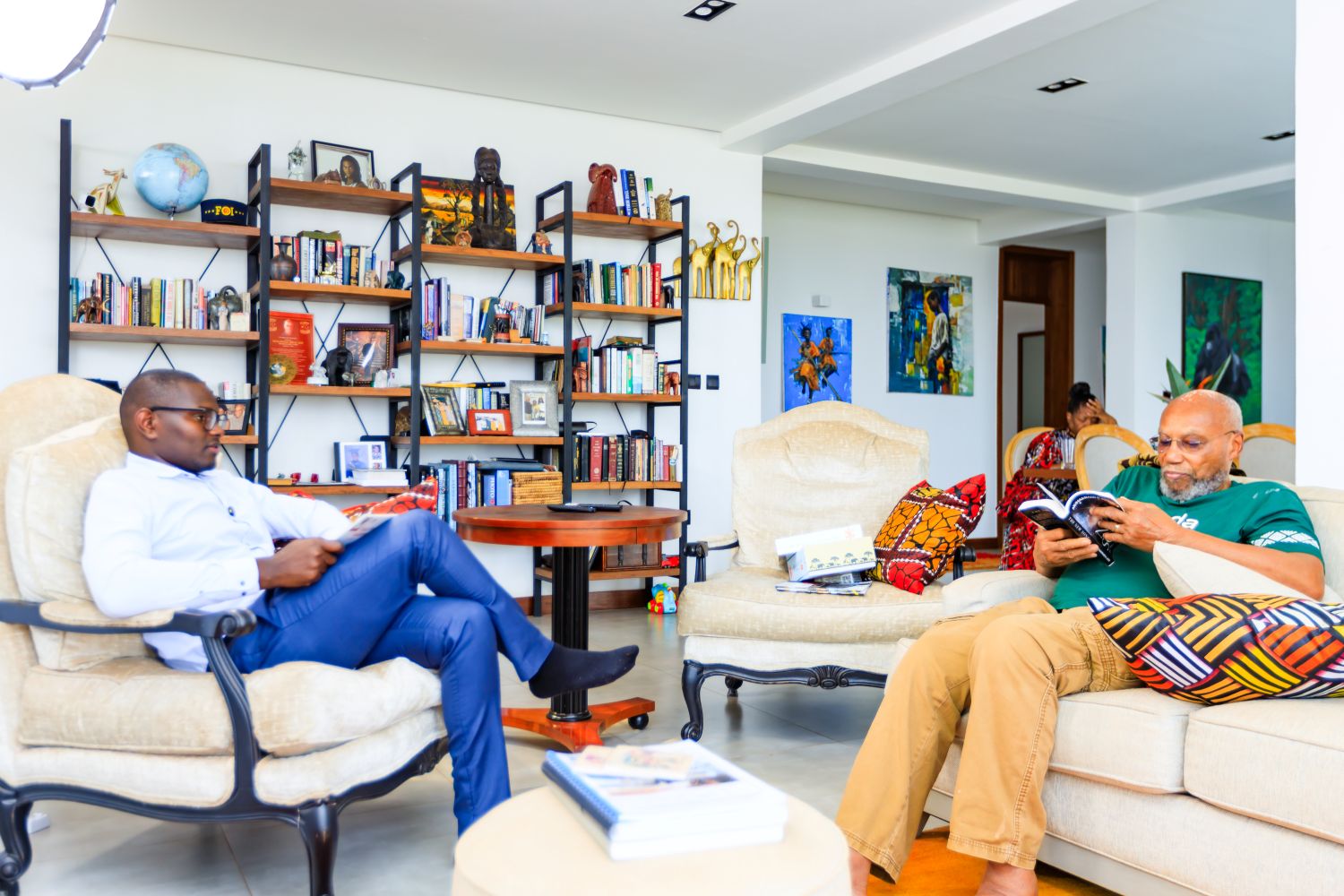
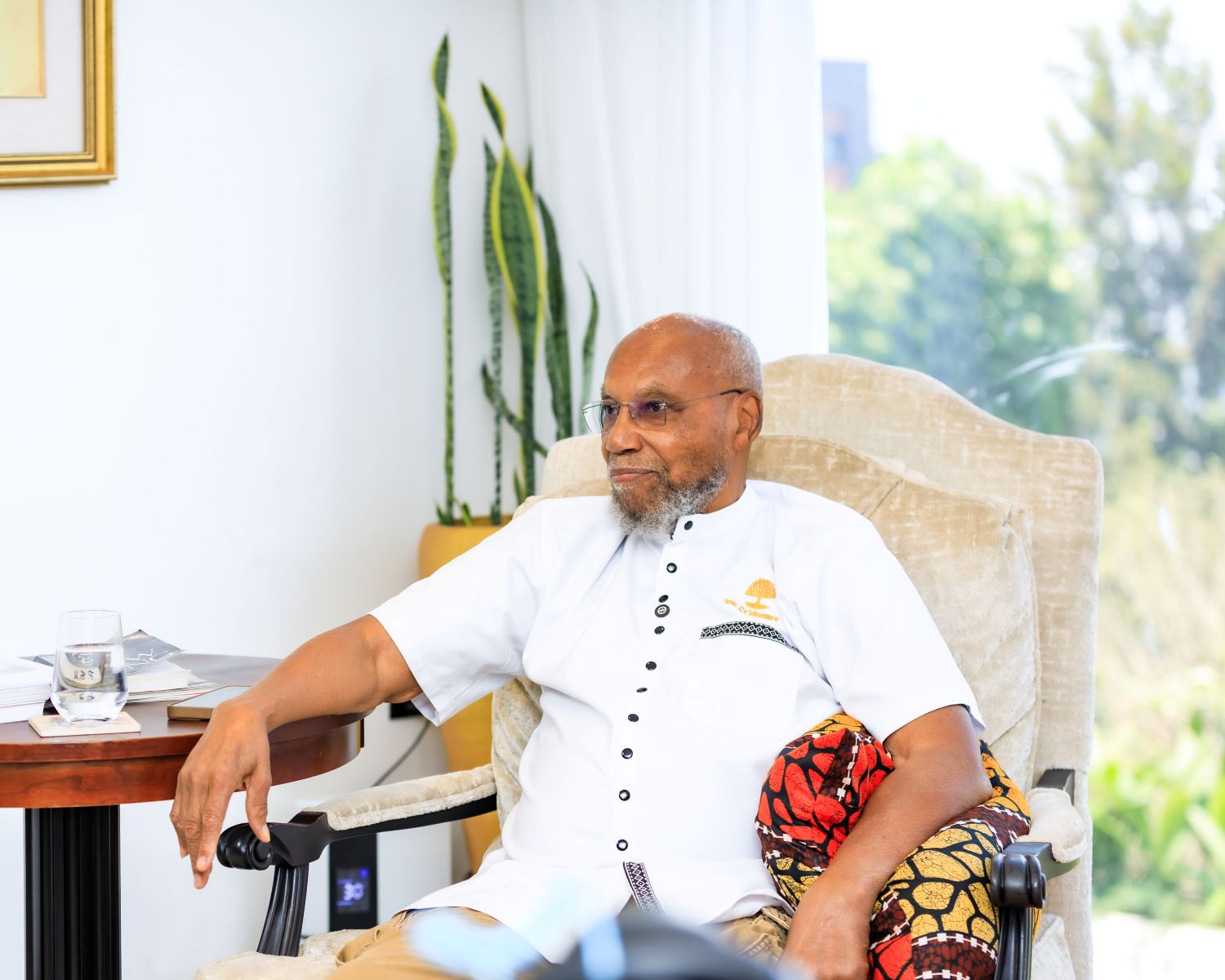
A man sits alone with a book, seemingly unaware, or perhaps simply unbothered, that he is being watched. He does not look up right away. When he finally does, it is with the calm of someone who has spent a lifetime learning to sit still with his own thoughts.
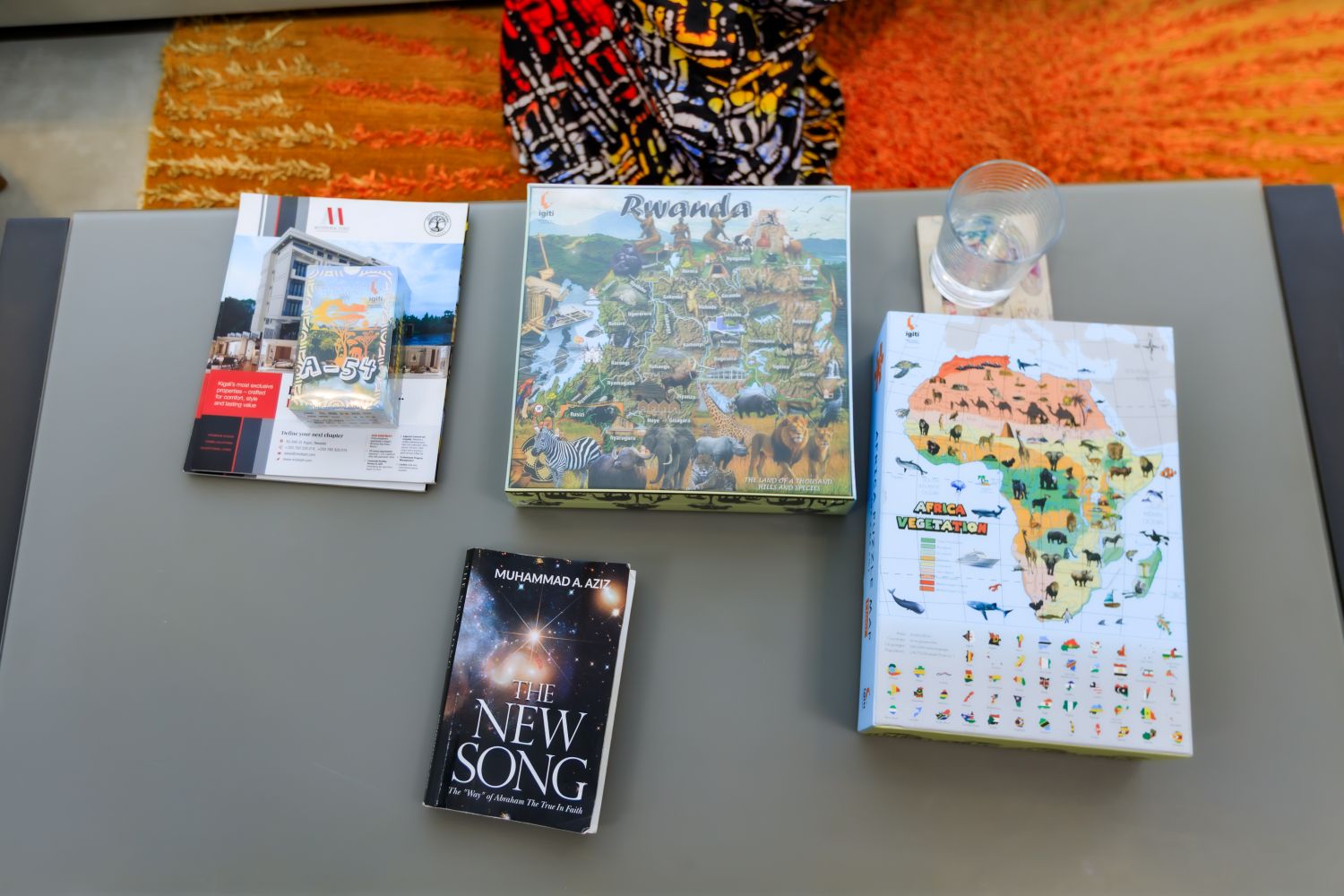
The book in his hands is titled 'The New Song', a work I would later learn was his own. Inside the house, his wife moves quietly, chatting with the new family they have made here.
This was my first encounter with Muhammad Aziz, before he agreed to sit down on camera and tell me about the life he has built in the Land of a Thousand Hills.
At 88, Aziz lives thousands of miles from the Bronx, where he was born, and from the courtroom where his name was tied to one of the most notorious assassinations in American history. He spent 20 years in prison after being convicted in the killing of Malcolm X, a crime he has always maintained he did not commit. It would take more than five decades before his conviction was vacated.
Today, he is learning Kinyarwanda, investing in property, supporting children's education and building a life in Rwanda with his wife.
But sitting on the living room couch, book in hand, there is little that immediately reveals the weight of the life behind him.
Twenty years taken away
Aziz was born in the Bronx on June 27, 1938, and grew up in poverty. Books became an early refuge. His stepfather brought home encyclopedias, and by the age of eight or nine, Aziz had developed a habit of reading that would stay with him for the rest of his life.
At 17, already a father, he joined the U.S. Navy. For a young Black man trying to change his circumstances, military service offered a route to money, education and a life beyond the neighbourhood he had grown up in.
'Trying to get out of the ghetto,' he says. 'That was a way for most, back then.'
By the early 1960s, Aziz had joined the Nation of Islam and was attending a mosque in New York where Malcolm X served as minister. His proximity to Malcolm X, he says, did not mean they were close.
'I was around him, but I didn't know him,' he explains.
That distinction would soon become almost irrelevant.
On February 21, 1965, Malcolm X was assassinated at the Audubon Ballroom in Manhattan as he prepared to address an audience. He had broken publicly with the Nation of Islam the previous year, embarking on an increasingly independent political and religious path. His assassination triggered an investigation that quickly focused on members of the organisation he had left.
Aziz was among three men arrested and charged.
He says the police broke into his home during his arrest and beat him, leaving him unable to walk. He also maintained that he had an alibi and that evidence supporting it was disregarded.
At trial, Talmadge Hayer, one of the three defendants, admitted participating in the assassination but testified that Aziz and the third defendant, Khalil Islam, had not been involved.
The testimony did not prevent their convictions.
In 1966, Aziz, then known as Norman 3X Butler, was convicted of first-degree murder and sentenced to life imprisonment. He was 27.
Decades later, he still speaks about the verdict with the same bluntness with which he speaks about much of his life.
'That's white America,' he reflects. 'Black people's word doesn't count. When did it count? Didn't count then. It doesn't count now.'
He believes the FBI knew of his innocence from the beginning and withheld it. 'They had special agents in the crowd, in the audience,' he stresses. 'They knew who was there. They knew what happened.'
Twenty years in prison followed, years he filled with reading, self-study, and eventually advocacy for other inmates, becoming the first chairman of a prison grievance committee.
But the cost outside the prison walls was one he could never fully recover. His children grew up without him, and the years of separation left a lasting fracture in his family. His then-wife, with whom he had four sons, later died.
'It destroyed my family,' he says. When he was paroled in 1985, his children were already grown, and the distance between them proved difficult to close. 'I was a stranger to them.'
'The one thing that bothers me extremely in terms of the Nation of Islam is that they didn't take care of my family,' he adds.
For decades after his release, Aziz continued to live under the shadow of the Malcolm X case.
Then, in 2020, the Netflix documentary Who Killed Malcolm X? brought renewed attention to the assassination and to the convictions of Aziz and Islam.
The Manhattan District Attorney's Office reopened the case and reviewed thousands of pages of records, including material from the FBI, NYPD and other agencies. The review identified evidence that had not been disclosed to the defence during the original proceedings.
In November 2021, a judge vacated the convictions of Aziz and Islam. Islam had died in 2009. He never lived to see his name cleared.
Aziz was later awarded compensation by New York State and New York City.
Asked if the multi-million dollar settlement feels like justice, Aziz is unmoved.
'I'm not thinking in terms of justice,' he says. 'I'm just thinking about the freedom to do what I want to do now.'
Choosing Rwanda
For years, Aziz had wanted to leave the United States but lacked the means to do so. After his release in 1985, he had hoped to rebuild his family ties and find a way to earn a living.
'I tried both,' he reflects. 'And I was essentially unsuccessful in both.'
After his conviction was vacated and his financial circumstances changed, he began researching places where he might build a new life.
He considered countries across South America, Central America, the Caribbean and Africa.
Eventually, his attention settled on Rwanda.
Aziz says he spent time studying Rwanda before making the move and was particularly drawn by the leadership of President Paul Kagame.
His wife was initially less certain.
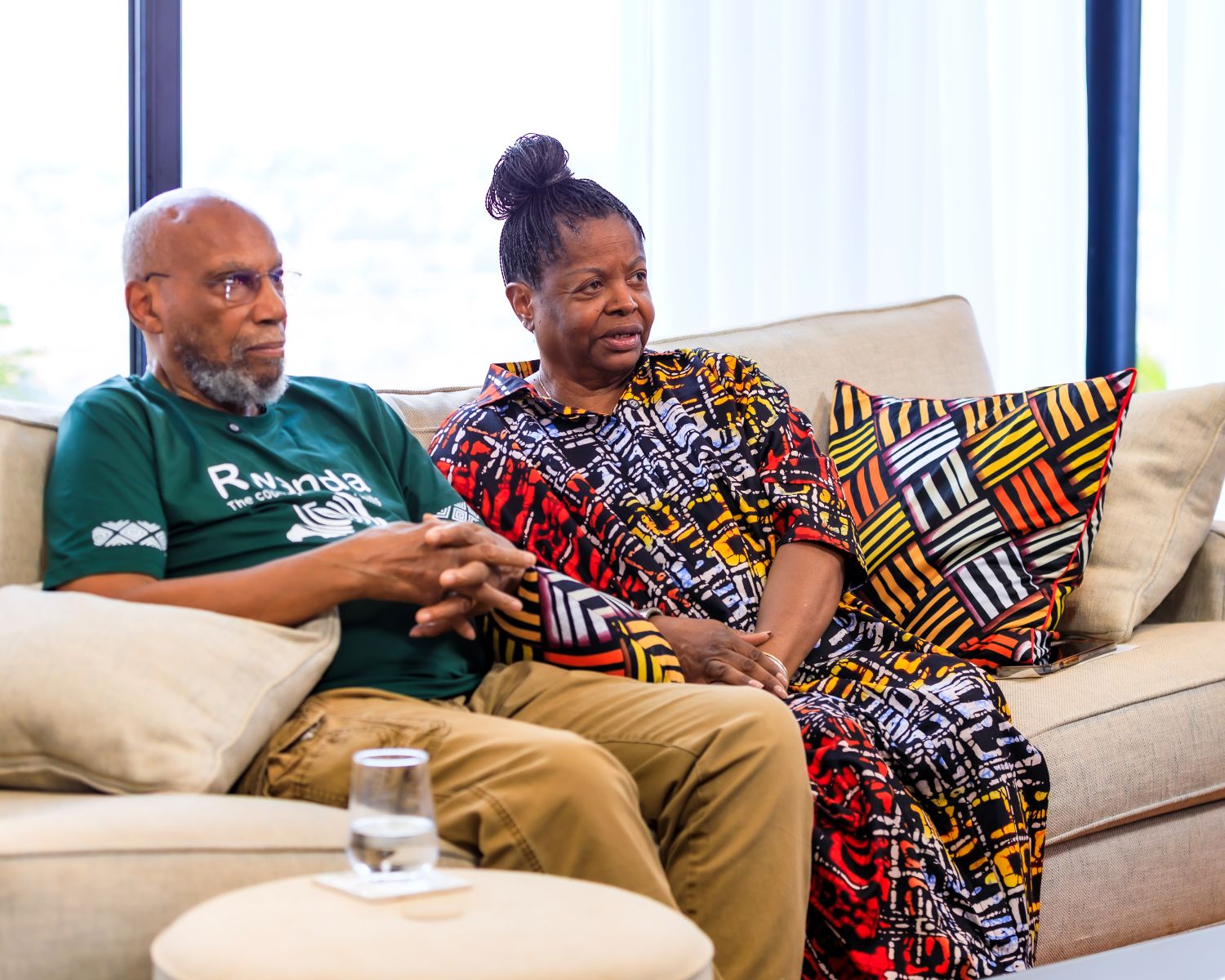
'When Muhammad said, 'We're going to Rwanda,' I said, 'Okay.' But all I knew about Rwanda was the 1994 Genocide against the Tutsi,' she recalls.
She began researching the country, as did her siblings. Their research focused on present-day Rwanda rather than the country remembered primarily through the events of 1994.
The answer, she says, was reassuring.
'They all got back to me and said it's a good place to go.'
The couple arrived in Kigali in 2023. They did not come simply to retire. They came to build.
Building a new life in Kigali
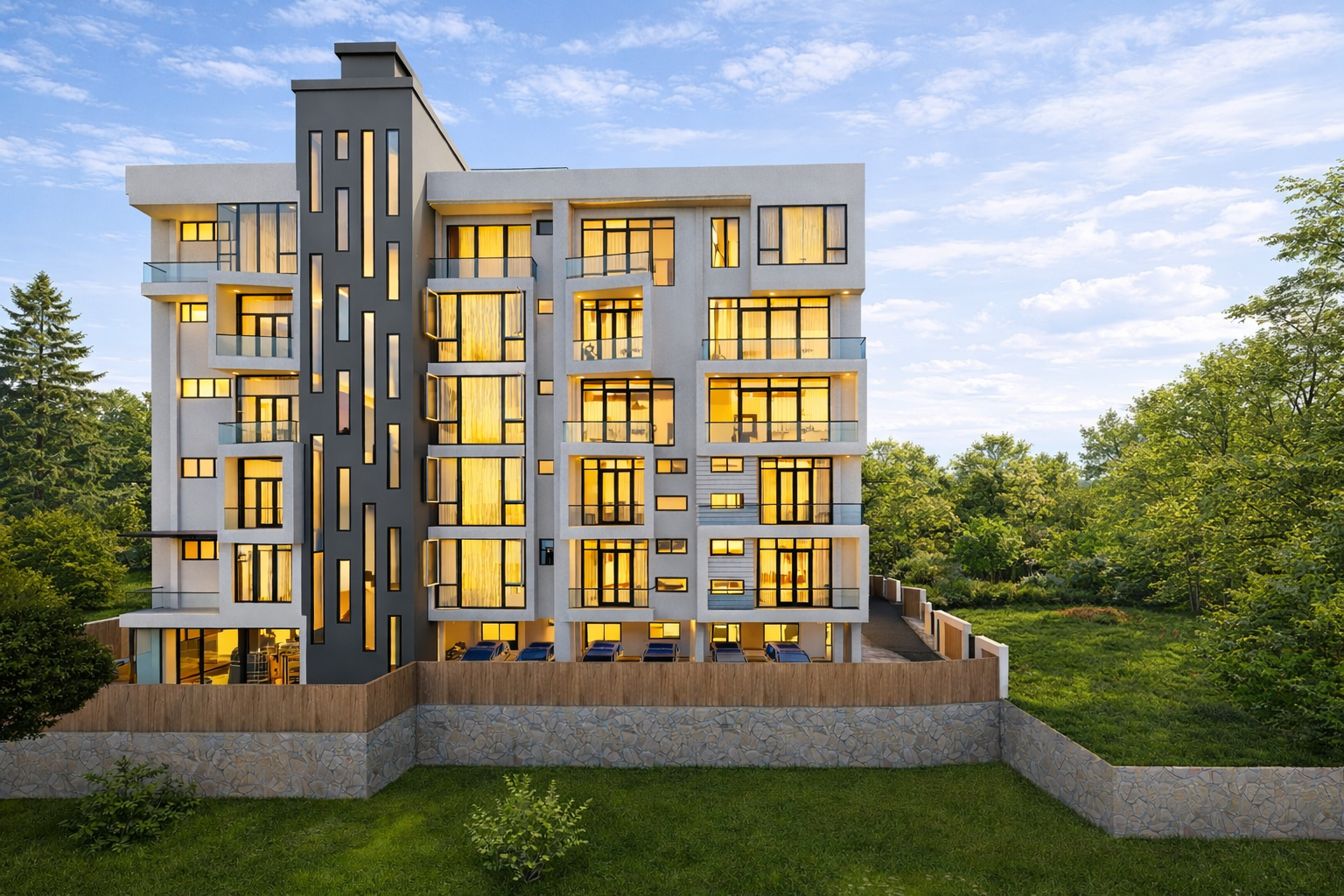
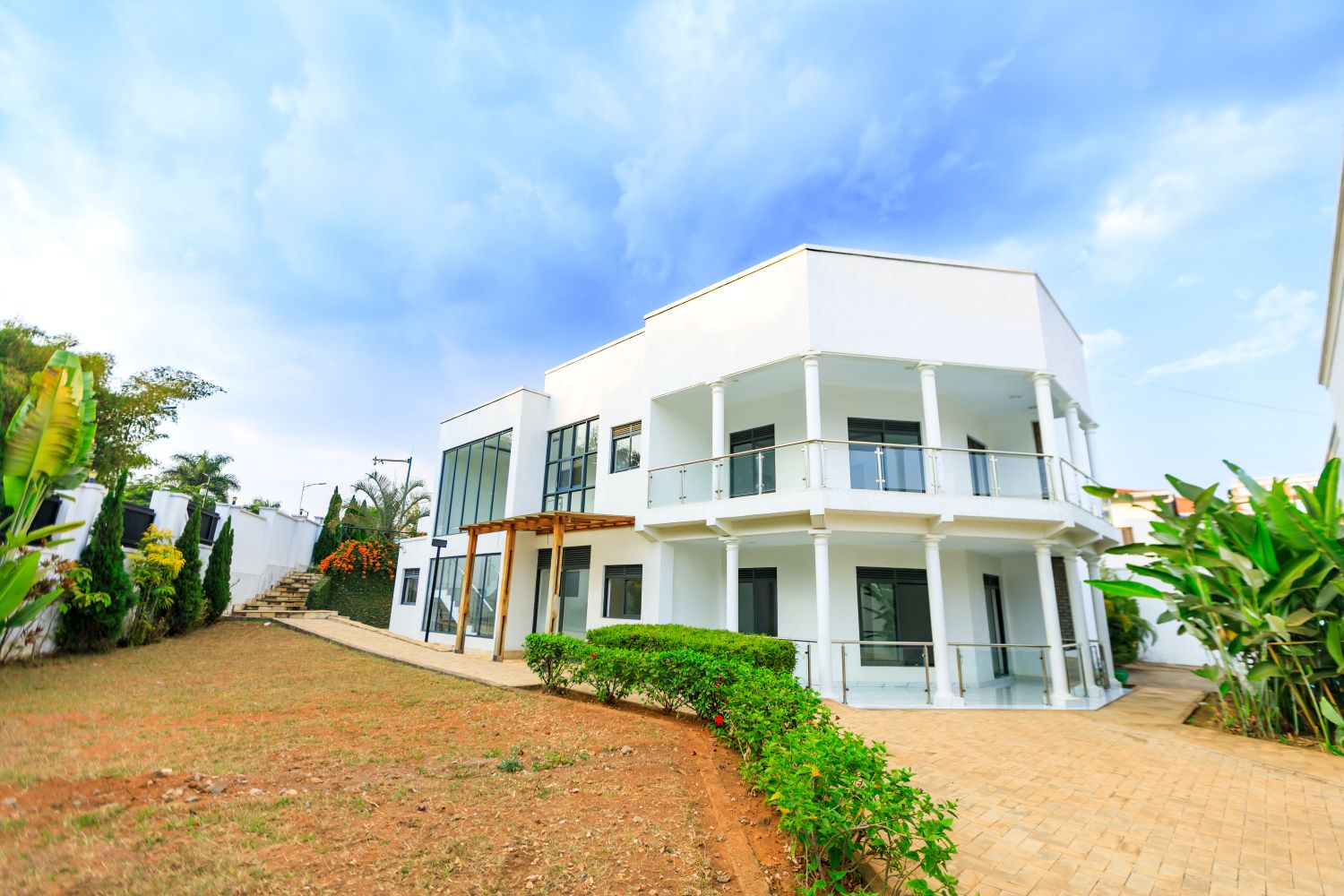
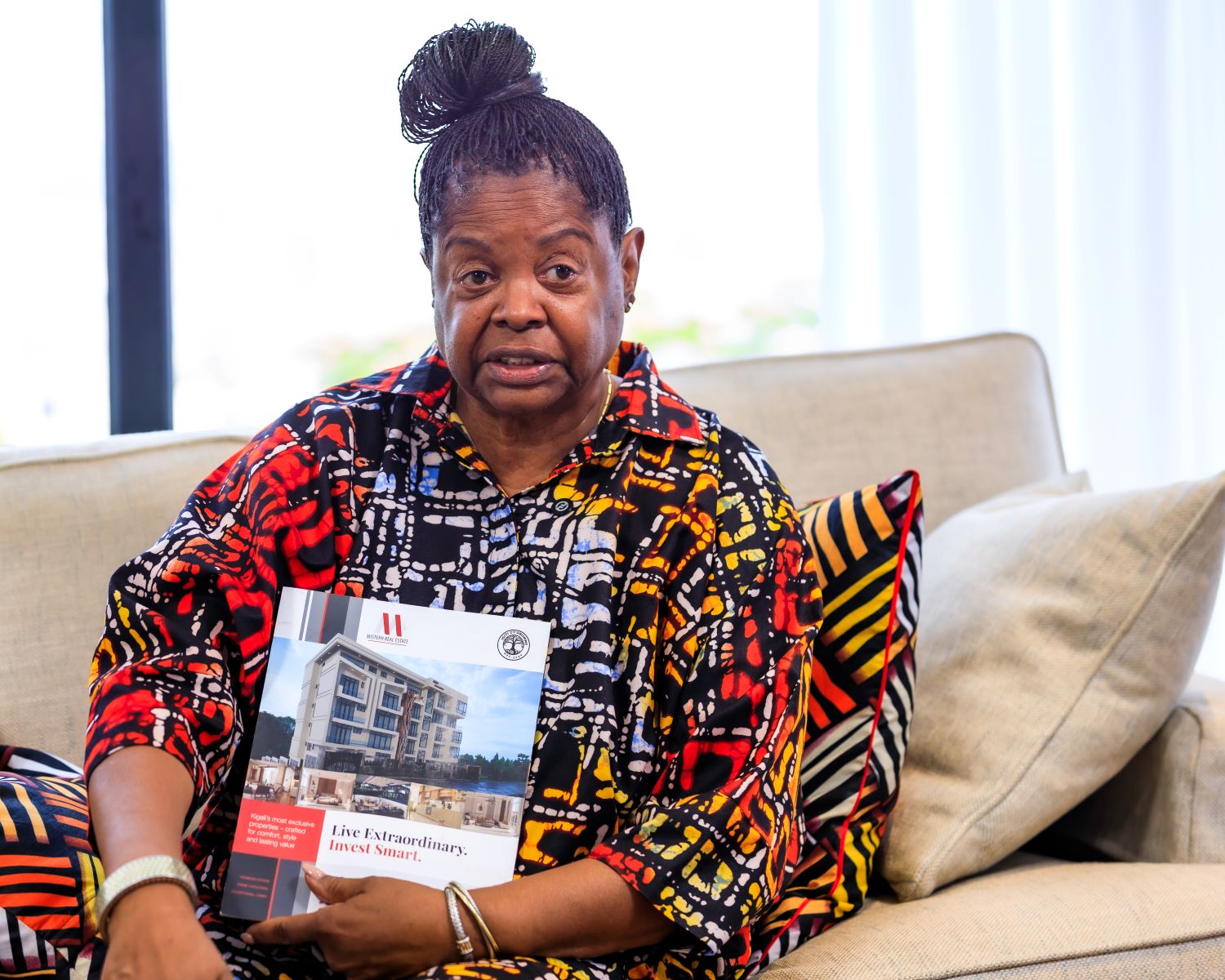
That new life has come with a new sense of purpose. The couple has invested an estimated $7.5 million in Rwandan real estate, including an apartment development, commercial buildings and lakefront property.
Their major projects include Seed Apartments, an 18-unit residential and investment development managed by Misteph Real Estate in Kimihurura, as well as a prime property they call the White House, located adjacent to the Kigali Convention Centre.
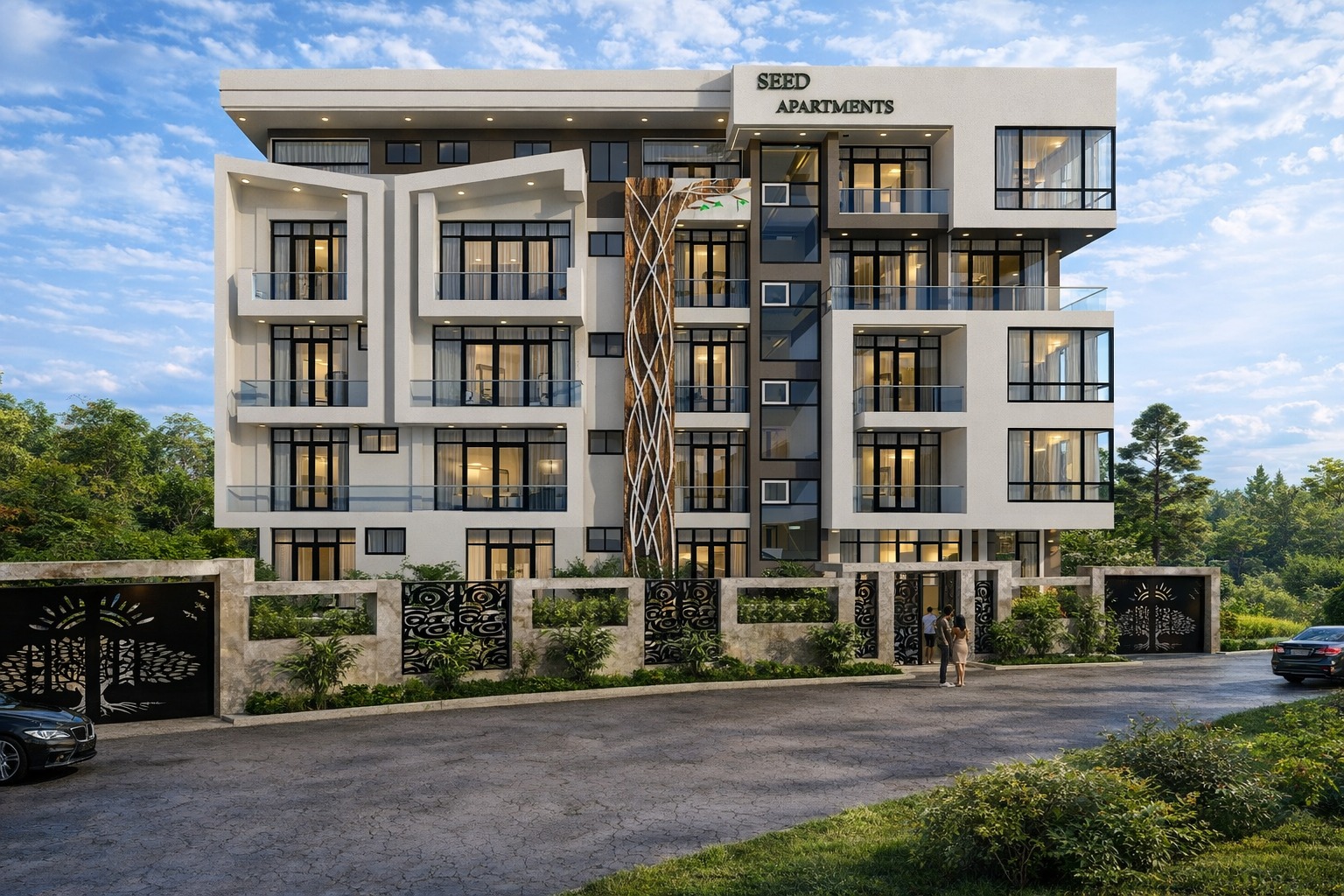
Aziz says the investments have already benefited hundreds of people locally, a number he hopes will continue to grow.
But the couple's ambitions in Rwanda extend beyond buildings.
In addition to their investments, the couple has made education an important part of their commitment to Rwanda.
Believing that 'education is a way out of poverty,' the couple began covering school fees for children in the village near their home, 30 students the first year, 100 the next and the numbers have kept growing since.
They've since launched a business producing educational puzzles and card games that teach Rwandan children about the continent, built with three young Rwandan partners, with proceeds feeding back into the community.
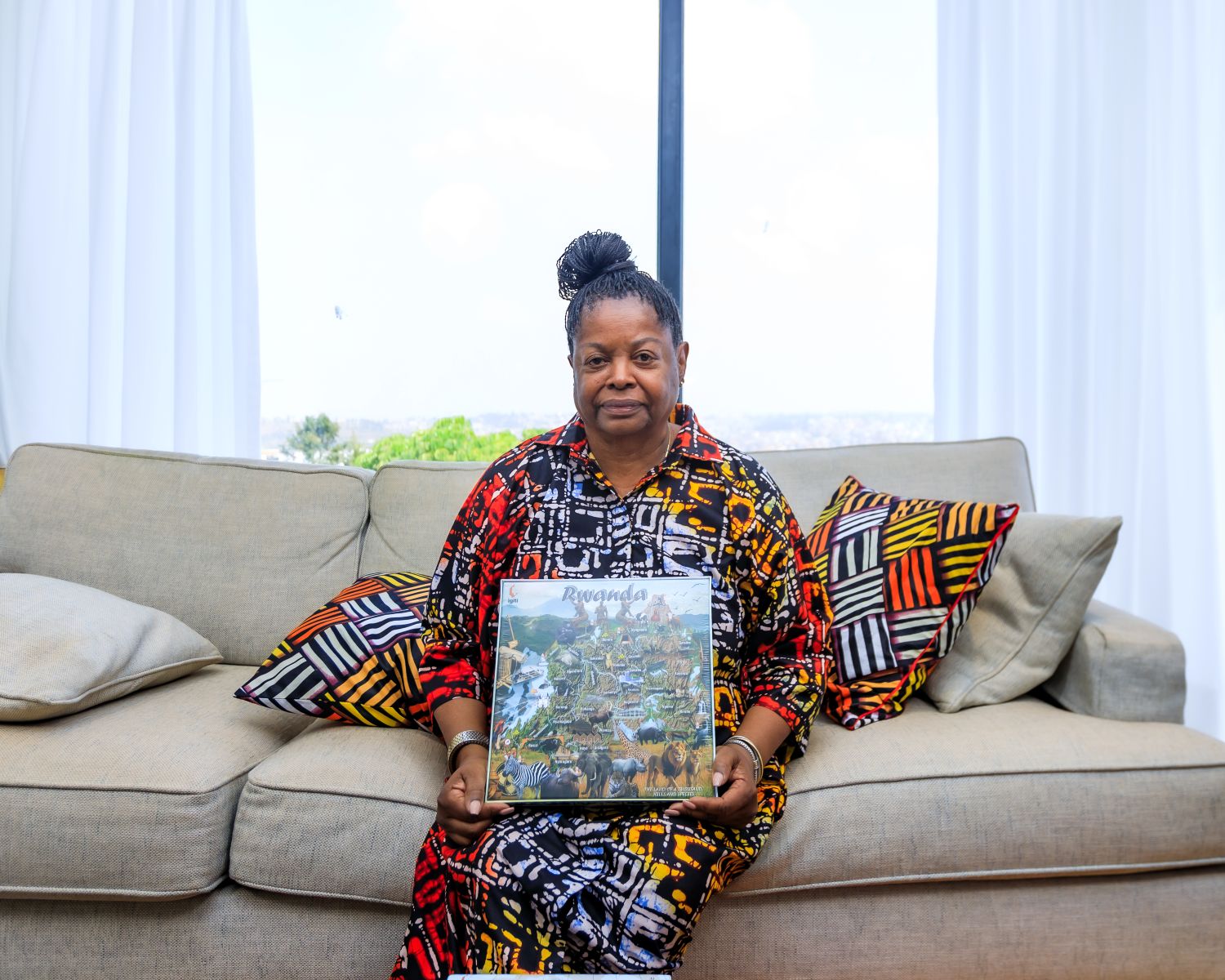
For Aziz, it also reflects the philosophy that has followed him from the prison library to the Kigali hillside.
'Children learn best when they're playing,' he says, a philosophy behind giving young people something that roots them in their own history and identity, rather than one borrowed from elsewhere.
Their involvement in Rwanda has also taken them into different aspects of life in the country, including supporting initiatives such as Kwita Izina, Rwanda's annual gorilla naming ceremony.
'There's so much energy put into environmental preservation here,' the wife notes.
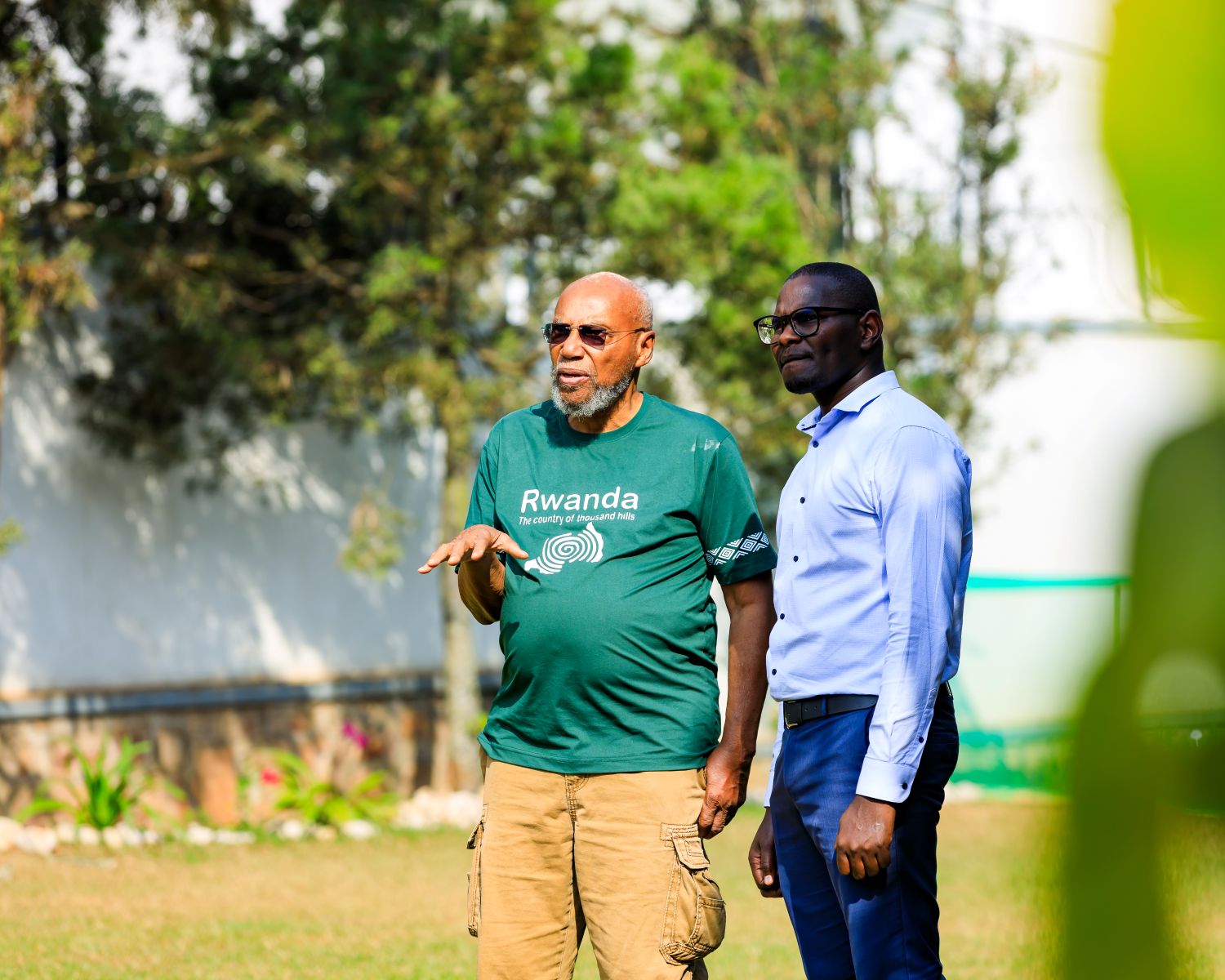
As they settle into their new home, the family is also learning Kinyarwanda, attending classes three times a week. Aziz admits he would like more immersion, acknowledging the language's 'massive' nuances.
'I'm not going anywhere'
His wife says it is the everyday experience of Rwanda that has made the country feel like home.
She speaks about the calm she encounters in Kigali, the friendliness of people and the absence of the kind of tension she associated with life in the United States.
'This is a peaceful place,' she says. 'Everybody gives each other a hug when they see each other.'
The family speaks fondly of Rwandan real estate developer Stephen Milindi, who they say has helped them settle into their new life. They have also applied for Rwandan citizenship, hoping one day to become citizens of the country they now call home. For Aziz, there appears to be little uncertainty about where that home is.
'I'm here,' he remarks. 'I'm not going anywhere.'
Watch the full documentary on the Aziz family's new life in Rwanda below.