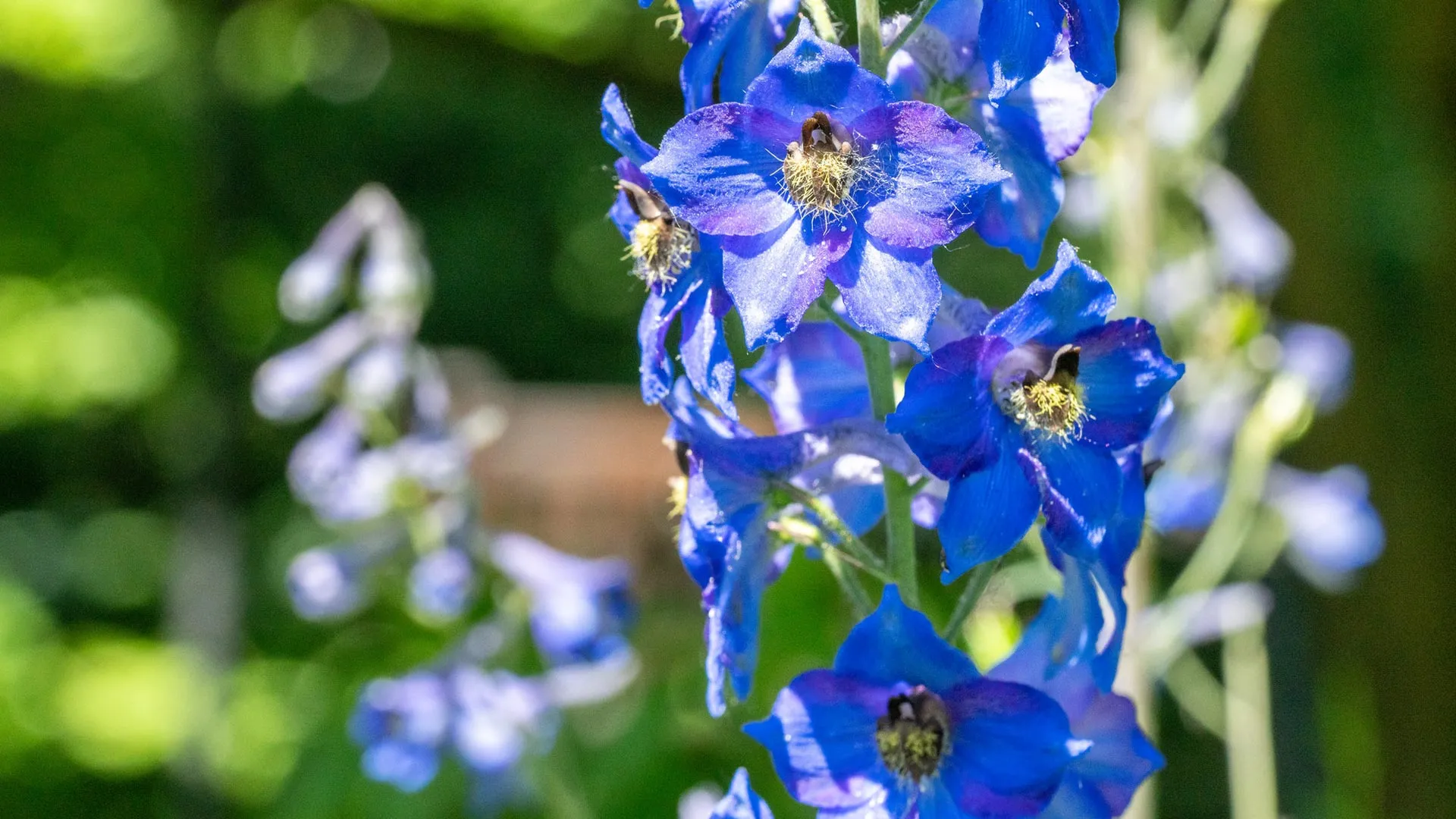

Scientists have uncovered how two highly poisonous flowers produce complex chemical compounds that could one day contribute to the development of new medicines for conditions such as pain, malaria and cancer.
Researchers from Michigan State University and the Czech Academy of Sciences studied two toxic plants, wolfsbane and larkspur, to understand how they create powerful natural chemicals known as diterpenoid alkaloids.
Although these plants can cause severe nerve damage and paralysis when consumed in dangerous amounts, scientists say their chemical properties may also provide valuable opportunities for medical research.
The study focused on a compound called atisinium, which belongs to the diterpenoid alkaloid family. These natural substances have attracted scientific interest because of their potential biological effects, but their complicated structures have made them extremely difficult to produce and study.
To discover how these plants manufacture their chemicals, researchers analyzed thousands of genes from different species of wolfsbane and larkspur.
They identified six key enzymes that work together like a biological production line, allowing the plants to build atisinium.
Scientists then transferred the genetic instructions responsible for producing the compound into tobacco plants. The modified plants successfully recreated the chemical process, showing that they could potentially serve as 'living factories' for producing rare natural compounds.
Plants have long been a major source of medicines. Many widely used substances, including caffeine, menthol and some cancer treatments, are either directly obtained from plants or inspired by plant chemistry.
Researchers believe that understanding how poisonous plants create these compounds could help develop safer and more sustainable ways to produce them in larger quantities.
'Our vision is to provide green, sustainable tools that will allow us to harness these plants' natural power,' said Björn Hamberger, one of the researchers involved in the study.
The findings, published in the scientific journal Molecular Plant, could open new possibilities for studying plant-based chemicals and exploring their future applications in medicine and agriculture.