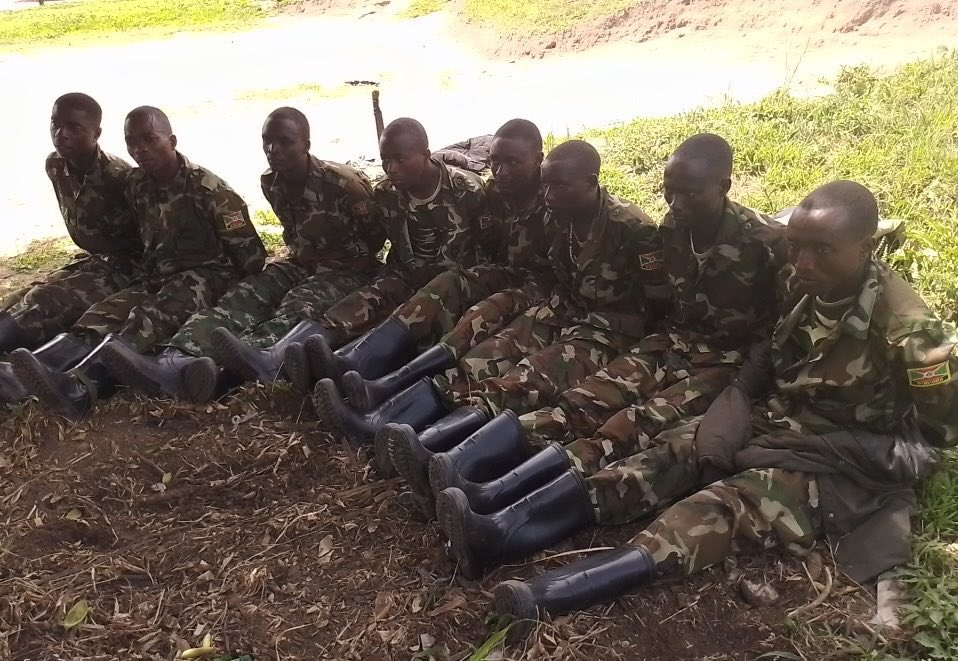

Burundi officially deployed troops to the DRC in 2022 under a bilateral security agreement. The forces initially operated in South Kivu Province, where they were reportedly deployed to fight Burundian armed groups, including Red Tabara, FOREBU, and FNL-Nzabampema.
In 2023, the agreement between Burundi and the DRC was renewed, leading to the deployment of Burundian troops to North Kivu Province to support the Congolese army in its fight against the AFC/M23 coalition, which had expanded its control over several areas.
However, since their deployment to Masisi Territory, Burundian forces have faced allegations of working with the FDLR, a terrorist group opposed to the Rwandan government, and supporting its activities alongside Wazalendo fighters in attacks that have affected civilians.
Survivors of an October 2023 attack carried out by FDLR and Wazalendo fighters in Nturo village, Masisi Territory, alleged that Burundian troops had a military position nearby but failed to intervene as their homes were set on fire and they were left without protection.
The FDLR has continued to be linked to attacks in areas controlled by AFC/M23 and the MRDP-Twirwaneho armed group in South Kivu Province, including Minembwe, where several civilians have reportedly been killed.
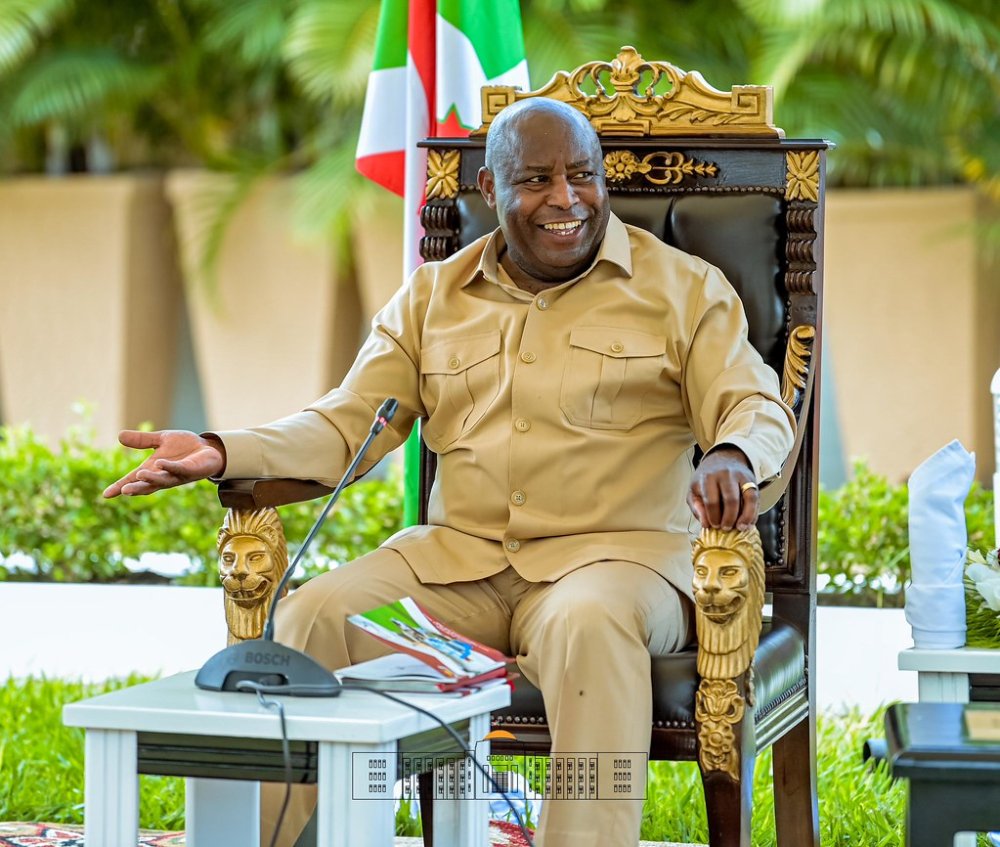
Speaking during an interview with BBC Gahuzamiryango published on July 31, 2026, President Ndayishimiye said Burundian troops were deployed to support the Congolese government and operate under the command of authorities in Kinshasa, which determines where they are deployed.
He said: 'The FDLR is on Congolese government side. Our Burundian army went there to support the Congolese government. It is not Burundi that is fighting in Congo. We send troops who are under the command of the Congolese government. You cannot ask me, 'How are they deployed?'' Ndayishimiye said.
The Burundian president argued that troops deployed to another country should be considered as part of the mission they are assigned to, similar to peacekeeping operations, where responsibility for their actions lies with the mission's command structure.
'I send troops to Somalia, and once they arrive, they become African Union troops. In the Central African Republic, they arrive and wear the United Nations uniform. They are no longer called Burundian troops; they are UN troops that came from Burundi,' he said.
Ndayishimiye added that countries sending troops abroad to support another government should not be viewed as participating in a conflict but rather as assisting the host country.
'This is why people need to understand the difference. When a country sends troops to another country to provide support, it is not going there to attack; it is going there to help. The actions are carried out by the country receiving that assistance,' he said.
Meanwhile, reports have continued to allege that FDLR leaders have held meetings with senior Burundian military officers in border areas, including Cibitoke, where they allegedly discussed military operations and agreed to maintain cooperation.
In early December 2025, after AFC/M23 captured several areas in Uvira Territory near the Ruzizi Plain, reports indicated that Burundi had received fighters fleeing the fighting, including members of FDLR and Wazalendo, who were reportedly accommodated at the Mwaro military camp.
Following intense clashes in Minembwe and surrounding areas in early July 2026, reports further indicated that Burundi received wounded fighters, including members of FDLR and Wazalendo, who were taken to medical facilities, including Tanganyika Care Polyclinic.