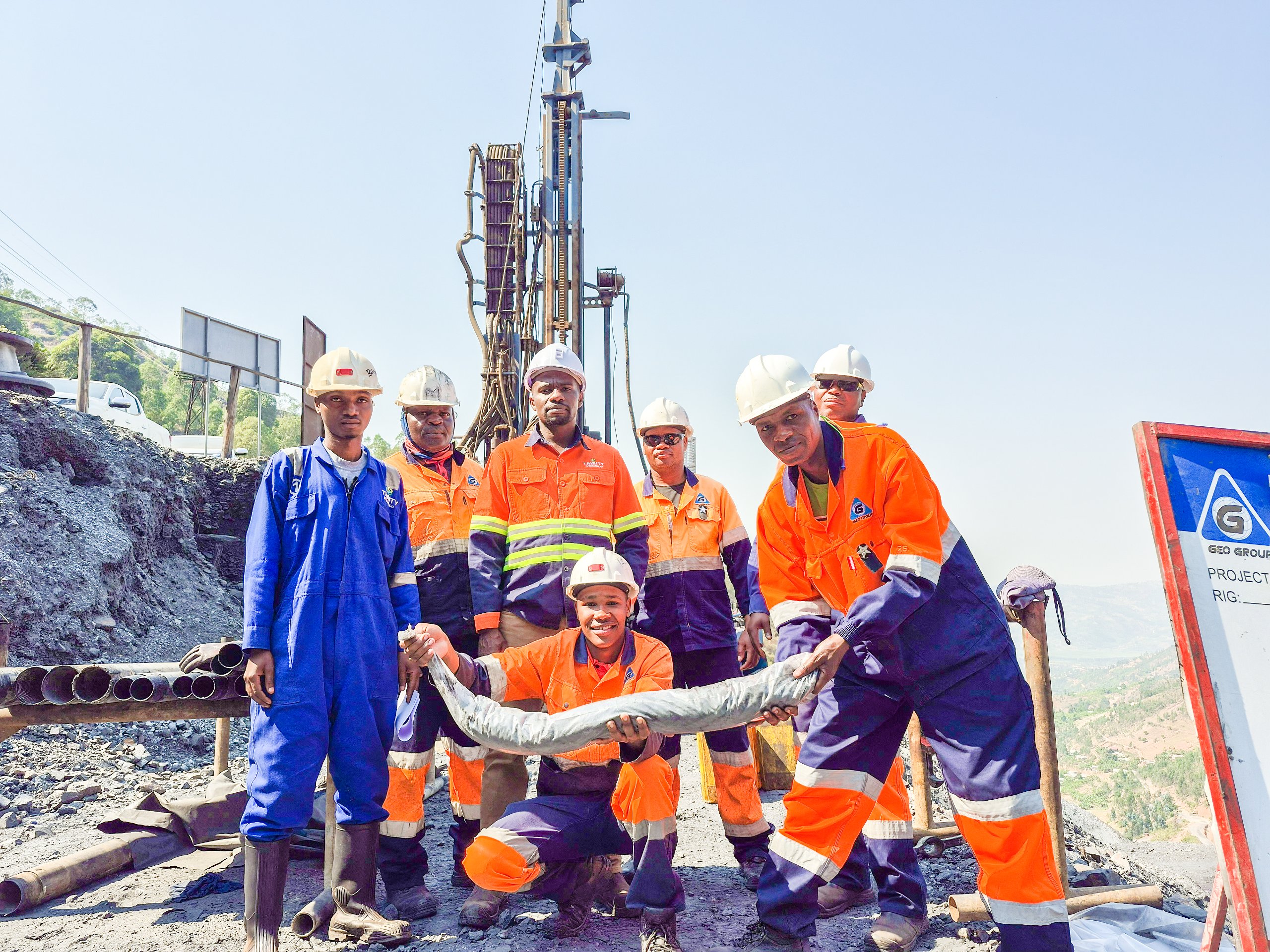

The Rwanda-based mining company said the initiative will focus on evaluating between 2.5 million and 3 million tonnes of historically mined stockpiled material, with the goal of unlocking additional tungsten resources while advancing more sustainable mineral recovery.
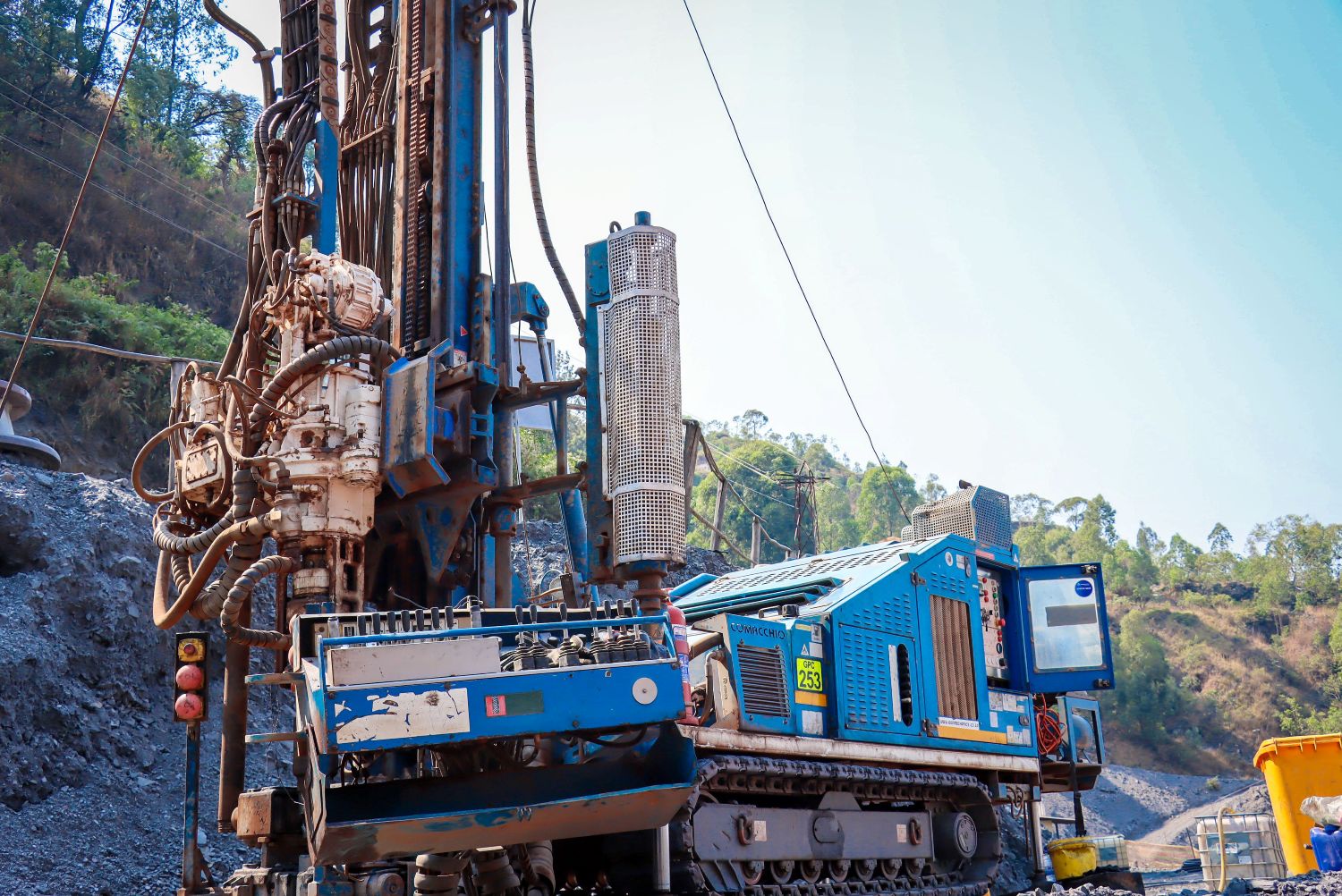
Sonic drilling is a modern exploration technique that uses high-frequency vibrations to advance a drill through the ground while producing continuous, high-quality core samples. Compared with conventional drilling methods, it causes less disturbance to the material being sampled, making it particularly effective for evaluating loose or unconsolidated stockpiles such as those at Nyakabingo.
The campaign will involve up to 106 drill holes reaching depths of between 12 and 20 metres. Around 210 samples will be collected for metallurgical testing and particle size distribution analysis, while approximately 1,600 additional samples will undergo laboratory-grade analysis to support an updated Mineral Resource Statement.
According to the company, the results are expected to substantially increase Nyakabingo's mineral resource estimates, providing greater confidence for future investment decisions and supporting planned expansion of mining and mineral processing operations.
Peter Geleta, Chief Executive Officer of Trinity Metals, said recovering additional value from the mine's historical stockpiles would strengthen both the company's growth prospects and Rwanda's position in the global tungsten market.
'By unlocking additional value from the Nyakabingo mine stockpiles, we will significantly increase our mineral resource base, creating new opportunities to increase production, and entrenching Trinity Metals and Rwanda as a leading global supplier of tungsten,' Geleta said.
He added that the company would publish an updated mineral reserve and resource statement after completing the drilling programme to guide long-term mine planning and optimise mineral recovery.
Trinity Metals estimates that re-evaluating the stockpiled material could add approximately 2.5 million tonnes to Nyakabingo's resource base at an estimated grade of 0.3% tungsten trioxide (WO₃). The findings will also inform the design of a modern processing plant intended to improve recovery from both newly mined ore and legacy stockpiles.
The company said the project forms part of its broader sustainability strategy by recovering valuable minerals from historical stockpiles while reducing the environmental footprint associated with new resource extraction. It noted that only environmentally approved drilling fluids will be used and that all water generated during drilling will be safely managed through the mine's existing water management infrastructure.
Following the Nyakabingo campaign, Trinity Metals plans to undertake similar resource assessments at its Musha and Rutongo mines as part of a group-wide strategy to maximise resource recovery and improve operational efficiency.
Formed in 2022 through the merger of the Nyakabingo Tungsten Mine, Rutongo Tin Mine and Musha Tin and Tantalum Mine, Trinity Metals is Rwanda's largest producer of conflict-free critical minerals, employing more than 6,500 people. The company also owns the prospective Ntunga lithium project on its Musha concession.
The latest drilling initiative builds on Trinity Metals' recent expansion efforts. In June, the company announced that Nyakabingo had grown its exports to supply up to 20 percent of monthly primary tungsten demand in the United States and outlined plans to triple production, pursue a New York Stock Exchange listing and invest $150 million in modern mineral processing facilities in Rwanda.