

Despite the current absence of a Rwandan Ambassador or official representative of the Embassy of Rwanda in Belgium, the celebration attracted a large number of members of the Rwandan community who came together to commemorate a historic milestone that symbolizes the end of one of the darkest periods in Rwanda's history and the beginning of a new era of reconstruction and development.
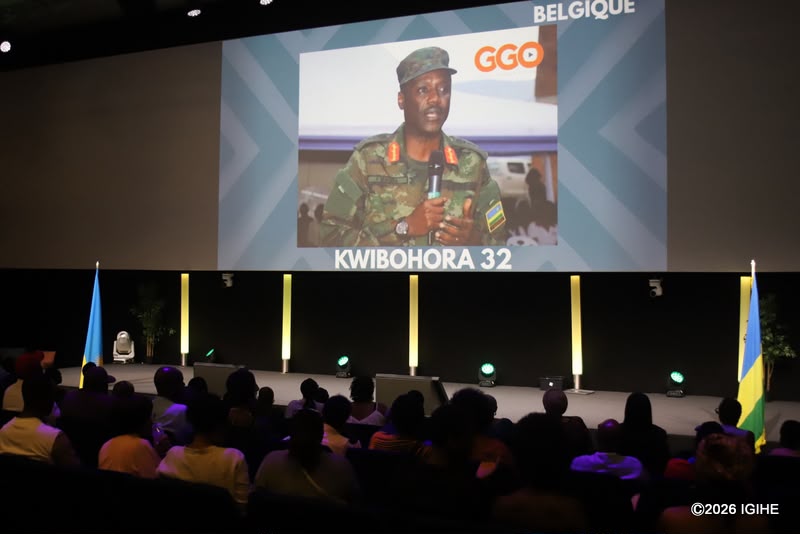
The event began with the reception of guests, followed by the official opening ceremony. Participants sang the Rwandan National Anthem and observed a moment of silence in honor of the nation's heroes before watching a documentary highlighting the history of Rwanda's liberation struggle and the country's transformation journey.
In his opening remarks, the President of the Rwandan Diaspora in Belgium (DRB-Rugari), Ernest Gakuba, emphasized the significance of Kwibohora in Rwanda's contemporary history and underscored the important role the diaspora continues to play in the country's development.
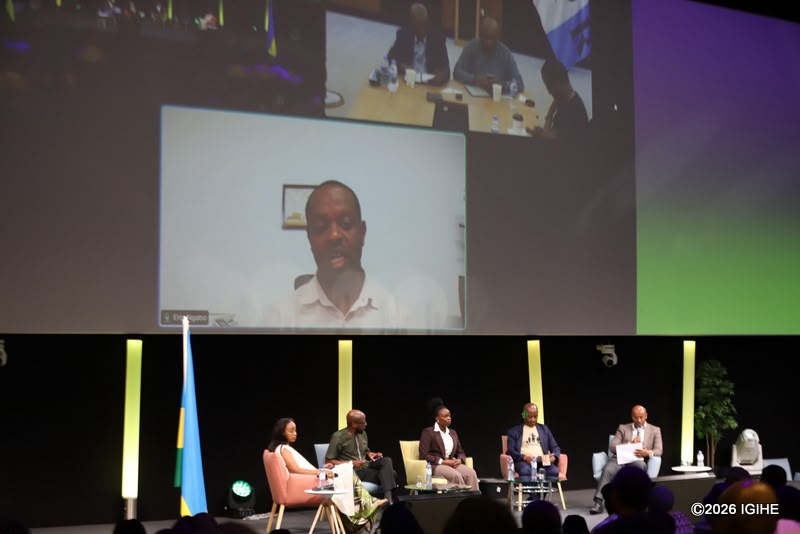
One of the highlights of the celebration was a panel discussion focusing on the history of Rwanda's liberation and the country's remarkable progress over the past 32 years.
Faustin Musare reflected on the origins of the liberation struggle and the circumstances that led to its launch. Dr. Assumpta Kayiranga, who joined from Canada, spoke about the 1994 Genocide against the Tutsi, the resilience of survivors, and Rwanda's journey toward recovery and renewal.
Meanwhile, Lawyer Richard Gisagara, speaking from France, addressed issues of justice, reconciliation, and national unity, while Aimée Rulinda highlighted the role of Rwandan citizens in driving the country's transformation.
The second panel focused on Rwanda's reconstruction after 1994. Protais Musoni shared insights into rebuilding national institutions and infrastructure, while Eric Ngabo discussed Rwanda's achievements in technology and innovation. Béatrice Feza highlighted the contribution of women and youth to national development, and Aloys Rubayiza spoke about the importance of investment in fostering economic growth.
The discussions concluded with an interactive question-and-answer session with participants, followed by remarks from Ernest Gakuba on the contribution of the Rwandan diaspora to Rwanda's development and international visibility.
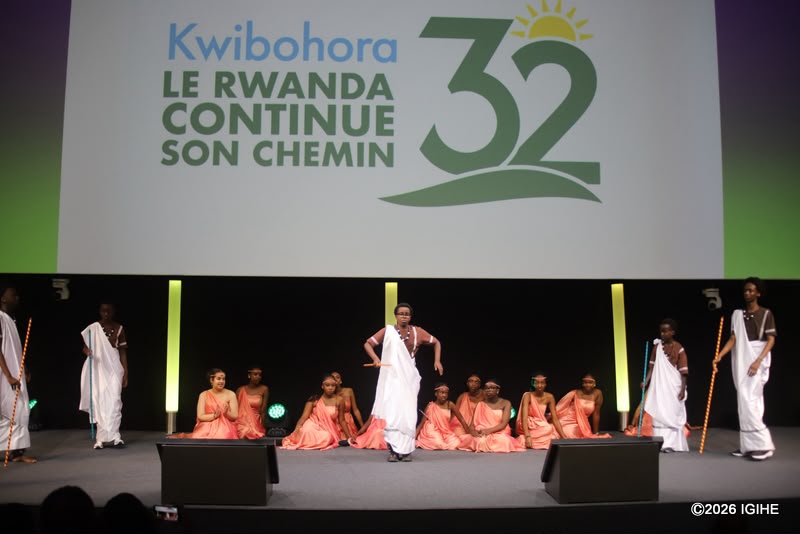
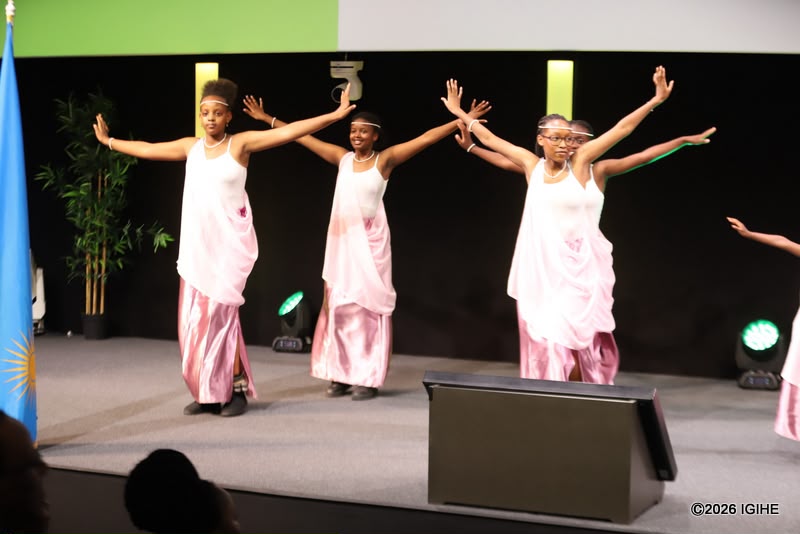
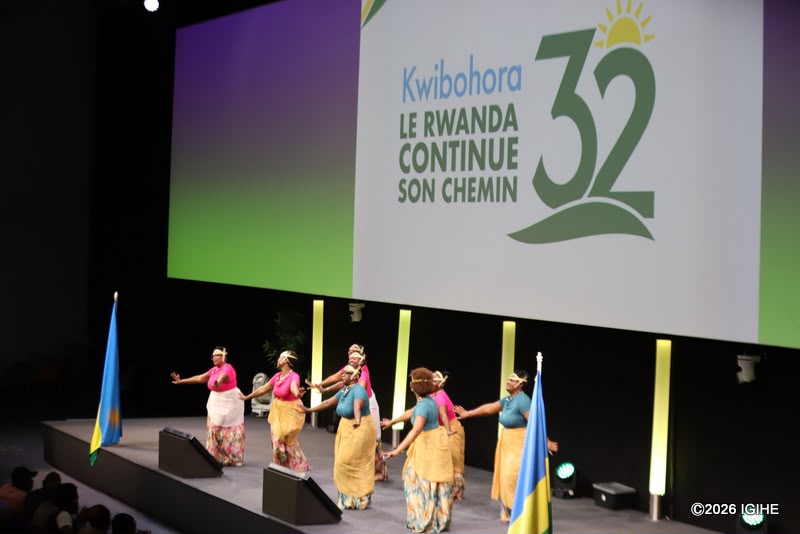
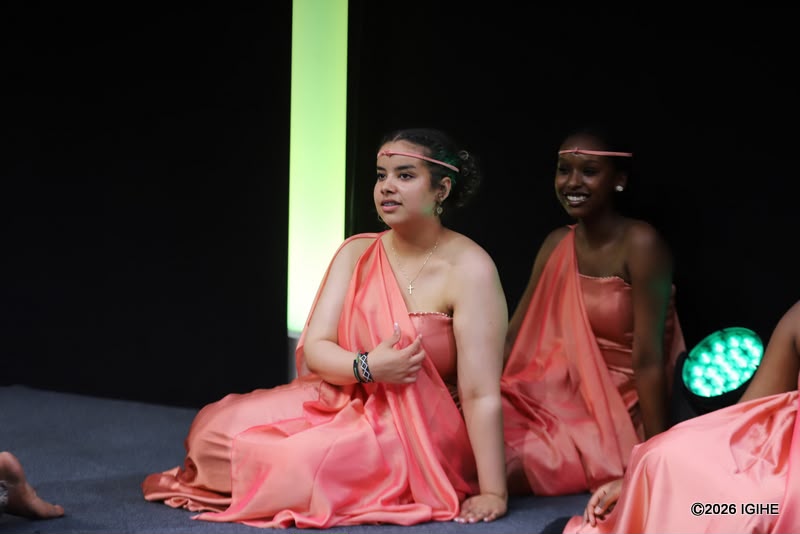
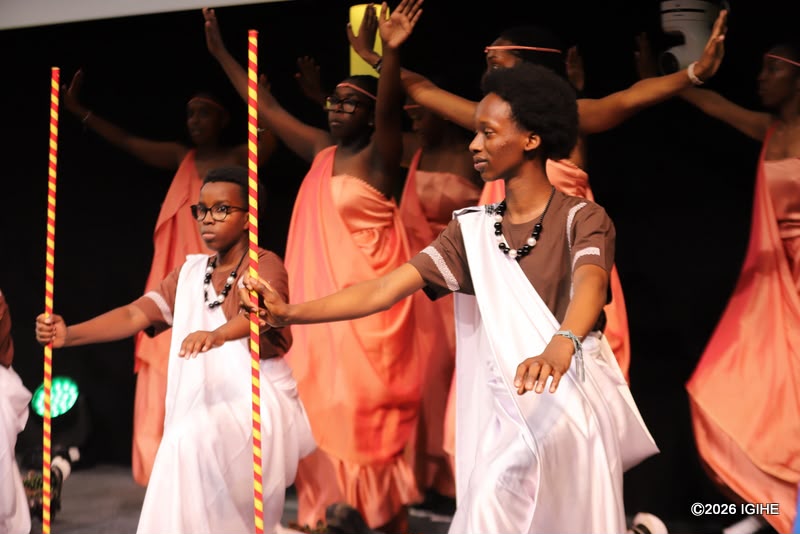
Rwandan culture also featured prominently throughout the celebration. Traditional dance groups Amariza, Itetero, and Umurage showcased Rwanda's rich cultural heritage through captivating performances.
Musicians Cyusa Ibrahim and Diana Teta also entertained attendees with performances that added a festive atmosphere to the event.
The celebration ended with a social gathering that provided participants with an opportunity to reconnect, strengthen community ties, and share experiences.
Beyond commemorating the victory that ended the Genocide against the Tutsi and liberated Rwanda, Kwibohora32 in Belgium served as an important platform for transmitting history to younger generations, promoting the values of unity and resilience, and reaffirming the commitment of the Rwandan diaspora to Rwanda's continued development and progress.
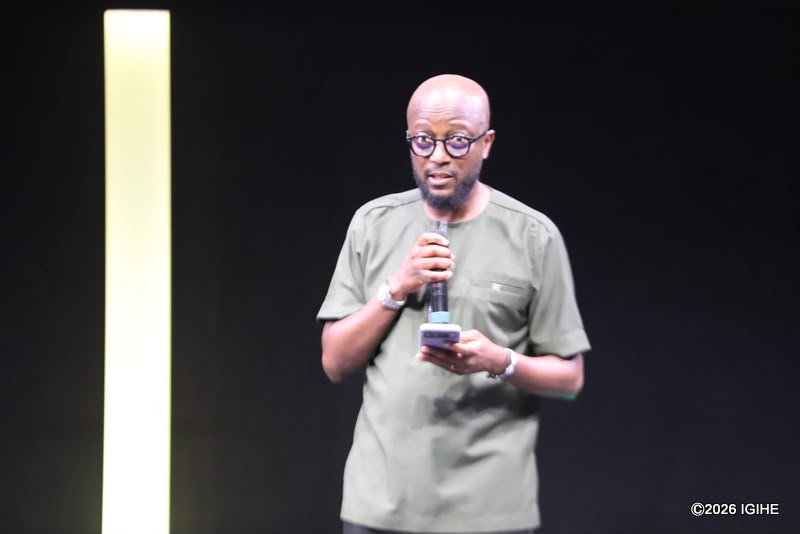
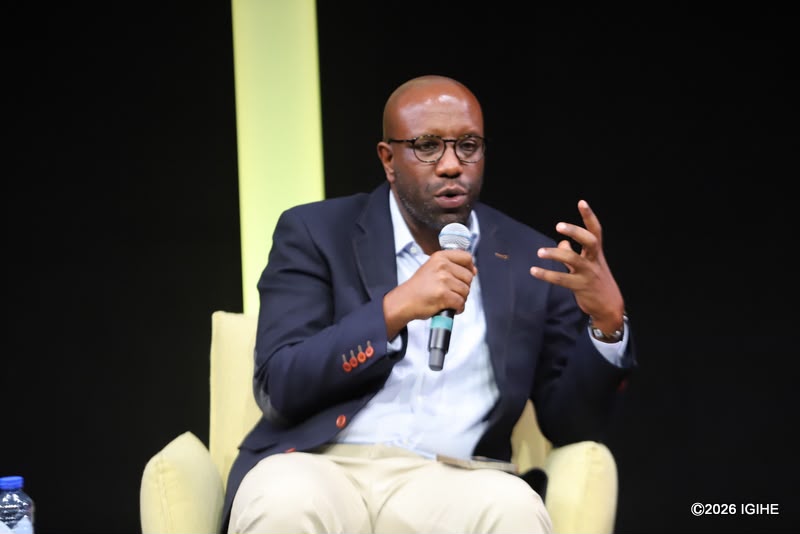
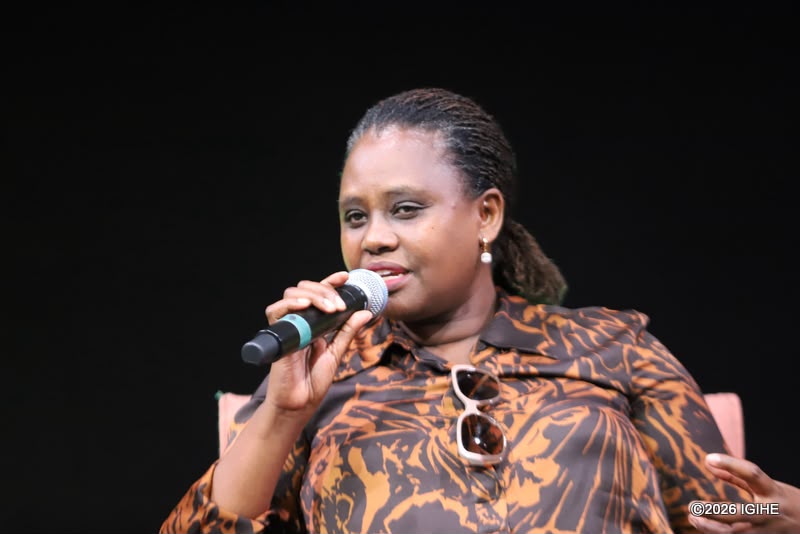
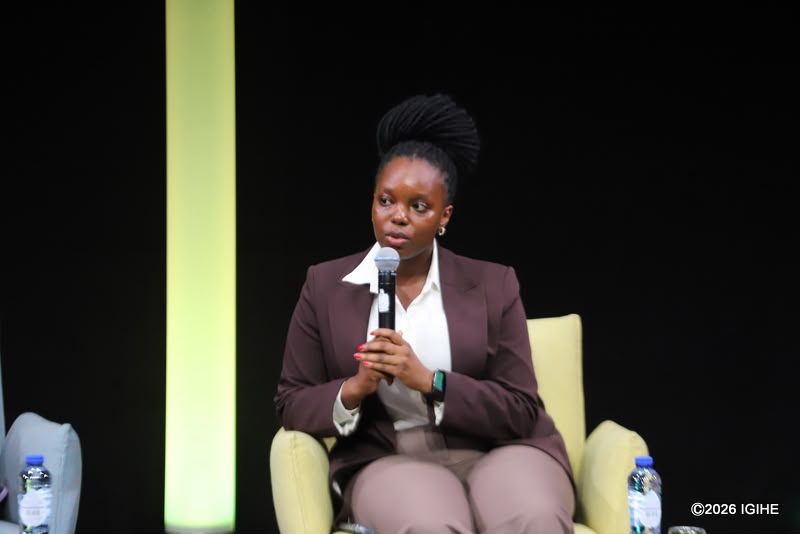
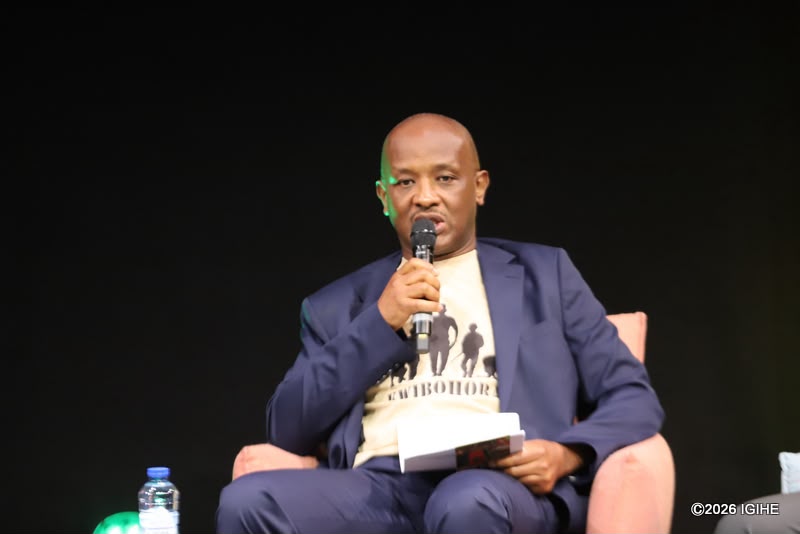

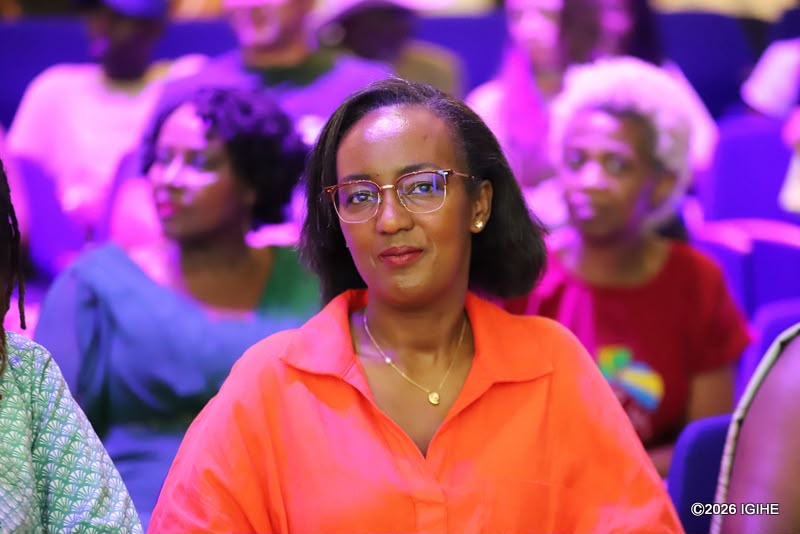
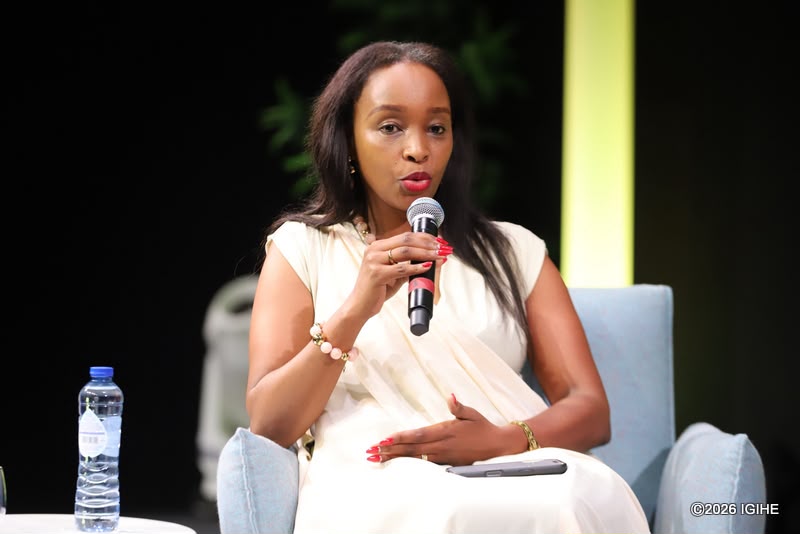 Claire Kayirangwa, one of the moderators of the discussions.
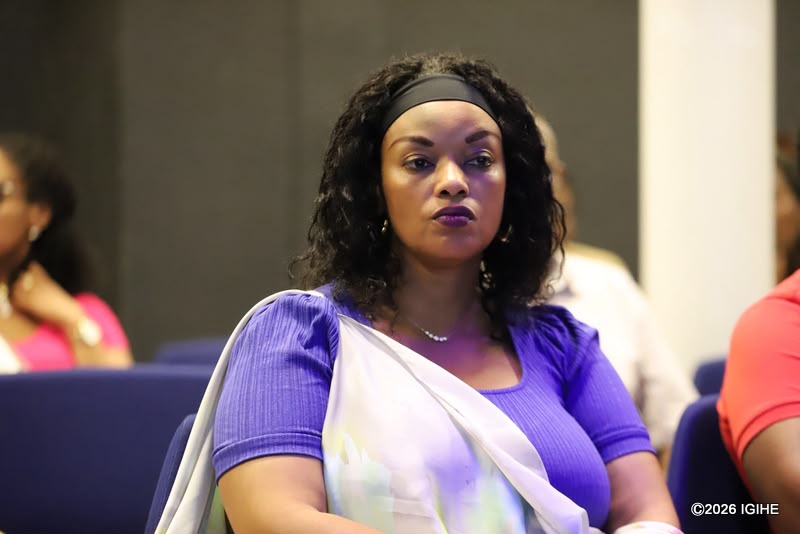
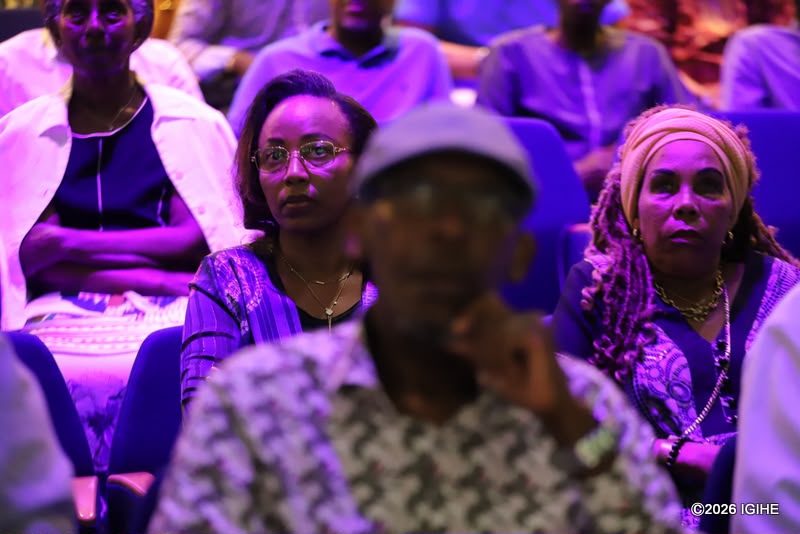
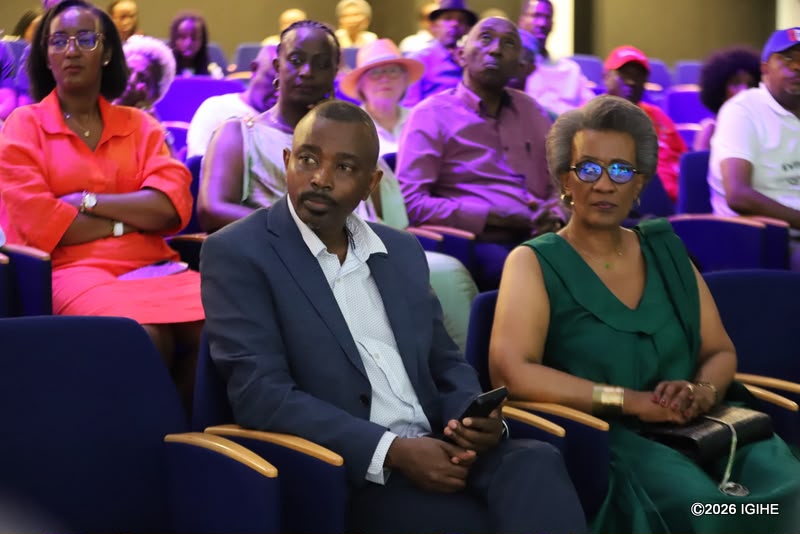
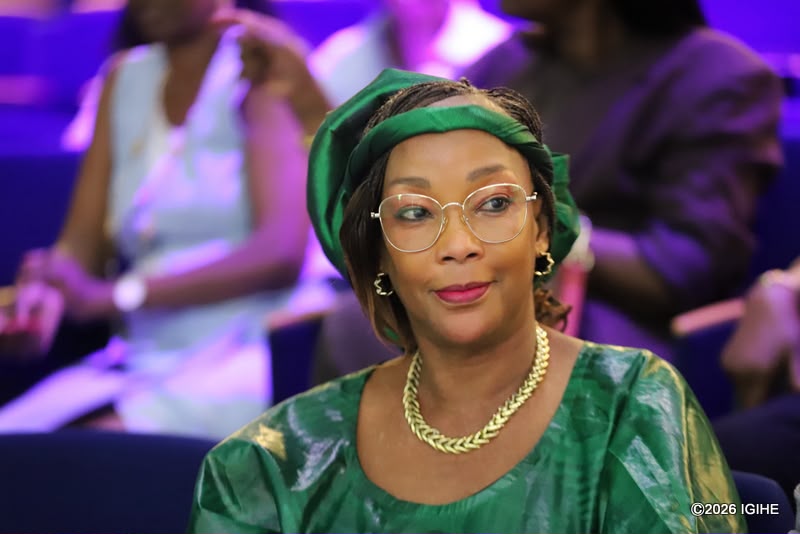
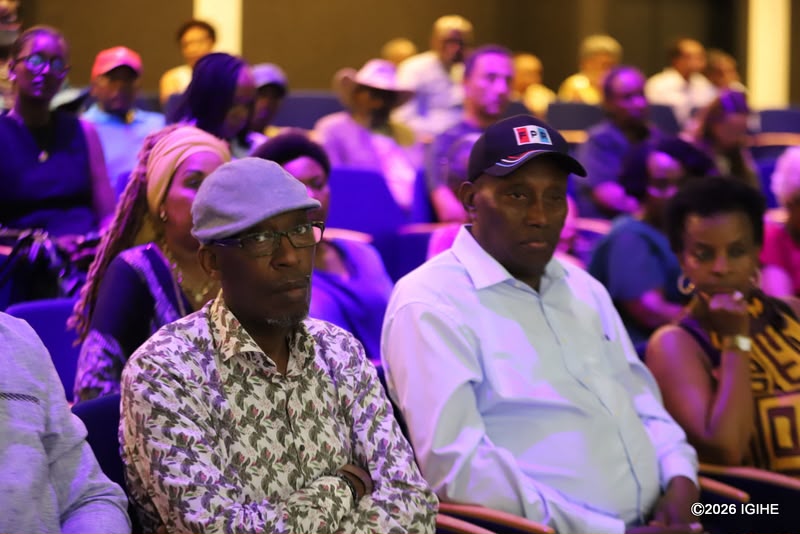
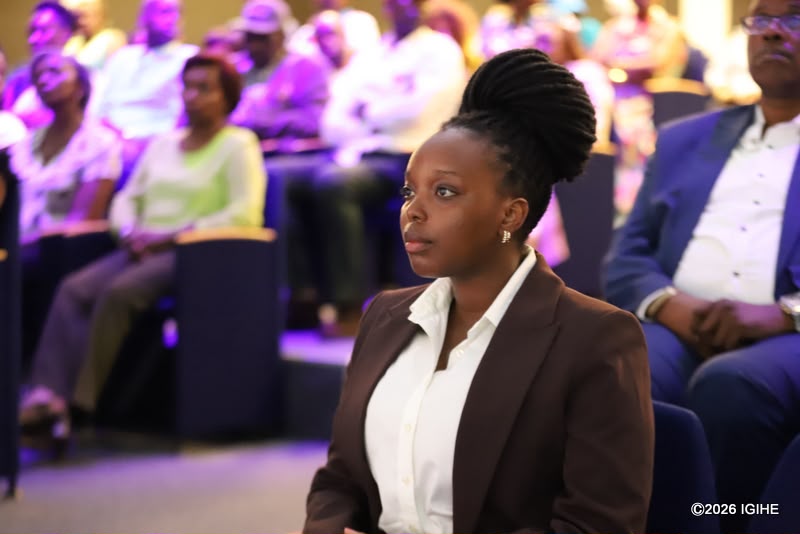
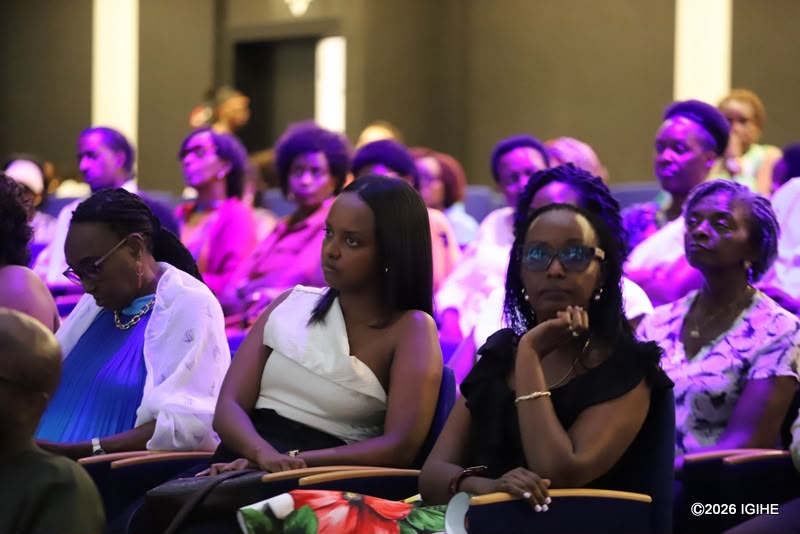
The photos below show participants watching a documentary on Rwanda's liberation struggle and the country's journey of development and transformation
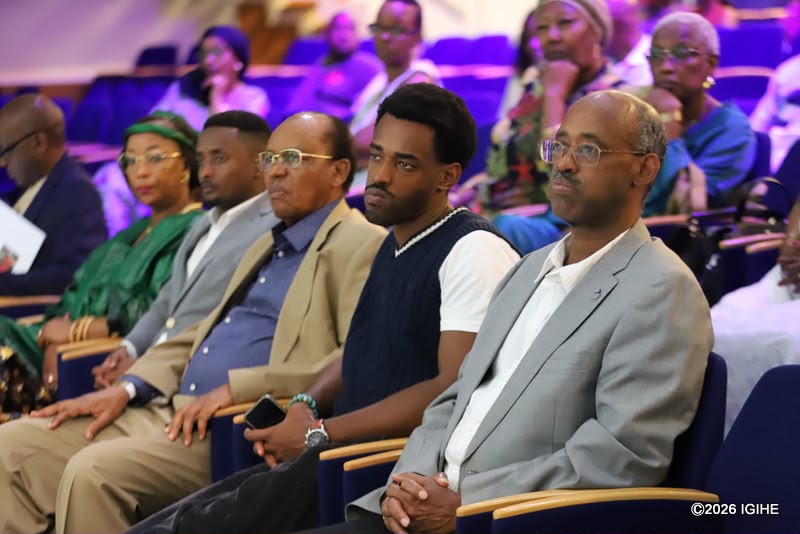
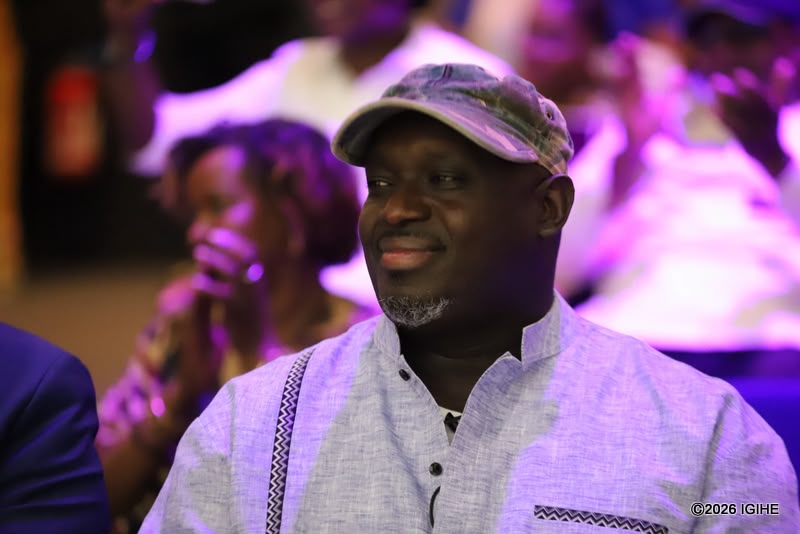
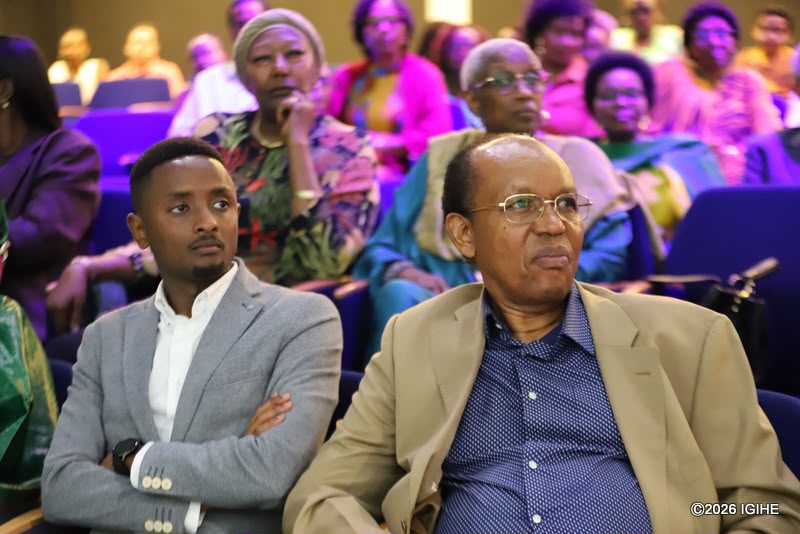
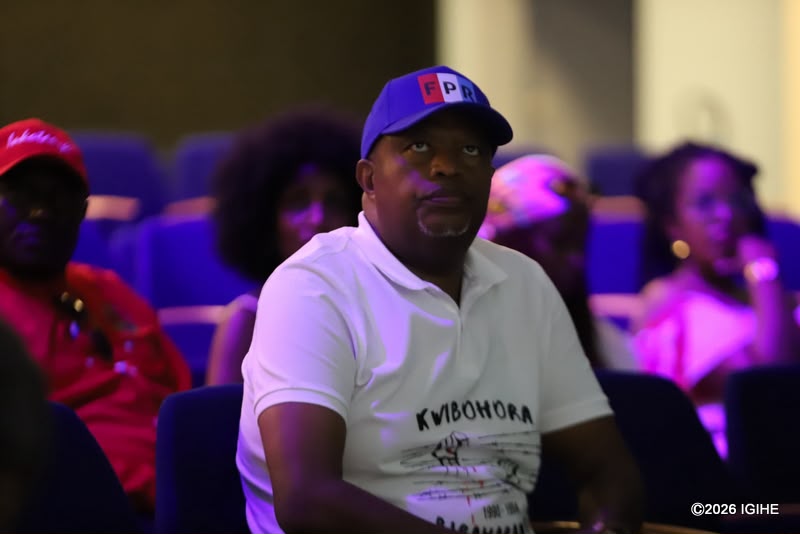
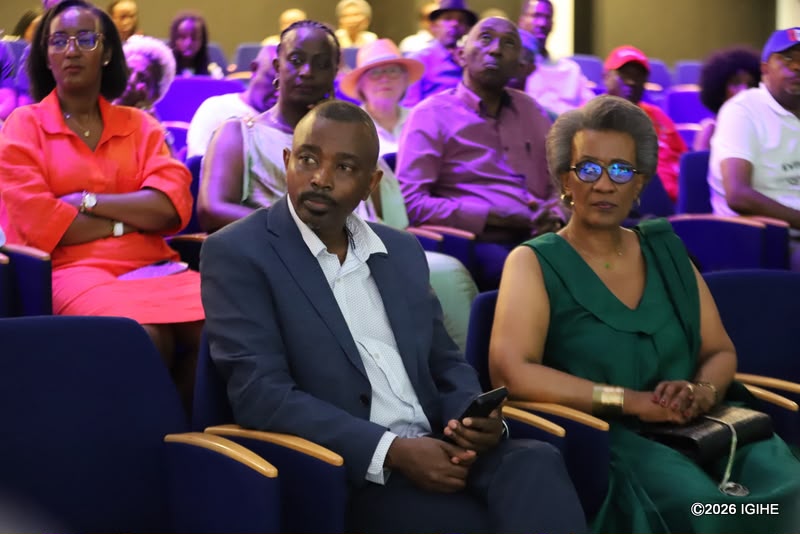
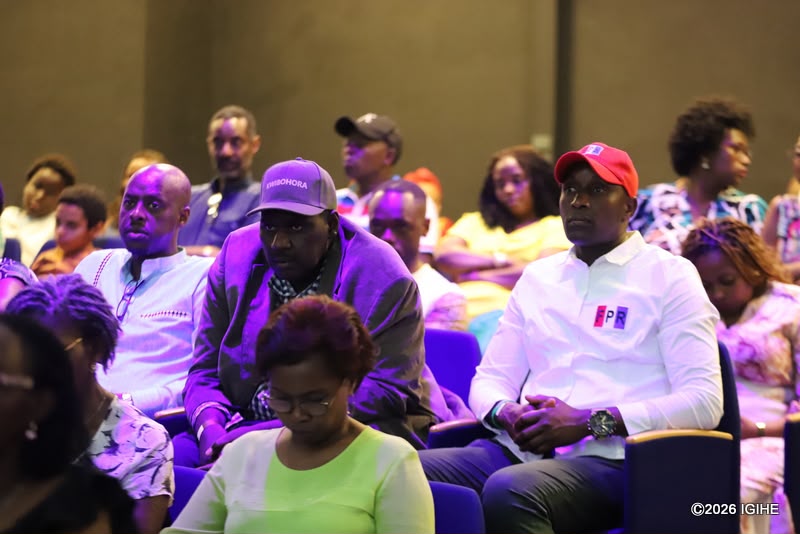
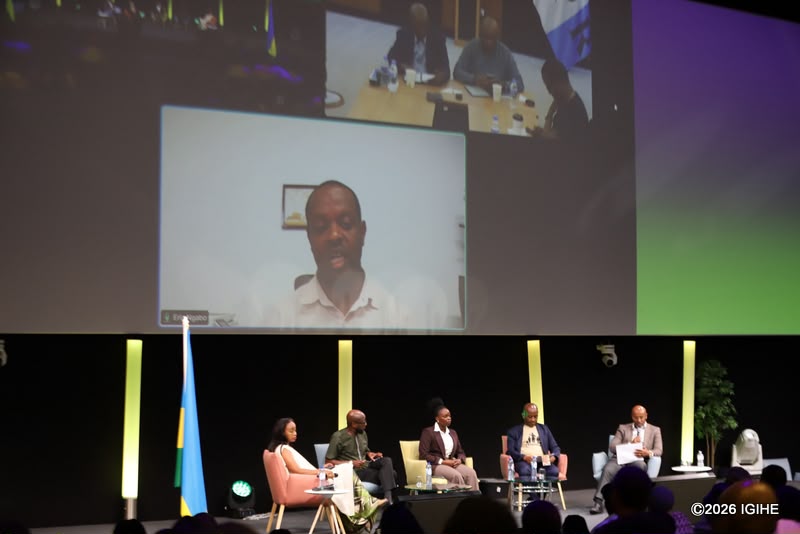
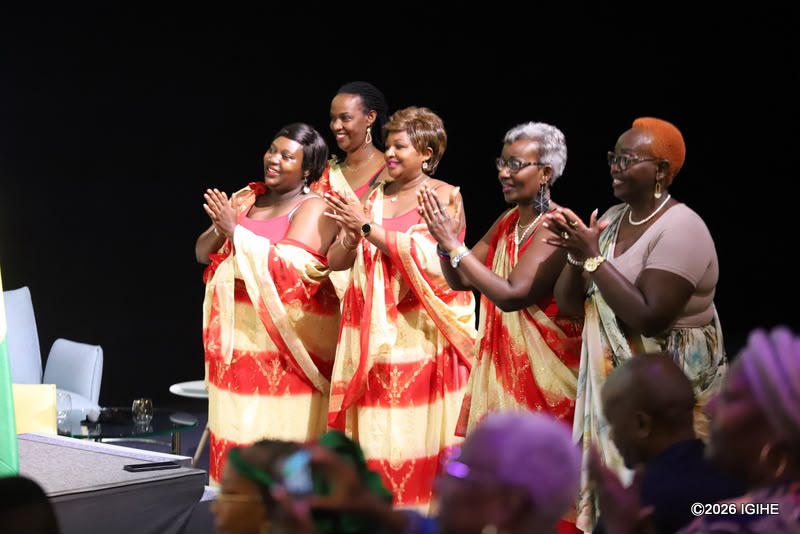
The photos below capture participants following discussions on the history of Rwanda's liberation struggle and the progress the country has achieved over the past 32 years
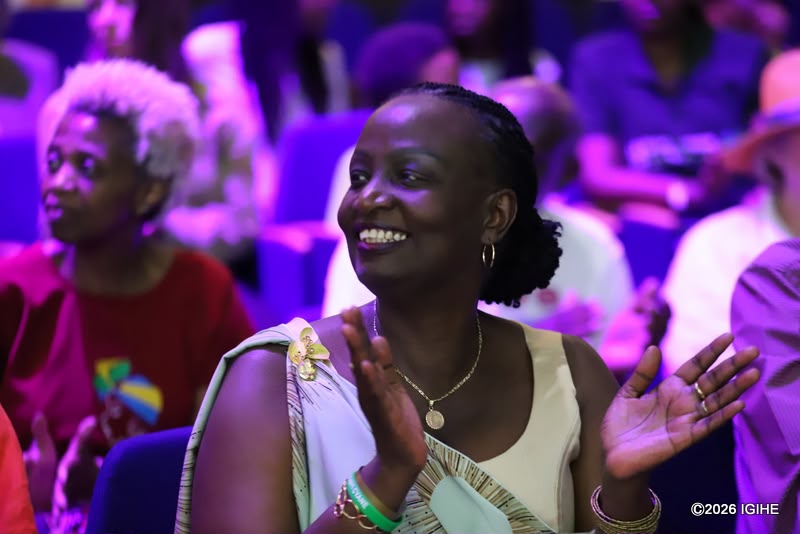
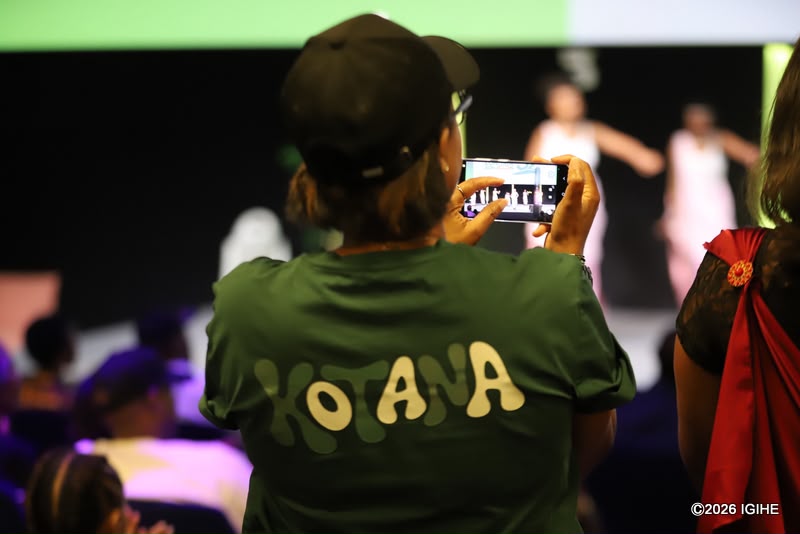
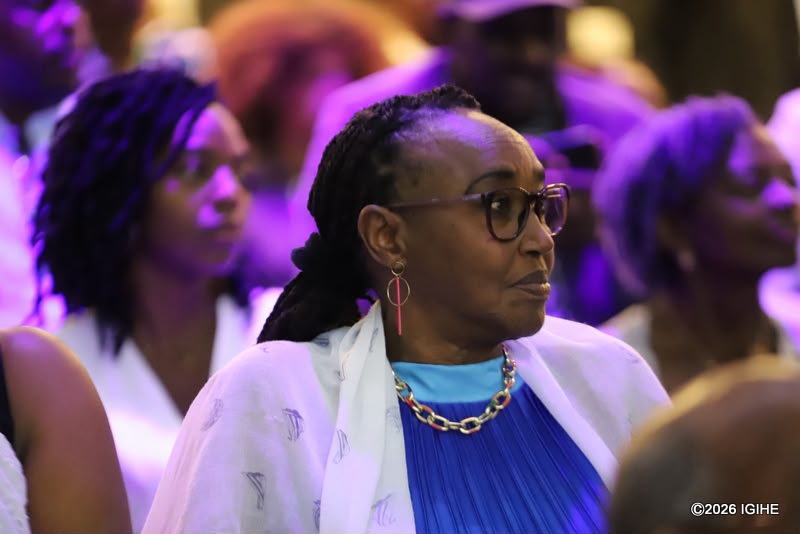
The event also featured cultural performances by artists Teta Diana and Cyusa Ibrahim, alongside traditional performances by the Amariza, Itetero, and Umurage cultural troupes
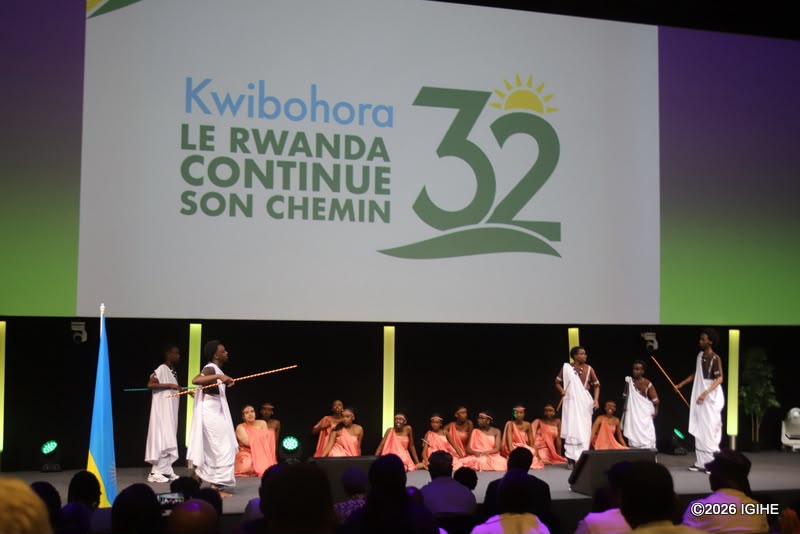
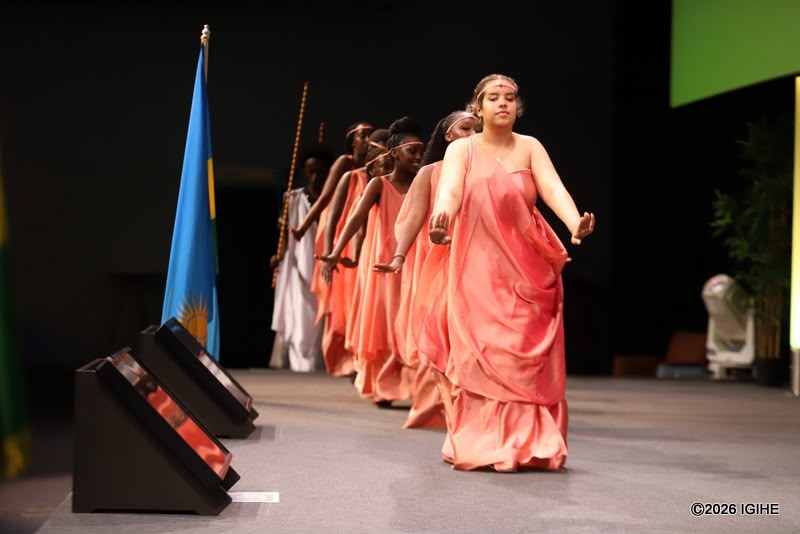
Photos: Emmy Uwimana & Jessica Rutayisire
