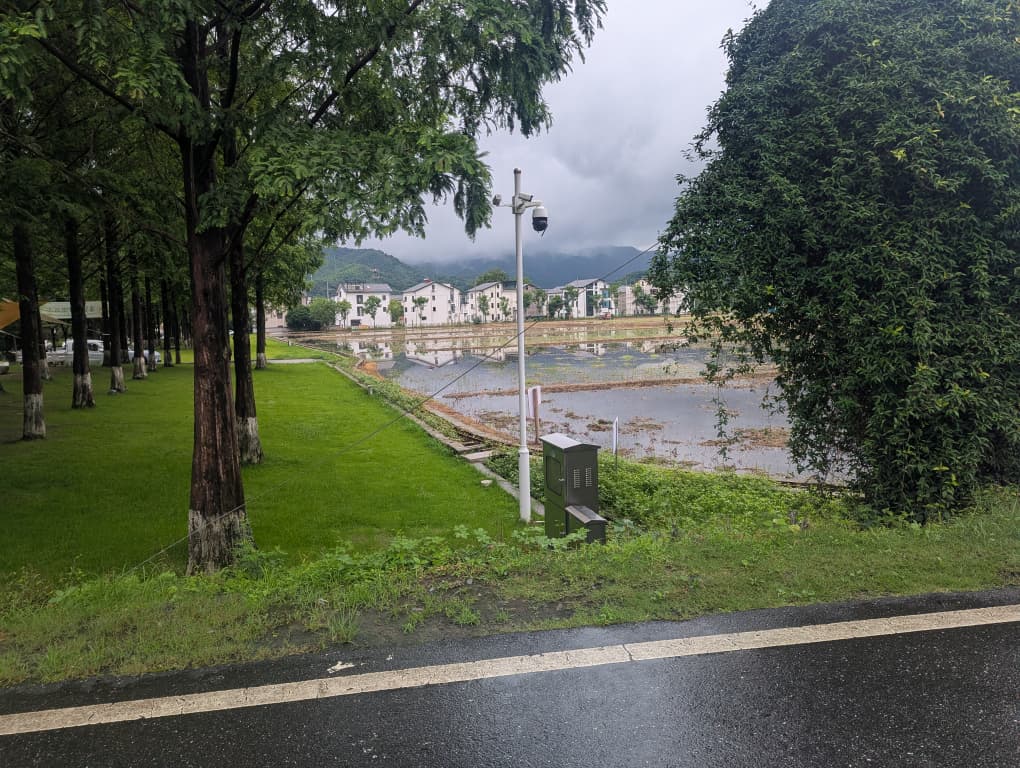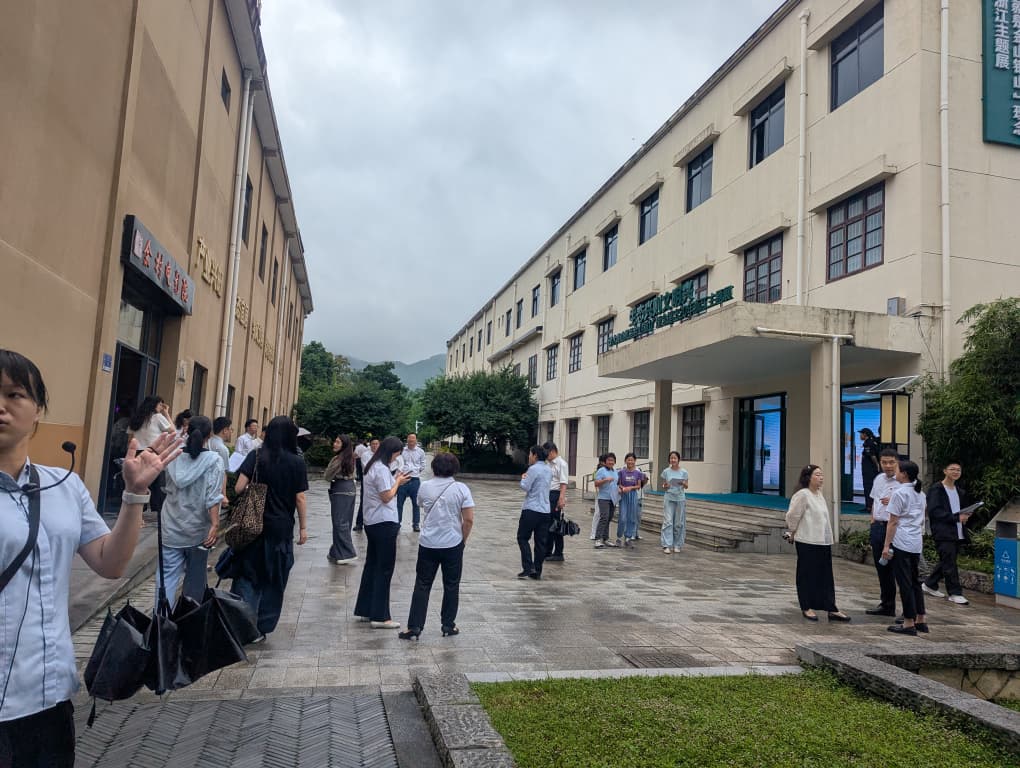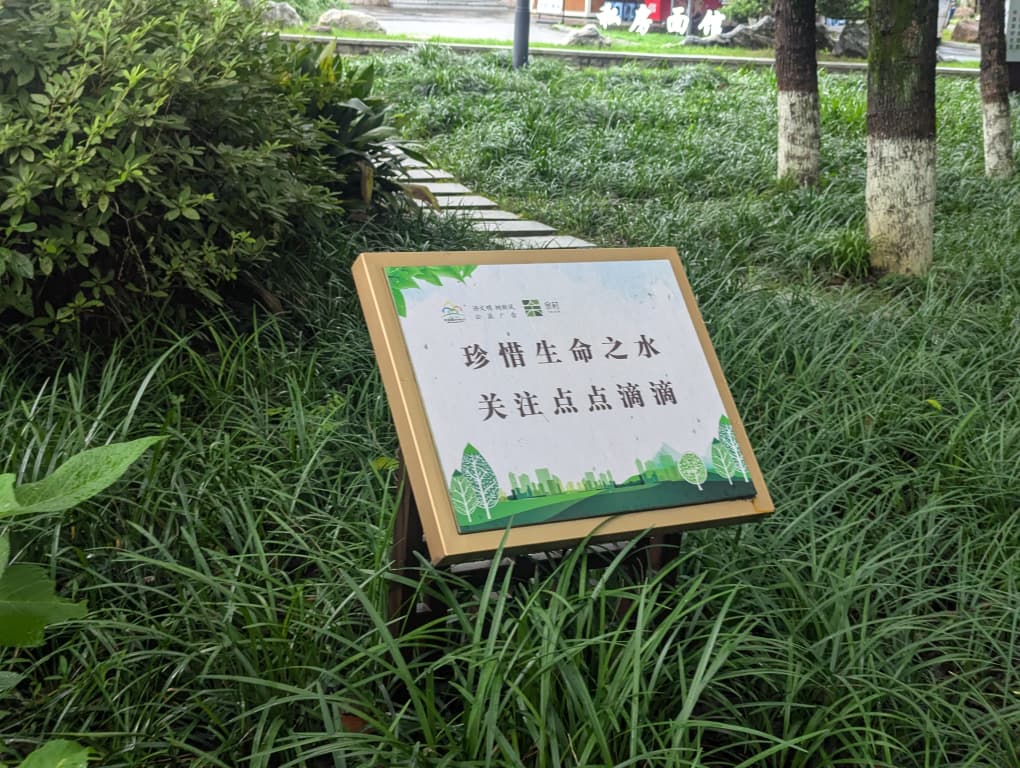

Yet behind this calm landscape lies one of China's most remarkable development transformations, often described as a living model of ecological civilisation.
Yucun is a small village of just over 1,000 residents, covering 4.86 square kilometres, located in Zhejiang Province, one of China's most dynamic coastal regions.
Zhejiang itself is an economic powerhouse of the Yangtze River Delta, with a 2025 GDP of about 9.45 trillion yuan ( approximately 1.4 trillion USD), and has become a national leader in 'high-quality development,' where growth is measured not only in economic output but also in environmental sustainability and social wellbeing.
Walking through Yucun today, it is difficult to imagine that this landscape was once shaped by heavy limestone mining and cement production. In the late 1990s, the village's economy was strong by rural standards, but the environment was under severe strain; dust-filled air, scarred hillsides, and degraded ecosystems.
The turning point came in the early 2000s, when local leaders and residents made a decisive choice: to close polluting industries and restore the land. It was a moment that reshaped not only the village's economy, but its identity.
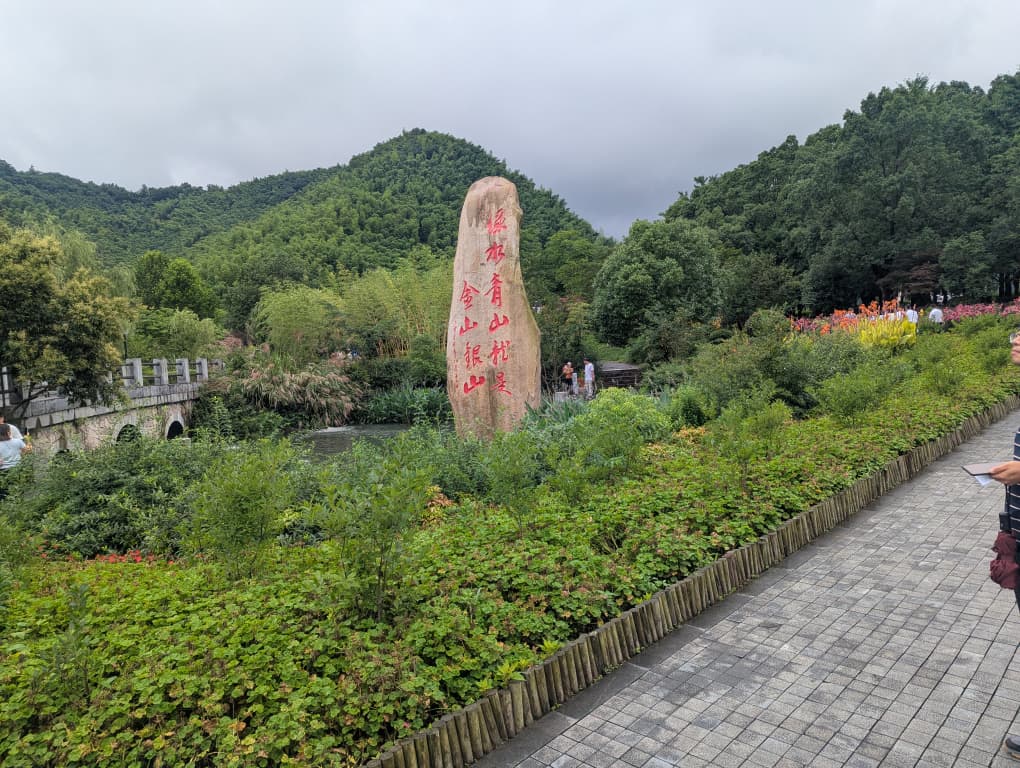
A defining milestone followed on August 15, 2005, when President Xi Jinping, then Secretary of the Zhejiang Provincial Committee of the Communist Party of China, visited Yucun and for the first time and articulated a phrase that would later gain national significance: 'lucid waters and lush mountains are invaluable assets.'
This idea evolved into the 'Two Mountains' philosophy, now widely recognised as a foundation of China's ecological civilisation framework under the Communist Party of China (CPC).
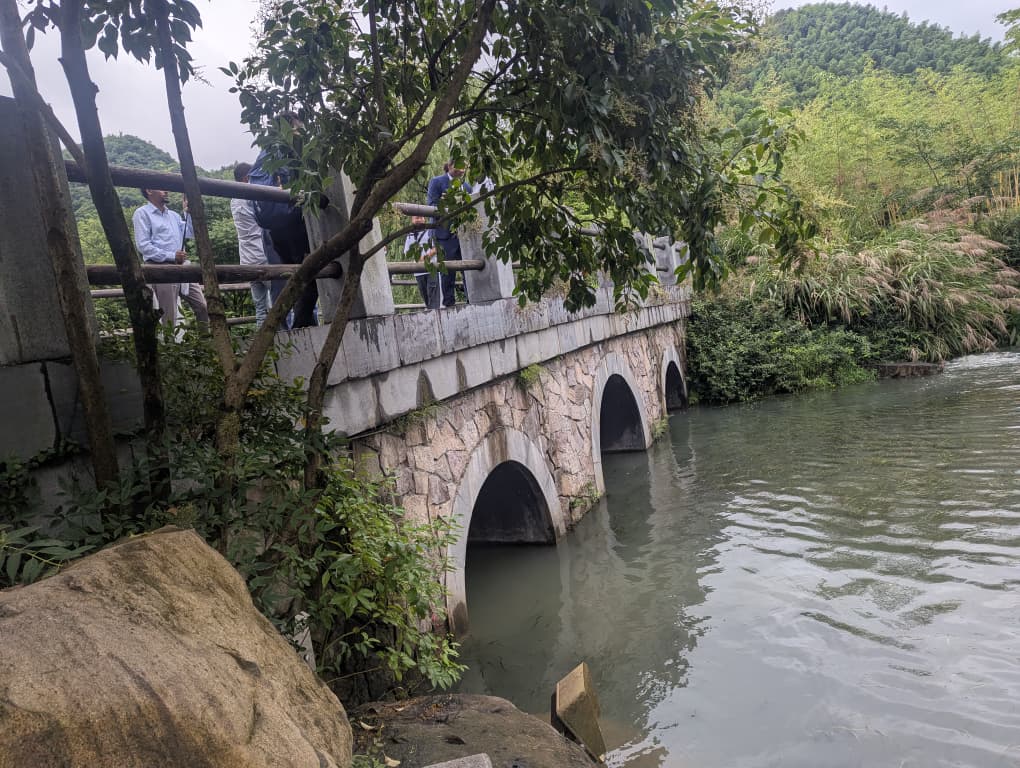
In Yucun, it is not an abstract theory, it is visible in every restored hillside, every green pathway, and every redesigned public space.
As the village stepped away from mining, a new journey began. Abandoned industrial sites were rehabilitated, forests were replanted, and traditional rural landscapes were carefully preserved.
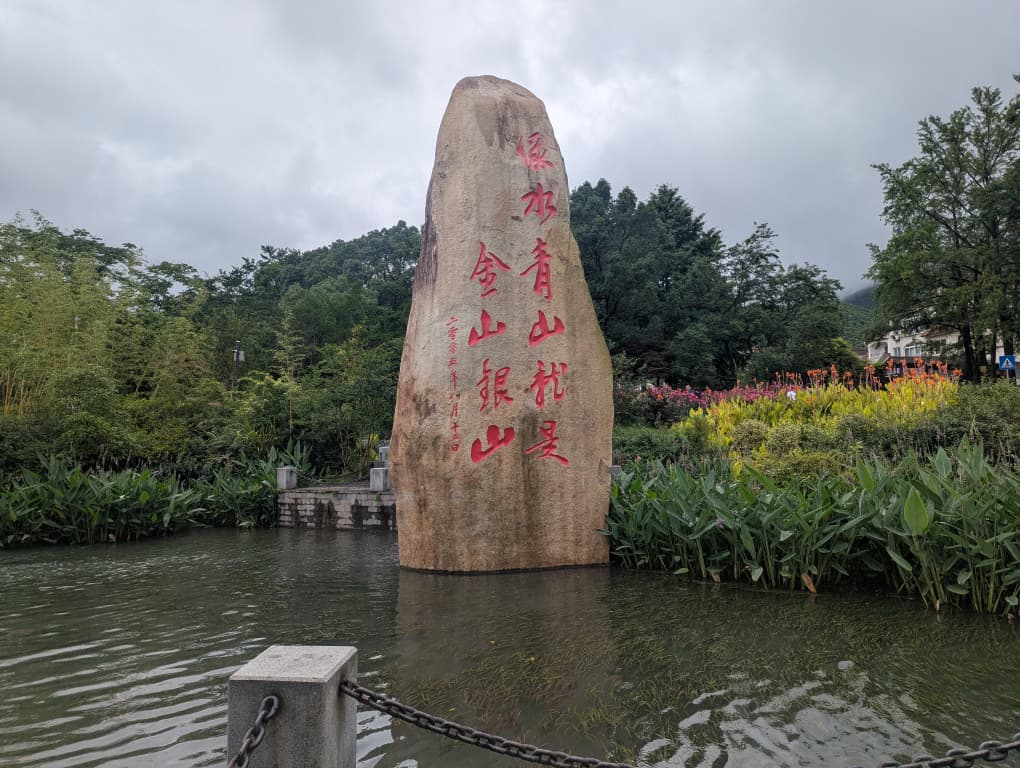
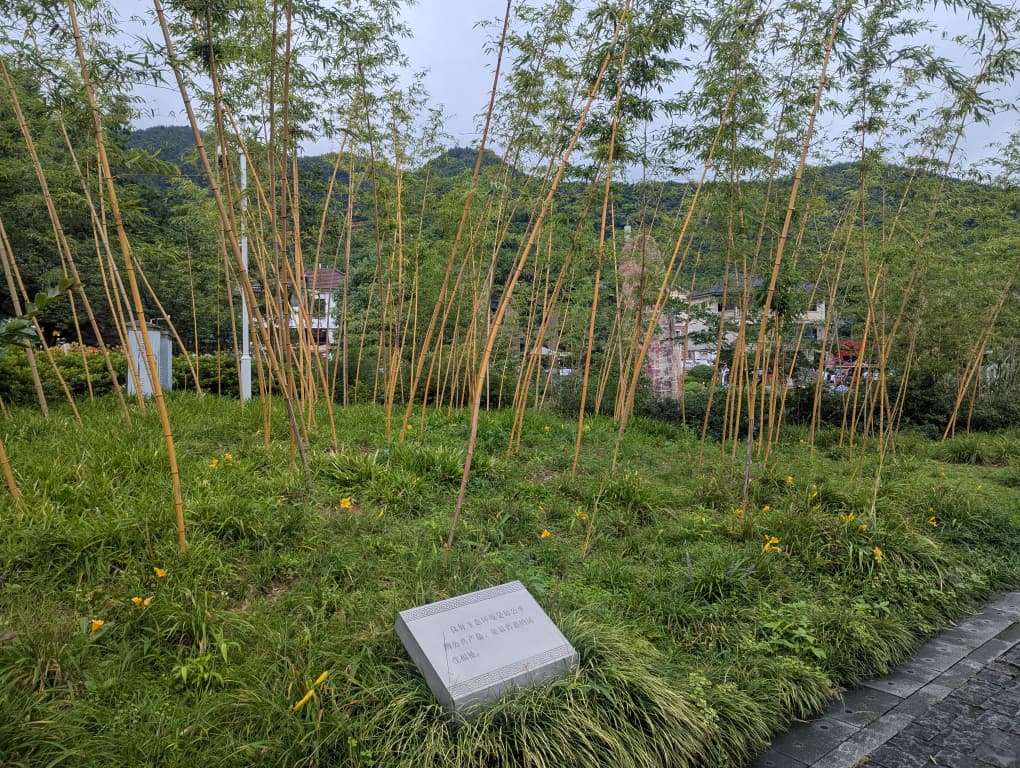
Today, Yucun attracts over one million visitors annually, drawn by bamboo sea landscapes, ecological trails, and cultural experiences rooted in Jiangnan traditions.
One of its most striking landmarks is the transformation of a former cement factory into 'Yucun Impression,' a zero-carbon cultural complex powered by renewable energy and designed as a symbol of industrial rebirth.
The ecological recovery is striking. Forest coverage now exceeds 85 percent, the climate remains humid and subtropical, and the village integrates natural terrain with carefully designed infrastructure.
Ancient ginkgo trees, some believed to be over 1,300 years old, stand alongside modern eco-friendly buildings, an unusual but seamless coexistence of heritage and innovation.
Over time, Yucun's economy has shifted from extraction to experience. Agritainment businesses, eco-tourism services, and cultural industries now drive local income.
Collective village earnings have risen steadily into the tens of millions of yuan, while per capita income has surpassed 60,000 yuan (about 8,837.69 USD).
In 2024, villagers received direct dividend distributions, reinforcing a model of shared prosperity where development outcomes are visibly returned to the community.
This transformation has earned Yucun multiple national and international recognitions. It has been designated a National Civilised Village, a National Forest Village, a National Rural Tourism Key Village, and a National Rural Governance Demonstration Village.
It has also been listed among the United Nations World Tourism Organisation's Best Tourism Villages, underscoring its global relevance as a rural development model.
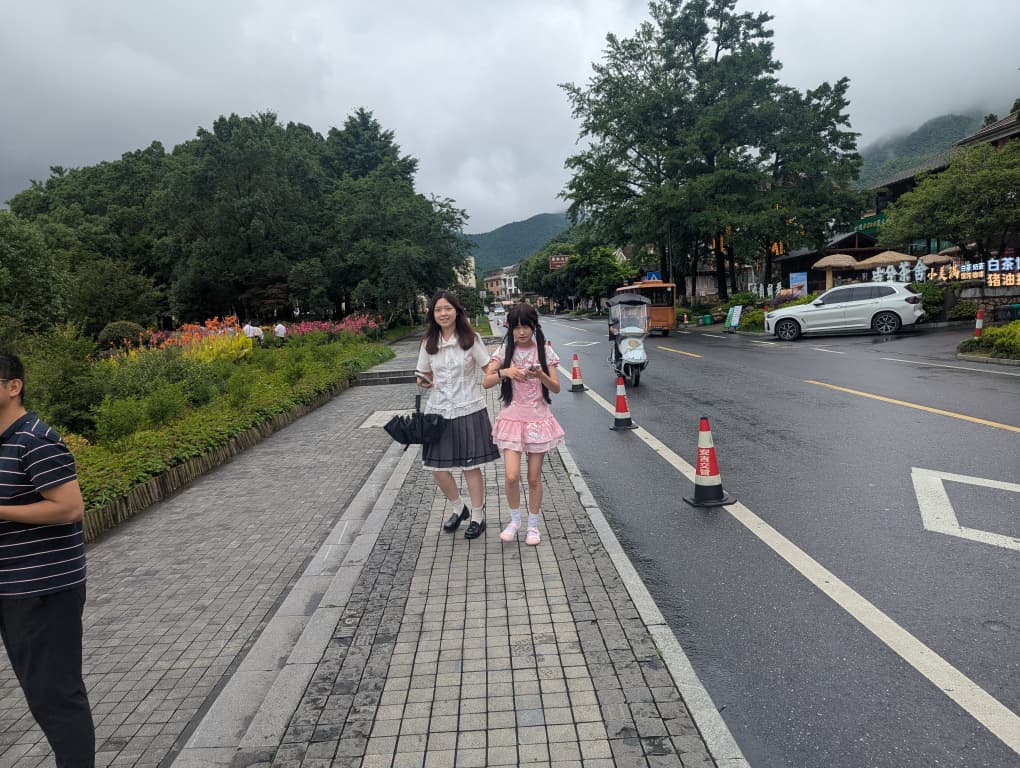
Beyond its scenic and economic appeal, Yucun is increasingly viewed as a policy reference point. It demonstrates how environmental restoration can become a driver of economic growth rather than a constraint, and how rural governance can align local participation with broader provincial and national strategies.
Within Zhejiang's development framework, the village is often cited as a successful case of integrating ecological protection with rural revitalisation.
Zhejiang Province itself extends this philosophy into global engagement. As a key hub of China-Africa cooperation, the province recorded trade with Africa of 53.9 billion US dollars in 2023, expanding into manufacturing, digital economy, vocational training, and healthcare exchanges.
Thousands of African professionals have been trained in Zhejiang, while medical teams have supported healthcare services across multiple African countries. These partnerships reflect a broader emphasis on mutual learning and long-term cooperation.
Seen through this broader lens, Yucun becomes more than a rural destination; it becomes a starting point for understanding a development philosophy that suggests prosperity should not be built against nature, but alongside it.