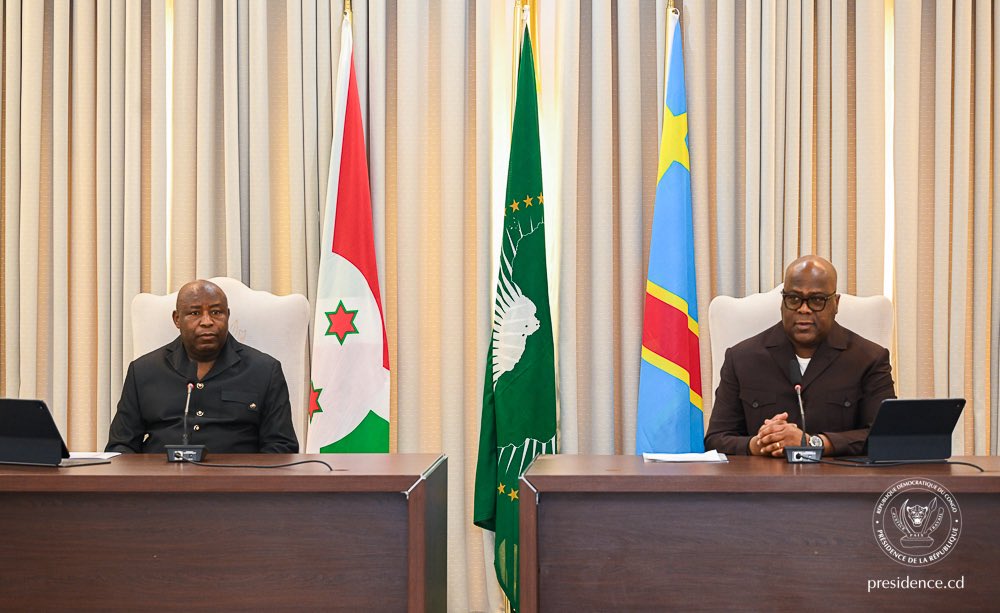

The coalition, which includes prominent opposition figures such as Martin Fayulu, Jean-Marc Kabund, Moïse Katumbi, Augustin Matata, and Delly Sesanga, confirmed that it had received an invitation from Burundi's President Évariste Ndayishimiye.
President Ndayishimiye called on opposition leaders to hold urgent consultations to discuss security concerns, political disputes, and challenges affecting state institutions in the DRC.
Ndayishimiye, a close ally of President Tshisekedi, issued the invitation in his capacity as Chairperson of the African Union (AU).
Reports from Kinshasa indicate that he had first urged President Tshisekedi to engage in dialogue with the C64 coalition in order to address their grievances, particularly those linked to the government's proposed constitutional reforms.
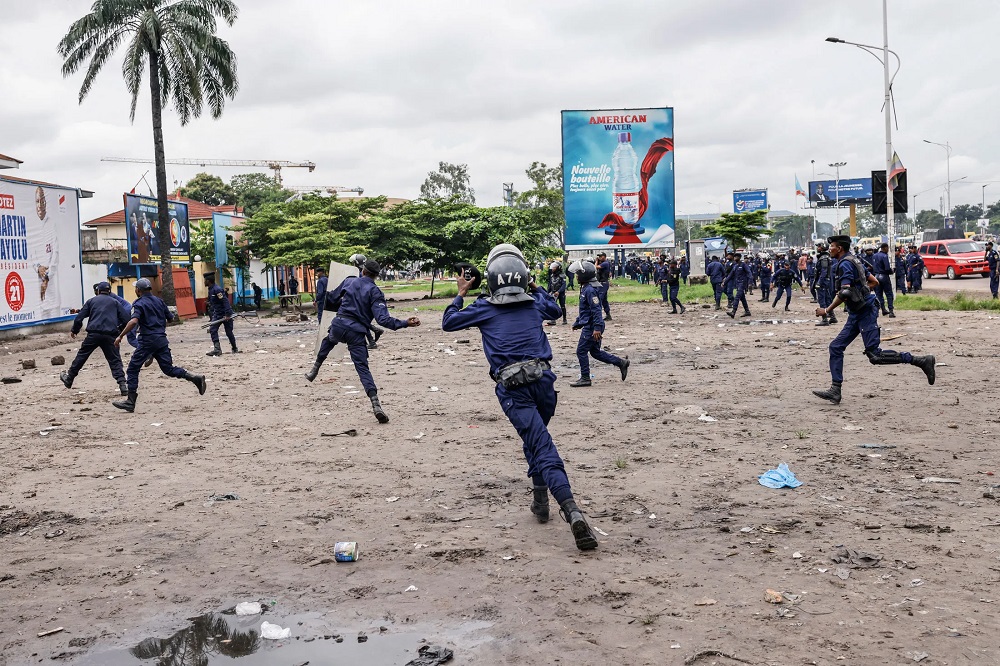
Tensions had escalated after opposition leaders staged a protest outside the National Assembly on June 12, where they were met with police intervention and clashes involving members of the ruling UDPS party's youth wing, known as Forces du Progrès.
The C64 coalition had initially planned a major demonstration in front of the presidential palace on July 8, 2026, demanding President Tshisekedi's resignation, accusing him of violating the constitution through attempts to amend it.
However, Interior Minister Jacquemain Shabani Lukoo rejected the planned protest, accusing the opposition of undermining national stability and insisting that no one has the authority to call for the resignation of a sitting commander-in-chief in the context of ongoing national security efforts.
The minister also banned all large public gatherings in Kinshasa, citing the need to prevent the spread of Ebola. He said the decision was a public health measure aimed at containing the virus.
However, opposition leaders dismissed the justification, arguing that Ebola cases are concentrated in eastern provinces far from the capital and claiming the ban was politically motivated to block their demonstration.
On July 2, opposition leader Martin Fayulu, head of the ECIDé party, reiterated calls for nationwide protests, insisting that President Tshisekedi must resign. He urged citizens to participate in a major demonstration scheduled for July 8.
Following an invitation from President Ndayishimiye, C64 leaders held an emergency meeting in Kinshasa on July 3 and agreed to reconsider their strategy, opting to engage in dialogue with the Burundian leader.
The coalition said it intends to use the talks to present its concerns and advocate for the protection of the DRC constitution.
They also said they would highlight the suffering of Congolese citizens and what they described as a growing threat to democracy in the country.
As a result, the coalition announced the postponement of its planned protest, rescheduling it to July 22.
Opposition leaders called on Congolese citizens, both at home and abroad, to remain mobilized in support of their cause until the government abandons its constitutional reform agenda.
They emphasized that defending the constitution is a national duty and insisted that their determination remains unchanged.