Liberation Day at 32: Photos that tell Rwanda's story of liberation #rwanda #RwOT
Author -
personwebrwanda
July 04, 2026
0
share
For younger generations who did not witness the events of 1994, hearing accounts from elders offers a moment of reflection and a deeper appreciation of the peace they now enjoy and the country they call home.
For those who directly participated in the liberation struggle, the day is marked by solemn reflection on a difficult journey that shaped the nation's destiny, a struggle that also came at the cost of many lives.
Each year on this date, Rwandans turn to archival and nostalgic photographs that capture moments from this historic period. These images, drawn from personal collections, public archives, and shared memories, document lived experiences, milestones, and Rwanda's long journey of liberation.
Together, they serve as a powerful visual reminder of the liberation struggle led by the Rwandan Patriotic Army (RPA), under the leadership of President Paul Kagame, and its enduring place in the nation's collective memory.
Here are the photos:
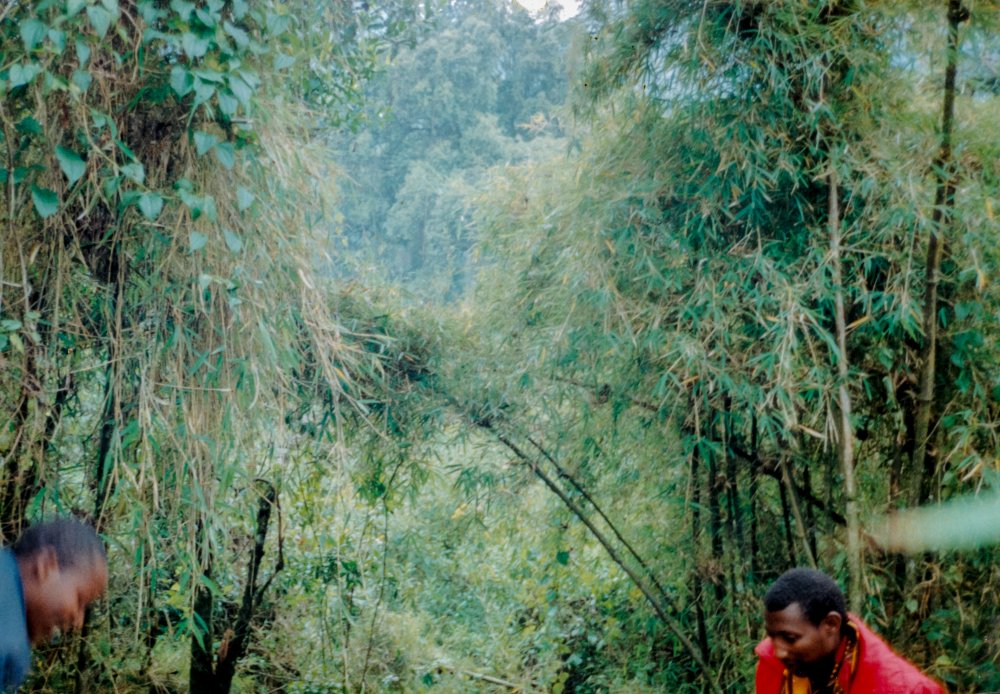
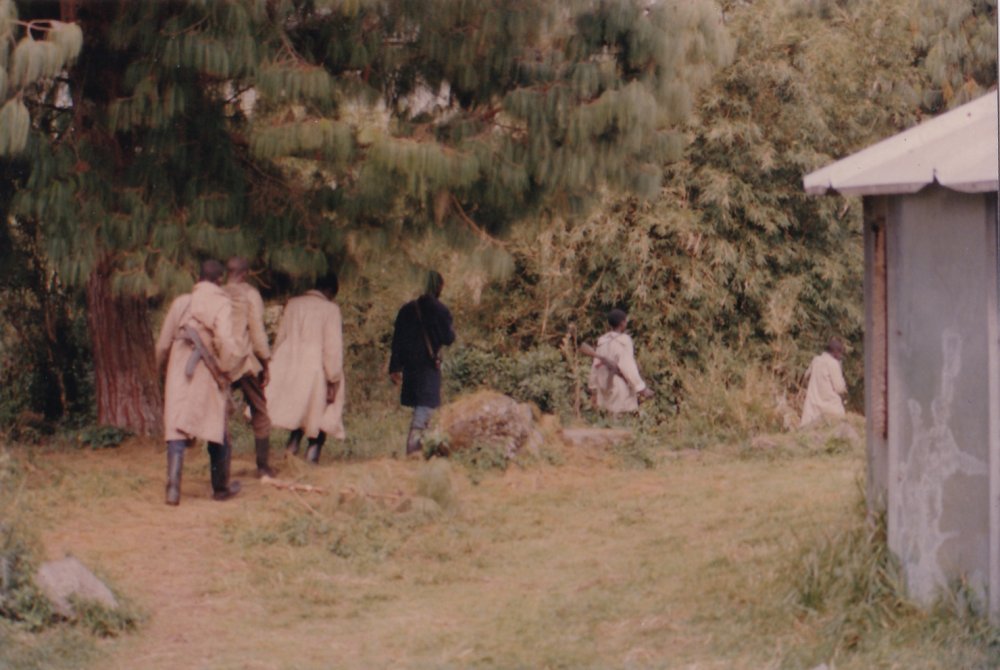
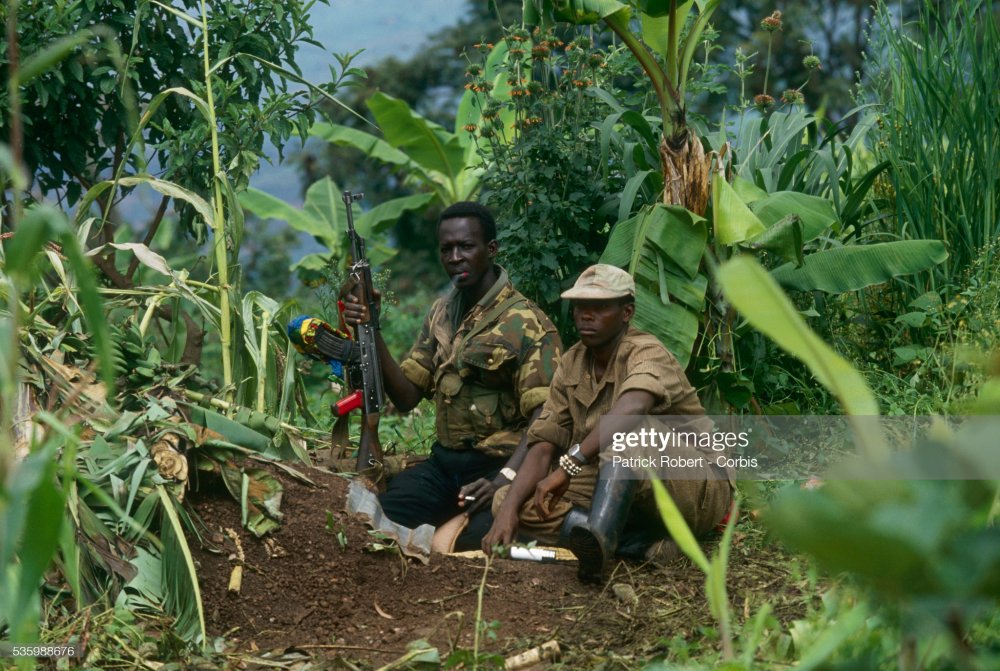
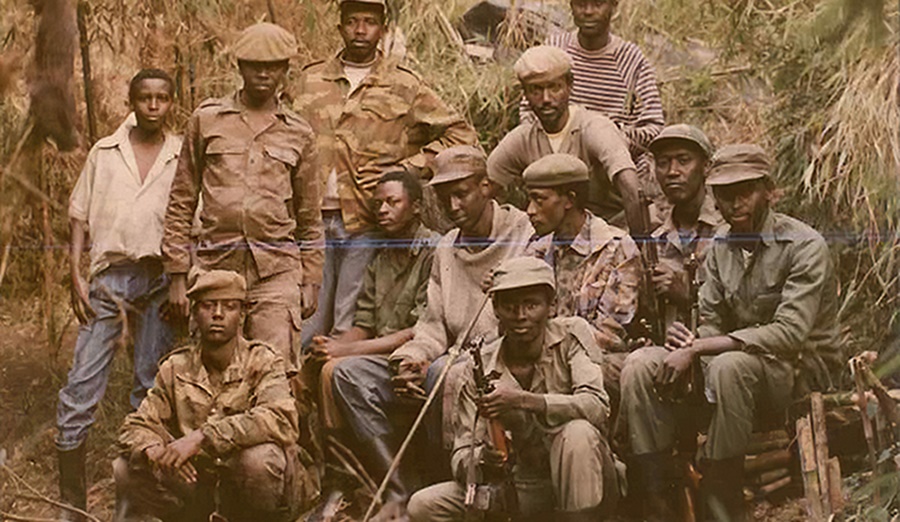
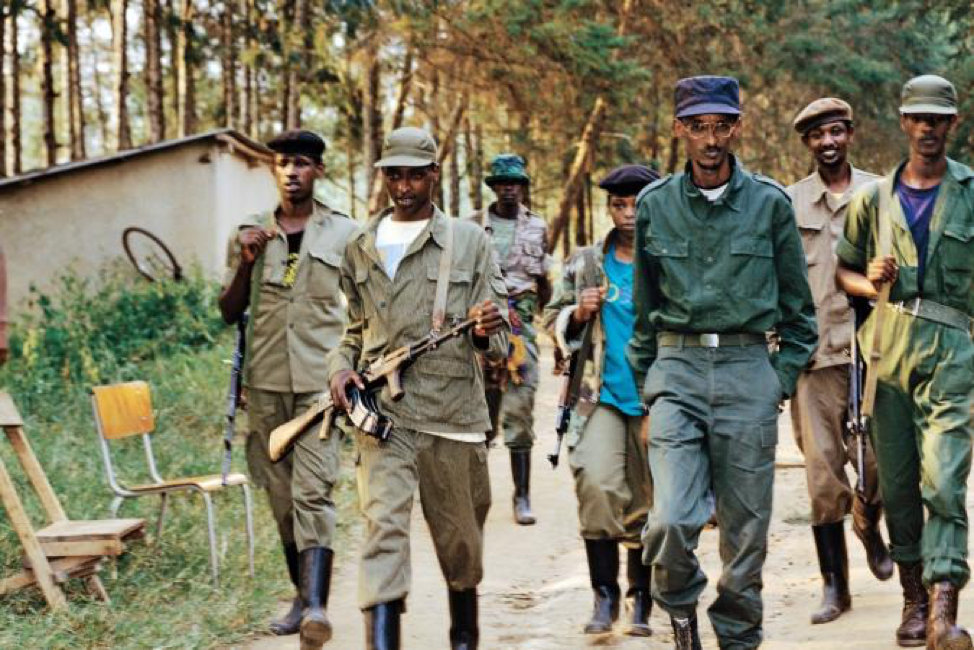
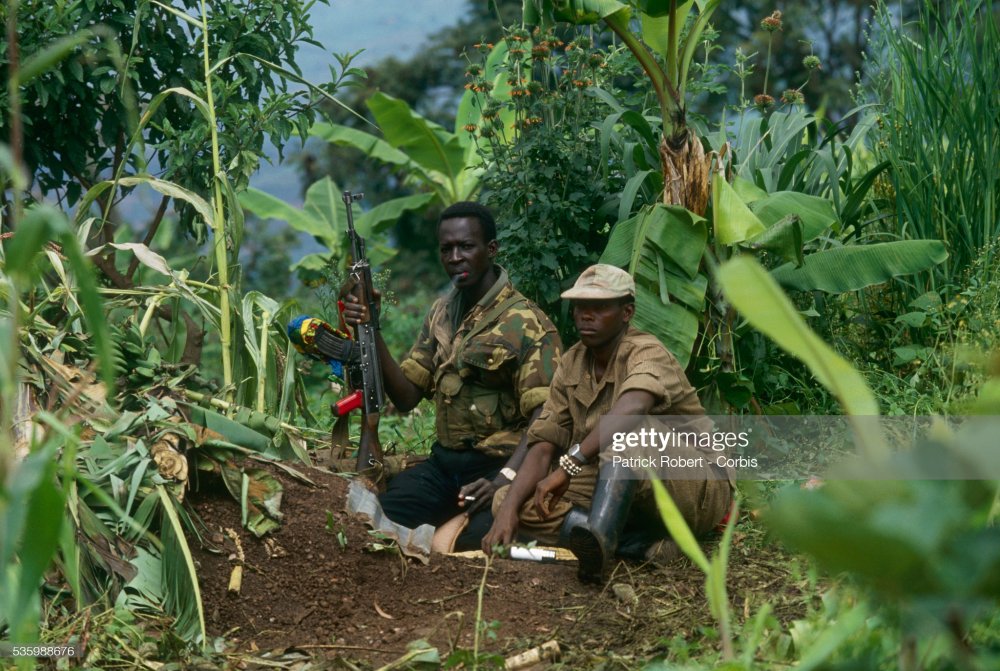
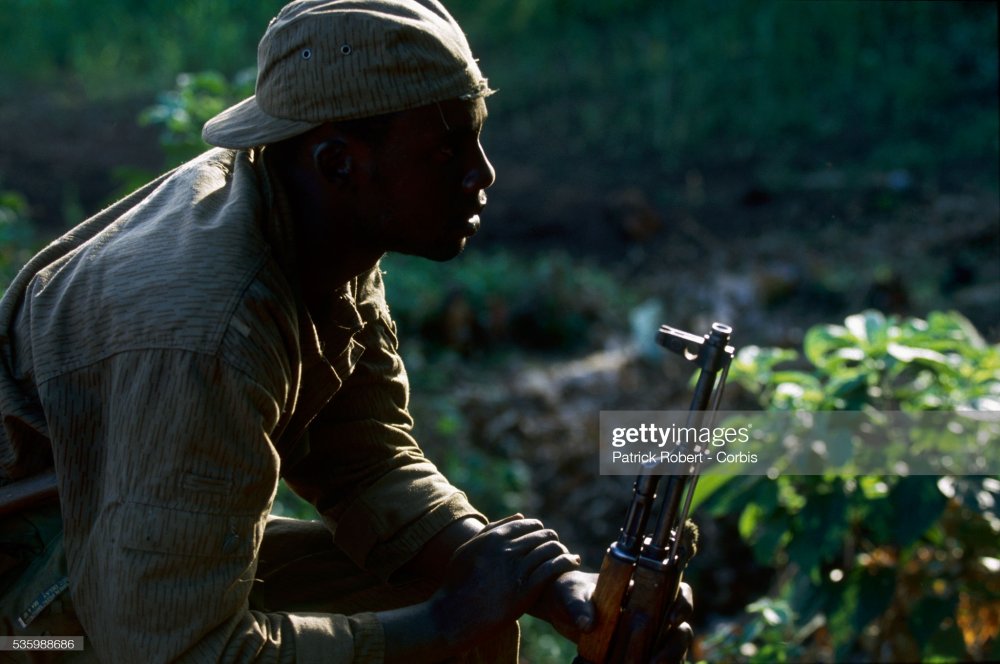
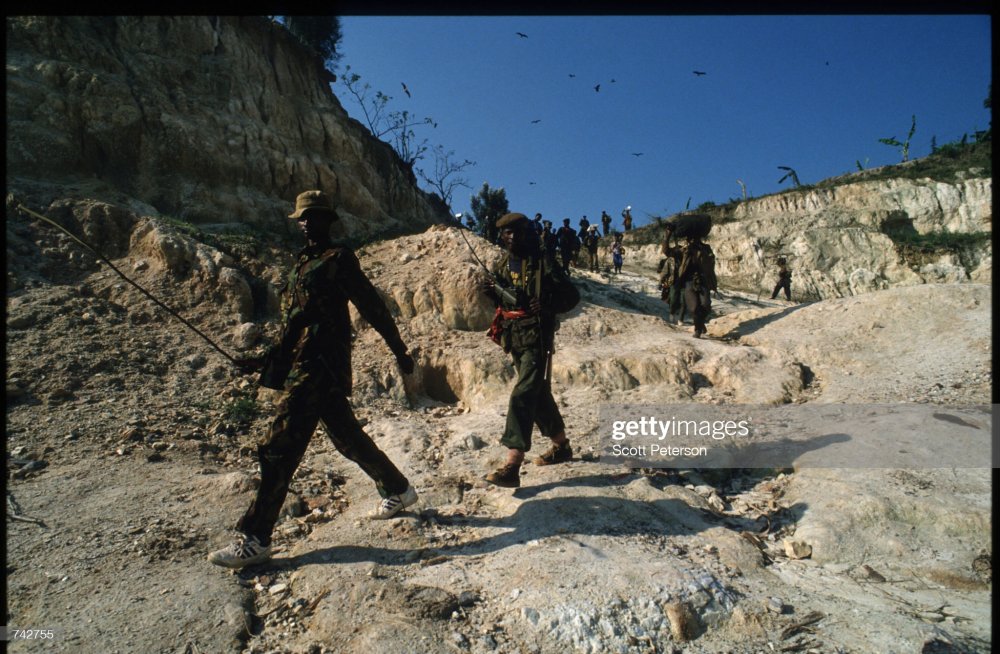
RPA forces moved into the Virunga Mountains through bushland after withdrawing from Mutara.
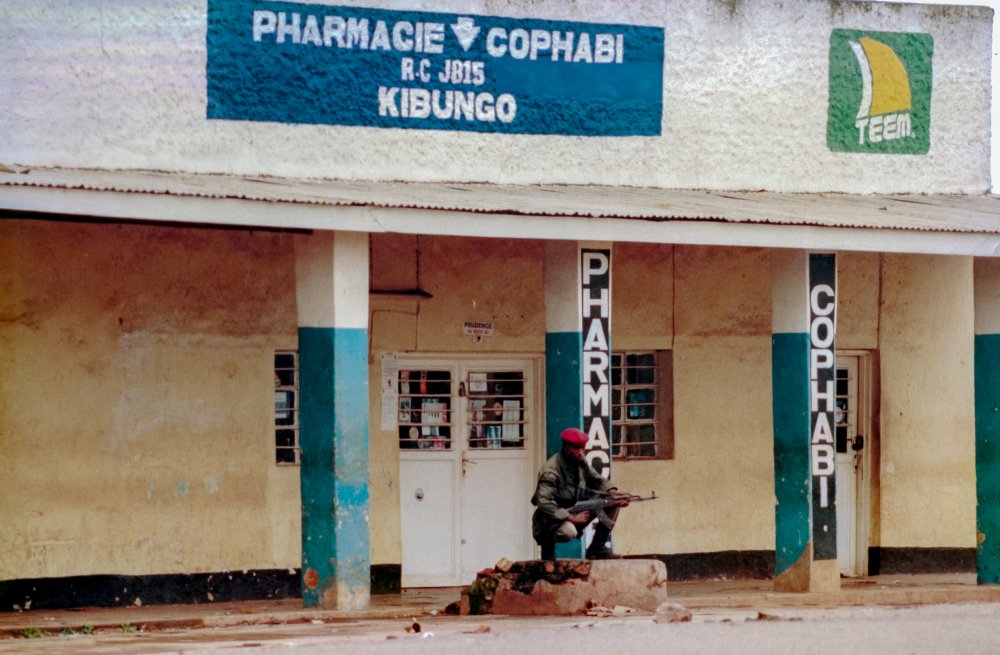
This photo was taken after the RPA had liberated Kibungo.
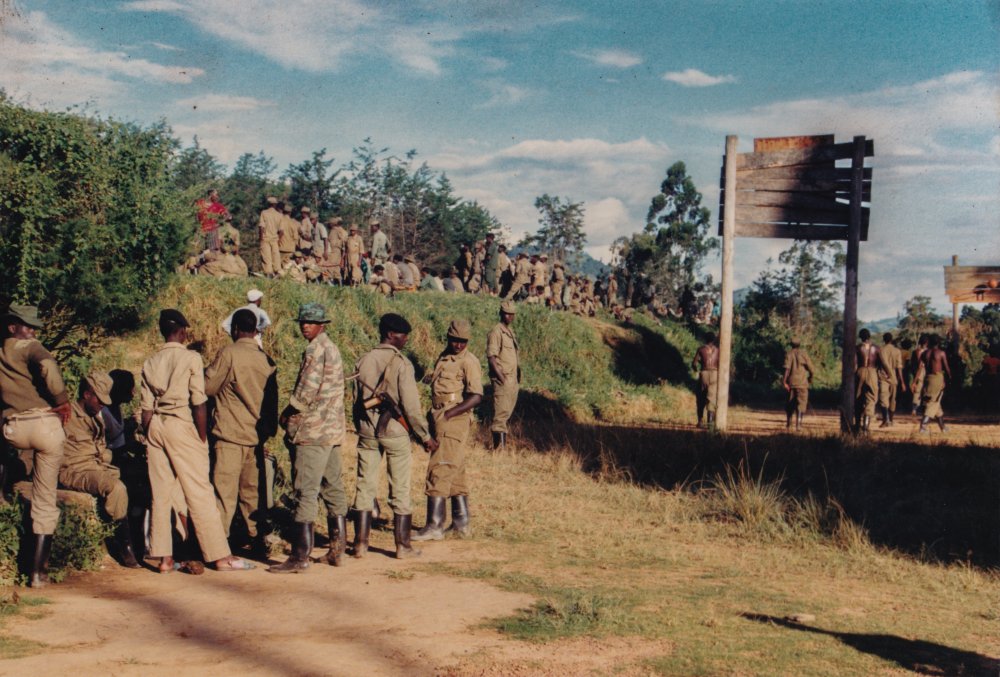
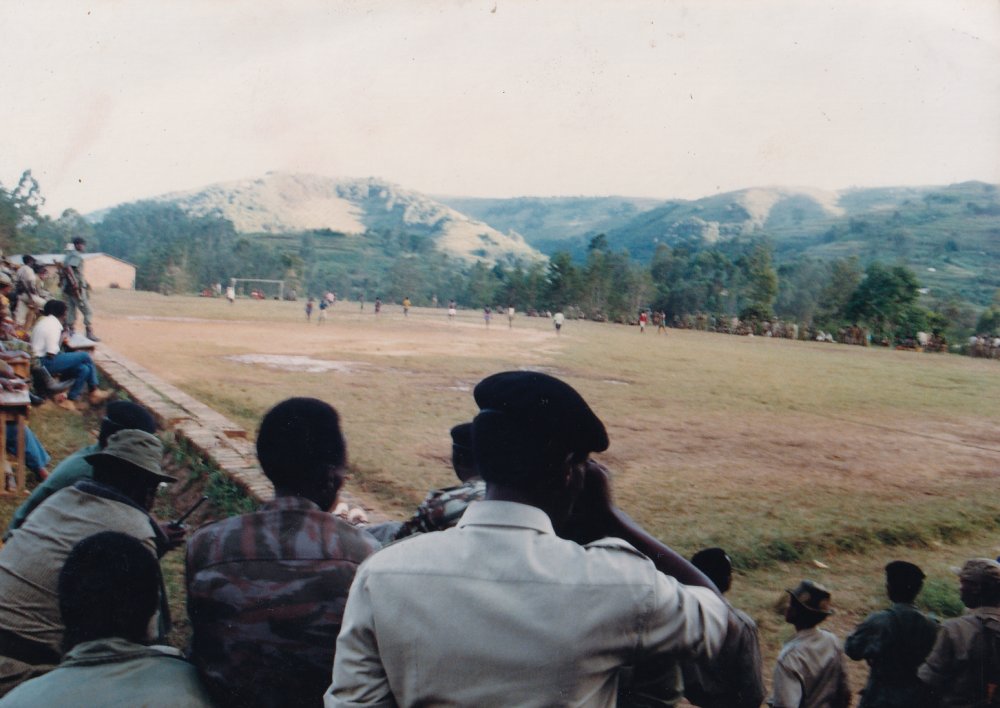
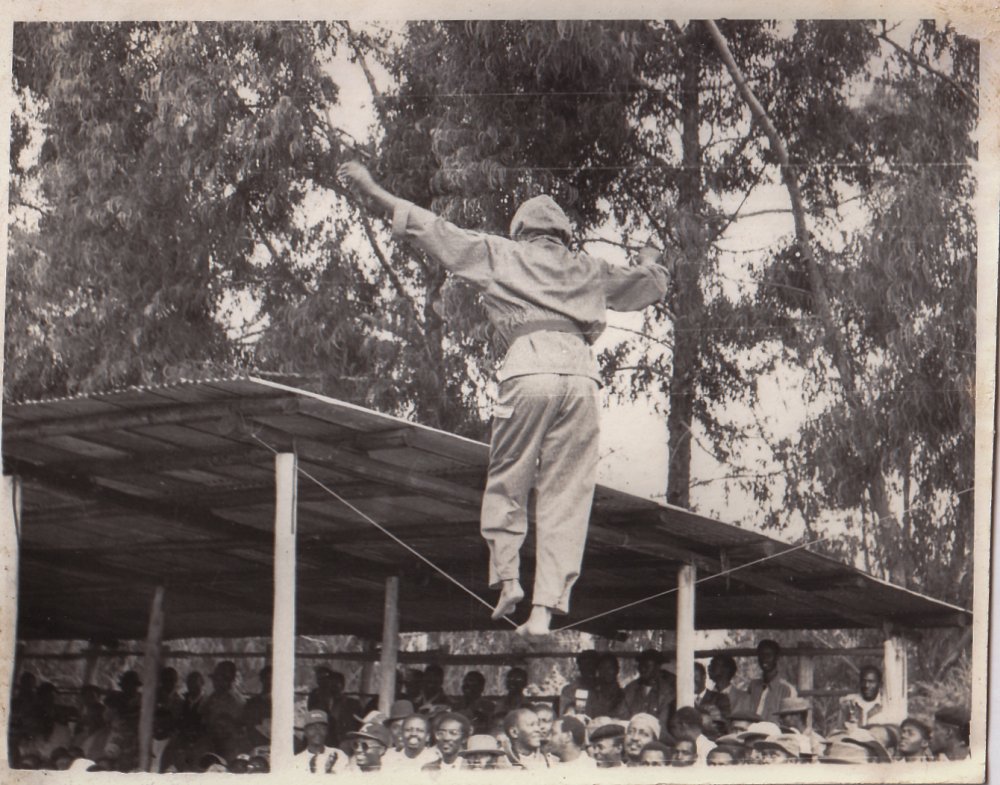
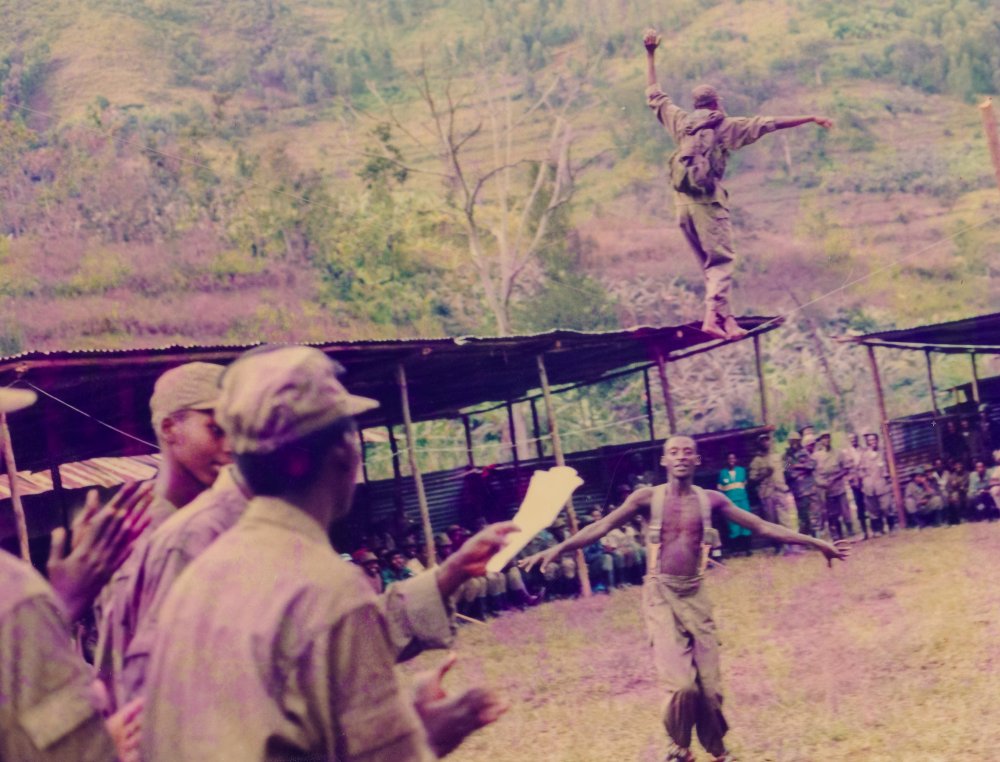
During the liberation struggle, sports played an important role, as soldiers would take time to relax and engage in recreational activities whenever the opportunity arose.
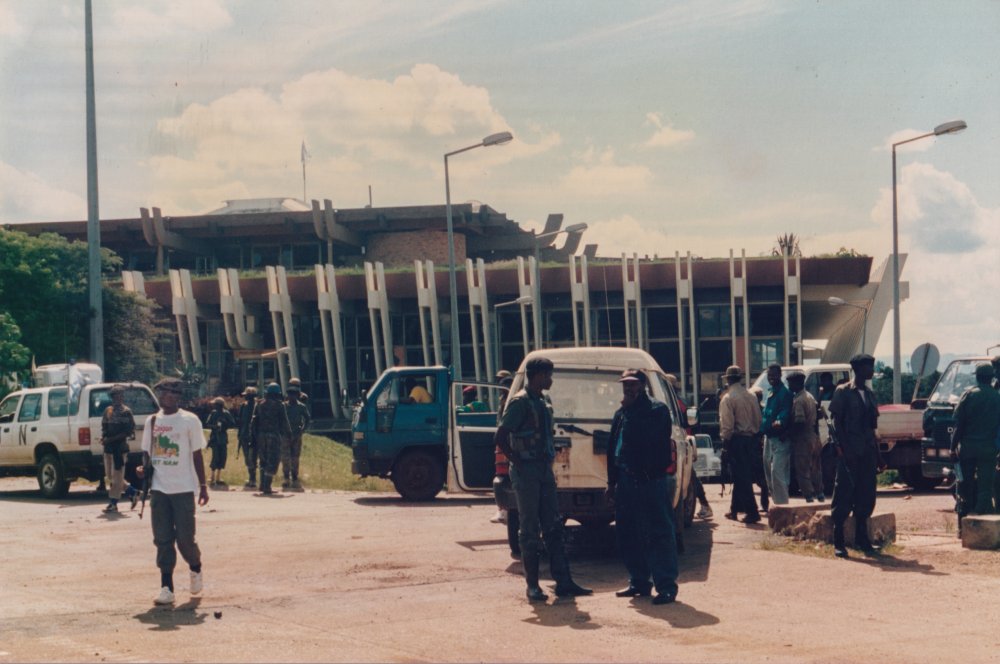
RPA forces at the Kigali International Airport.
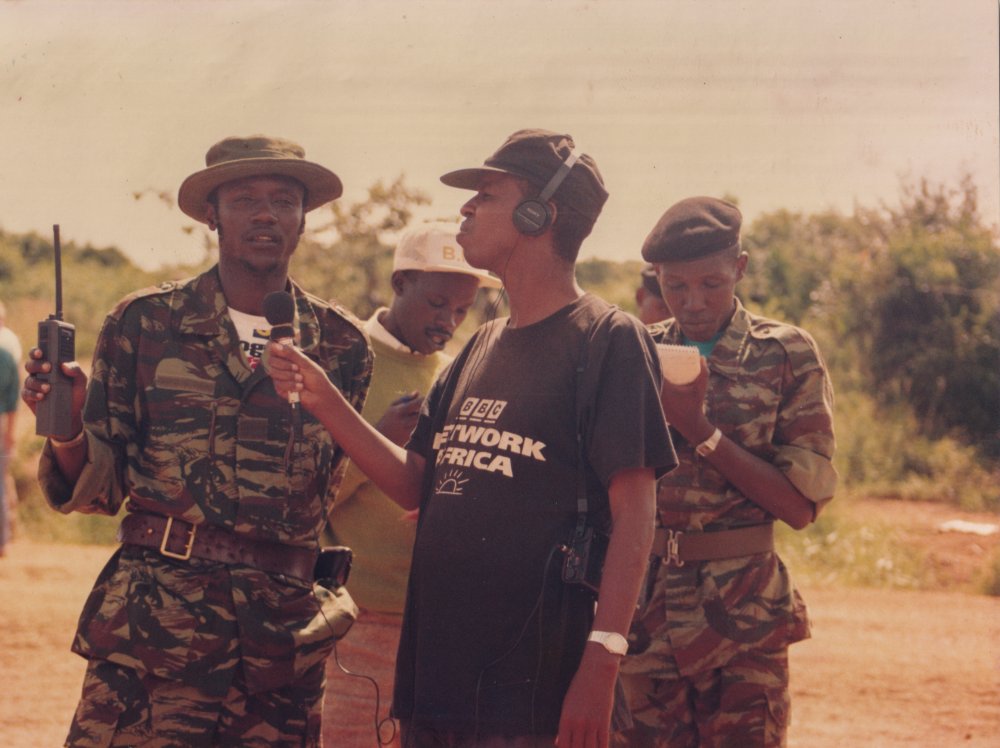
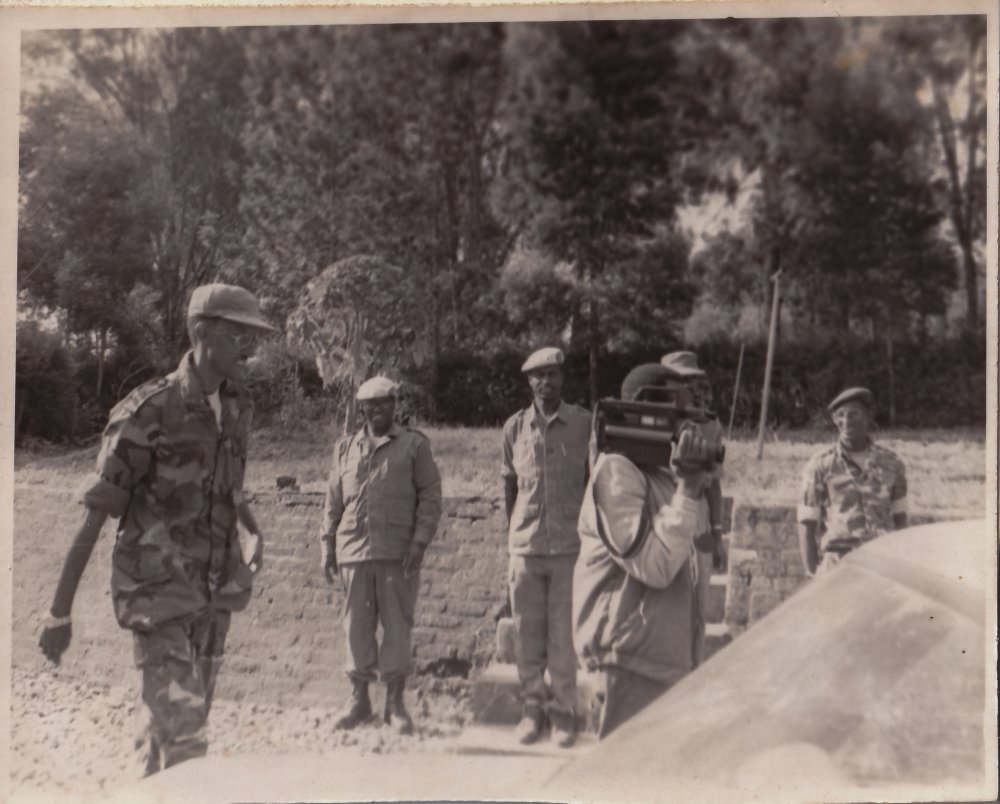
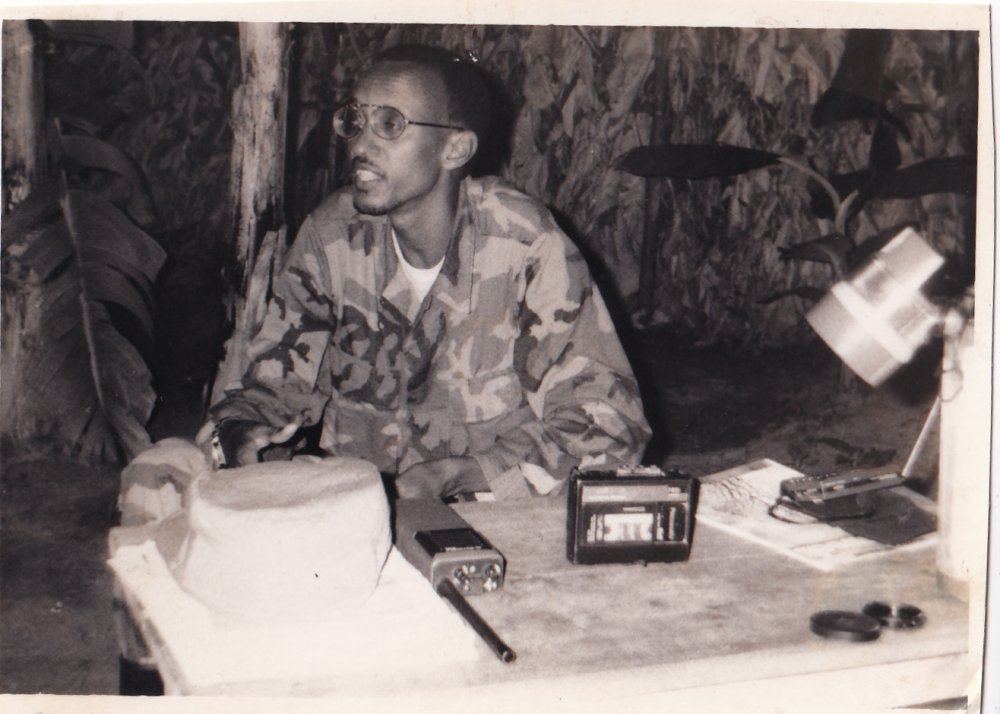
Fred Ibingira during a conversation with a journalist about the liberation struggle.
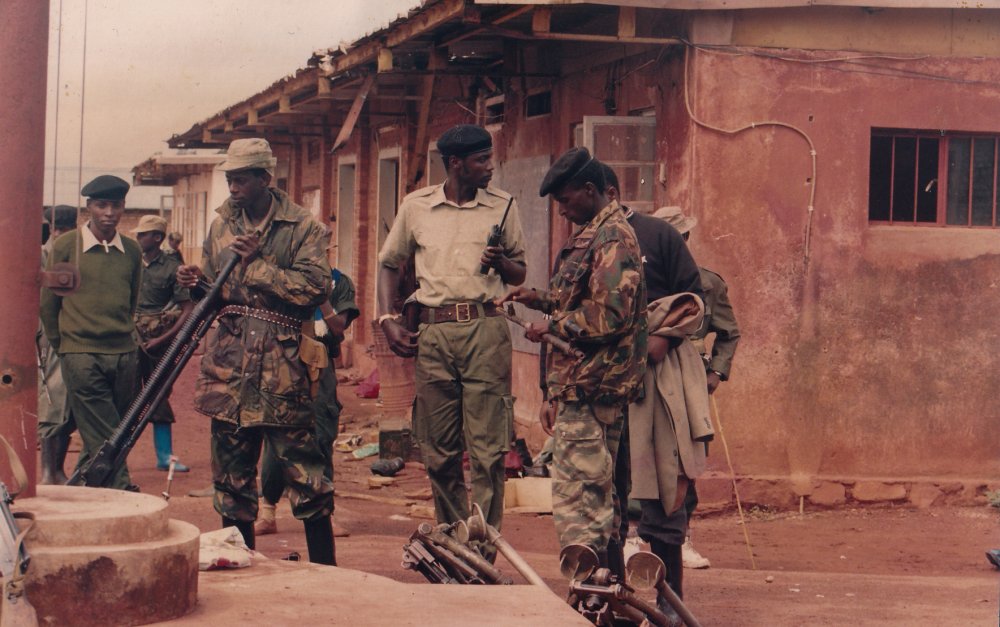
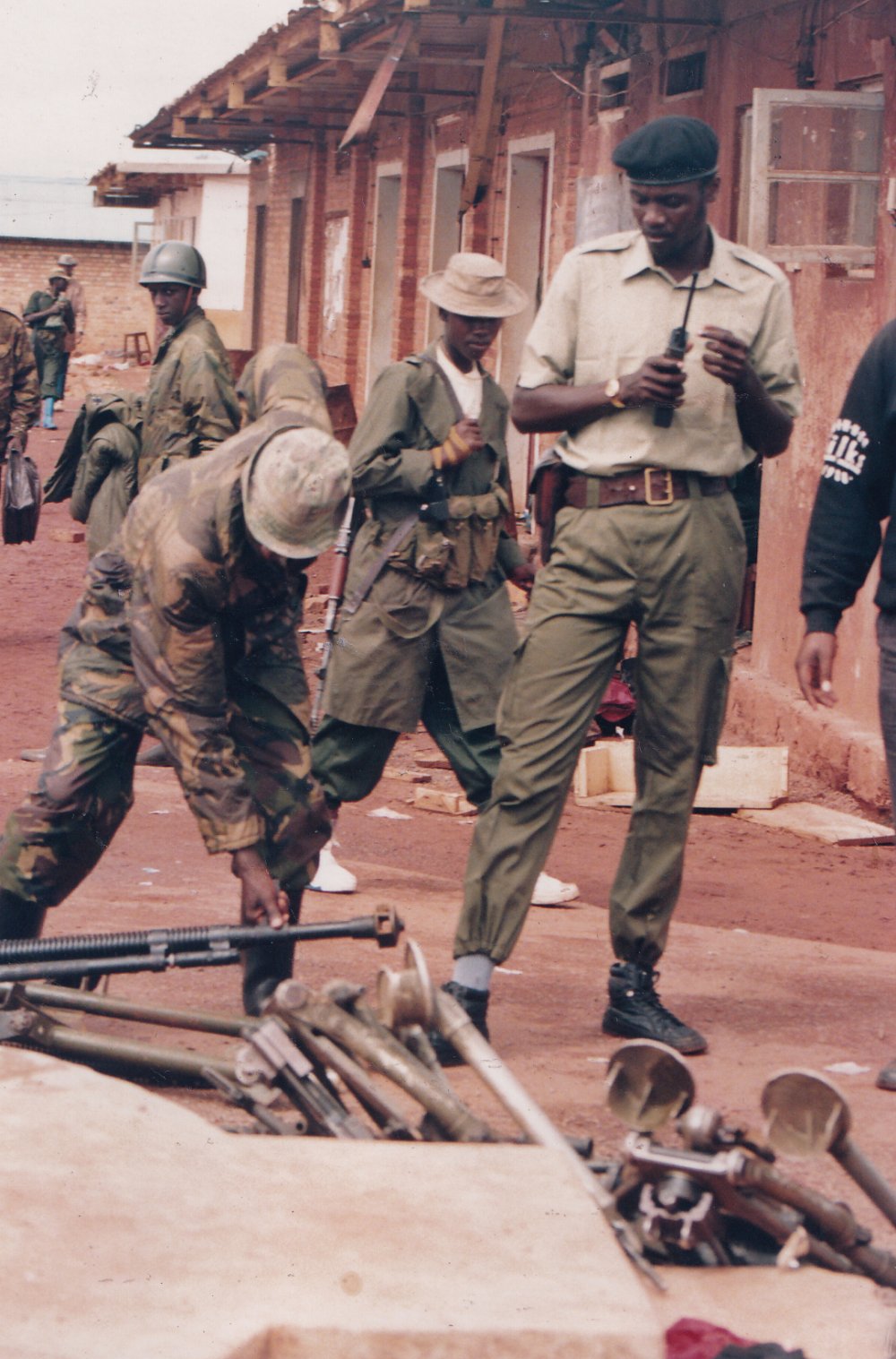
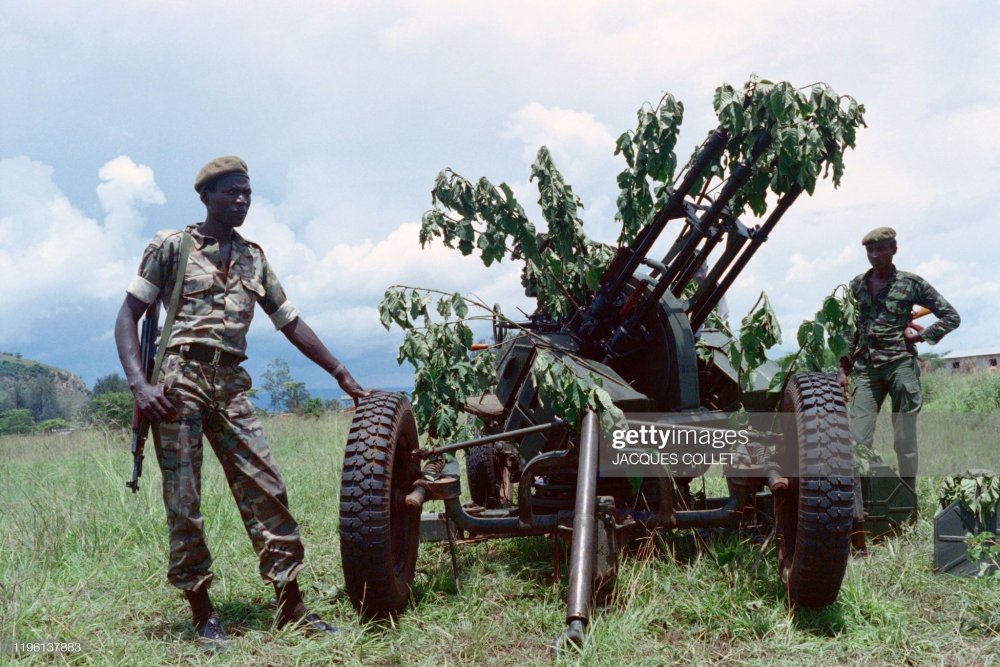
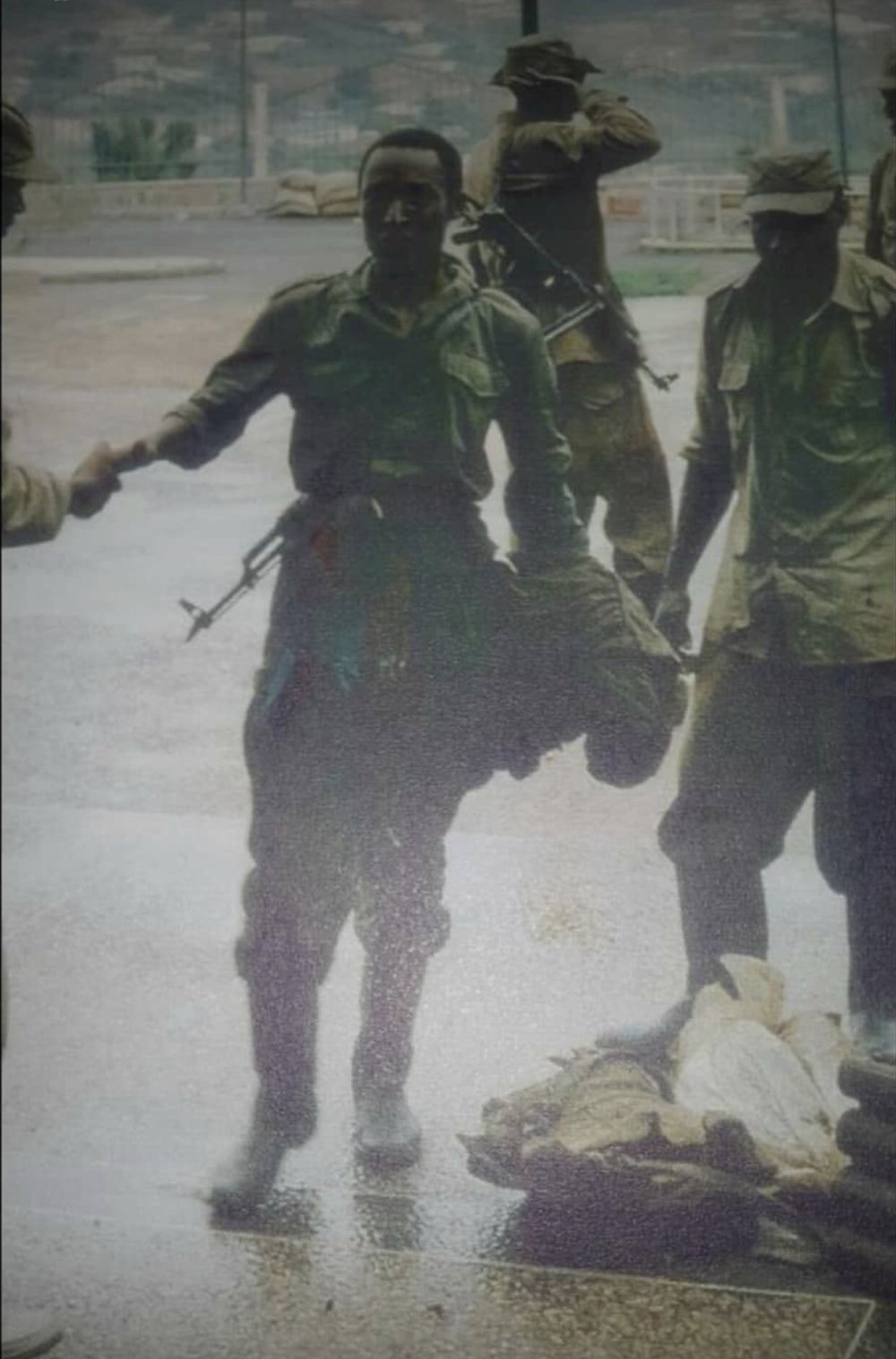
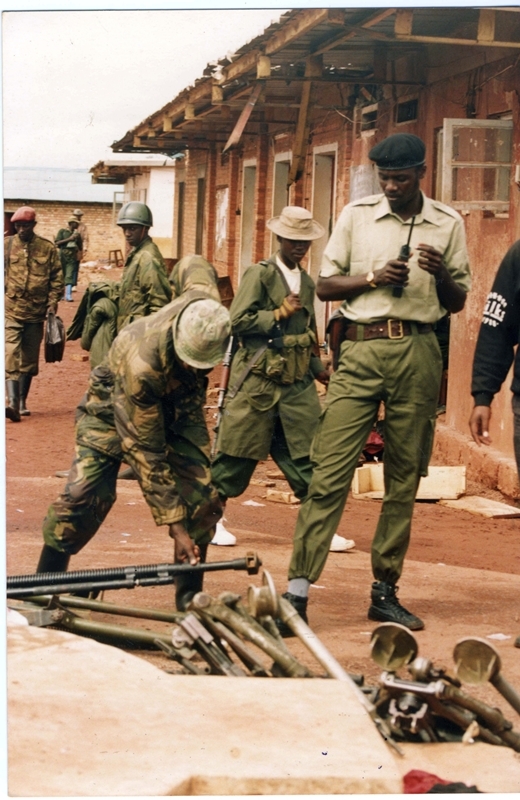
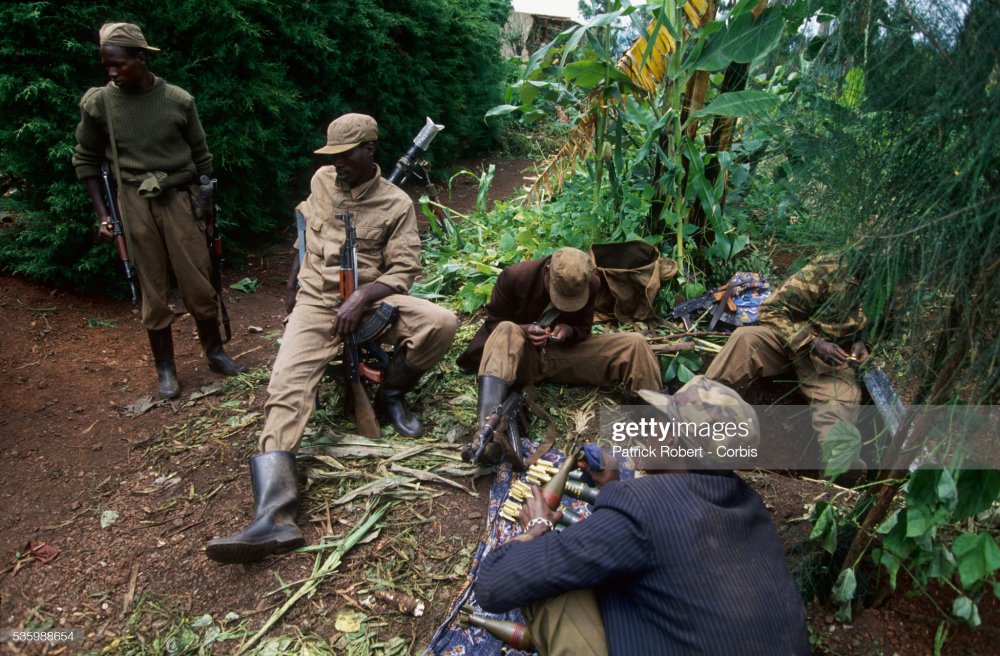
These are weapons that had been abandoned by FAR troops and were later recovered by RPA forces.
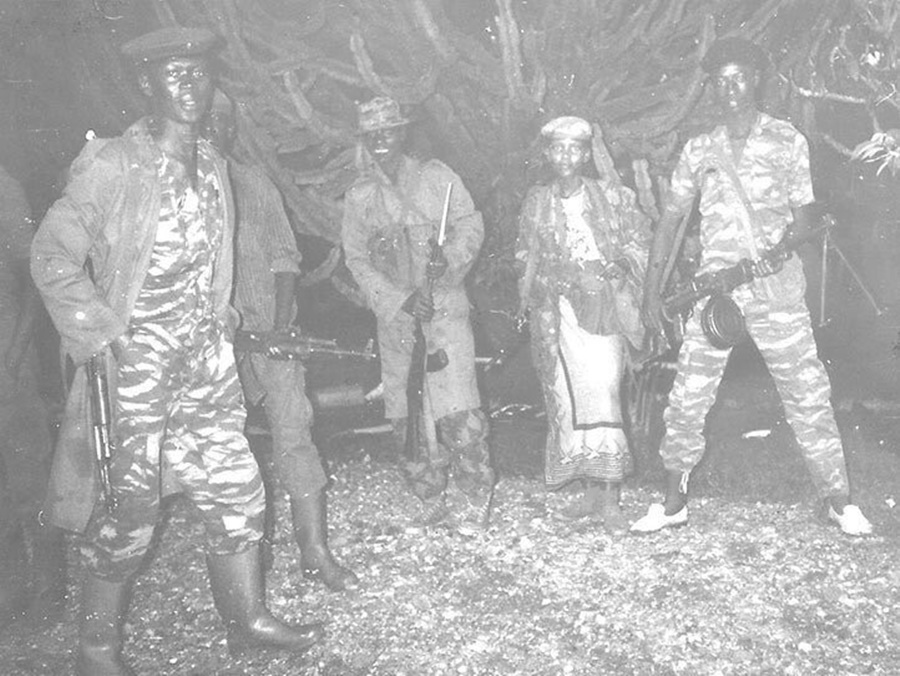
RPA troops in Kagitumba on October 22, 1990, during the early stages of the liberation struggle to free the country.
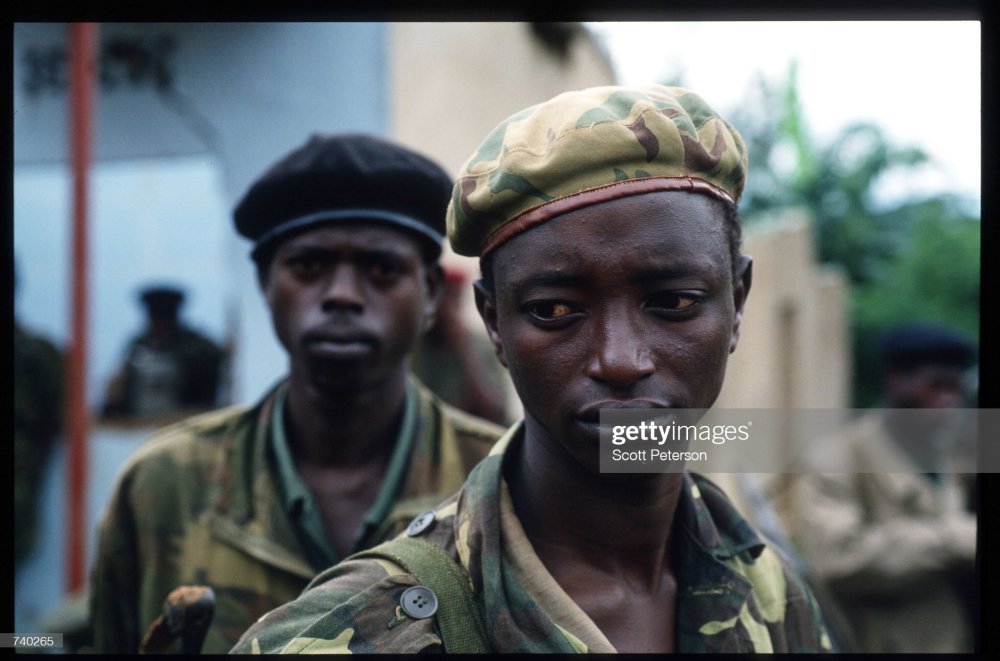
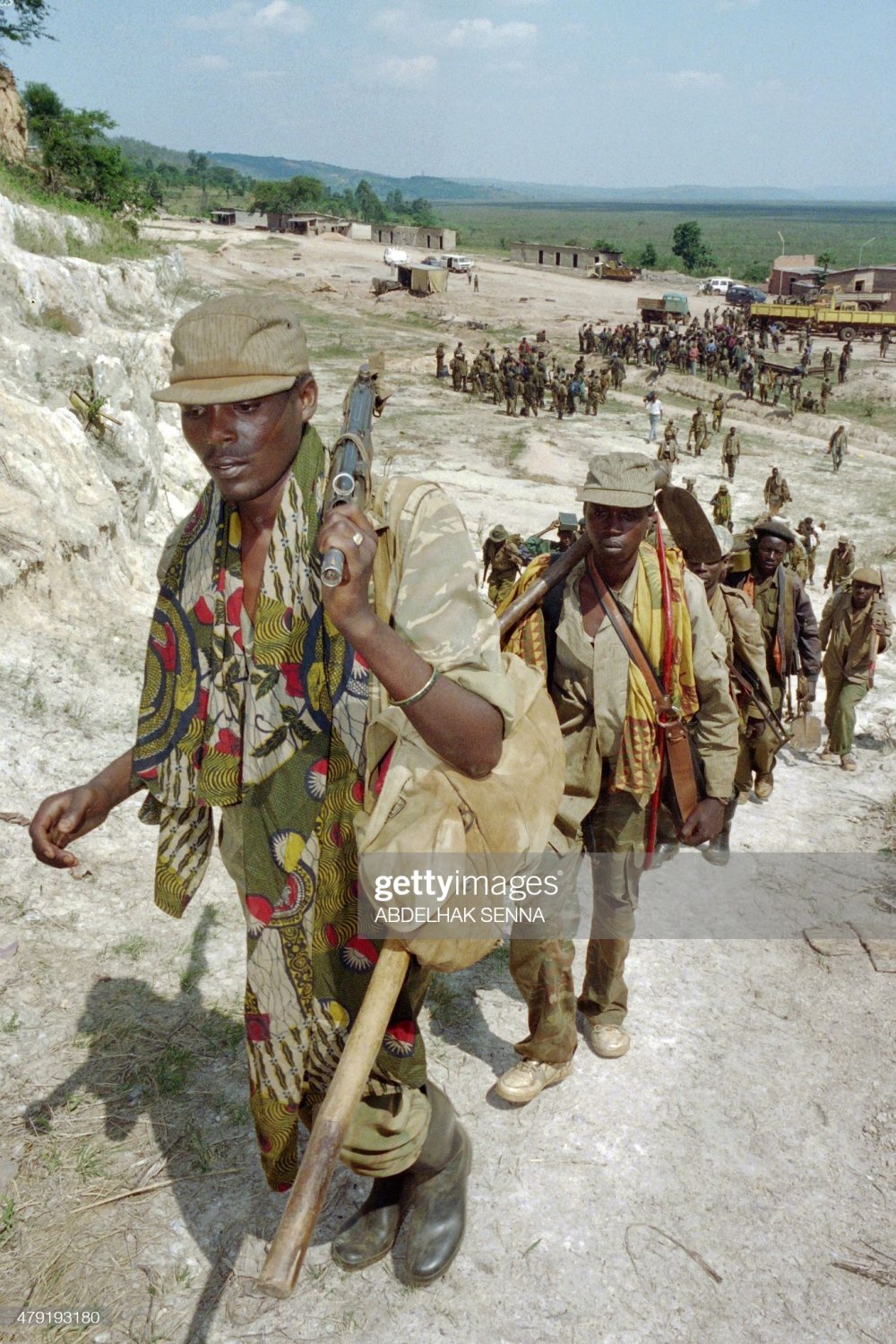
A large number of RPA soldiers were young. The group shown here was photographed on May 26, 1994, as they advanced toward Kigali City.
These RPA soldiers were photographed in a banana plantation within Kigali City during the liberation struggle to liberate the country.
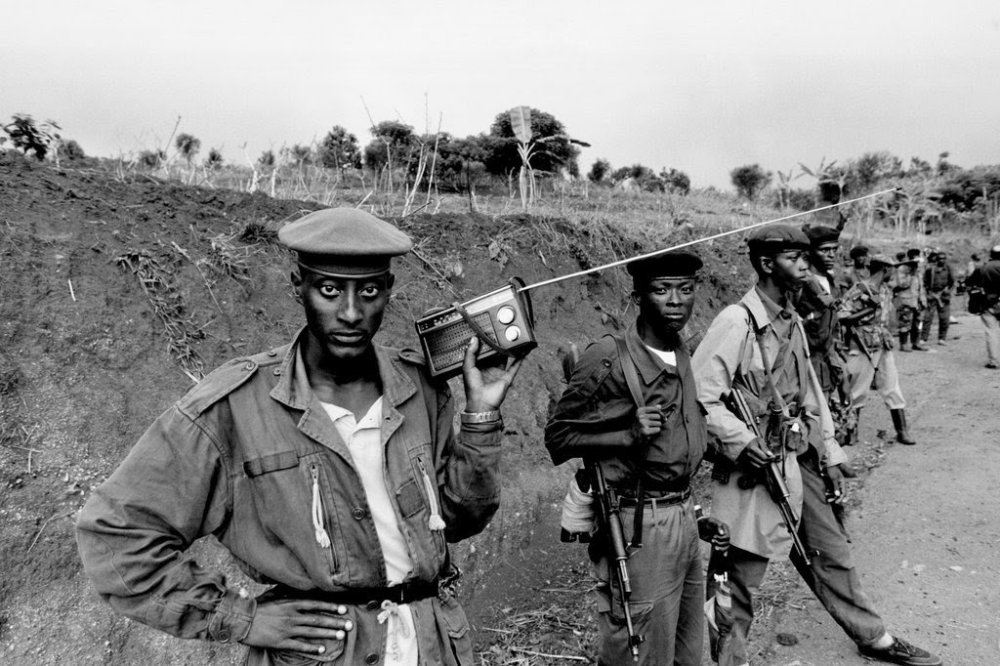
RPA soldiers in Nyamata during the liberation struggle. At the time, they relied on small radios to receive updates on the progress of the war, and they listened to Radio Muhabura.
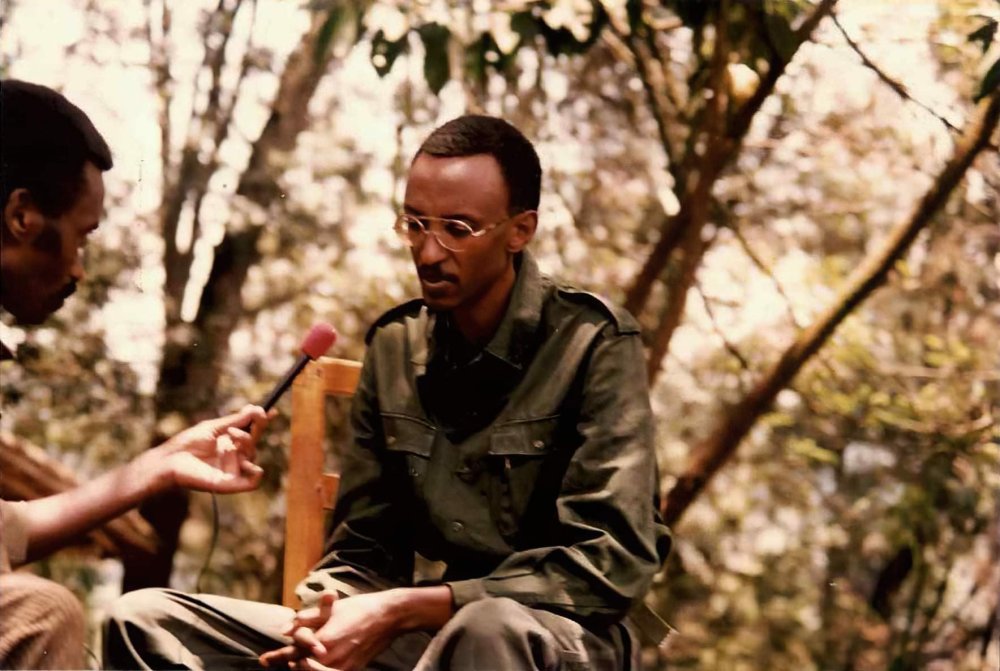
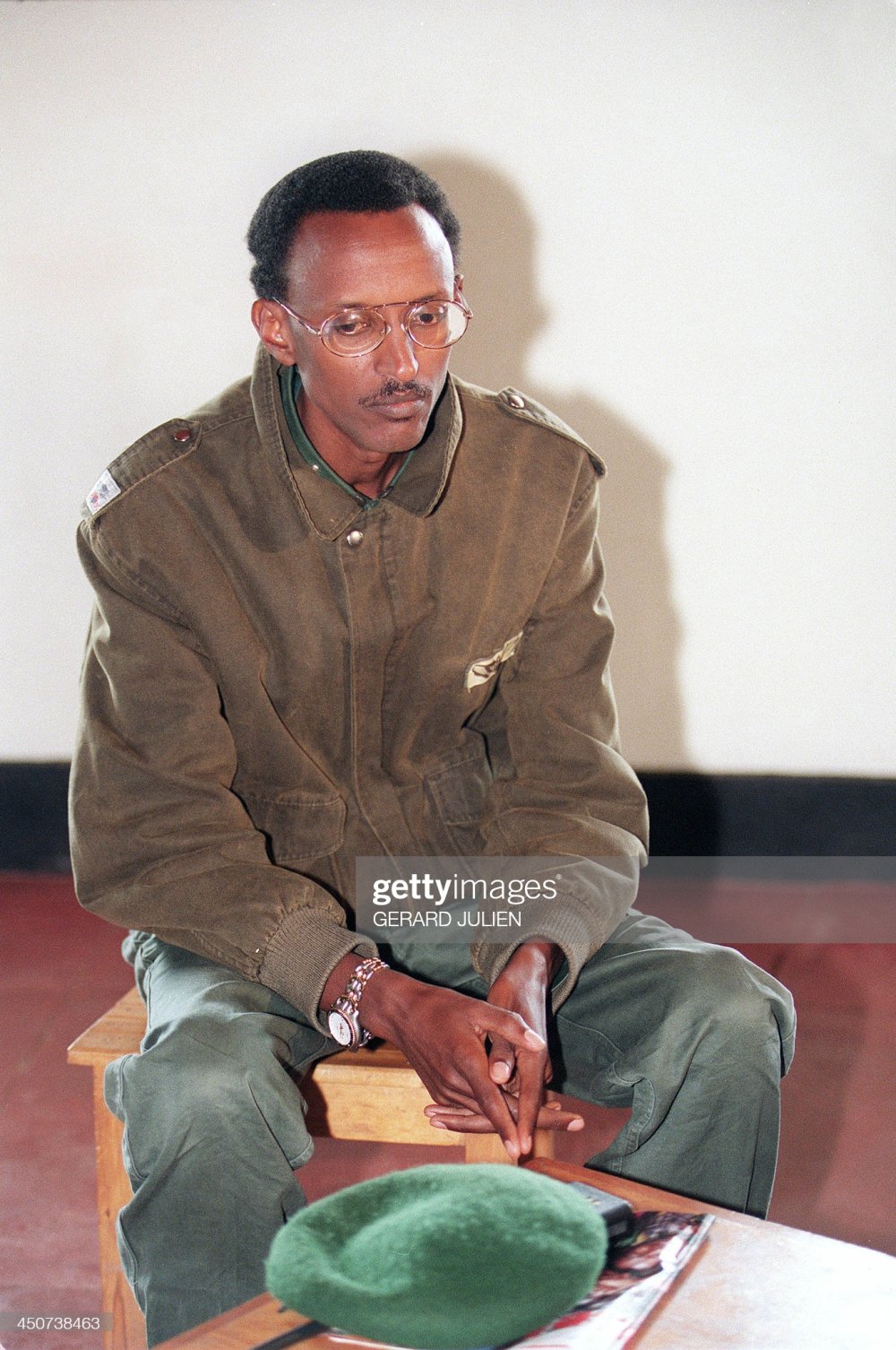
Gen. Maj. Paul Kagame often engaged with the media, emphasizing that his forces were fighting for the right to their country and to protect Rwandans who had long lived in exile and displacement.
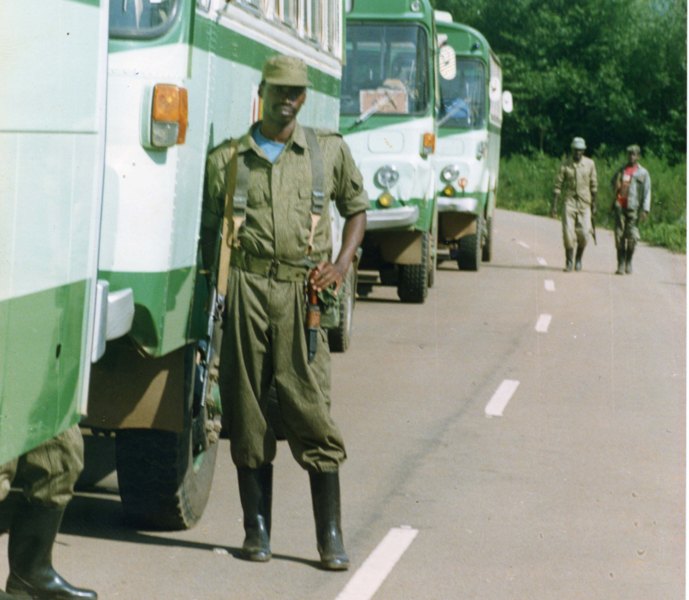
RPA forces departed from Mulindi and moved towards the CND.
Nearly all the RPA soldiers who participated in the liberation of Rwanda were young at the time they joined the struggle. They abandoned their education and peaceful lives, choosing instead a difficult path that ultimately led Rwanda toward a better future.
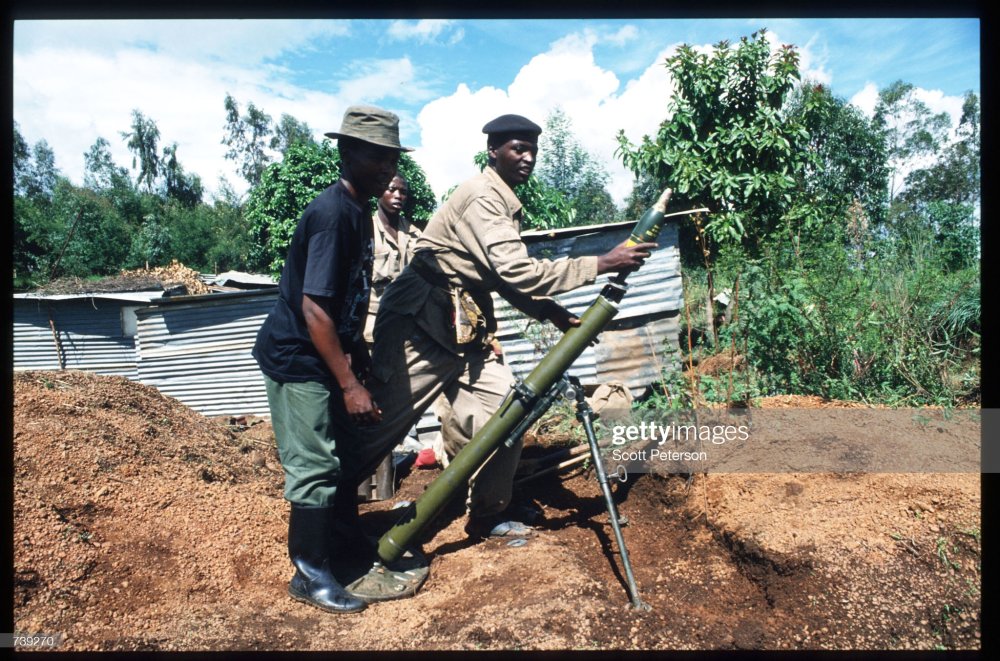
The RPA began with very limited resources, lacking both equipment and established bases, yet it ultimately achieved victory through determination, resilience, and a commitment to justice.
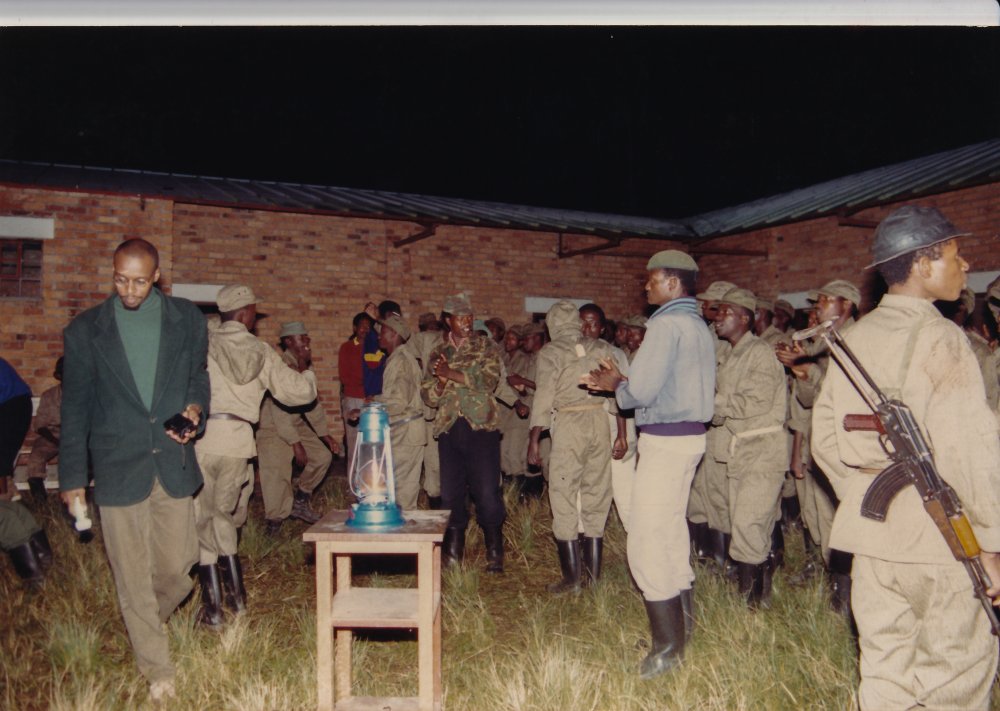
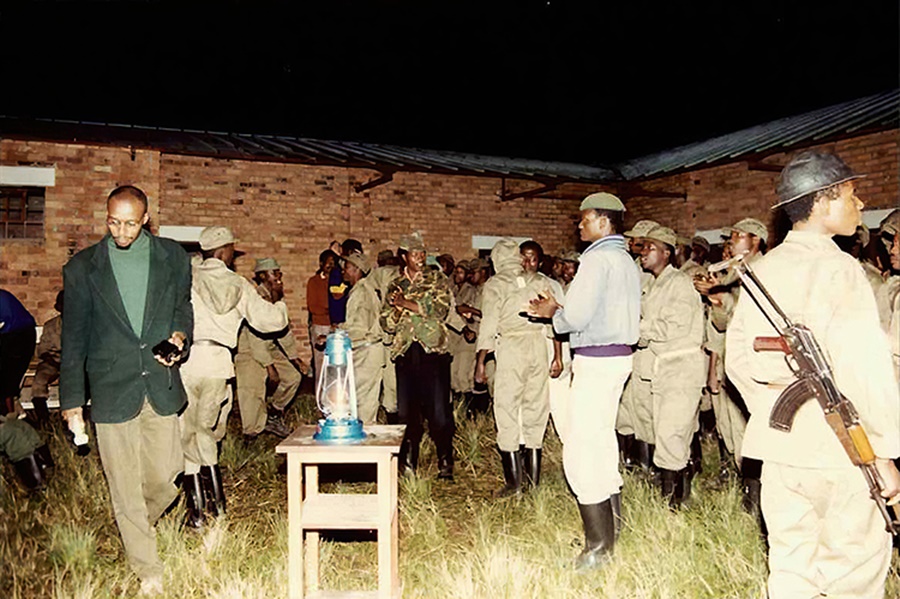
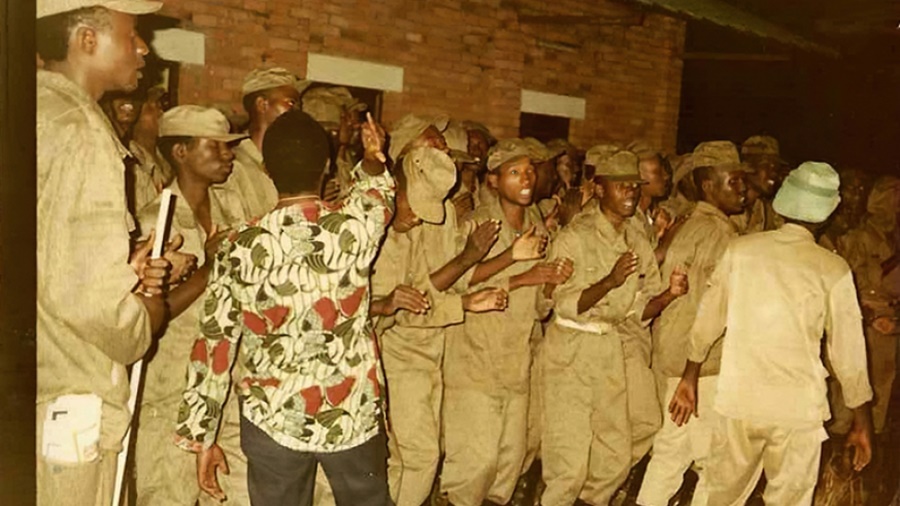
Wherever they were deployed, RPA soldiers were characterized by strong morale. This image captures one of their night moments, illuminated by a kerosene lamp.
High morale was one of the key sources of their strength, enabling them to remain focused and determined despite the challenges of the battlefield and the loss of fellow soldiers.
Gen. Maj. Paul Kagame was compelled to suspend his studies in the United States and return to lead the liberation struggle, a campaign that ultimately resulted in victory.
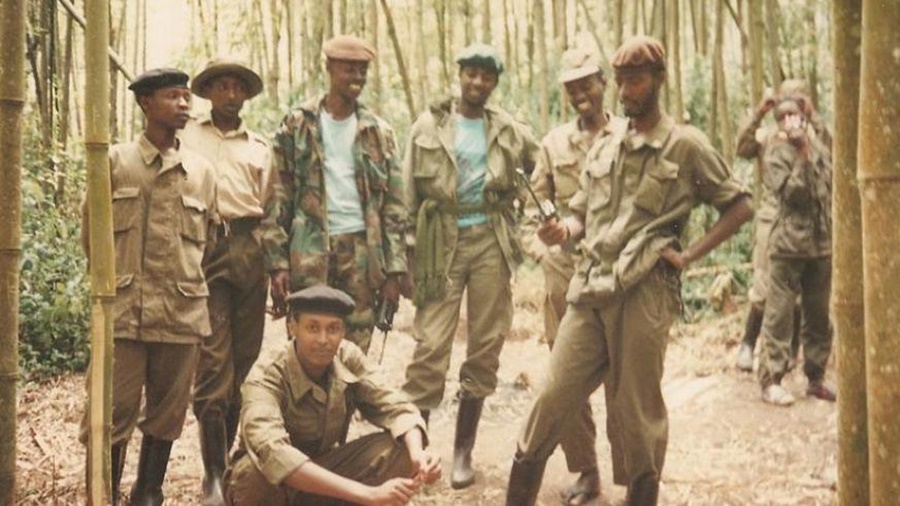
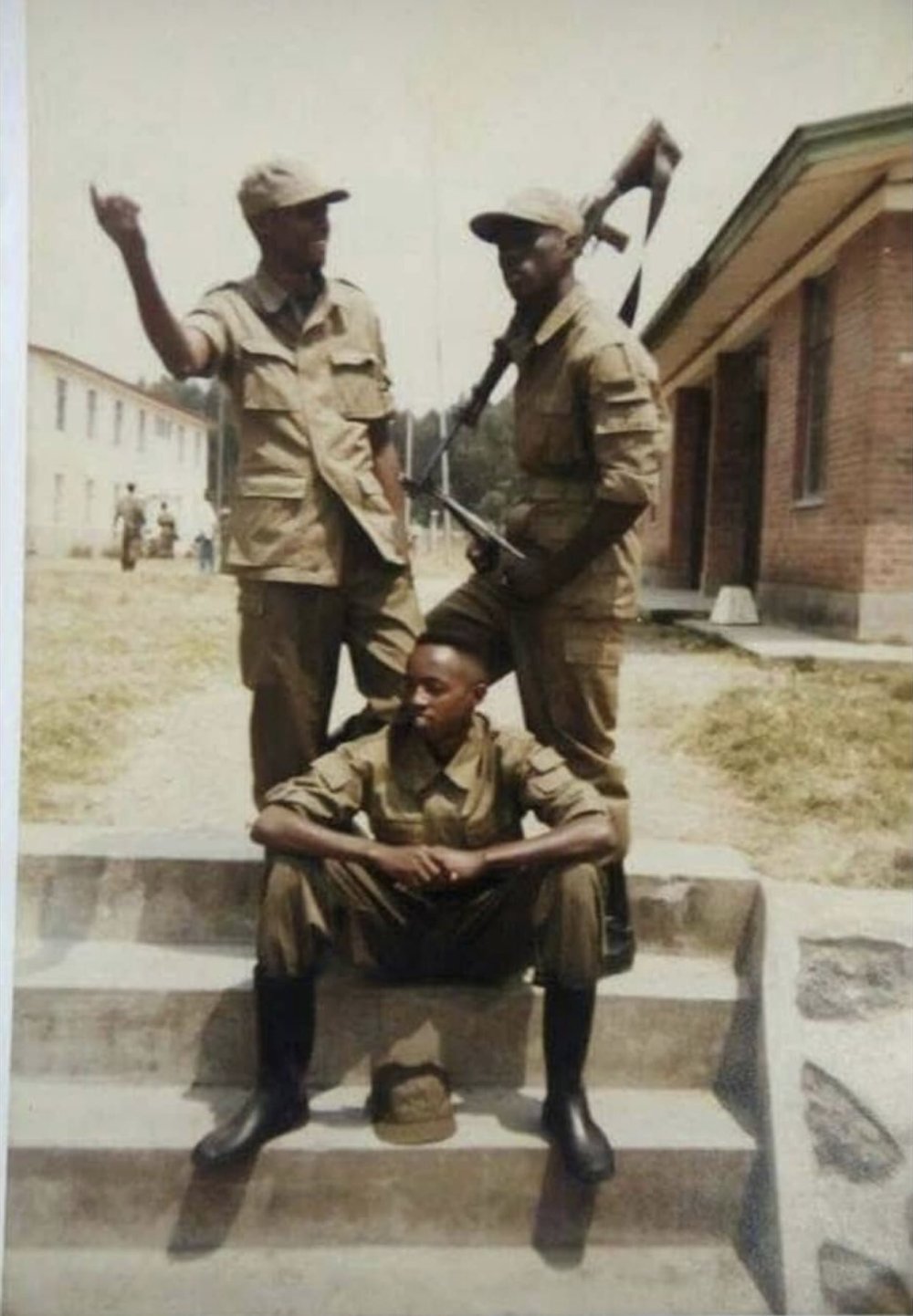
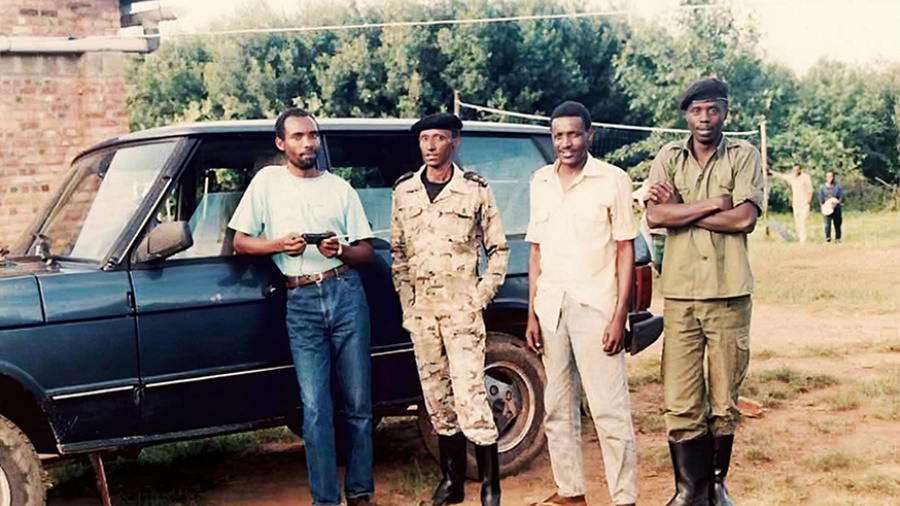
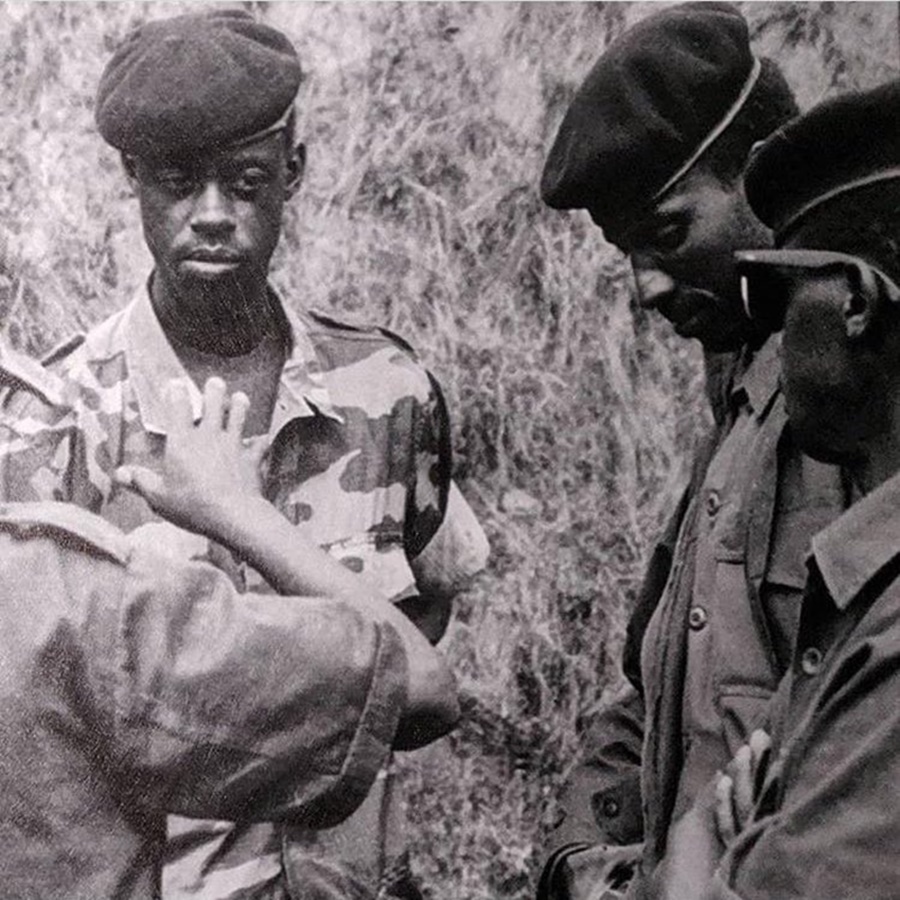
Among the RPA soldiers who served as bodyguards to Gen. Maj. Paul Kagame were Mugisha Pepekale, Happy Ruvusha, James Kabarebe, Alex Kagame, Charles Kayonga, and John Gasana, who is seen seated.
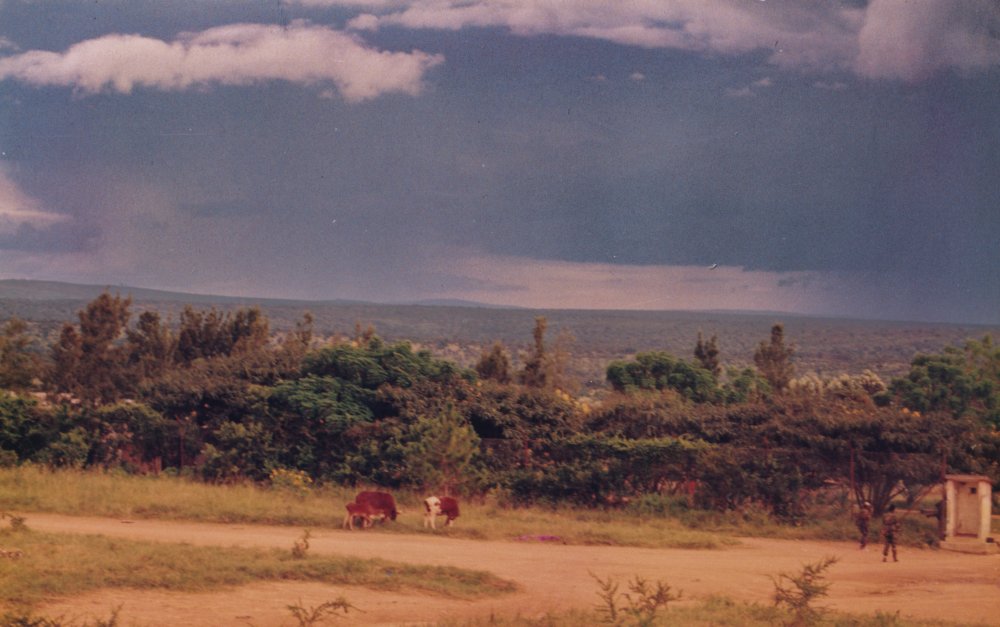
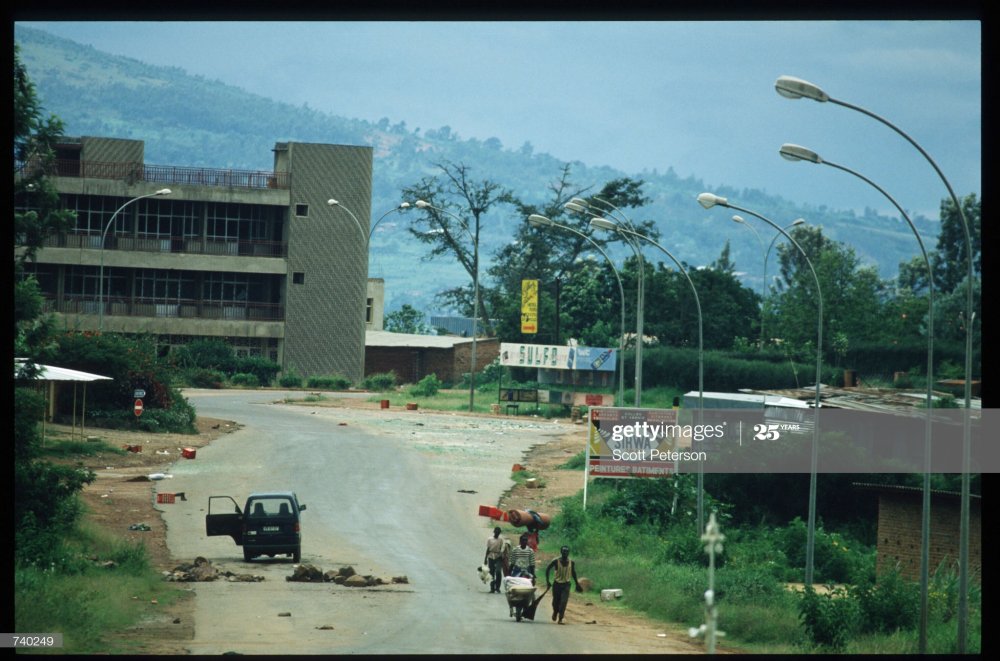
Following the liberation of the country, a new phase of reconstruction began. The area once known as 'kwa Lando,' which previously looked very different, has now been transformed and is filled with modern buildings.
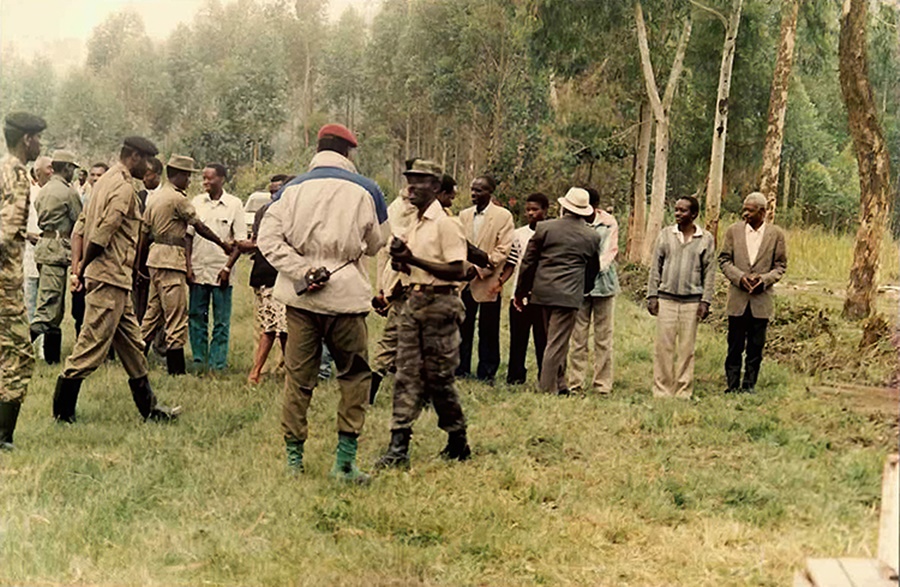
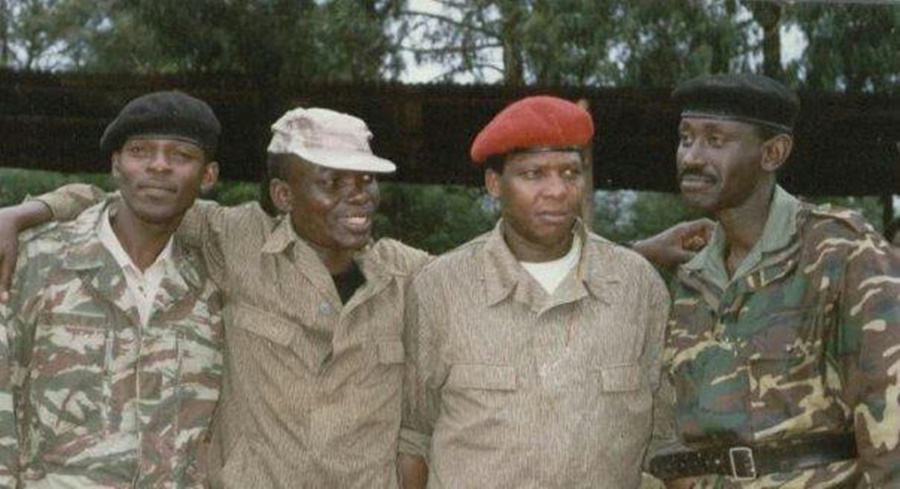
Rtd Col Ludovic Dodo Twahirwa, seen wearing a red hat, was among those who played a key role in planning and conceptualizing how the military operations should be conducted during the struggle.
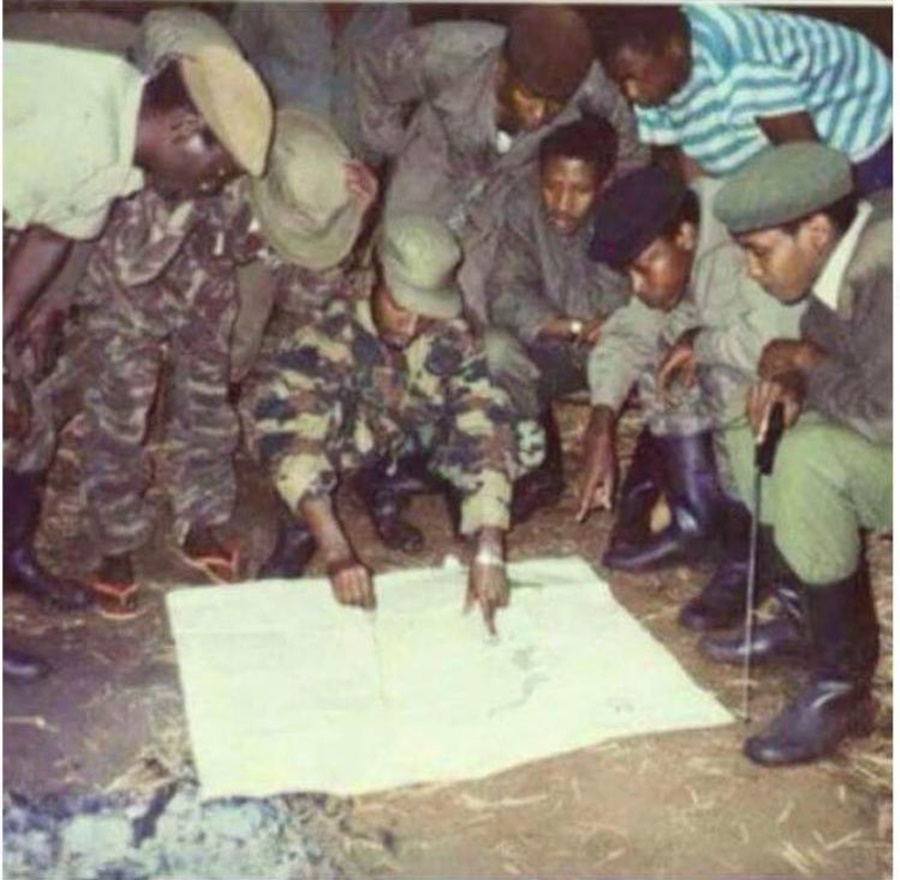
Day and night, RPA forces studied military strategies aimed at winning the war and rescuing Tutsi civilians who were being systematically massacred.
They gave up their youth and committed themselves to liberating their country.
RPA forces arrived at the CND in Kimihurura, at the Parliamentary building, where they secured the area and rescued Tutsi civilians as well as RPF political leaders who were inside.
Lt. Gerald Mbanda, former Head of Media sector Development at the Rwanda Governance Board (RGB), is seen alongside colleagues who worked at Radio Muhabura, the radio station affiliated with the RPA during the liberation struggle.
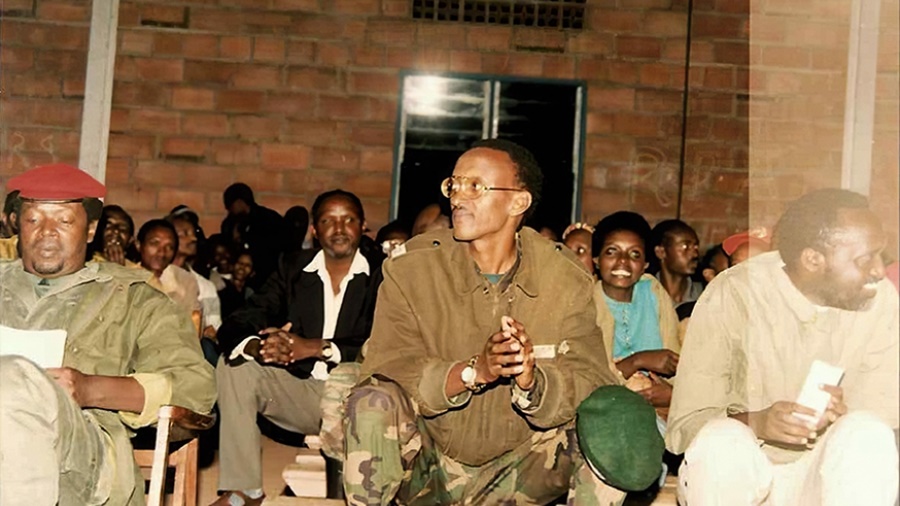
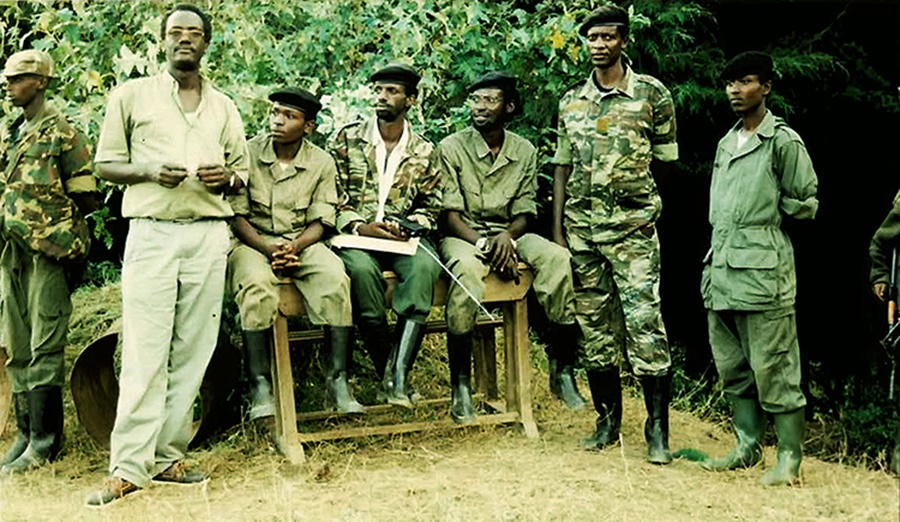
Gen. Maj. Paul Kagame is seen alongside other RPF members, including politicians such as Tito Rutaremara, who is positioned on the right.
Maj. Gen. Paul Kagame being sworn in as Minister of Defence after the country's liberation.
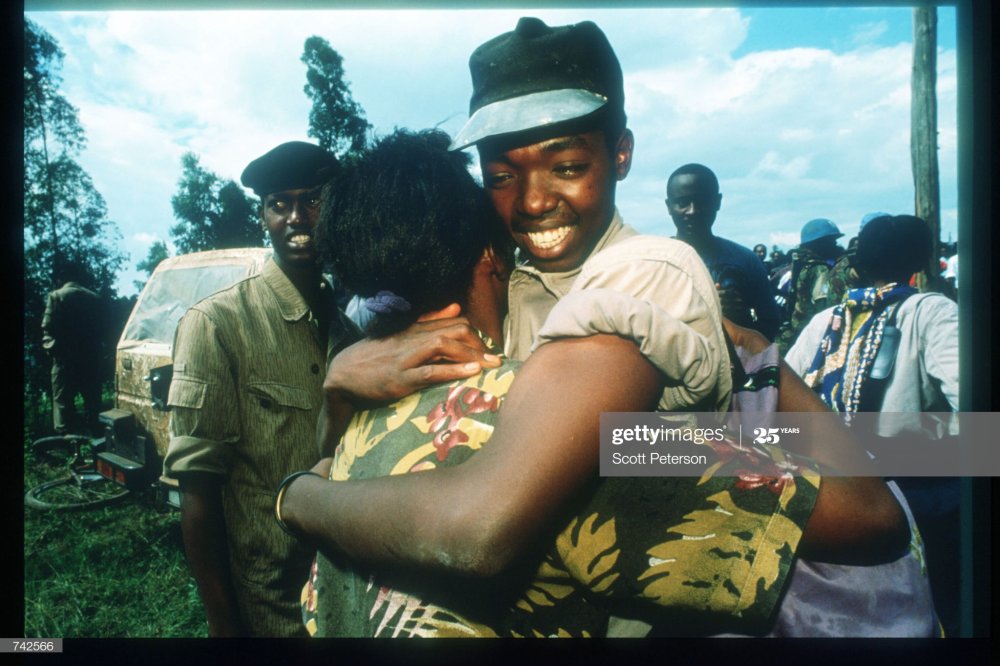
Following the liberation war, RPA forces continued their humanitarian efforts by locating survivors, rescuing those who remained in hiding, and ensuring they were provided with necessary care and support.
The RPA did not abandon or discriminate against the refugees who accompanied them, ensuring they were treated with care and inclusion.
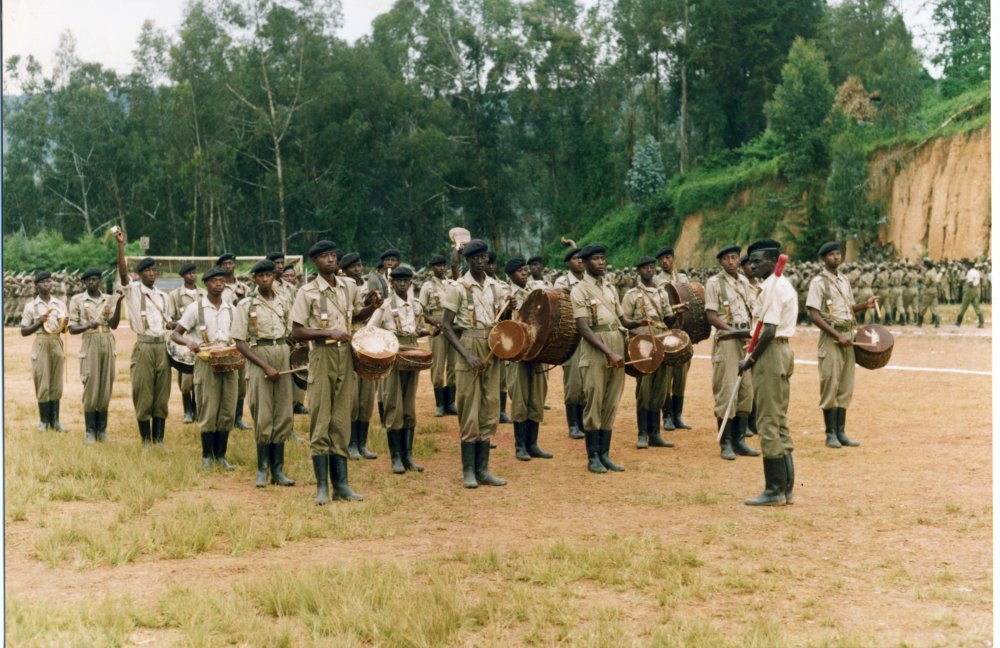
From the outset, the RPA had a unit dedicated to helping soldiers relax and maintain morale during the struggle.
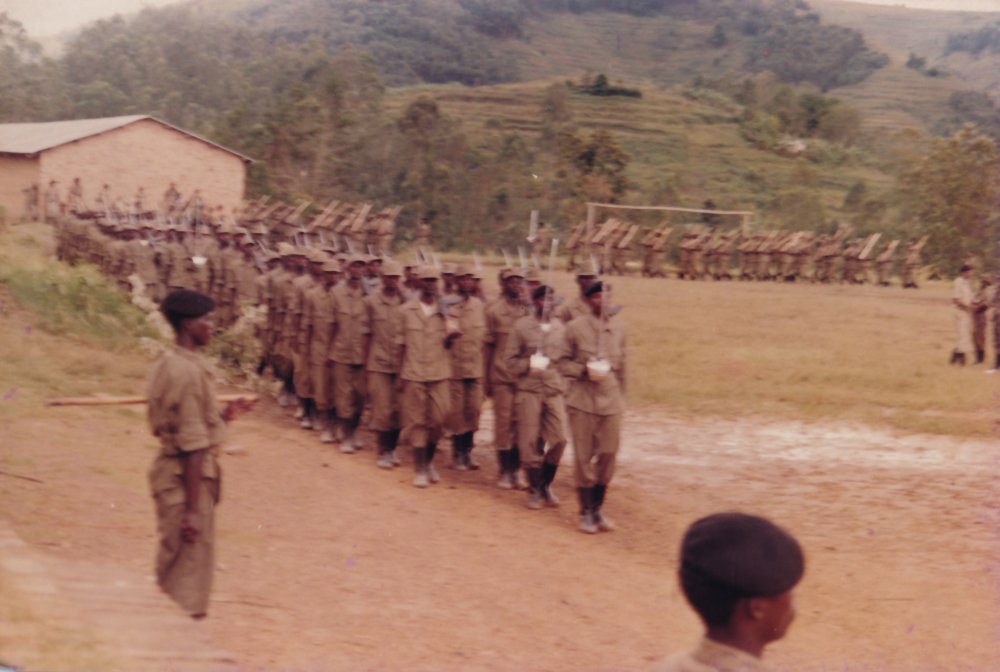
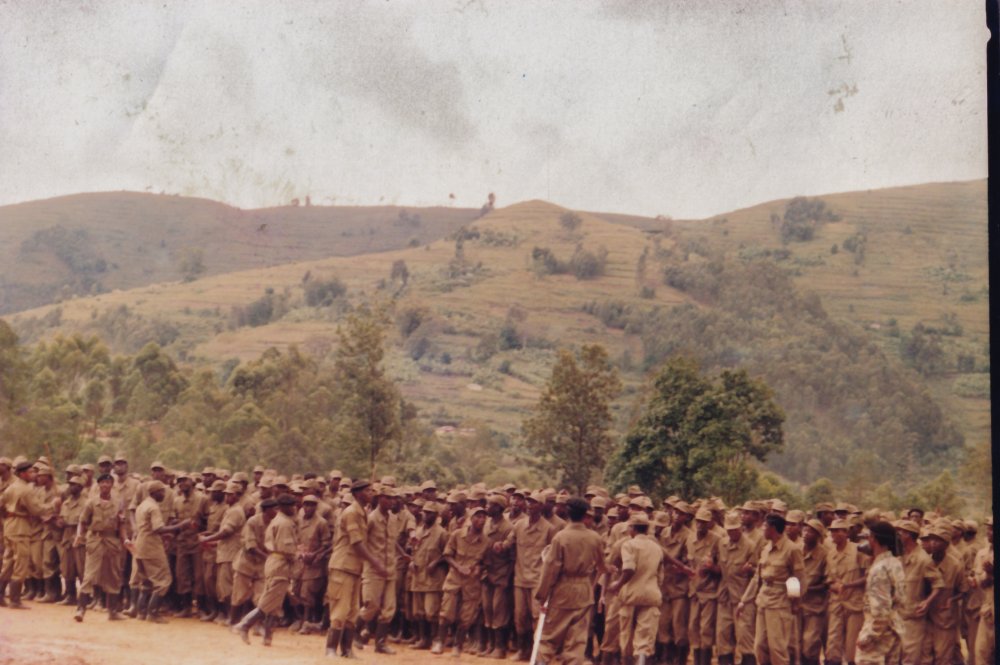
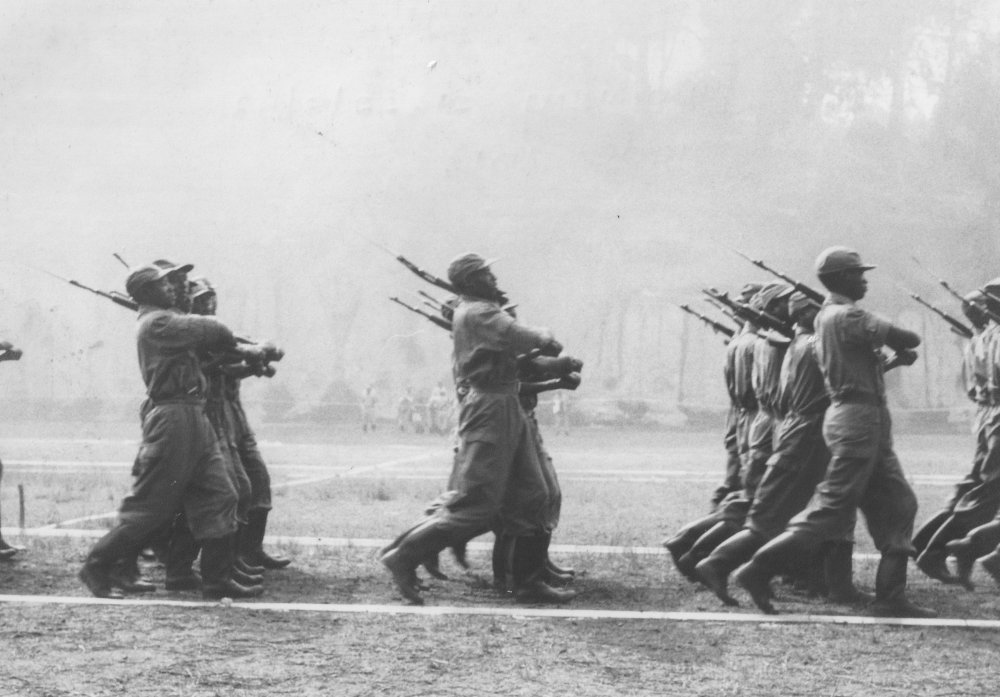
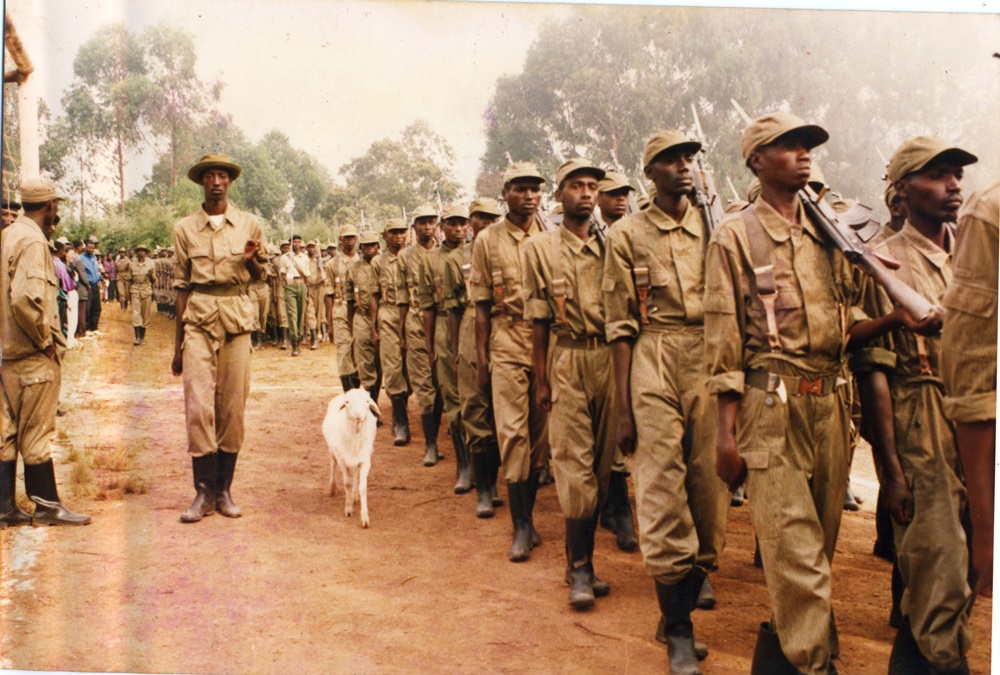
A white sheep features prominently in this photo, where it was captured during a parade of the 101 Battalion.
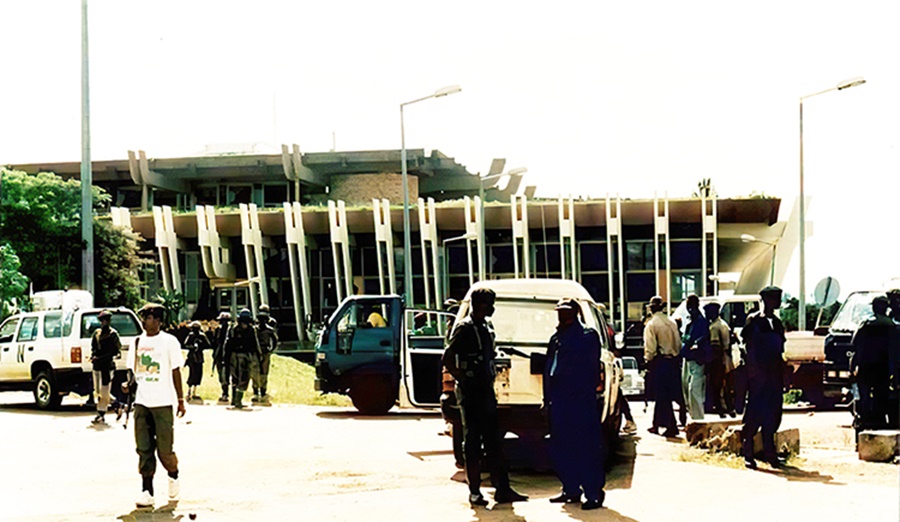
RPA forces after the capture of Kigali International Airport.
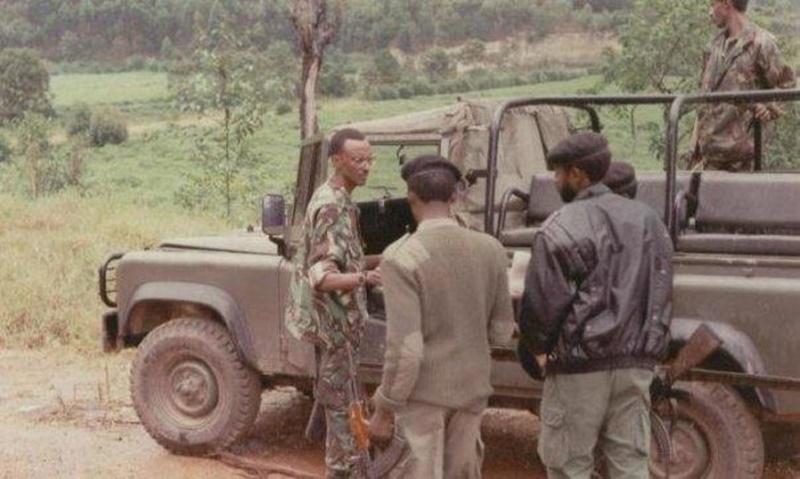
Gen. Maj. Paul Kagame in Rusumo during the early stages of the liberation struggle to liberate the country.
The RPA fought the war while simultaneously rescuing persecuted Tutsi civilians, providing safety and relief to those who reached its protection.
The RPA intensified its military operations until it captured Kigali, marking the declaration of victory.
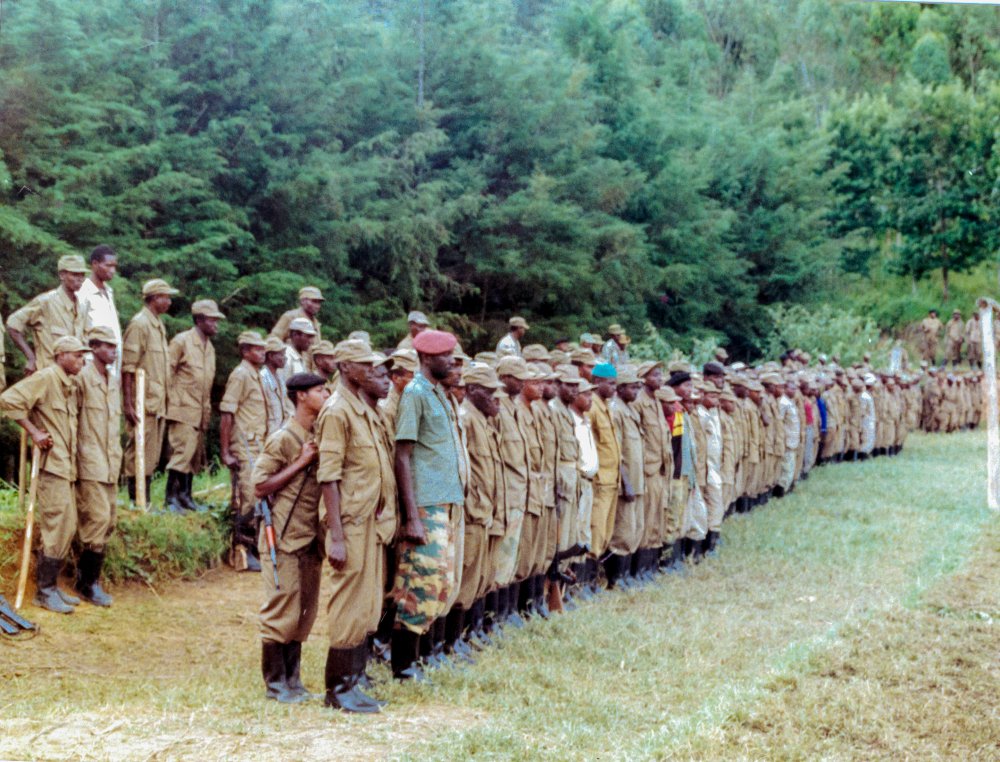
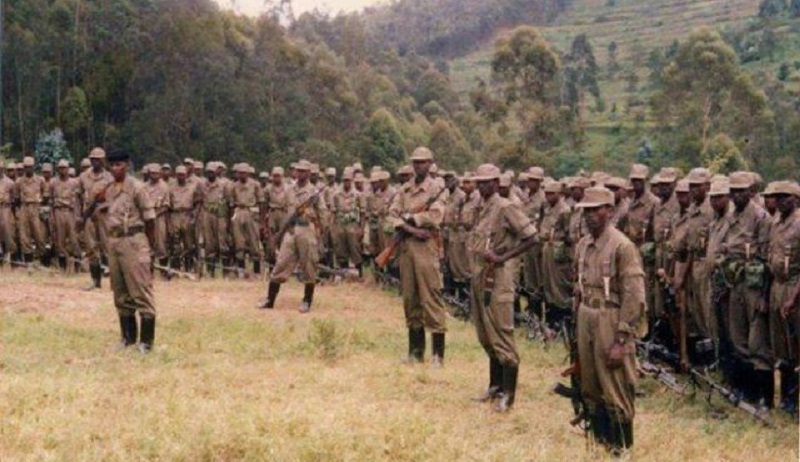
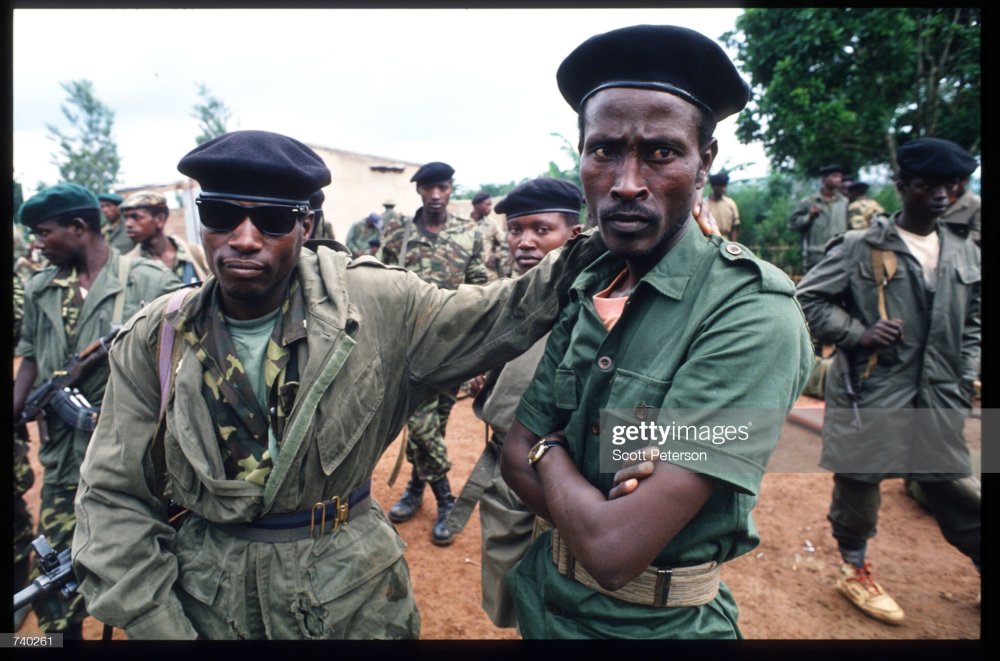
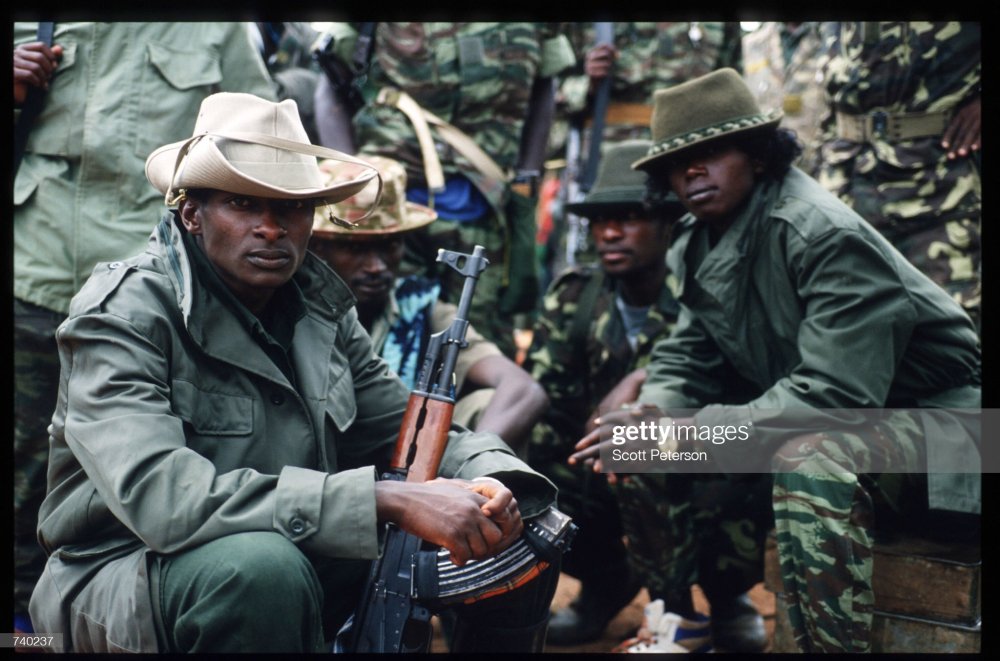
Some of the RPA soldiers who participated in the liberation struggle to free the country.
The bamboo forests of the Virunga Mountains provided RPA forces with a strategic advantage in their operations against FAR troops.
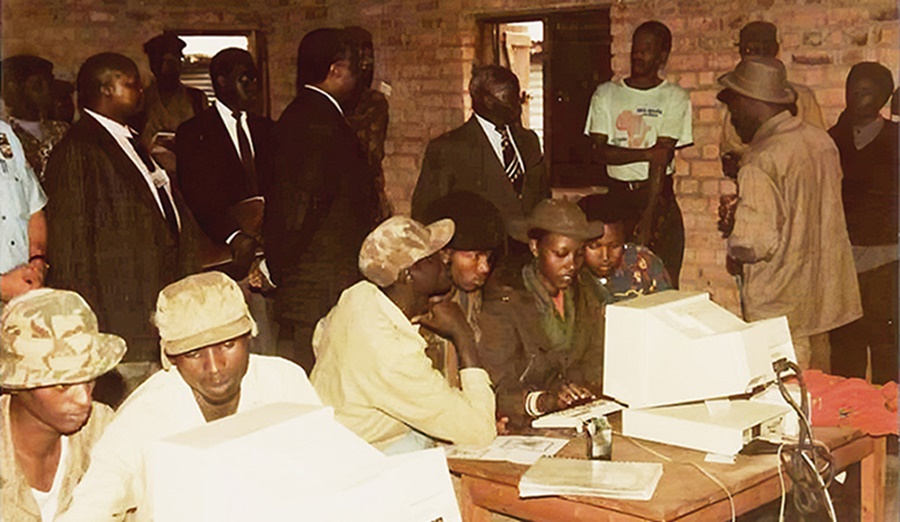
They had a limited number of computers, which they used for writing and communicating information despite their scarcity.
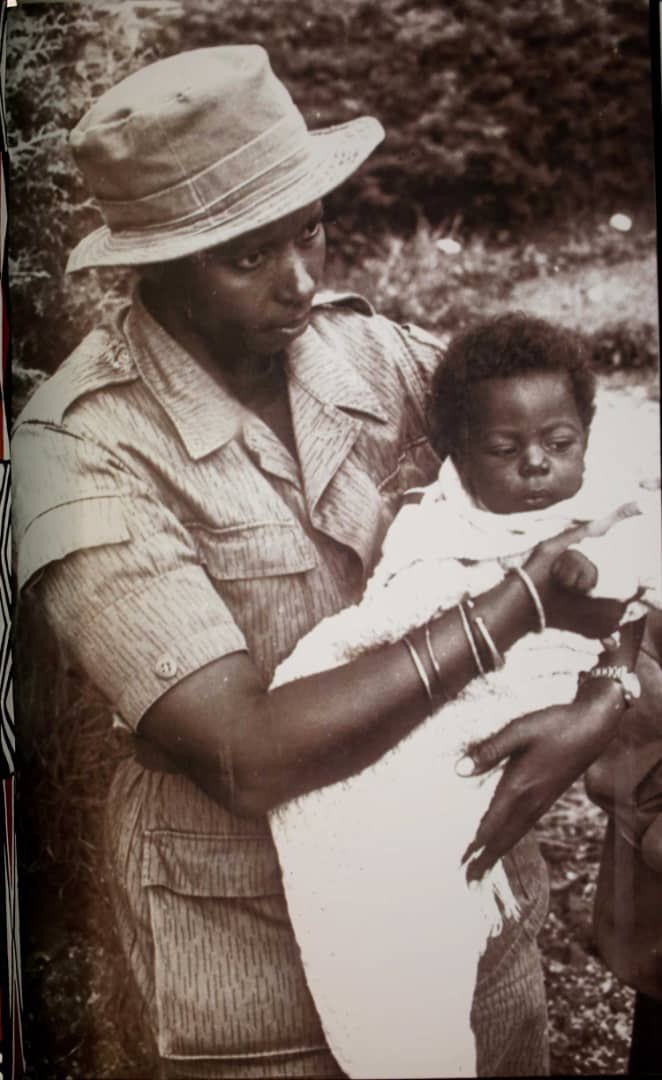
Rtd Capt. Daphrosa Intaramirwa was among those who took part in the liberation struggle, which was characterized by courage and deep compassion. In this image, she is seen carrying a child who had just been rescued.
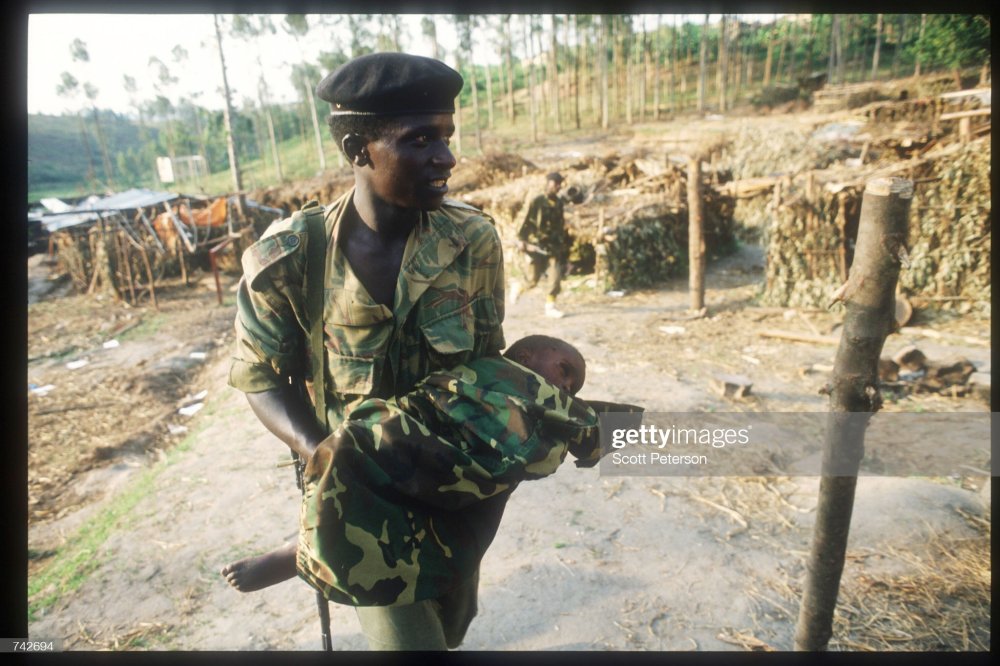
This soldier is among many who performed acts of bravery, helping to save numerous lives, including those of young children. This image was taken in Kabgayi on May 25, 1994.
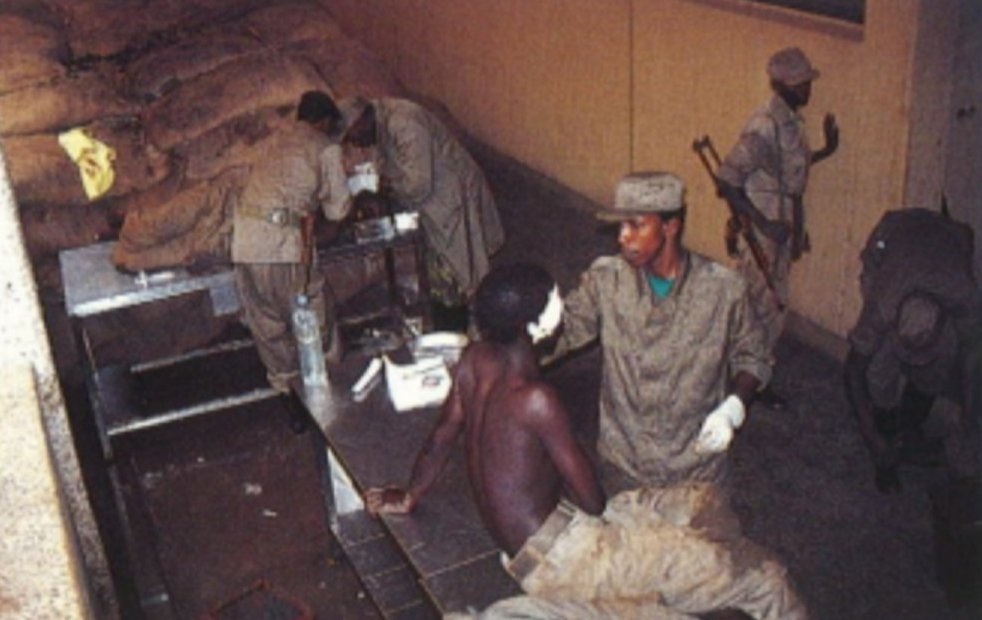
During the liberation struggle, it was difficult to find proper facilities for treating the wounded. Medical personnel often operated in makeshift conditions in the bush, yet continued to perform their duties with dedication and efficiency.
Gen. (Rtd) James Kabarebe was among the soldiers who took part in the liberation struggle and has continued to play a role in the country's development to the present day.
The RPA lacked adequate military equipment to match its adversaries, but it relied on strong ideas, determination, and strategy that enabled it to achieve significant progress.
'Mukotanyi' is a uniform considered to be part of Rwanda's exceptional historical heritage.
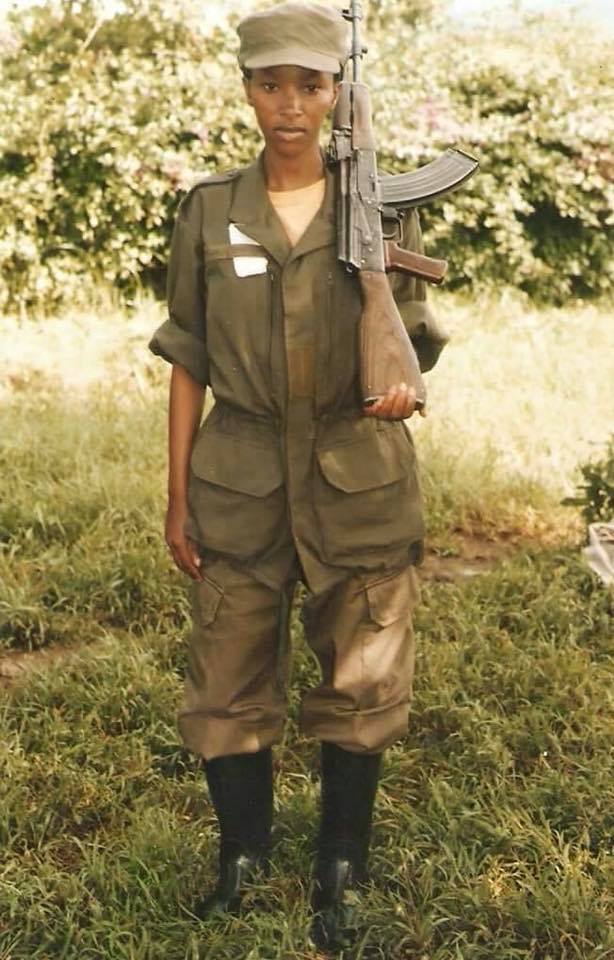
Young women sacrificed their youth and dedicated themselves to serving and liberating their country.
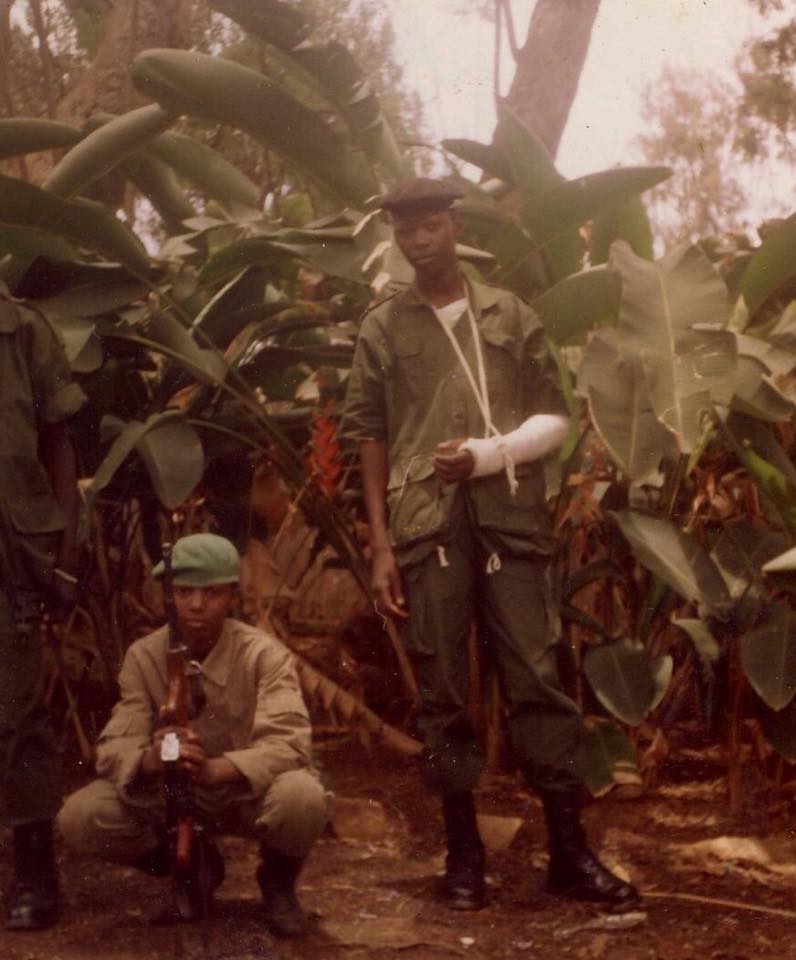
Even injuries did not prevent them from continuing the struggle.
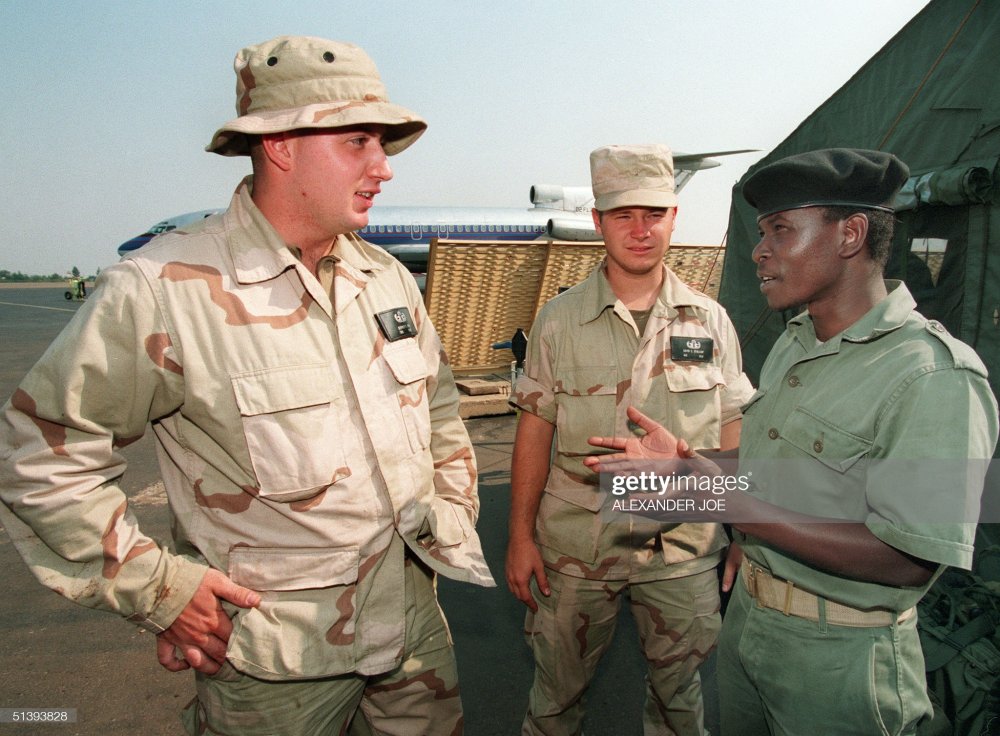
This photograph was taken shortly after the end of the Genocide against the Tutsi. It shows an RPA soldier in Kanombe in conversation with United States soldiers who were deployed in Rwanda.
These RPA soldiers were photographed in a banana plantation in Kigali City during the liberation struggle to liberate the country.
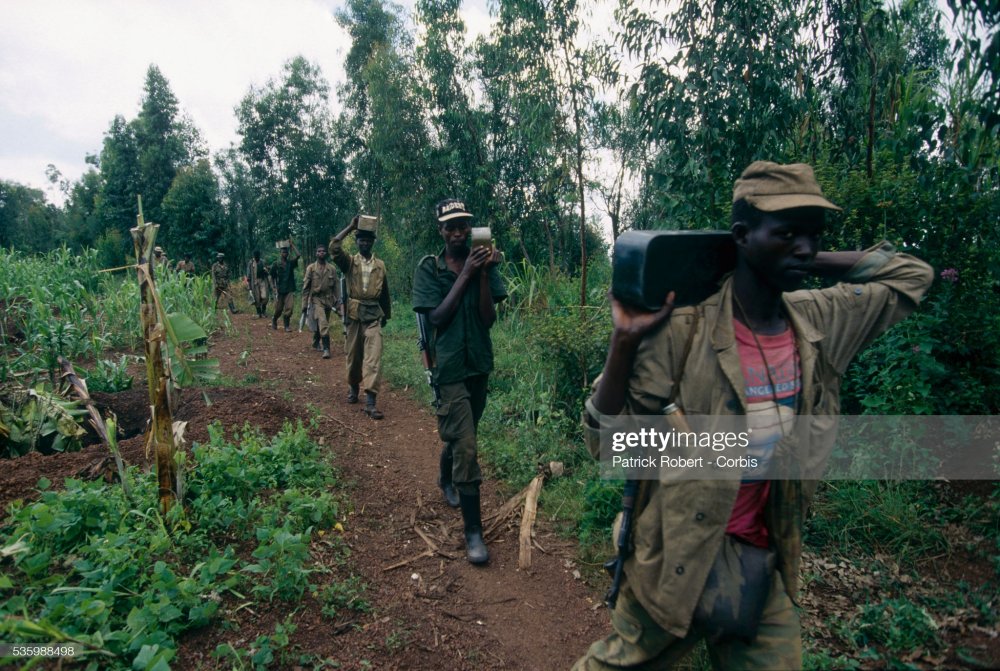
They had very limited resources and were forced to conduct the entire operation with improvised means. Here, they are seen advancing toward Kigali City, with some carrying ammunition boxes on their backs.
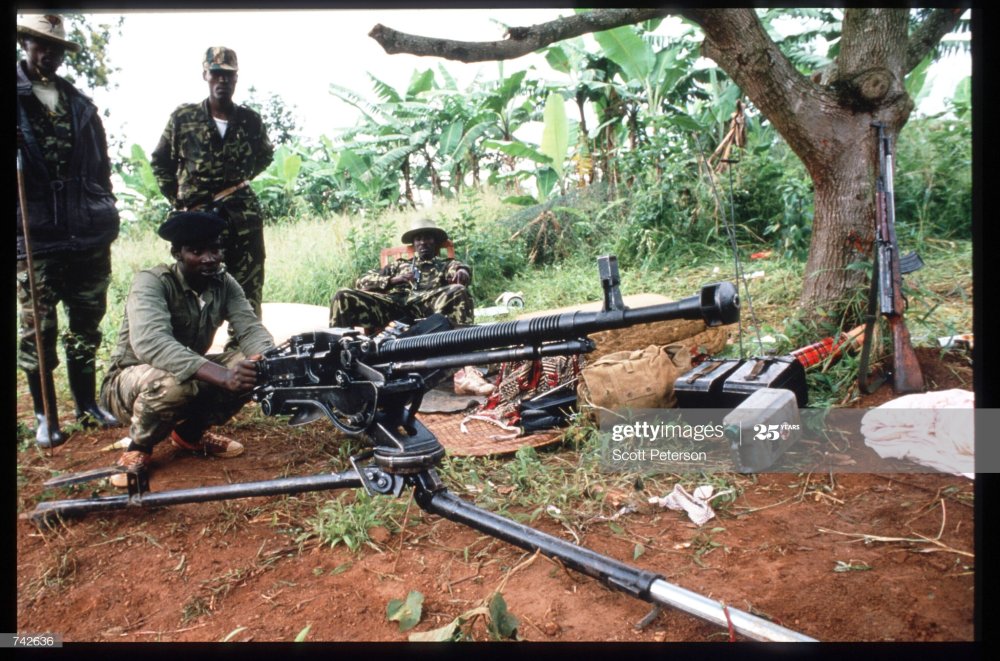
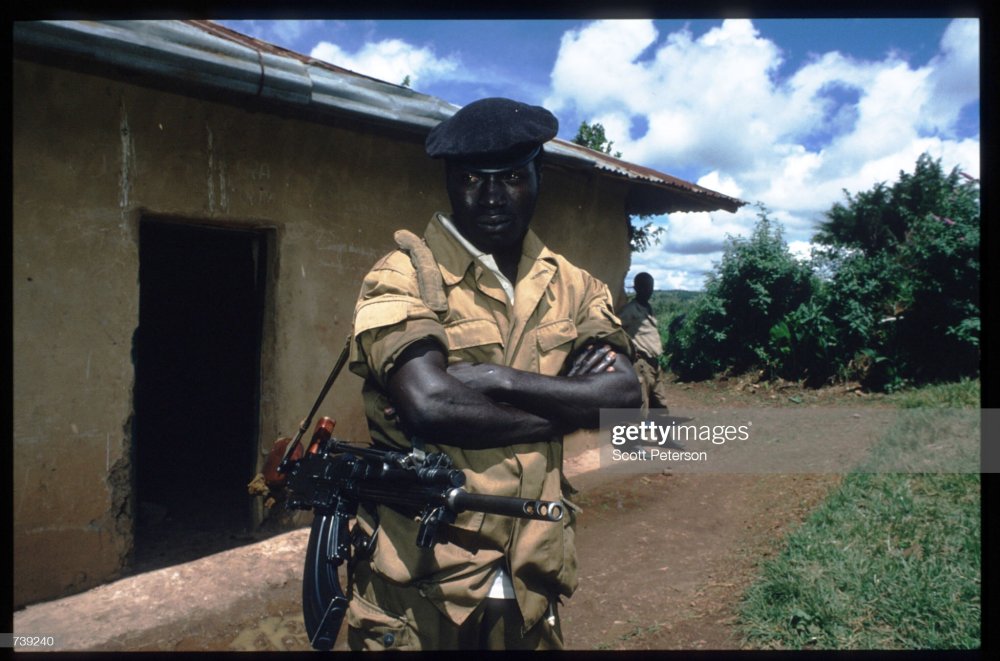
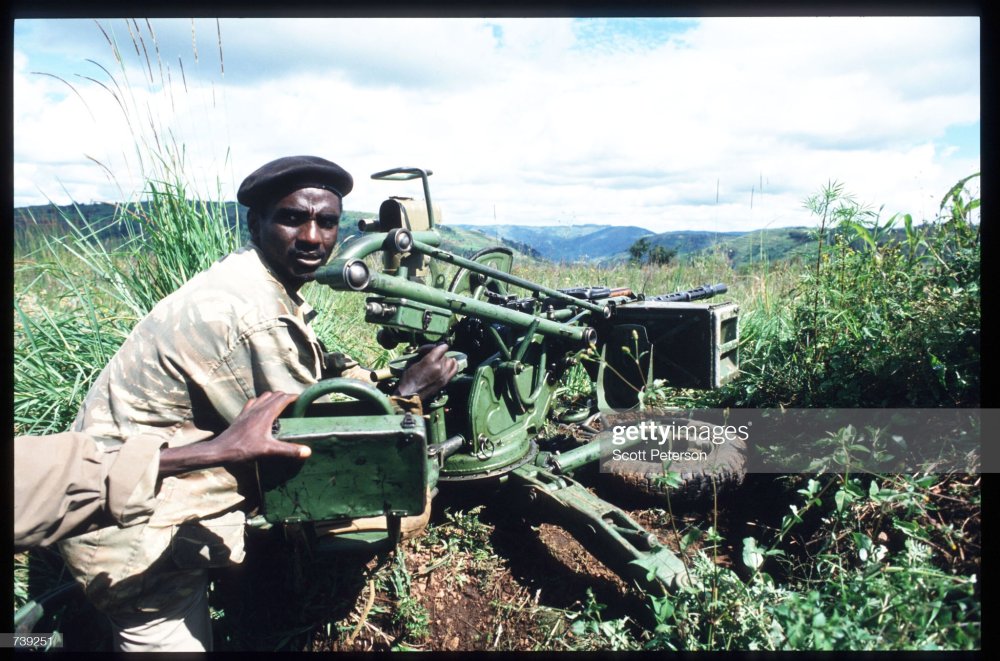
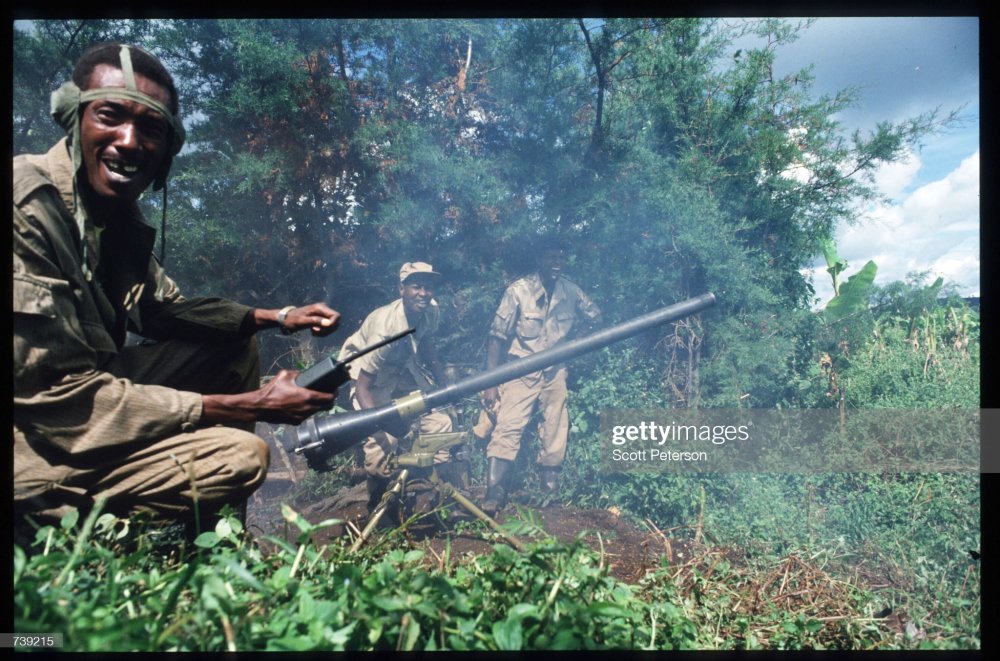
This photograph shows an RPA soldier in the outskirts of Byumba positioned near a machine gun. It was taken on April 17, 1994.
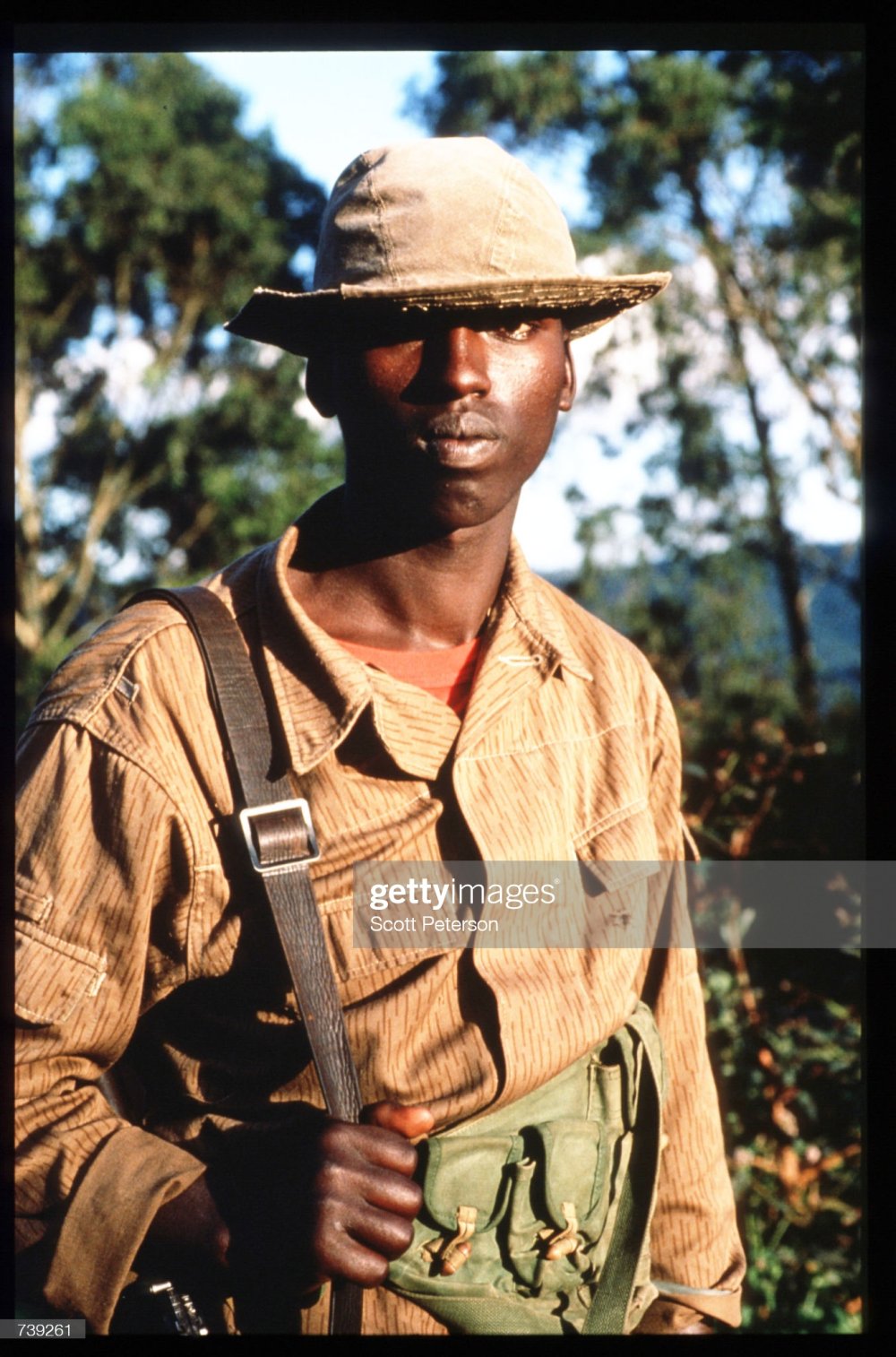
This young man is among those who sacrificed their youth and chose to dedicate themselves to serving their country. He was photographed in Byumba on April 7, 1994.
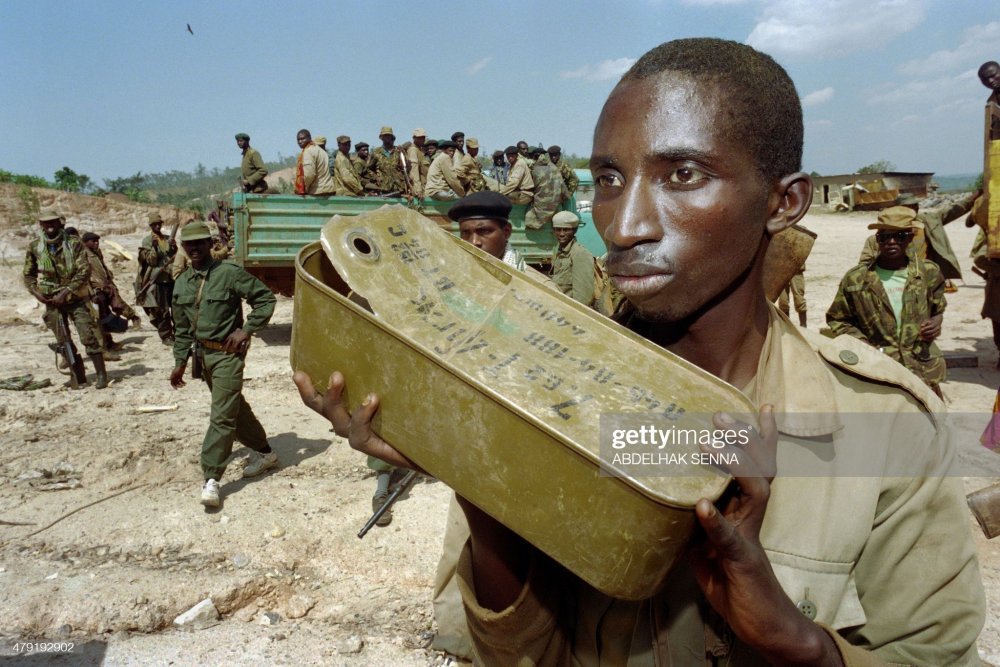
This soldier was photographed near Nyanza in early June, carrying an ammunition box.
Following the capture of Kigali City by the RPF-Inkotanyi forces, life in the country gradually began to return to normal.
This photograph of Gen. Maj. Paul Kagame was taken on May 11, 1994, in Byumba, during a meeting with José Ayala Lasso, who was then the United Nations High Commissioner for Human Rights.
On June 2, 1994, RPA forces were advancing toward Nyanza when they engaged in heavy fighting with FAR troops along the way.
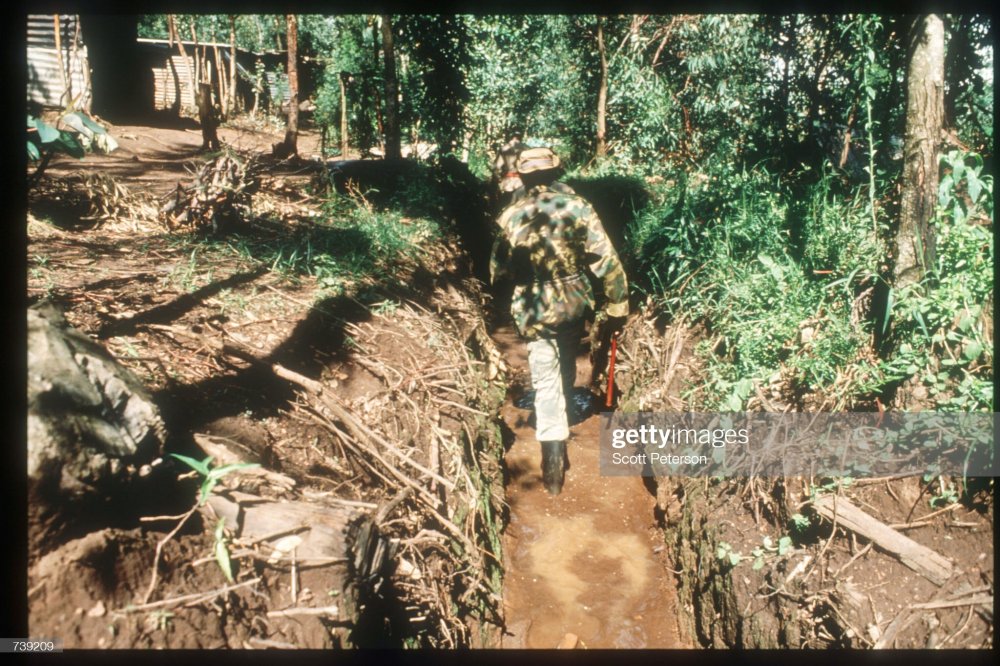
This RPF soldier was moving through a dug trench that had been used as a passageway. The image was taken in Byumba.
Despite having very limited equipment, they made use of what was available to carry out acts of bravery that have become part of Rwanda's history.
This photograph was taken in southern Rwanda during the RPA's liberation campaign. In many areas, the forces advanced on foot due to limited logistical capacity and scarce resources.
Some RPA soldiers were photographed standing on one of the streets of Kigali on May 26, 1994.
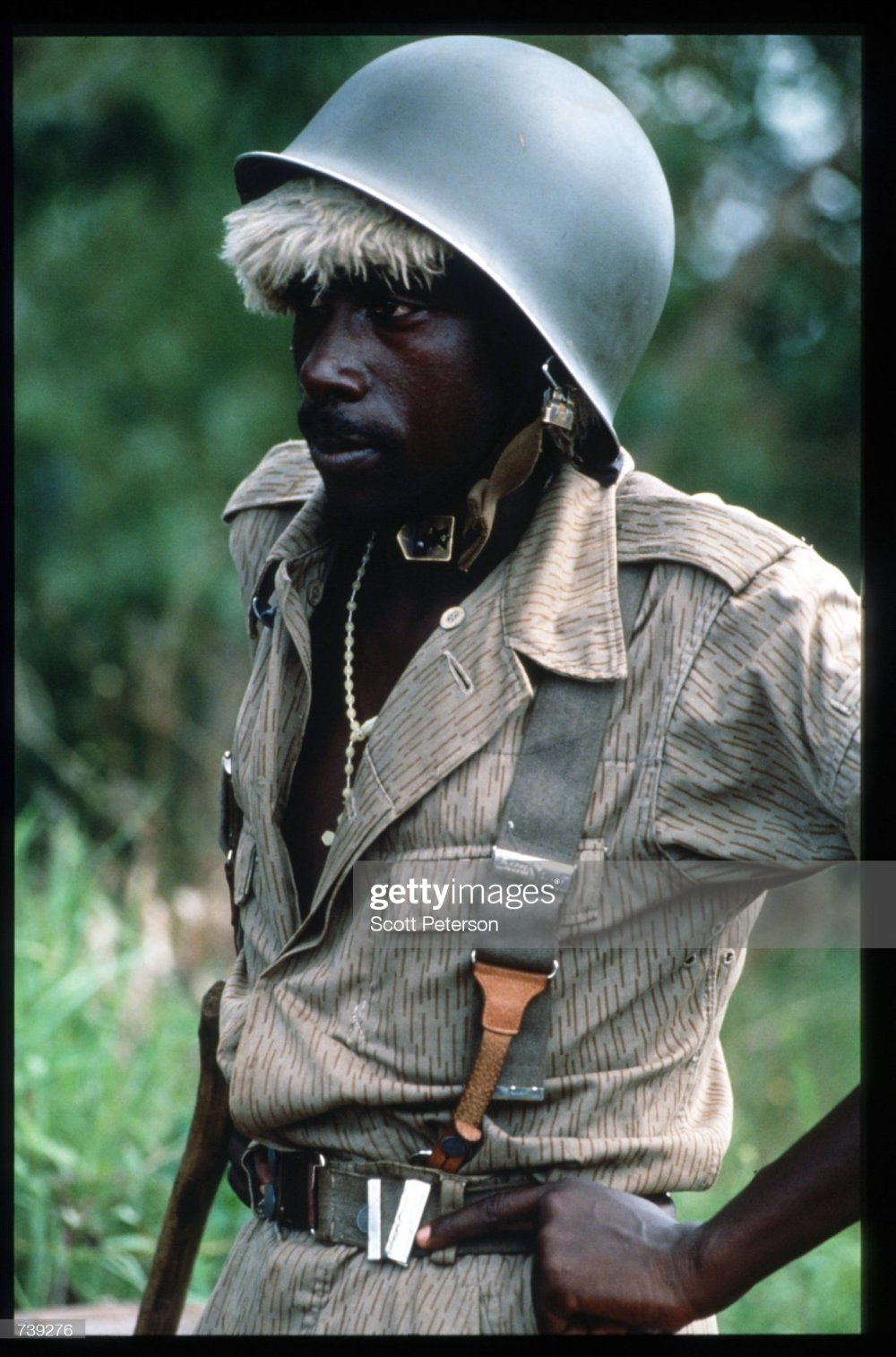
This RPA soldier was photographed in Byumba in the early days of April 1994.
They fought the war with confidence that they would emerge victorious, and that belief itself gave them inner joy, motivation, and inner strength.
Day by day, despite the difficult and dangerous conditions, morale remained consistently high.
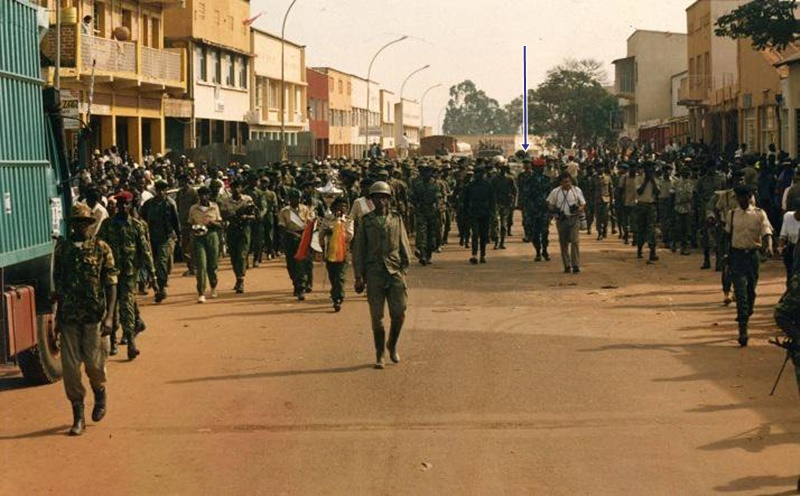
This photograph taken on July 4, 1994 shows Gen. Maj. Paul Kagame, Commander of the APR forces (indicated by the blue arrow), alongside other soldiers after arriving in central Kigali.