

Centuries ago, pandas were widespread across Asia, but climate shifts and human expansion dramatically reduced their habitat. Biologically belonging to the carnivore family, pandas adapted uniquely to a diet made up of 99 percent bamboo. Because bamboo is low in nutrients, they spend up to 14 hours a day consuming 26 to 84 pounds of it, using a specialized 'pseudo-thumb' wrist bone to grasp the stalks.
By the late 20th century, deforestation and habitat loss caused the wild panda population to drop to a dangerously low estimate of just 1,100 individuals. This crisis sparked massive conservation programs, including the establishment of the massive Giant Panda National Park. Due to these intense efforts, the giant panda population has achieved an extraordinary recovery.
Today, the total global population of giant pandas has reached approximately 2,708. This includes nearly 1,900 pandas living dynamically in the wild, alongside 808 pandas thriving in dedicated breeding centers and zoos.
Because wild giant pandas exclusively exist in China, the country holds almost the entirety of the global population. Out of all the pandas on Earth, only about 40 to 50 individuals live in overseas zoos across 16 countries under official research loan agreements.
Within China, wild pandas are strictly concentrated in three specific provinces: Sichuan, Shaanxi, and Gansu. Sichuan Province acts as the primary stronghold for the species, containing nearly 65 percent of the world's entire wild population.
Despite their highly concentrated geography, the giant panda's cultural footprint is truly international. In 1961, Chi Chi, a panda living at the London Zoo, inspired the founding sketch of the World Wildlife Fund (WWF) logo, cementing the animal as the definitive global face of environmental preservation.
This international fame was further elevated by China's practice of 'panda diplomacy,' where the loaning of these rare animals to foreign capitals routinely captured worldwide media attention, turning them into beloved global ambassadors.
This remarkable ecological turnaround and worldwide adoration prompted international wildlife organizations to officially upgrade the giant panda's status from Endangered to Vulnerable.
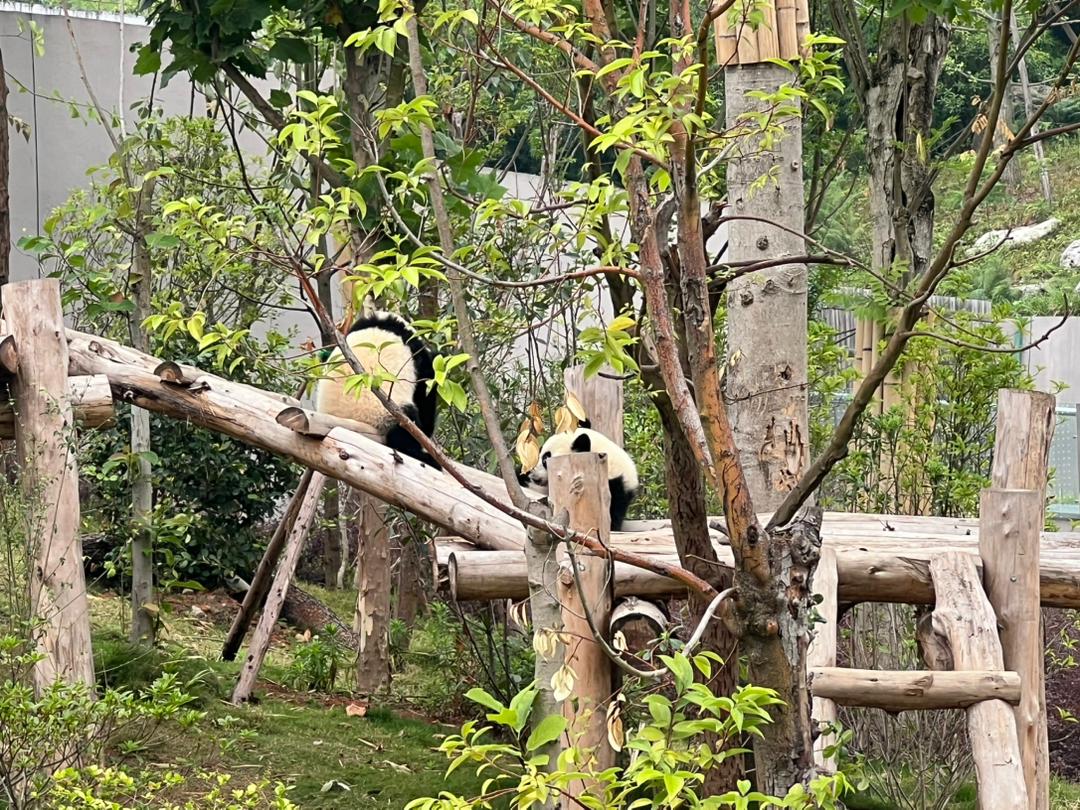
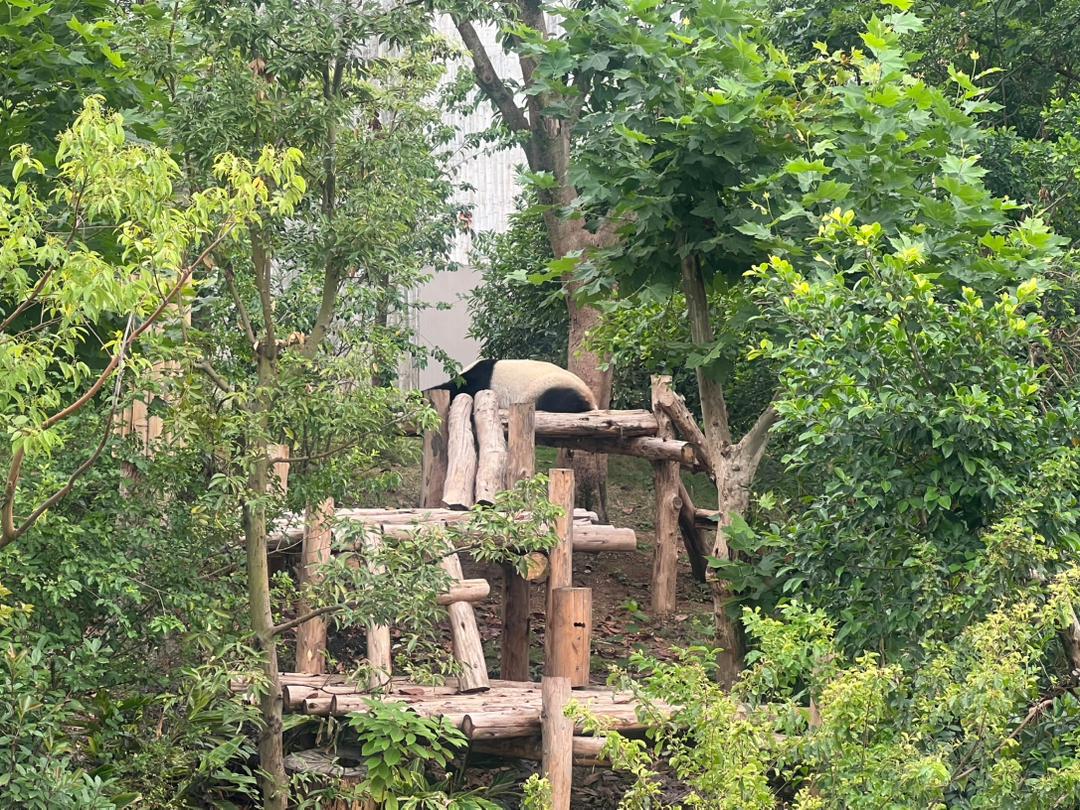
For international travelers making the journey to China, seeing these gentle giants up close is a bucket-list experience. Because wild pandas remain hidden in dense, inaccessible mountains, visitors can see them at several world-renowned conservation and breeding facilities.
The heart of panda tourism is located in Sichuan Province, specifically at the Chengdu Research Base of Giant Panda Breeding, which is highly famous for its nursery rooms filled with panda cubs. Visitors seeking a deeper experience can travel to the Dujiangyan Panda Base, which offers experiential volunteer programs where participants help keepers prepare bamboo.
Additionally, the Wolong National Nature Reserve offers a pristine alpine environment focused on rewilding pandas. Outside of Sichuan, excellent panda pavilions can also be visited at the Beijing Zoo and Hong Kong's Ocean Park.
Ultimately, the giant panda stands as a powerful reminder that human action can both threaten and protect life on Earth. Its ongoing survival story is not just about a single species, but about hope, responsibility, and the true possibility of restoring balance between people and nature.



Source : https://new.igihe.com/english/chinas-gentle-giant-the-extraordinary-survival-of-a-global-icon/
