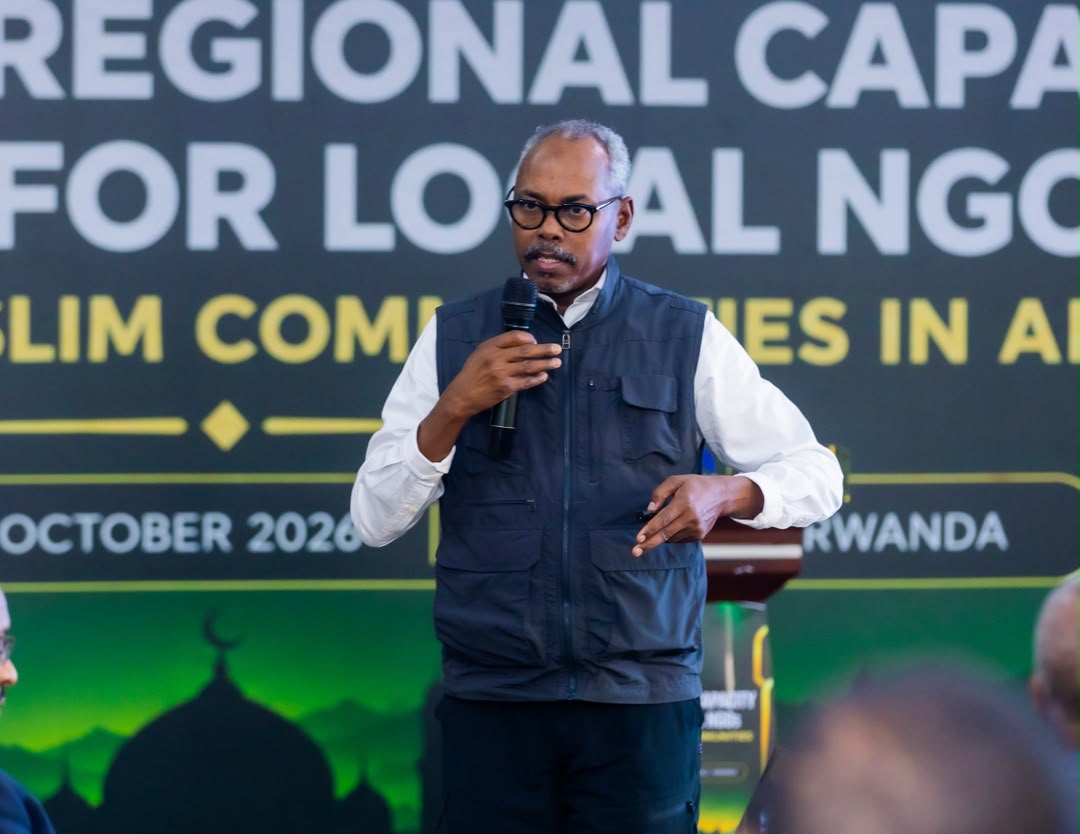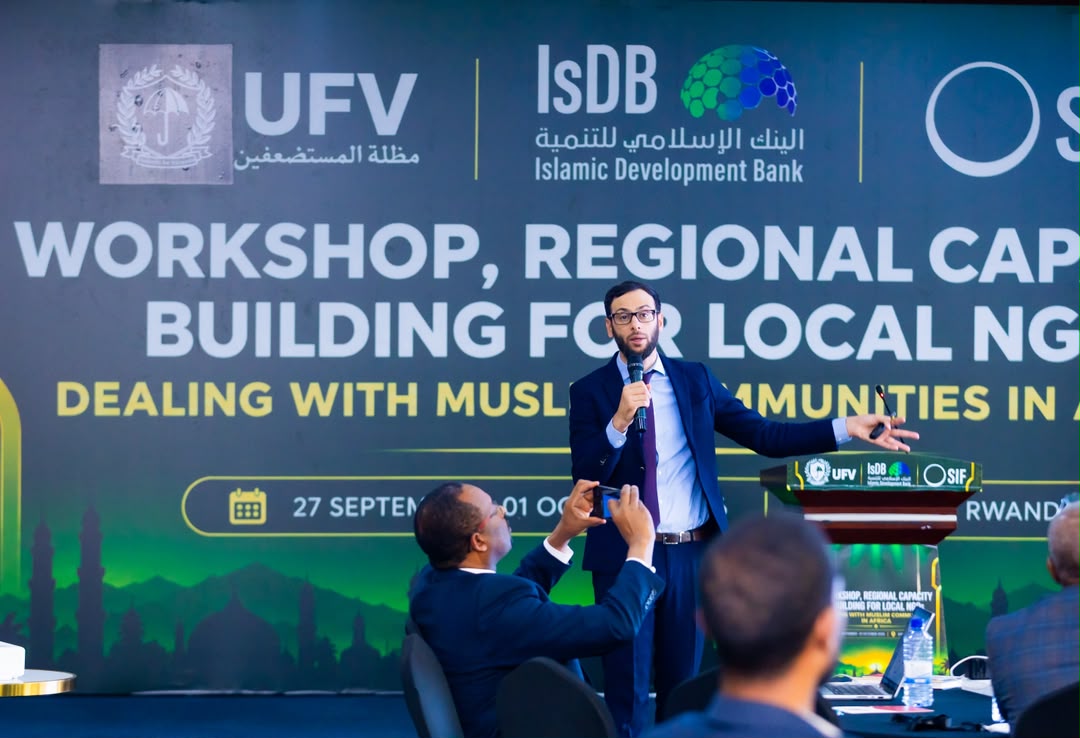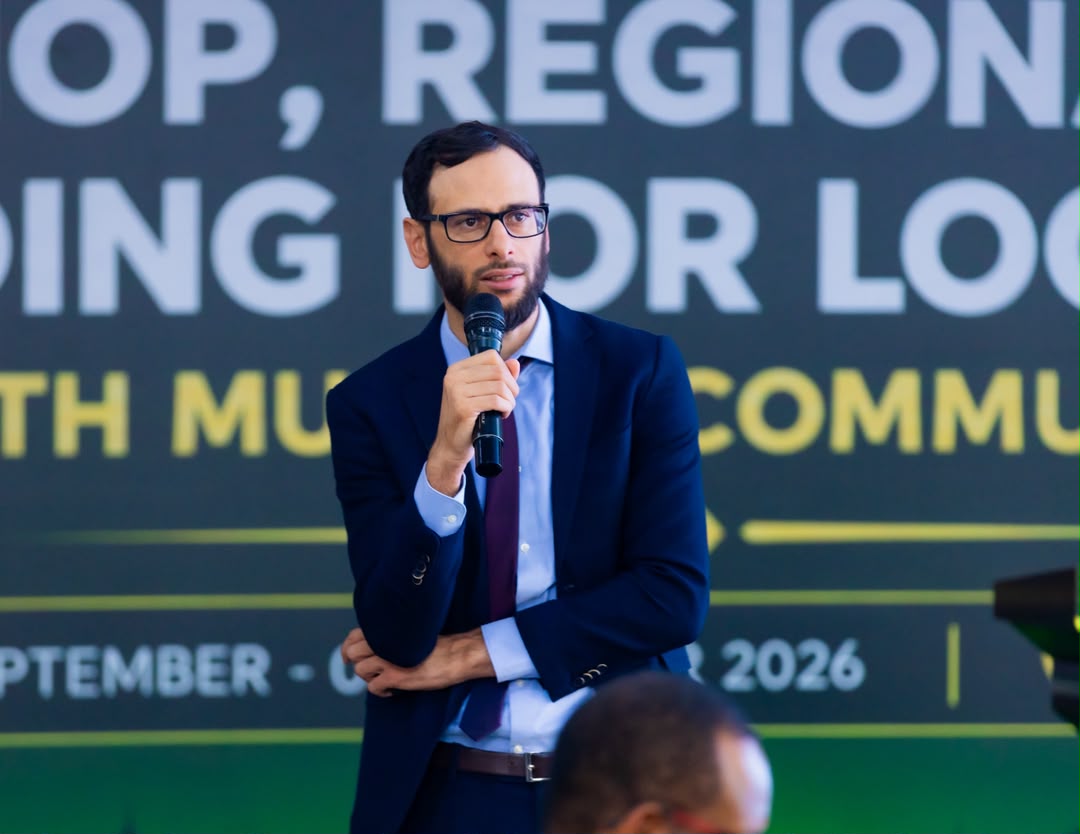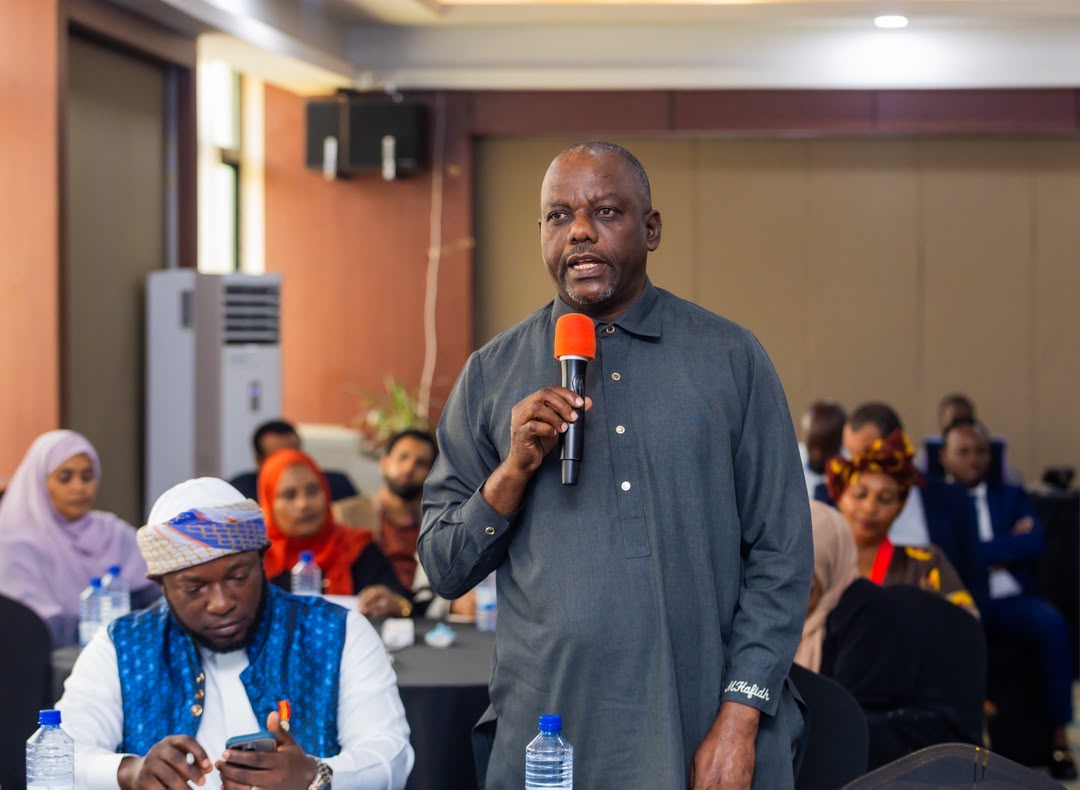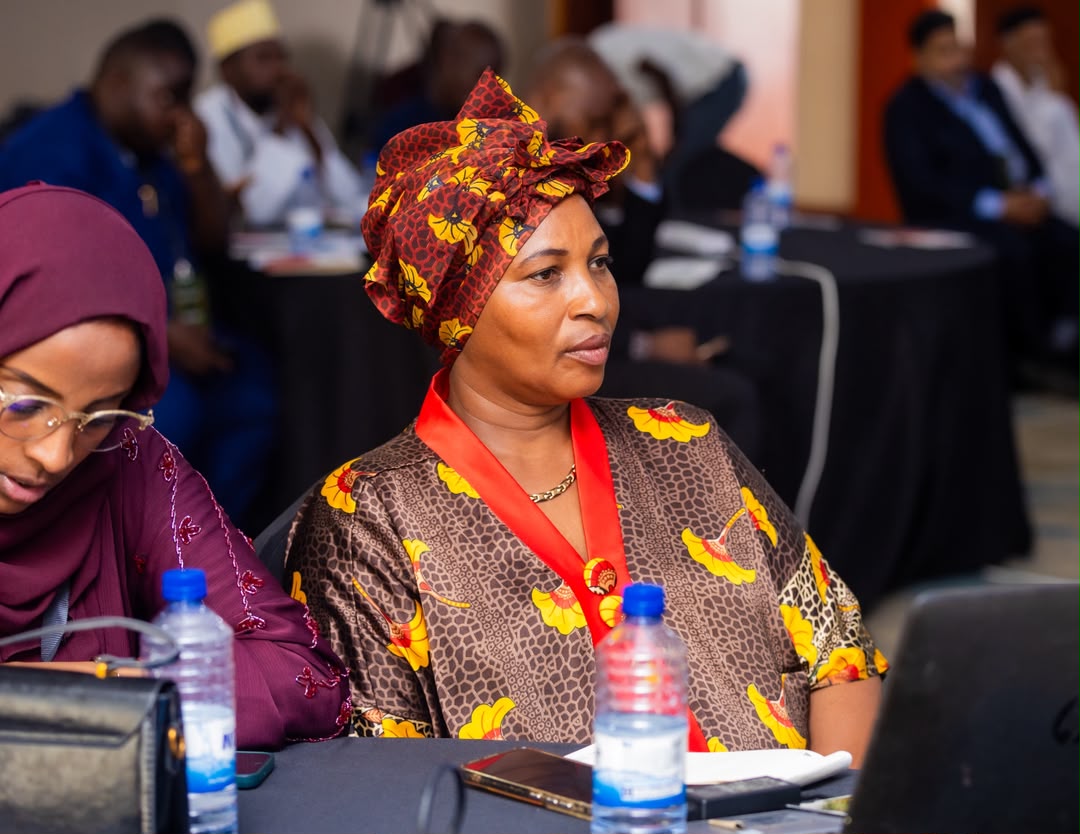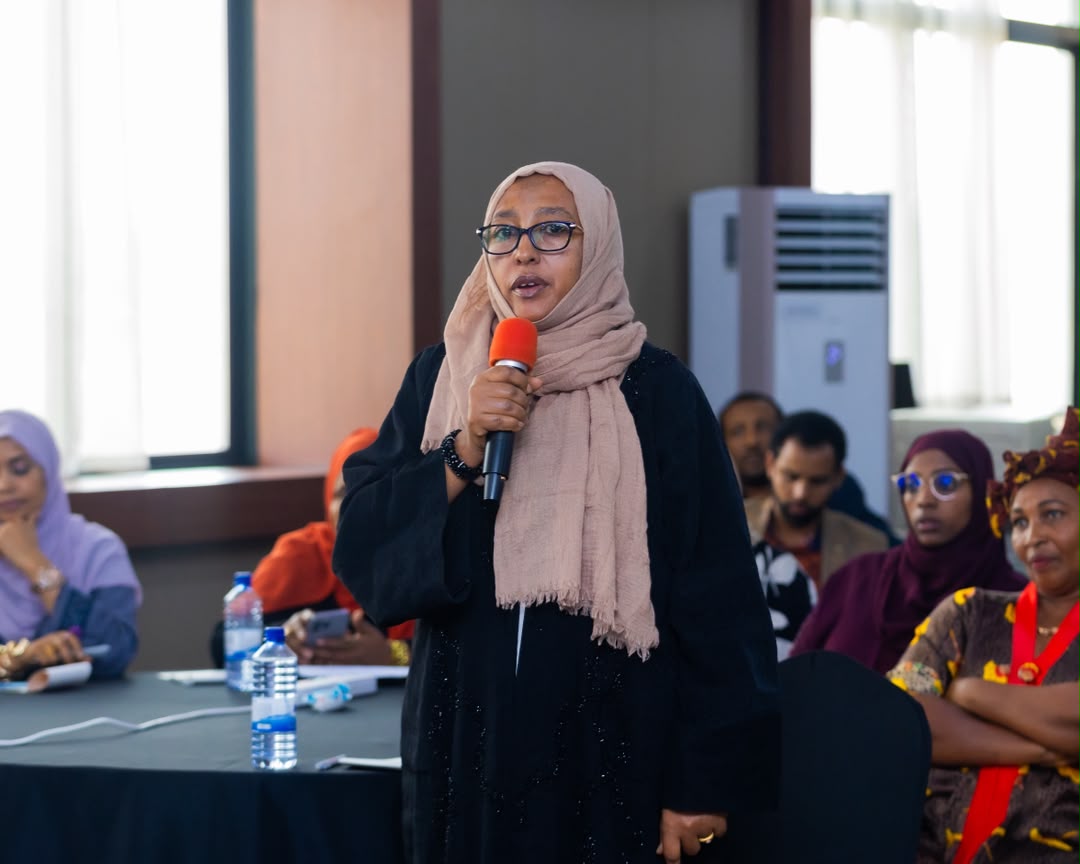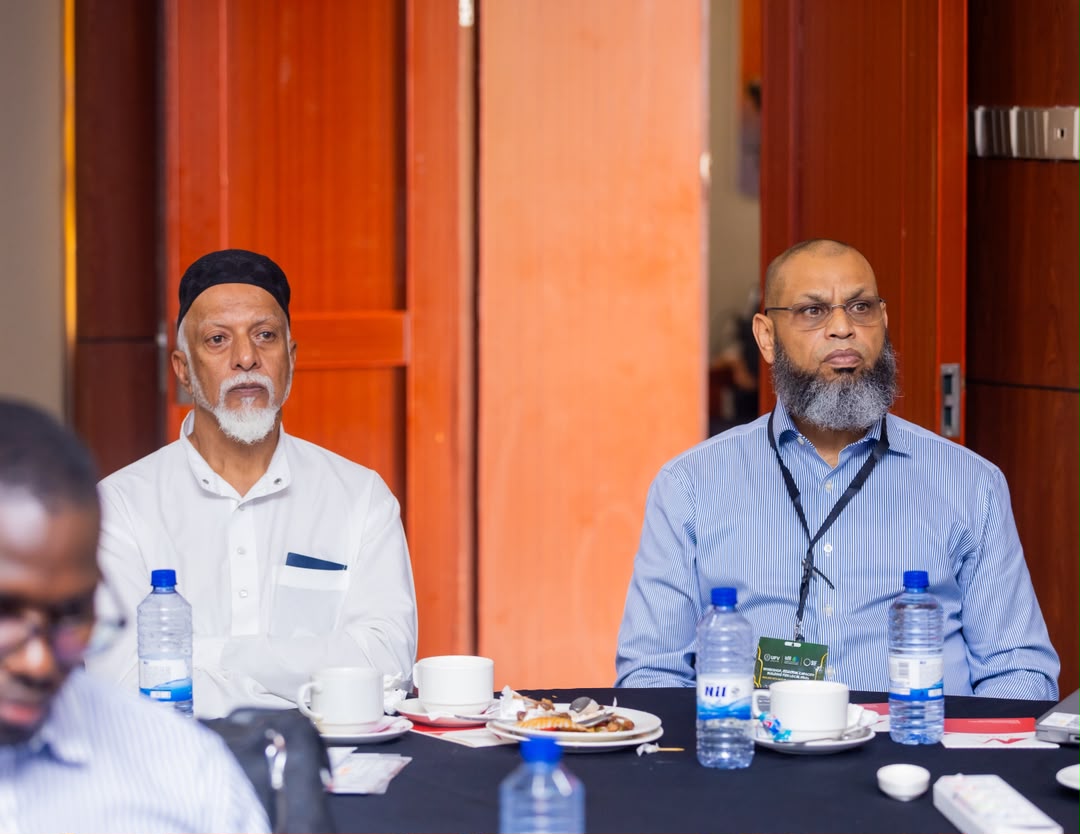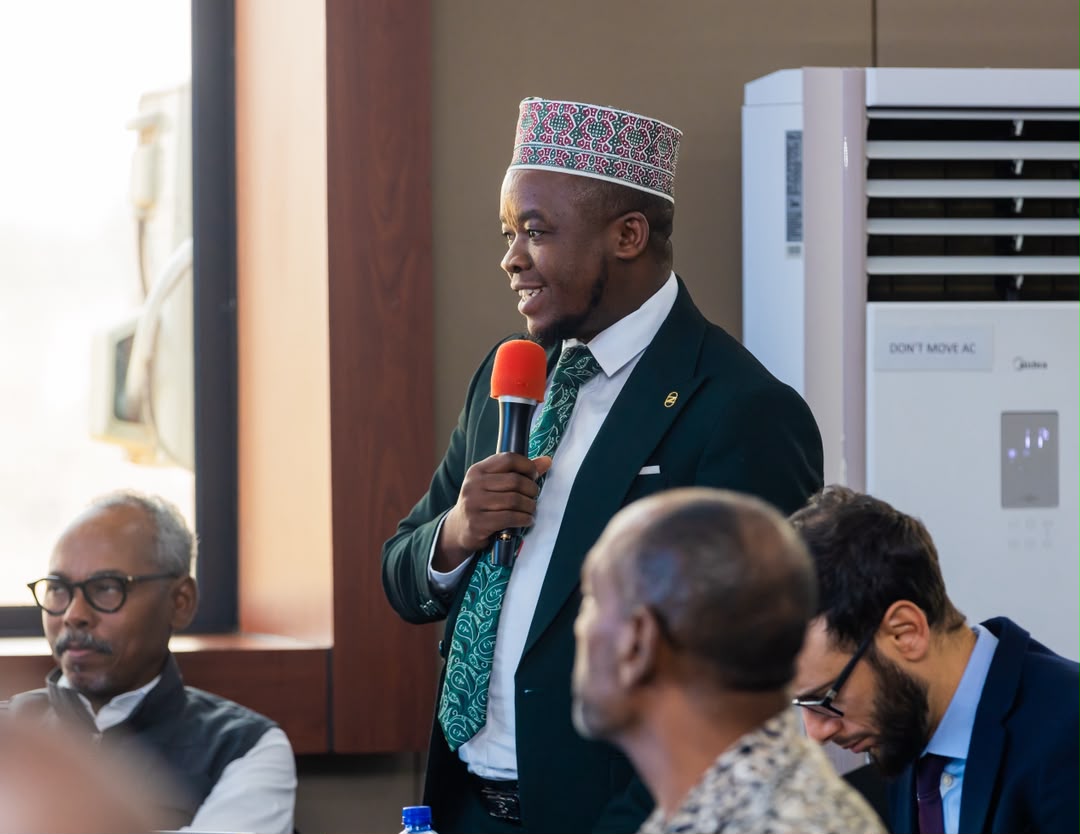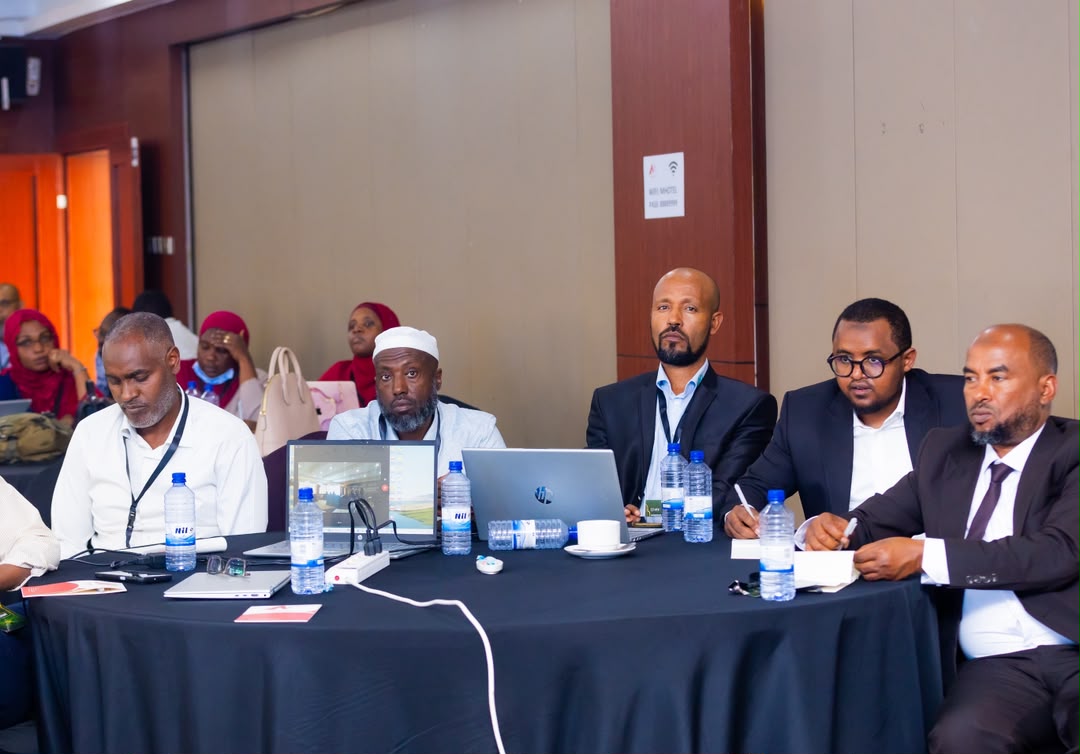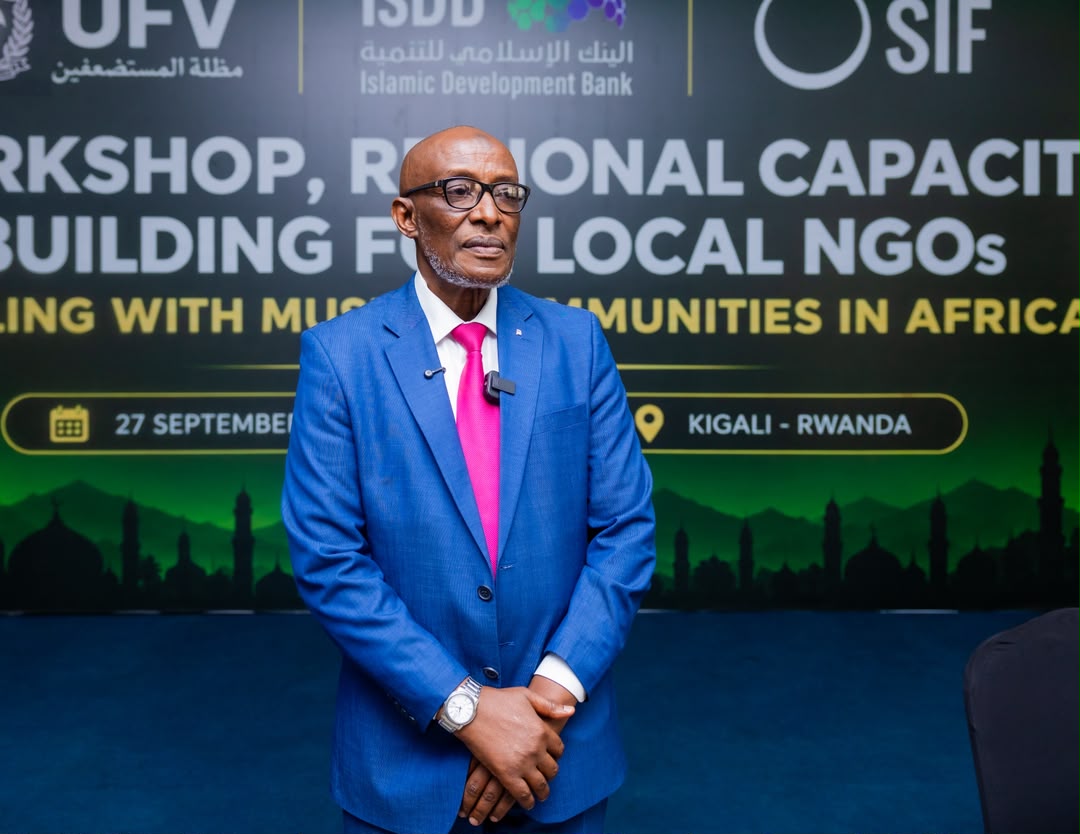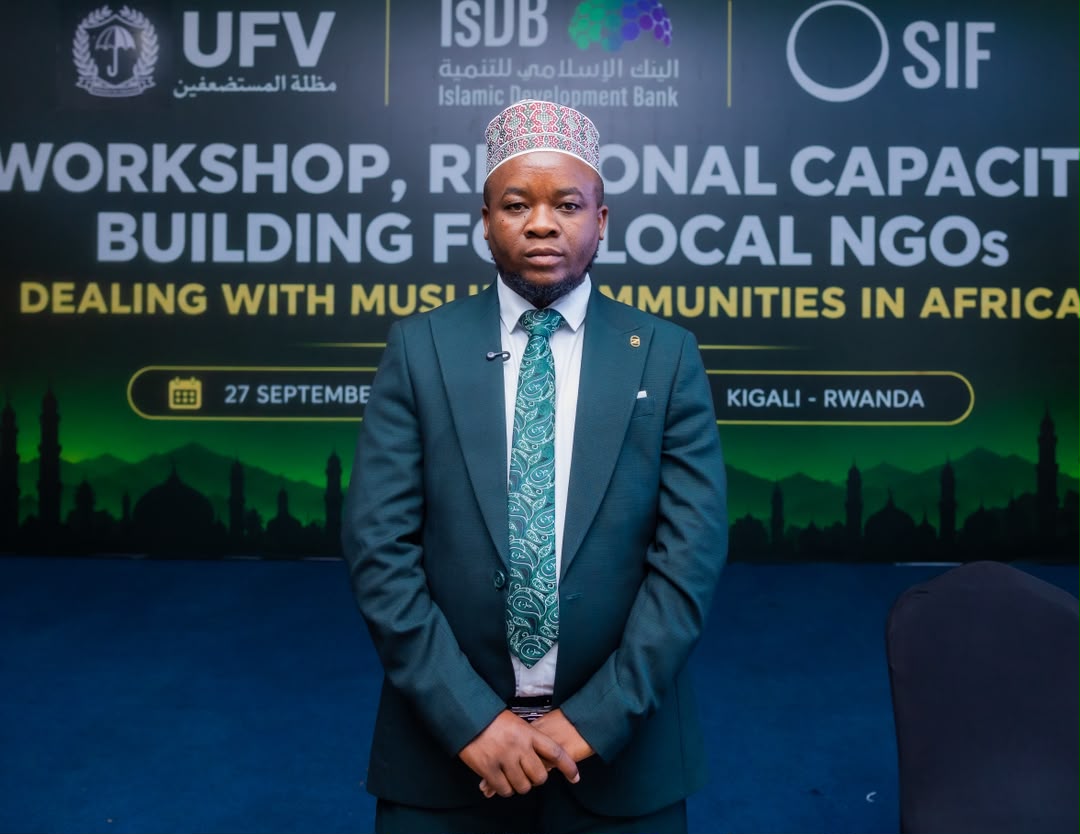

The Regional Capacity-Building Workshop for NGOs Working with Muslim Communities, which runs from September 28 to October 2, is funded by the Islamic Development Bank (IsDB) and hosted by Rwanda-based Umbrella for Vulnerable.
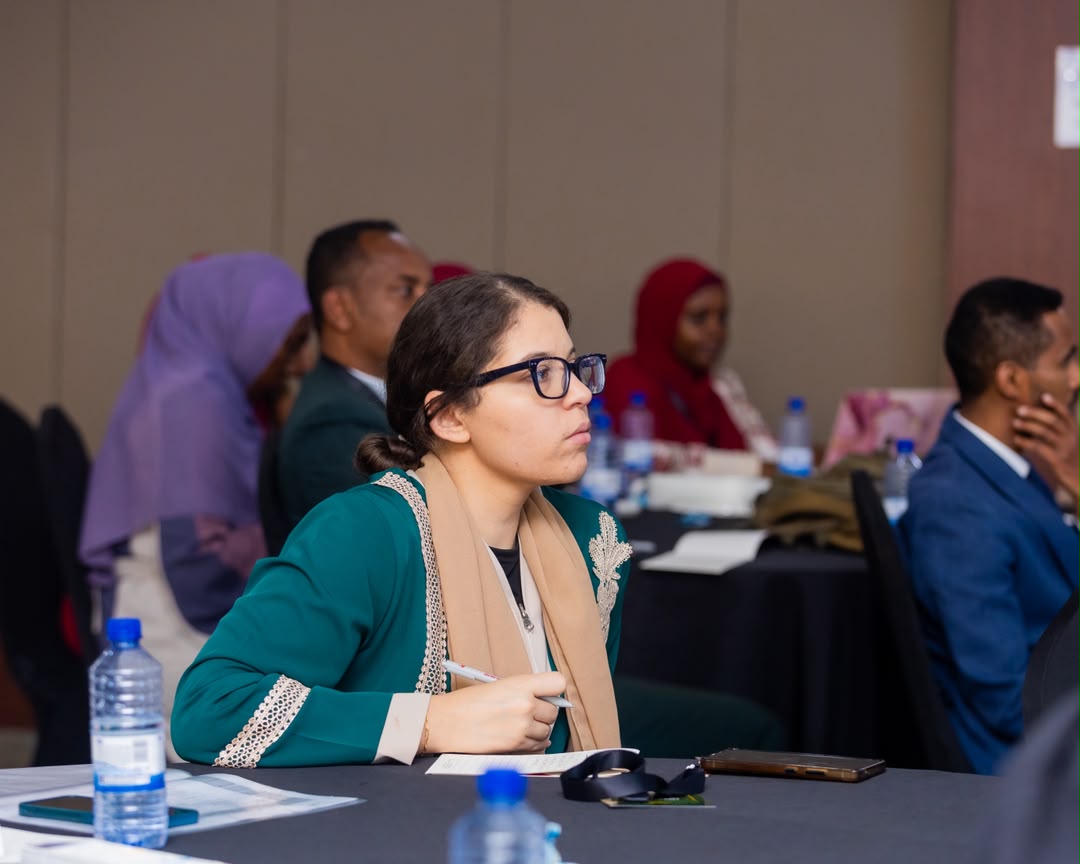
The workshop brings together more than 40 participants to examine how local NGOs can improve project management, governance, financial controls, fundraising, donor compliance and institutional sustainability.
Opening the workshop at M Hotel Kigali on Monday, September 28, Rwanda Governance Board (RGB) Secretary General Dr. Edward Kalisa stressed the importance of strong institutions in turning donor-funded projects into lasting impact.
'Funding a project is not the same as building a sustainable organisation,' Kalisa noted.
He underscored the need for NGOs to develop strong governance, leadership, financial systems, accountability and partnerships to remain effective beyond individual projects.
'Do not build an organisation merely to implement a project; build an institution capable of transforming every project into lasting impact,' he urged.
RGB is responsible for registering, regulating and monitoring NGOs operating in Rwanda. Kalisa described civil society organisations as important partners in national development and reaffirmed the board's commitment to creating an environment in which credible and accountable organisations can grow.
The workshop's theme is 'From Project Funding to Sustainable Impact: Strengthening Local NGOs for Effective Project Management, Governance, Financial Sustainability and Resource Mobilisation.'
Ambassador Sheikh Saleh Habimana, Chairman of the Board of Umbrella for Vulnerable, explained that the gathering is intended to help organisations strengthen their ability to manage resources responsibly while expanding their impact.
'We are discussing capacity building that will strengthen good governance of NGOs, management of NGOs, and fundraising within NGOs,' Habimana explained.
'Above all, once you raise funds, you need to know how to govern those funds and maintain transparency in everything you do, so that every penny given to you is used carefully for the good of the vulnerable people in our communities.'
Habimana highlighted the opportunity for participating organisations to learn from Umbrella for Vulnerable's experience in organisational management, transparency, governance, fundraising and partnerships.
The organisation works in areas including education, poverty reduction, job creation and support for vulnerable children.
The workshop also examines the relationship between institutional development, community inclusion and peacebuilding.
Mustafa Yusuf Ali, Executive Director of Arigatou International Nairobi and Secretary General of the Global Network of Religions for Children, highlighted the importance of linking financing with peacebuilding, youth inclusion and community development.
He pointed to challenges in the Horn of Africa, where communities with limited access to development opportunities and grassroots funding can leave young people vulnerable to recruitment by armed groups.
'The nexus between financing, community peacebuilding, young people, inclusion, and sustainable communities' is therefore important, Ali observed.
He called for greater engagement by financial institutions and governments with young people and grassroots communities.
For Ali, a successful workshop would see participants return to their countries equipped with practical skills to strengthen their organisations and improve community programmes.
Participants are also expected to build partnerships with organisations from other countries and exchange experiences on managing social development programmes.
Febron Bimenyimana, representing the Islamic Community of Burundi, outlined the practical benefits his organisation expects from the training, including stronger skills in partnership building, cooperation, management and budgeting.
He also highlighted the opportunity to learn from organisations from different countries and adapt effective practices to Burundi's context.
The workshop covers the IsDB project cycle, NGO governance and board effectiveness, internal controls, risk management, anti-fraud systems, financial management, budgeting, cash management, donor compliance and audit preparation.
It also includes sessions on strategic communication, branding, media relations, social media, fundraising, donor mapping, partnership development and proposal writing.
Organisers are seeking to address a common challenge facing local NGOs: maintaining operations and programmes after a specific donor-funded project ends.
The workshop promotes the idea that successful project implementation should help organisations build credibility, experience, partnerships and trust that can support future programmes.
Participants will also examine the institutional experience of Umbrella for Vulnerable as a case study in governance, financial management, partnerships, community engagement, communications and resource mobilisation.
The workshop is expected to strengthen professional networks among NGOs working with Muslim communities across the region while equipping participants with practical strategies for improving governance, accountability and financial sustainability.