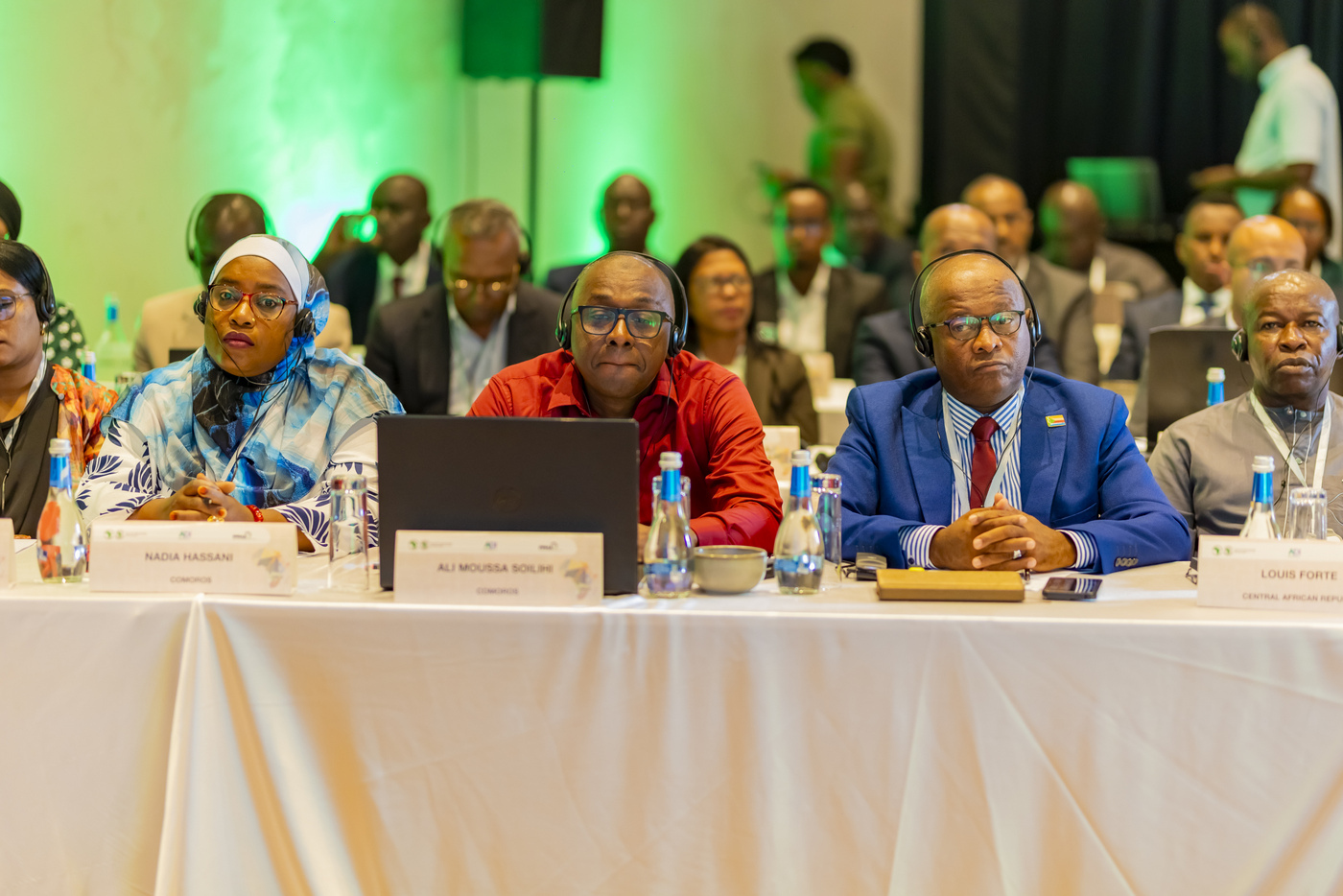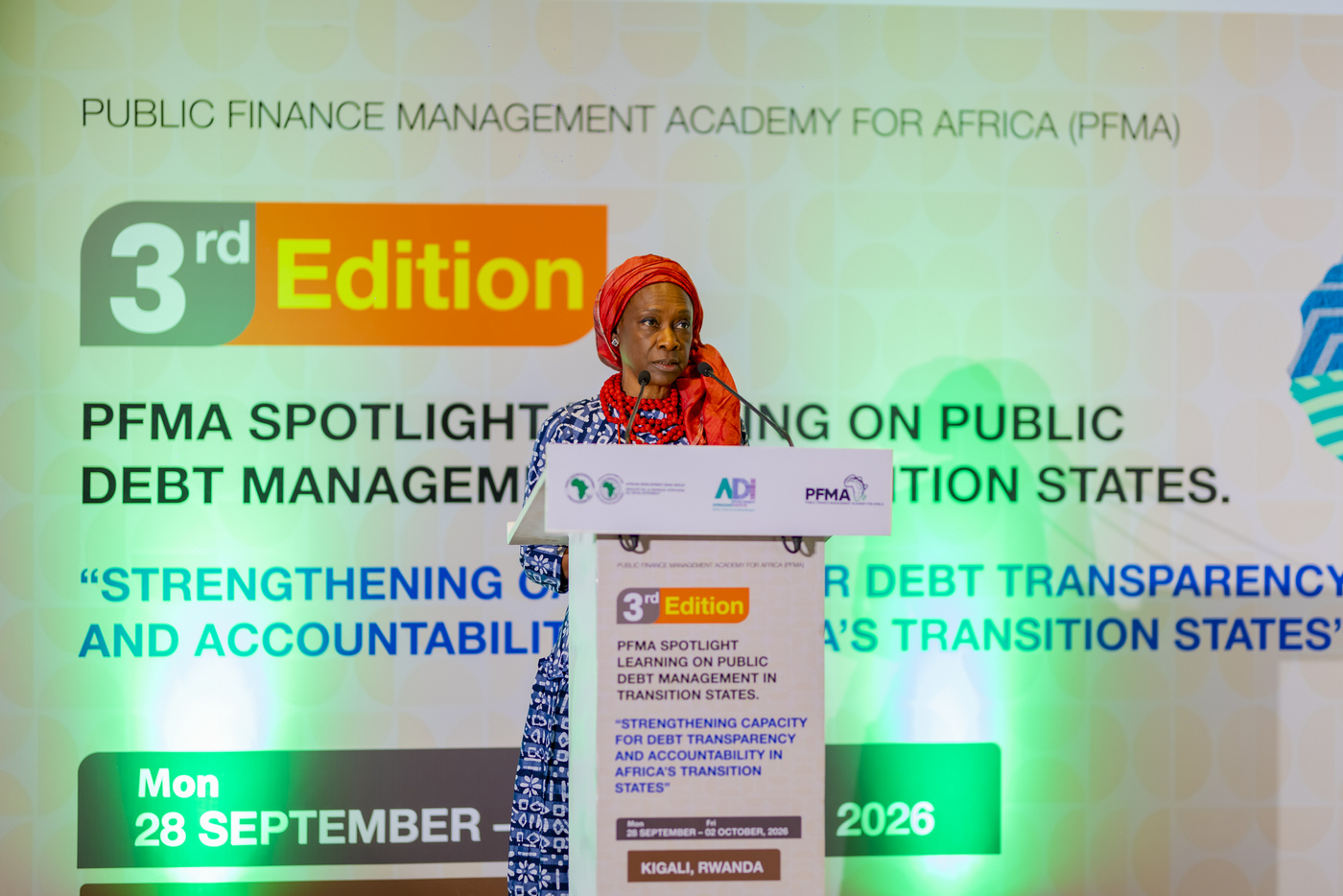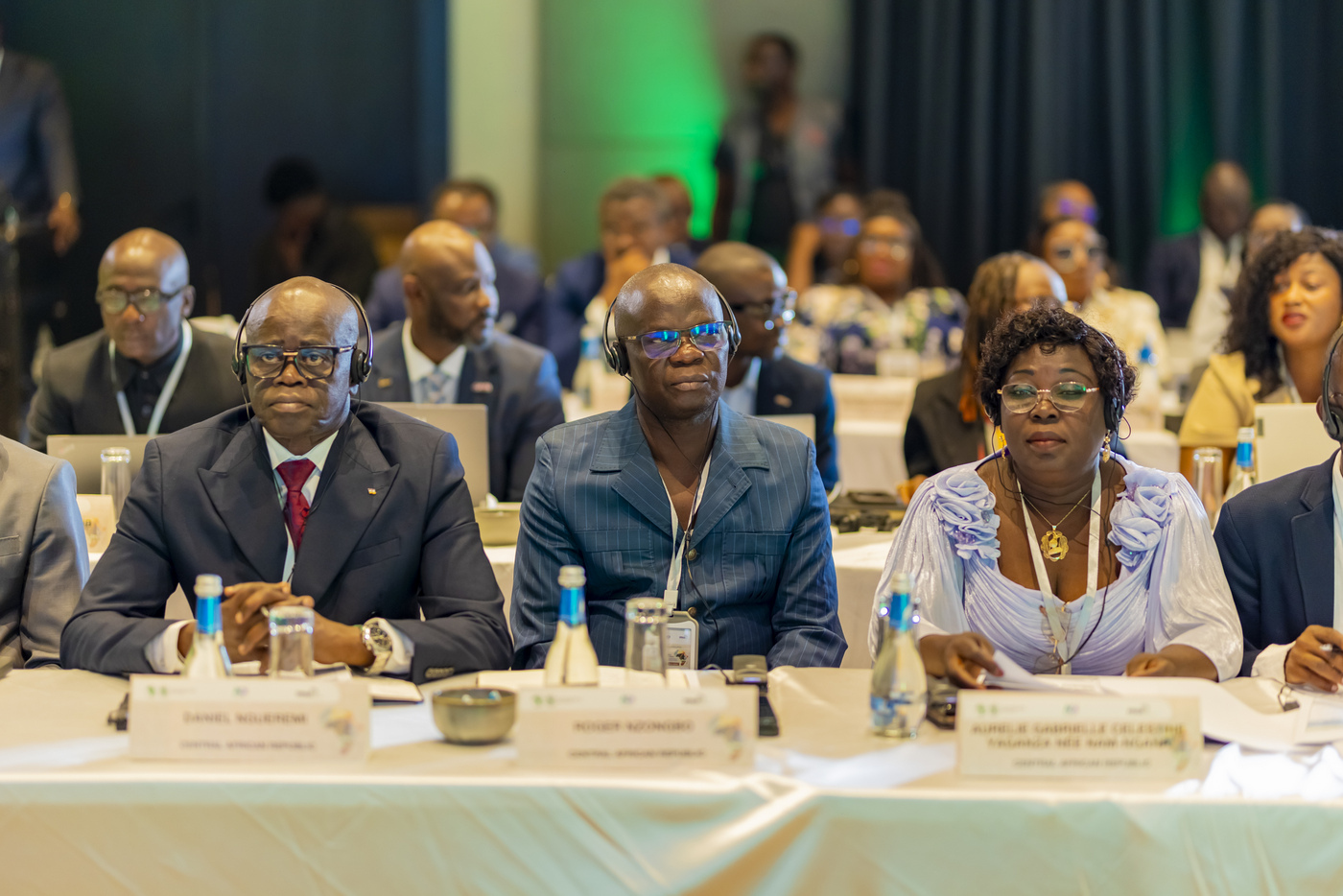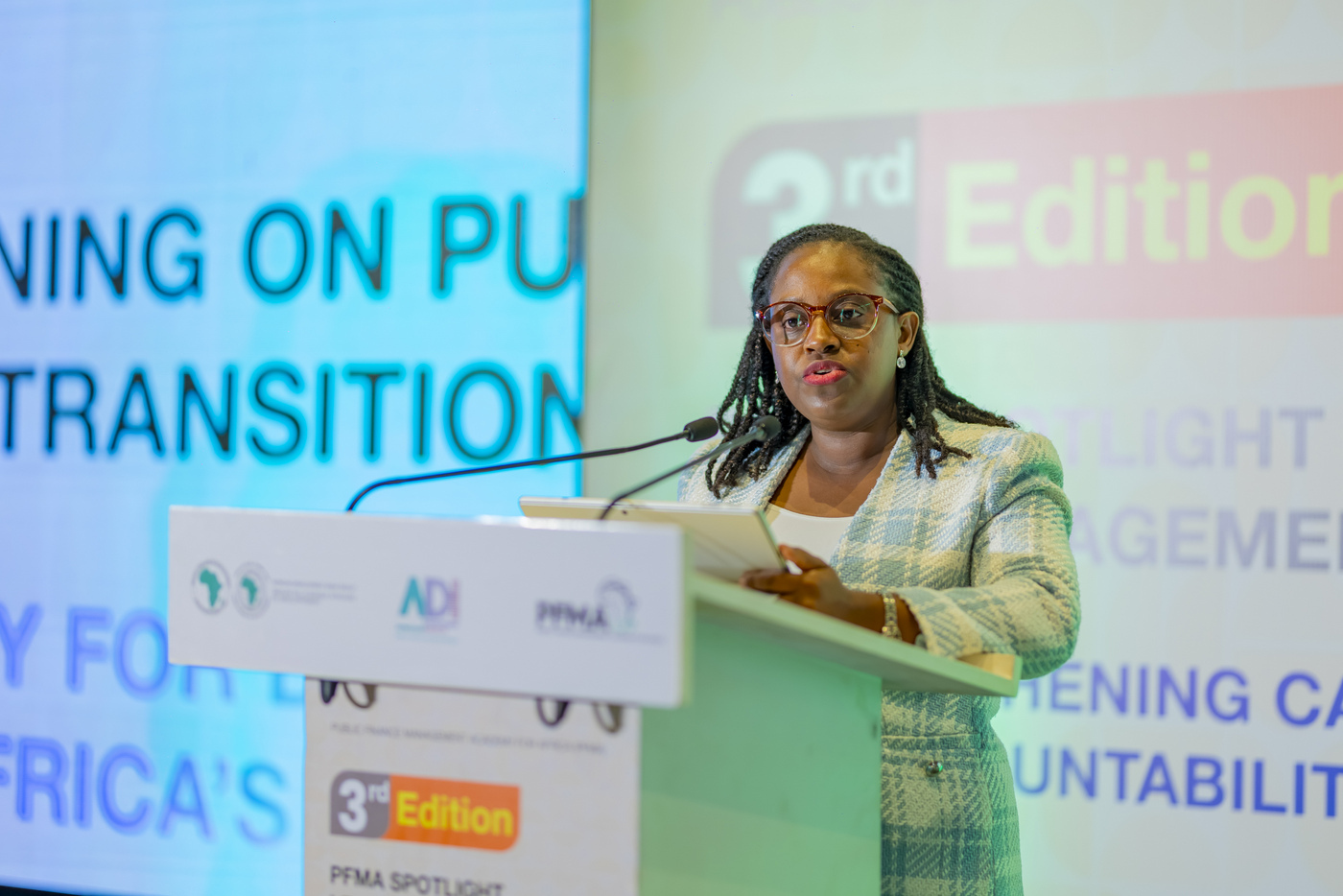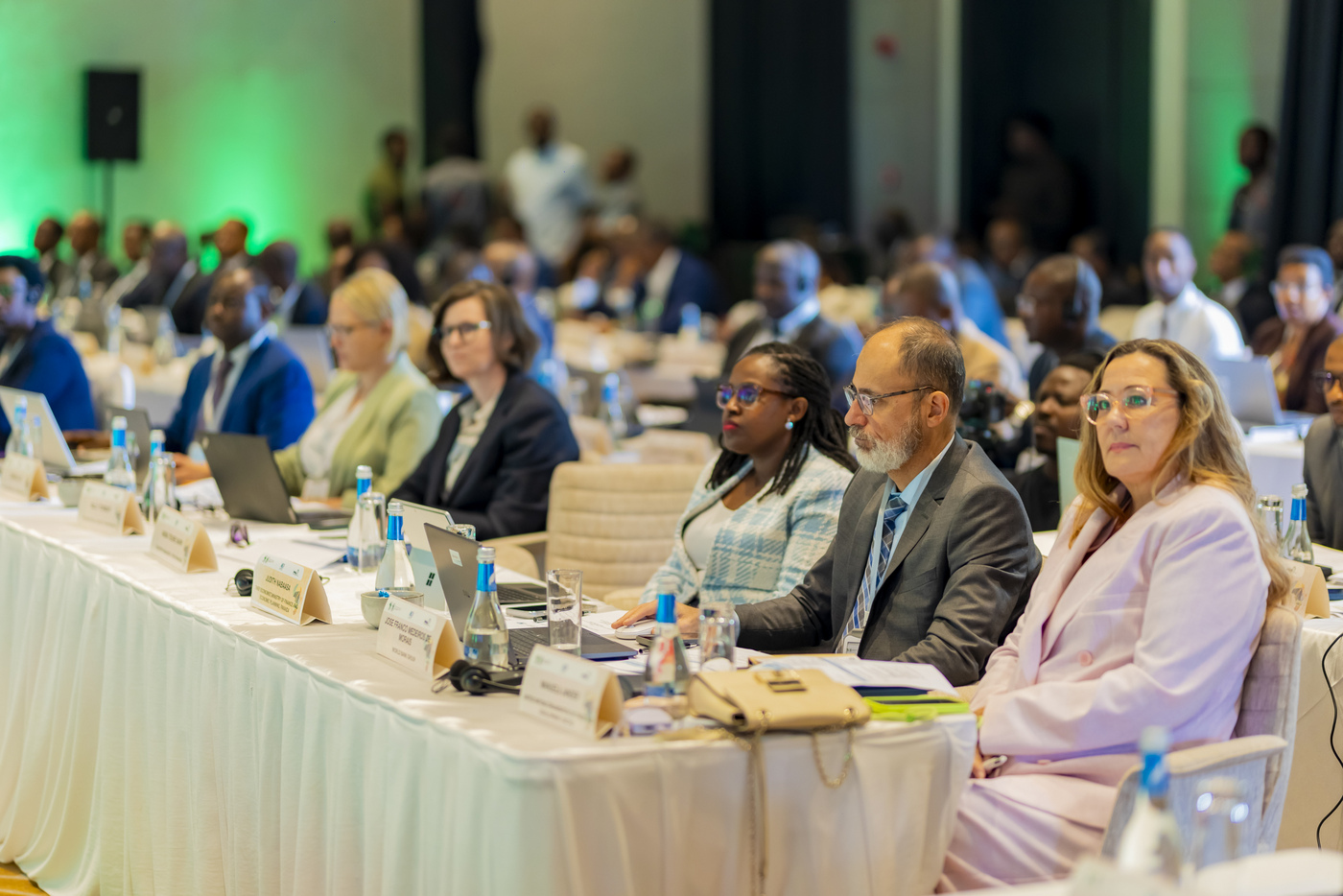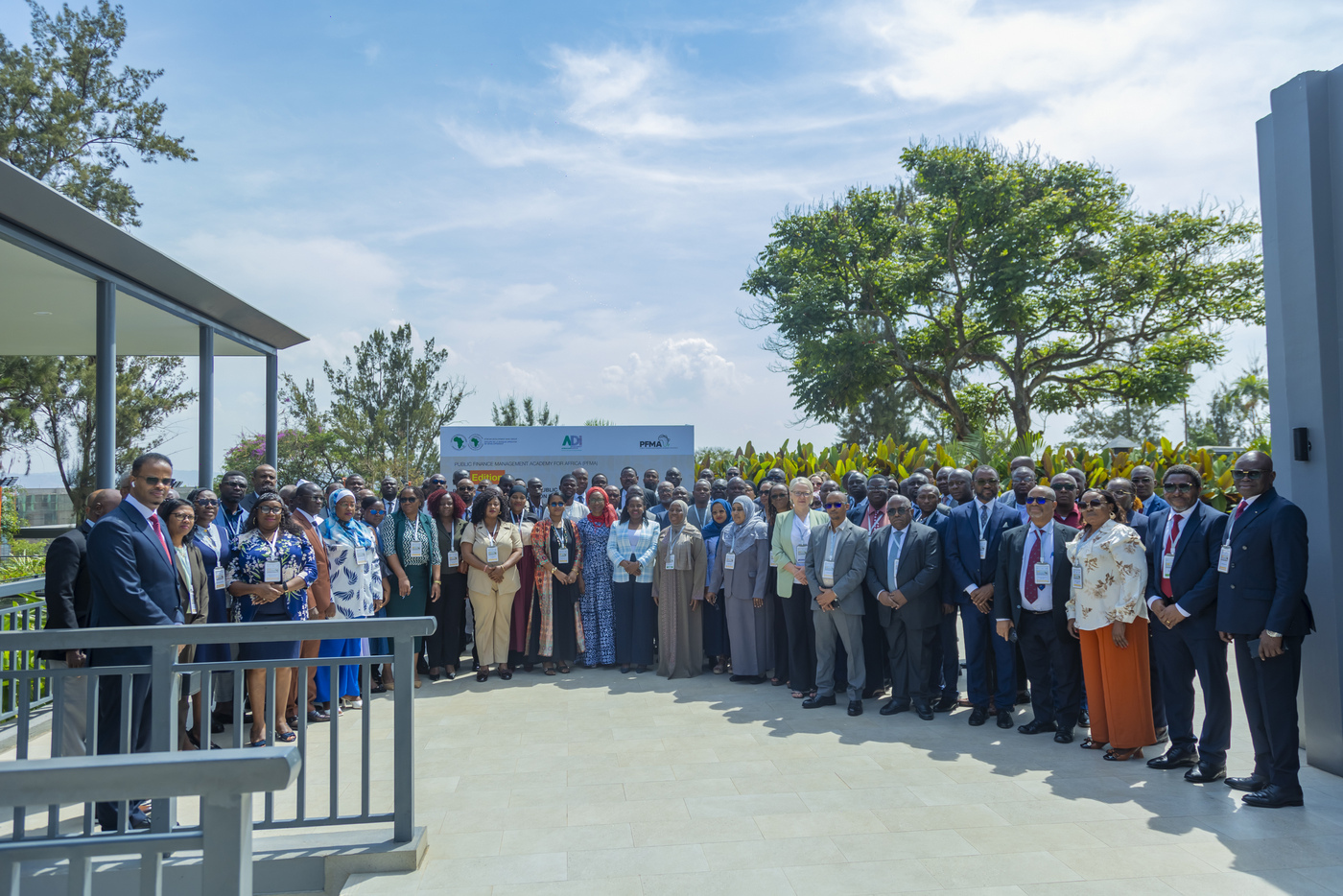

To address these challenges, African debt-management experts, policymakers and development partners have gathered in Kigali for discussions on improving debt transparency, accountability and sustainable borrowing.
The discussions are part of the third edition of the Public Finance Management Academy for Africa (PFMA) Spotlight Learning Series, organised by the African Development Bank (AfDB) under the theme 'Strengthening Capacity for Debt Transparency and Accountability in Africa's Transition States.' The event is taking place from September 28 to October 2, 2026.
The five-day programme has brought together about 150 participants from across Africa, including policymakers, debt-management practitioners and development partners, to discuss ways of improving debt reporting, oversight and risk management.
According to the African Development Bank, Africa's public debt increased by about 10% annually between 2015 and 2020, reaching $1.6 trillion in 2020 during the COVID-19 pandemic.
Although the pace slowed after the pandemic due to fiscal consolidation and debt restructuring efforts, public debt continued growing by around 4.4% annually between 2021 and 2024, reaching an estimated $1.9 trillion.
The increase has been driven by declining access to cheaper financing, external economic shocks, infrastructure needs and growing social spending requirements.
Debt distress remains a concern
The AfDB notes that by March 2026, seven of the nine low-income countries globally classified as being in debt distress were African countries.
Domestic borrowing has also increased, accounting for 38% of Africa's total debt in 2024, compared with 29% in 2010, reaching nearly $500 billion.
Speaking during the Kigali meeting, Aissa Tourissa, Country Manager of the African Development Bank in Rwanda, said the continent's debt challenge should not only be measured by the amount borrowed but also by how effectively resources are used.
'The debt is not the problem; it's what you use it for. You can have a very high debt ratio, but if it is well utilised for your infrastructure, for your youth, for education, there is no problem,' she said.
According to Tourissa, debt management has become more difficult as countries borrow from multiple sources, including bilateral lenders, multilateral institutions, private investors and pension funds.
She emphasized that countries need stronger systems to determine how much they borrow, why they borrow and the risks involved.
Judith Nabaasa, Acting Chief Economist at Rwanda's Ministry of Finance and Economic Planning (MINECOFIN), said reliable debt information helps governments and stakeholders make better decisions.
'Debt transparency is fundamental to sound fiscal management. It enables governments, oversight institutions, development partners and investors to make better-informed decisions, while strengthening public confidence in the management of public resources,' she said.
She noted that Rwanda ranked among Africa's top performers in the 2026 Institute of International Finance Investor Relations and Debt Transparency Report, which she said helped the country secure loans at concessional rates.
'Better transparency improves the cost of borrowing, but also enables better planning and better use of resources. For Rwanda, we have made some important steps. Recently, we were named the best country in Africa in debt management and transparency.'
'And you have seen how we went on the market and borrowed at interest rates below commercial market terms. This is very important because of our debt management and transparency systems,' she added.
The PFMA Spotlight Learning Series aims to strengthen African countries' ability to manage public debt more effectively, improve fiscal resilience and ensure borrowing contributes to sustainable development.