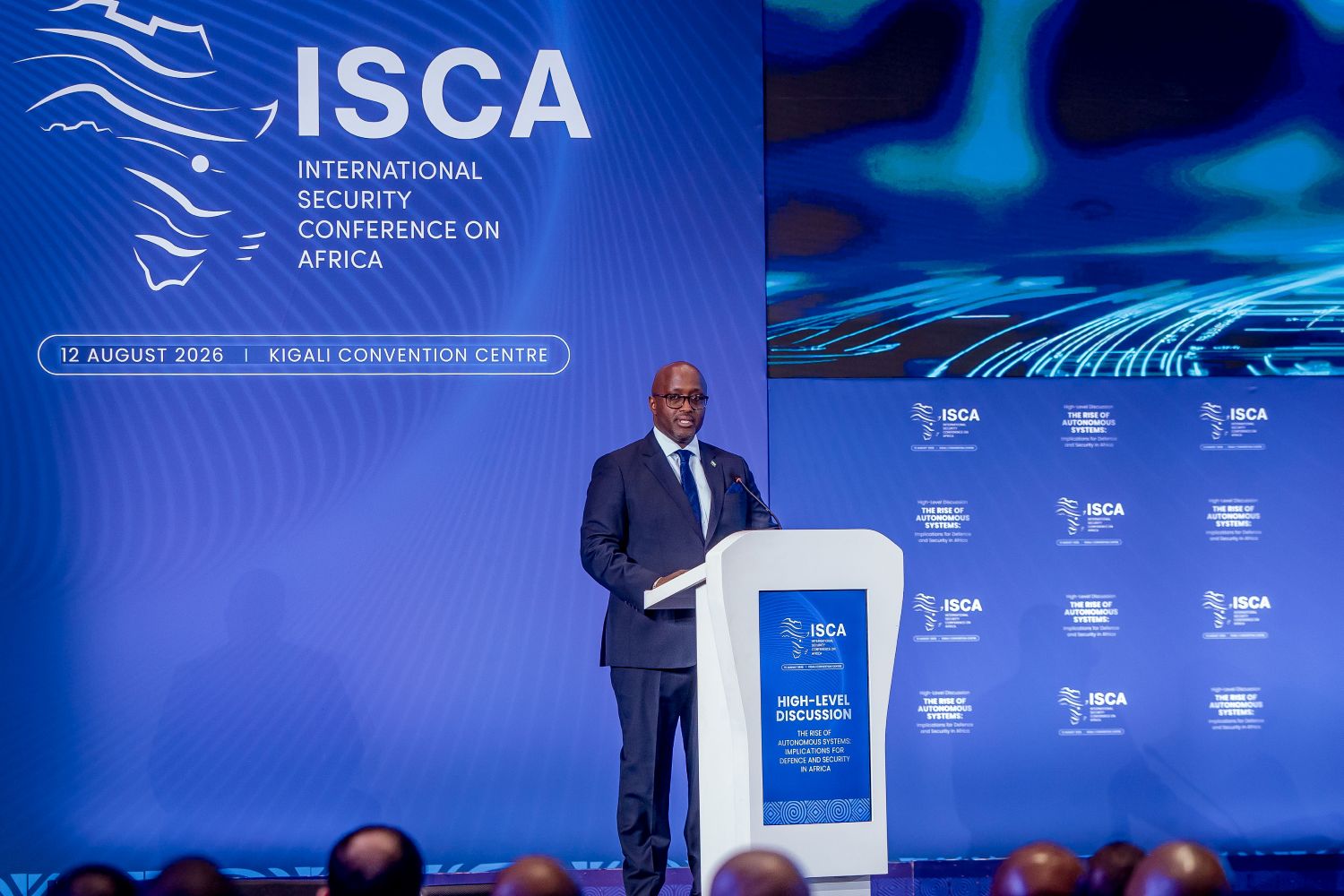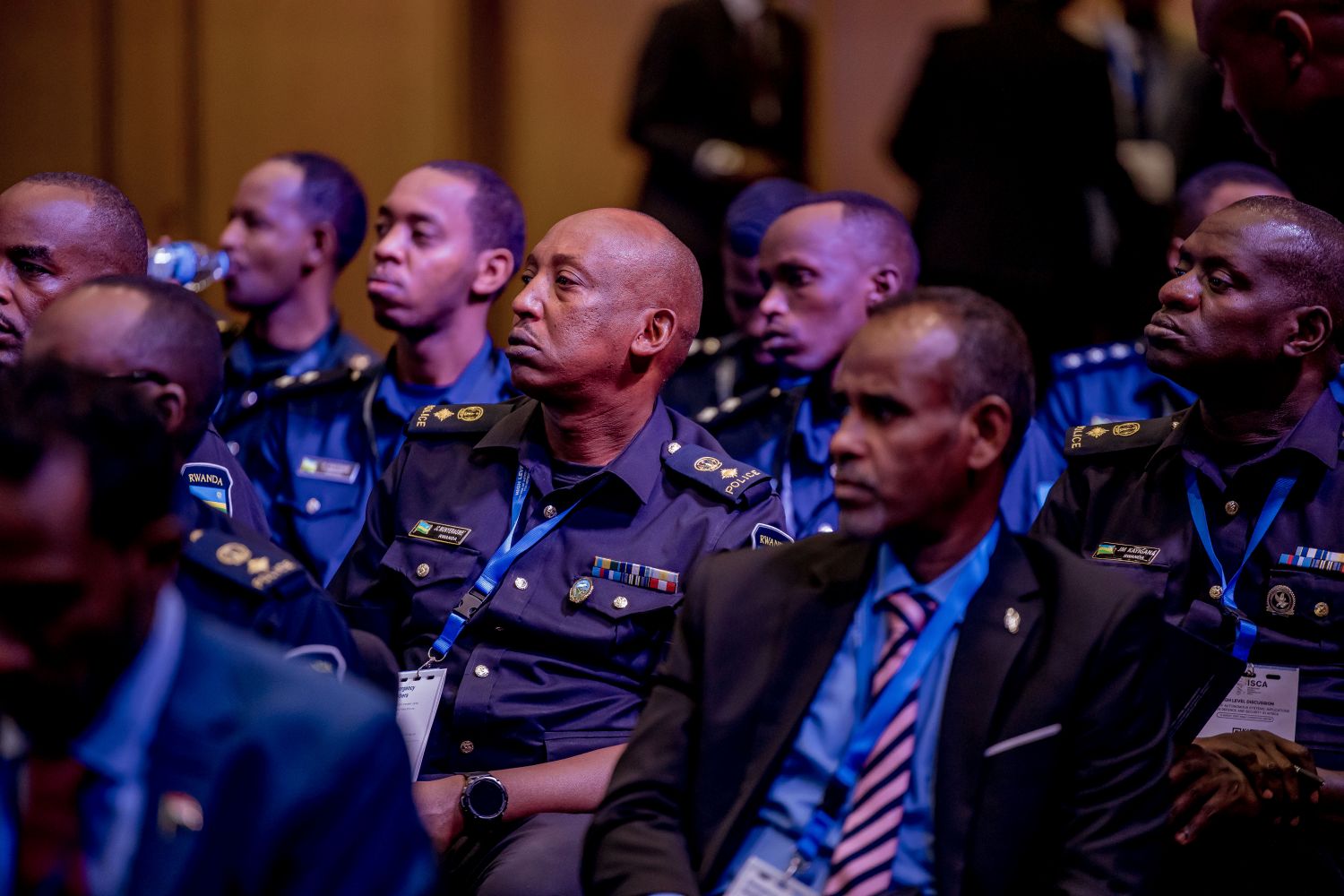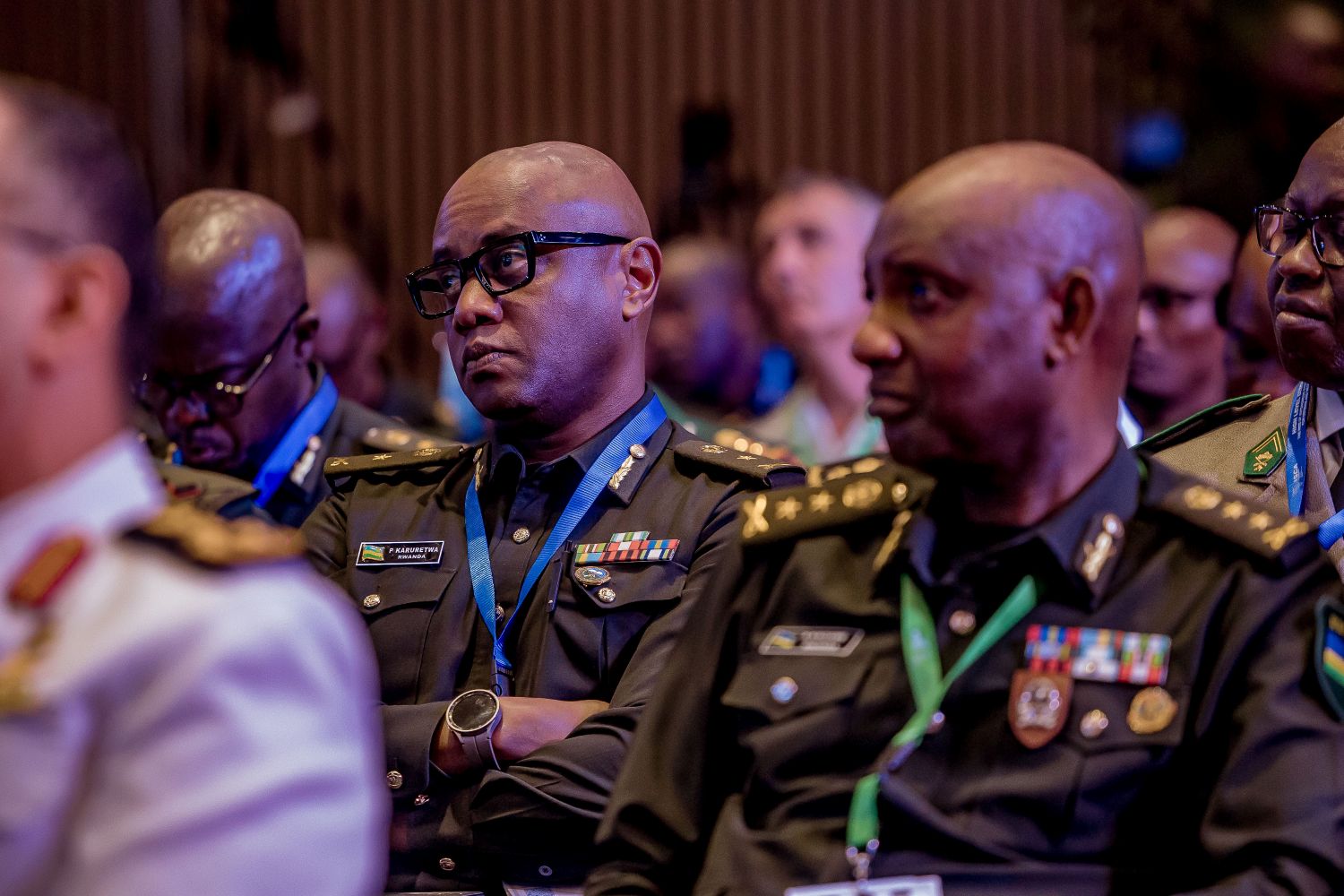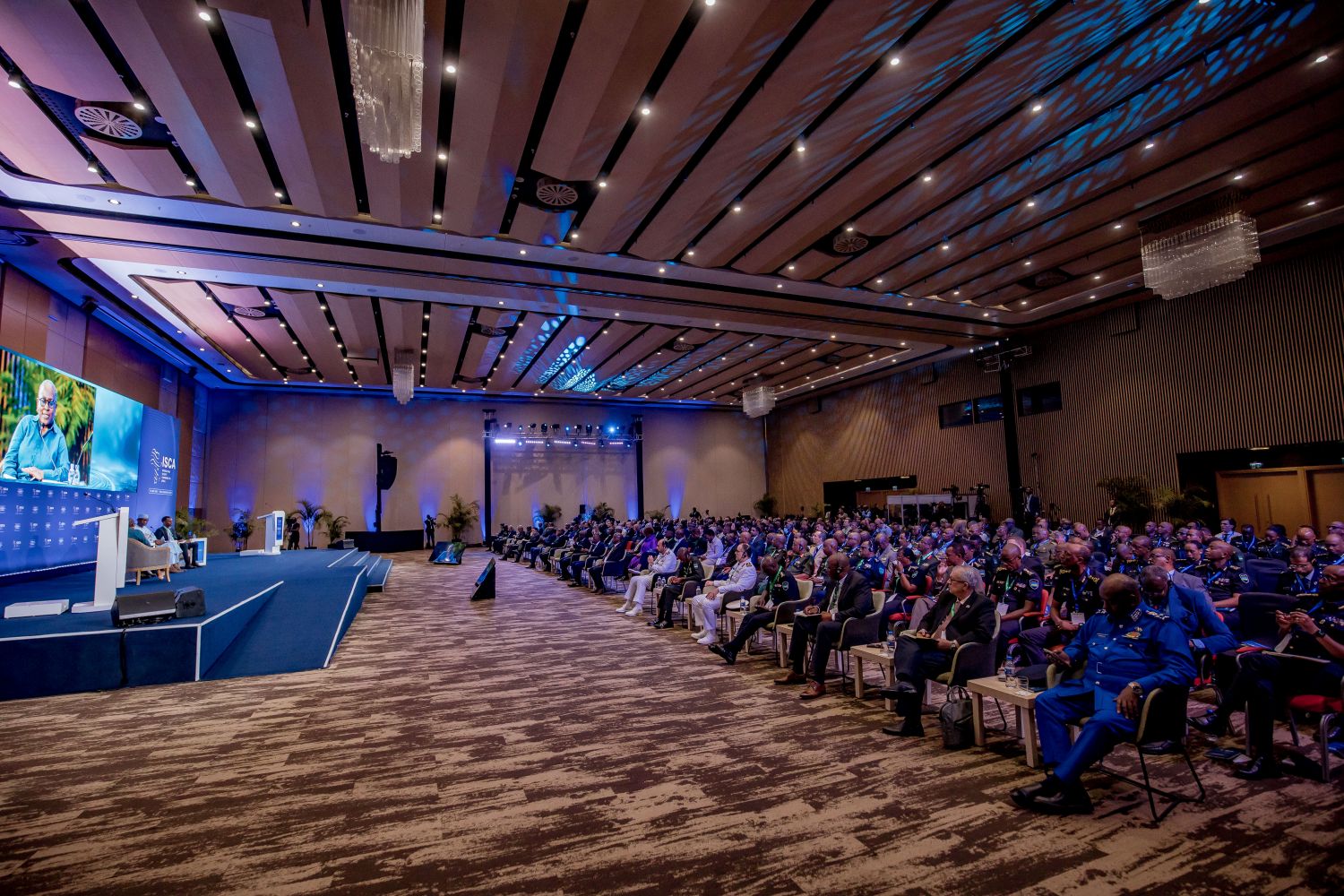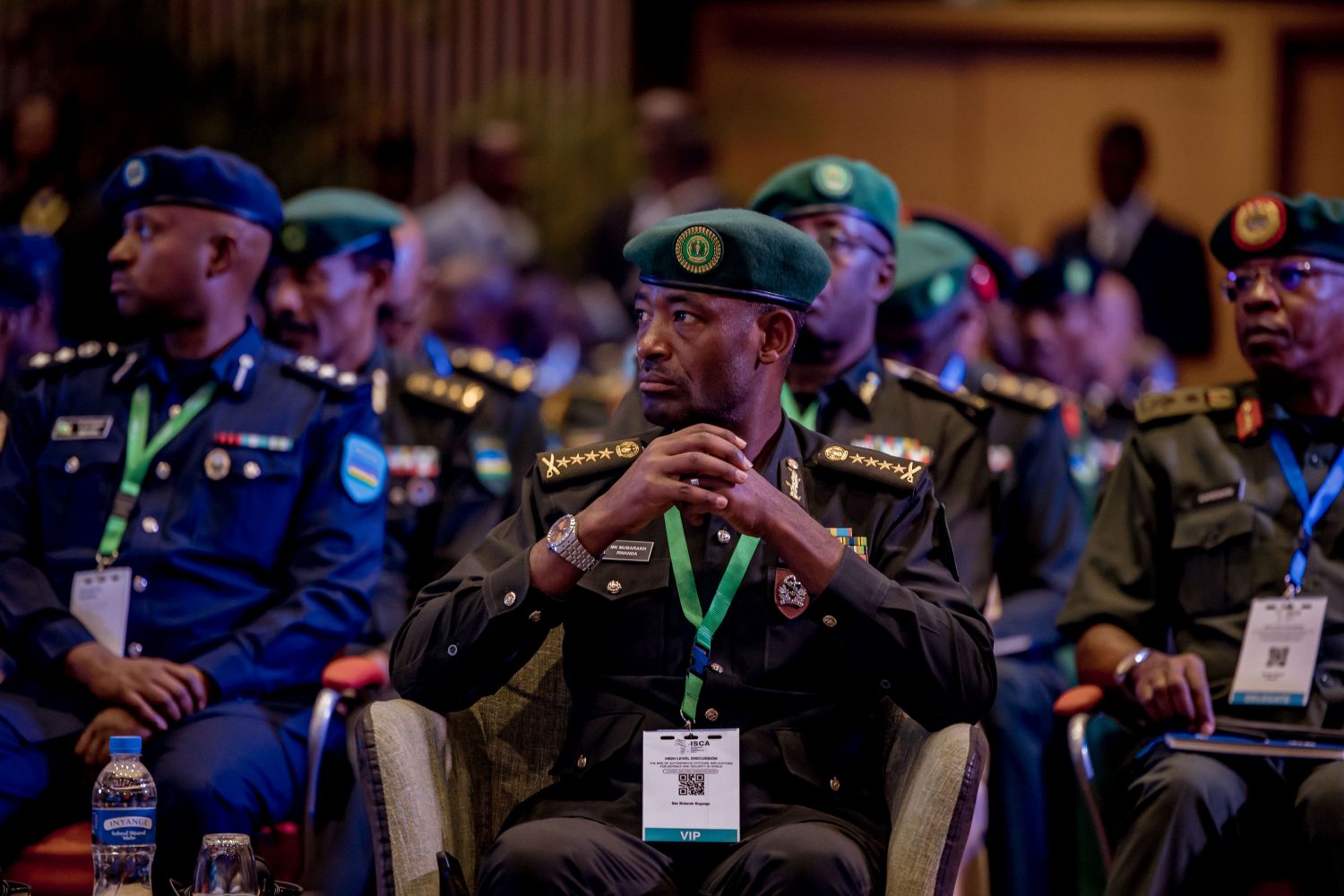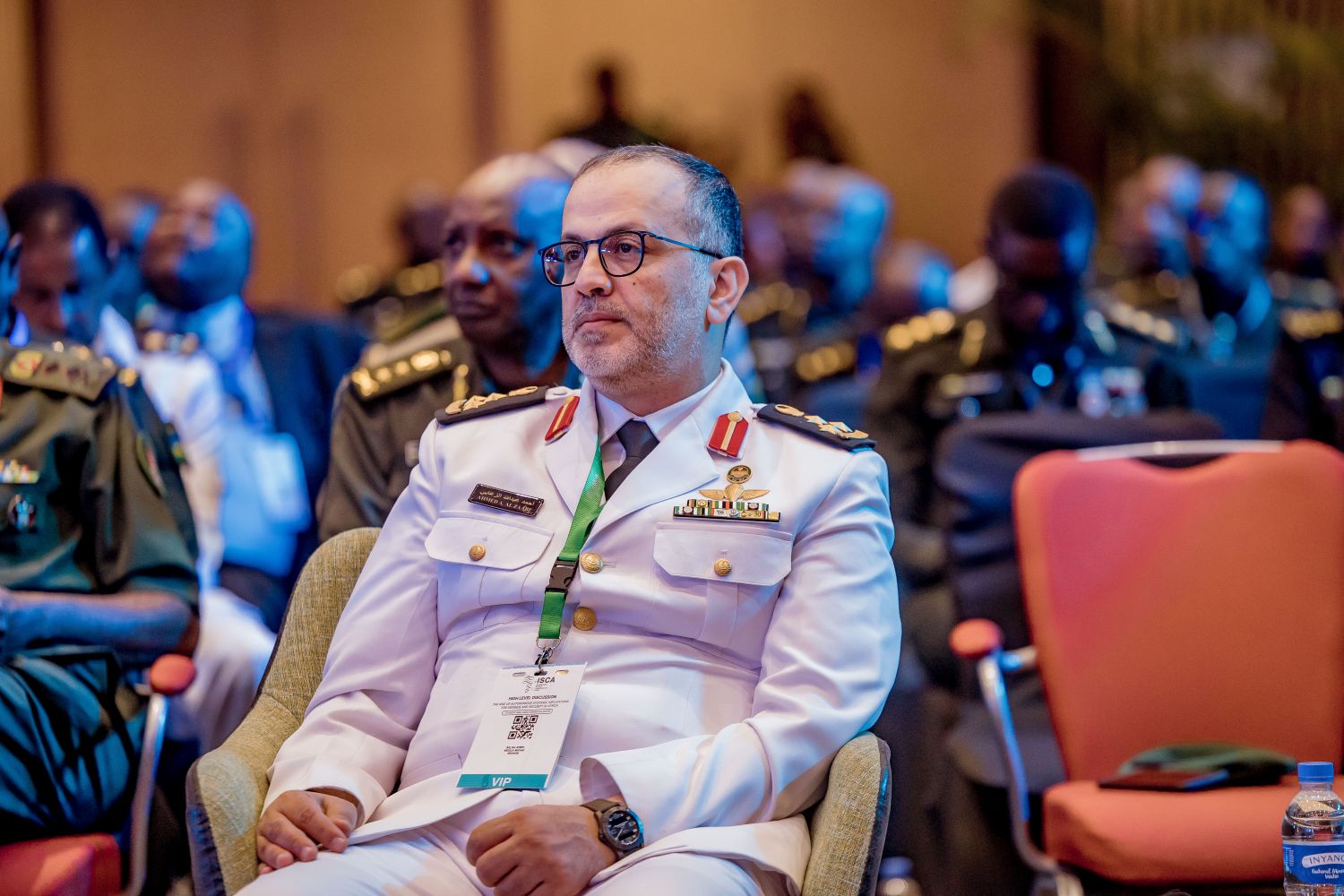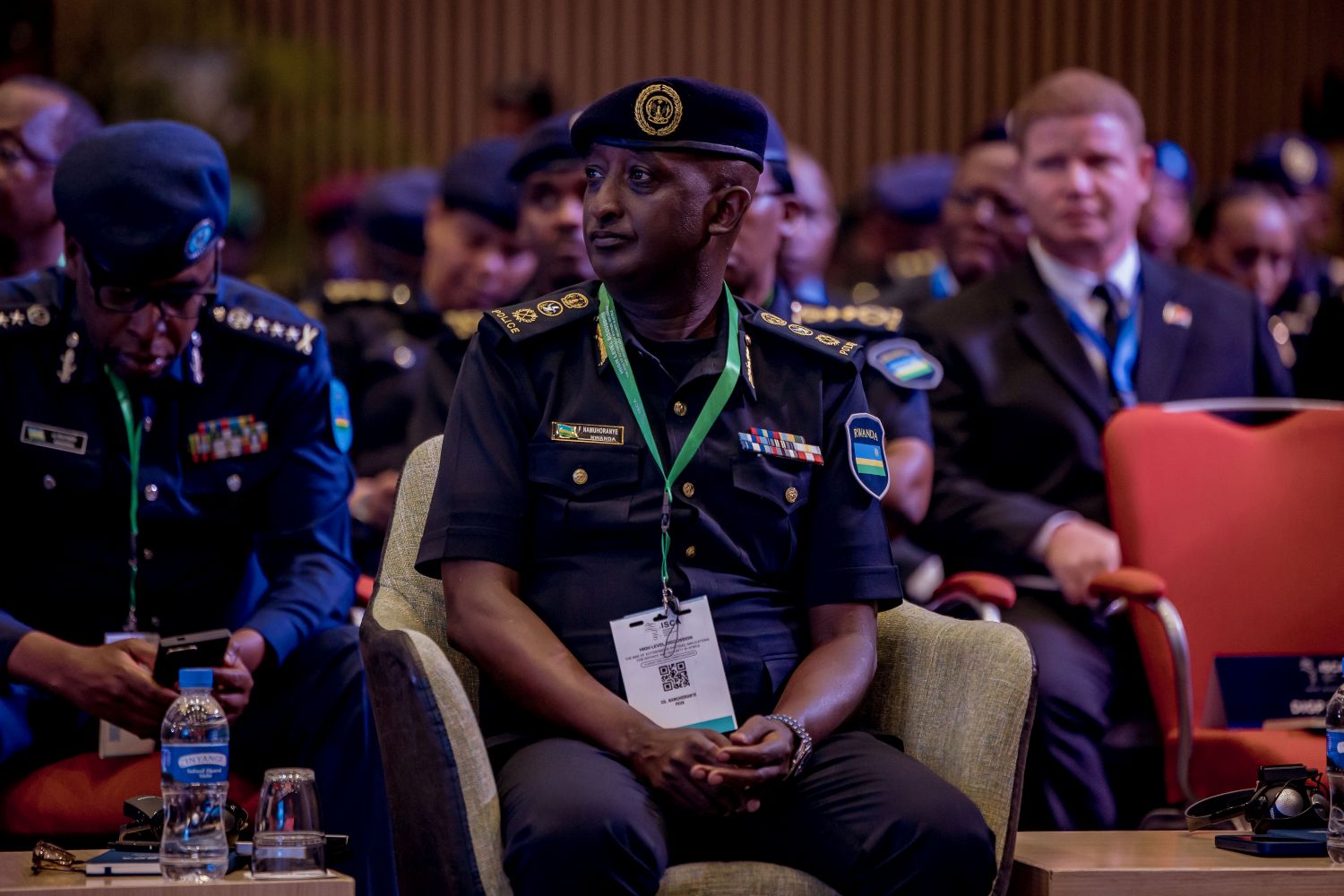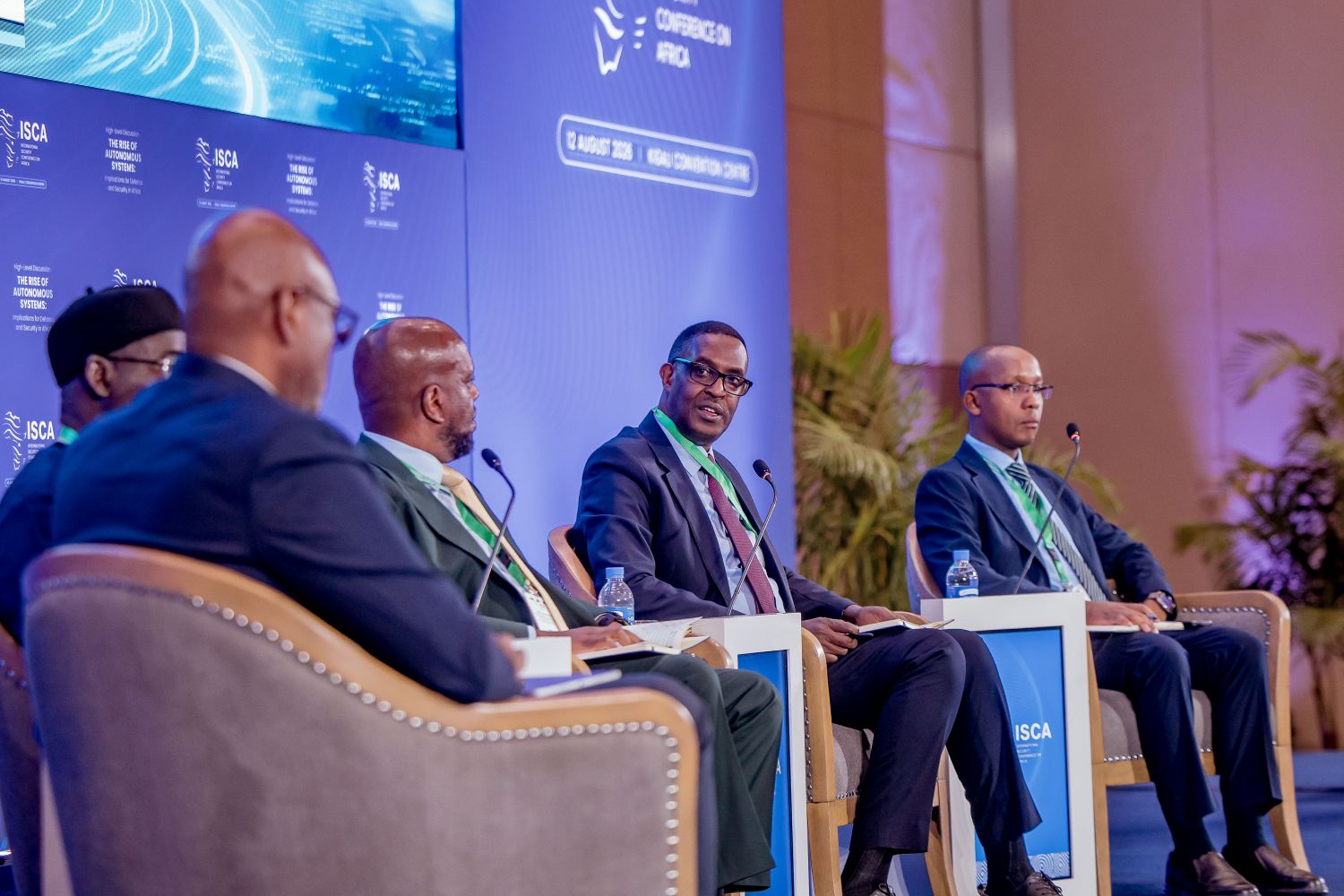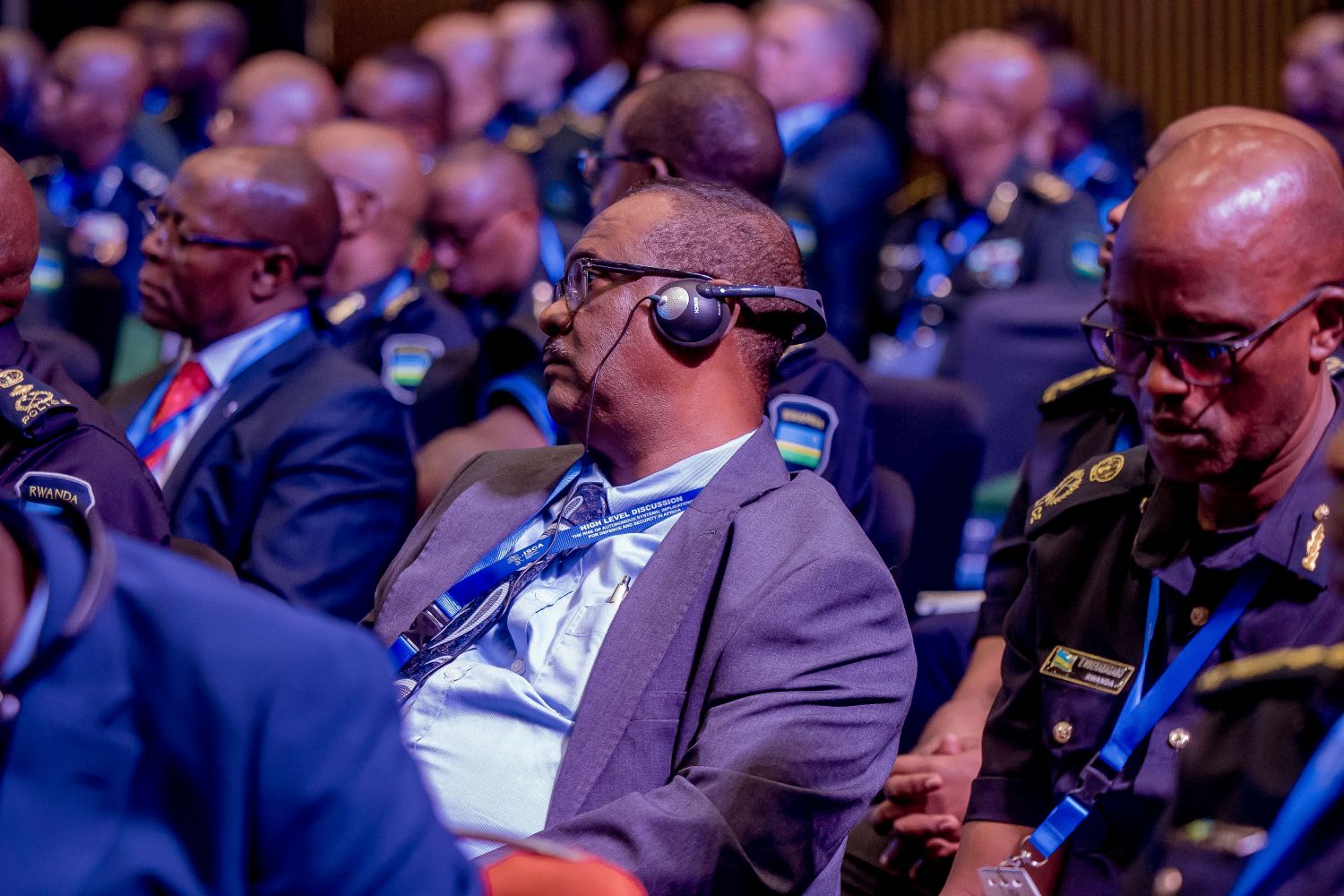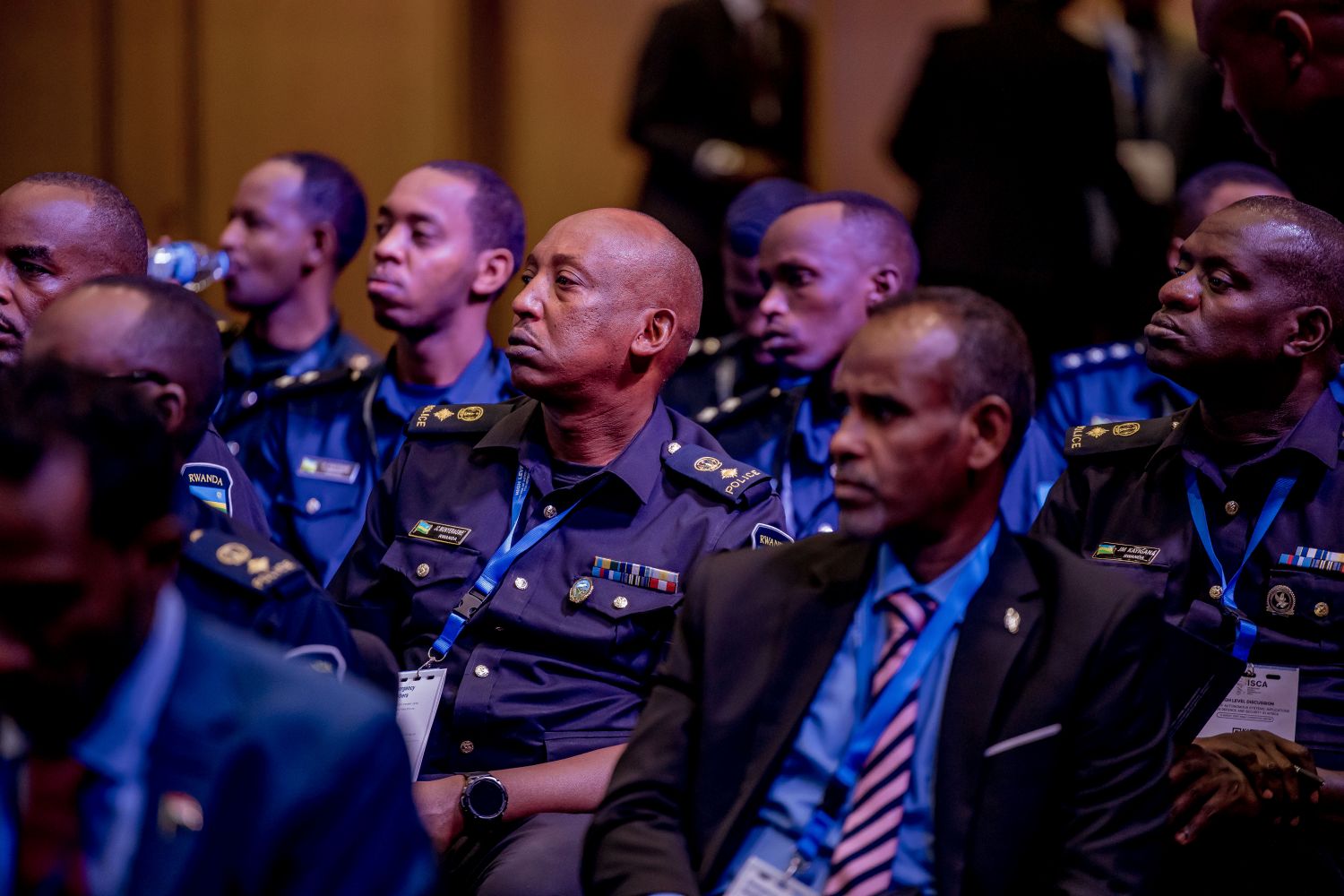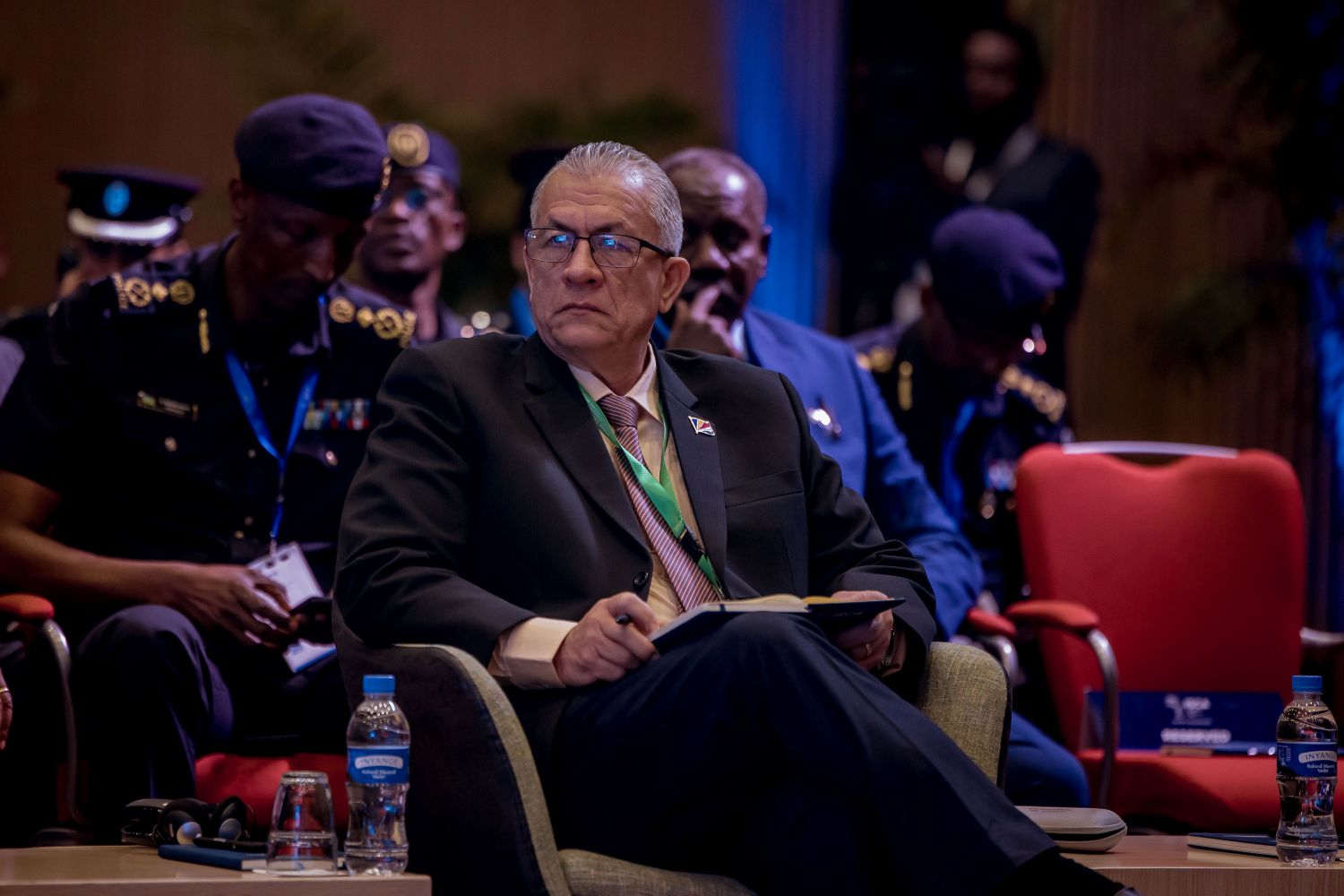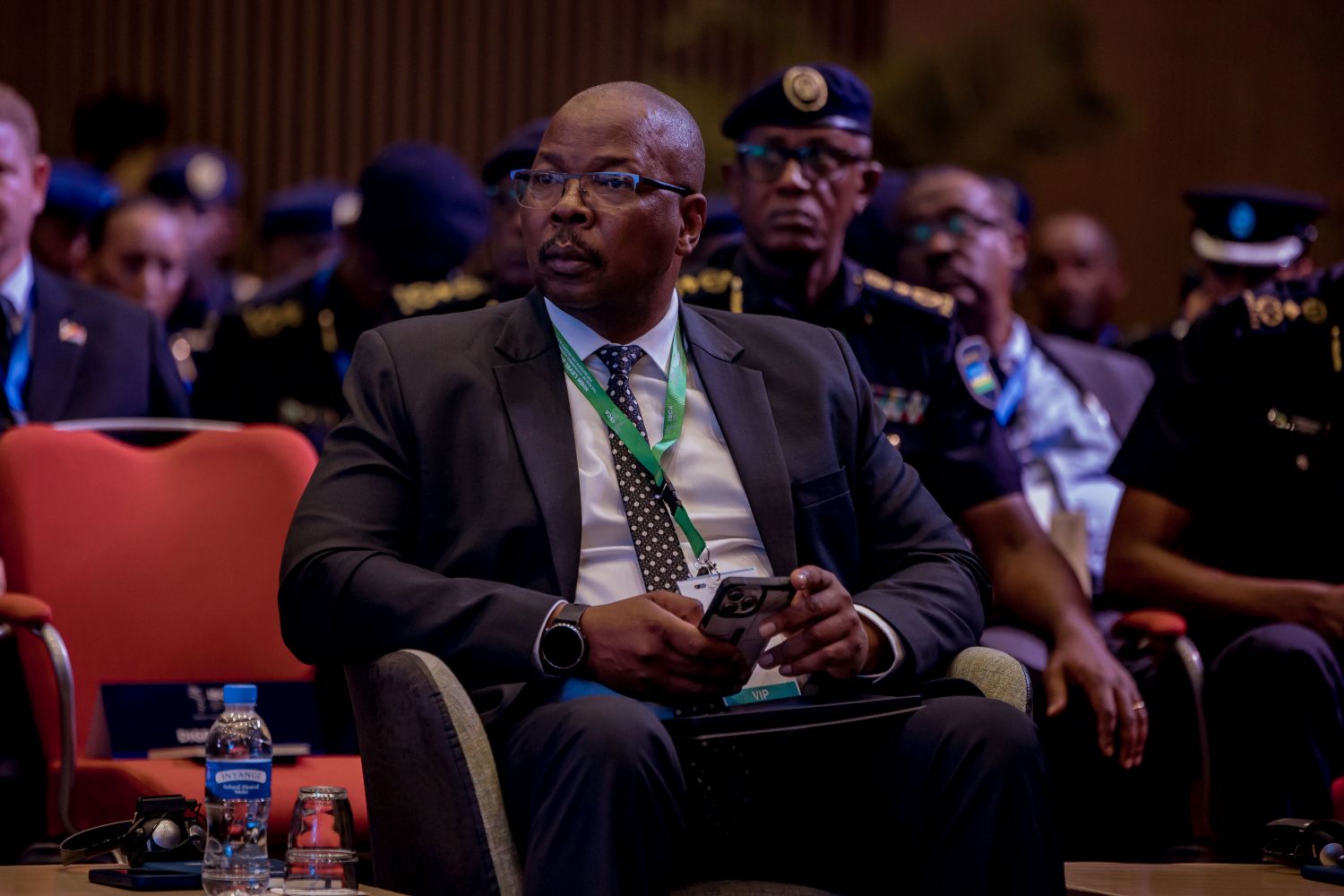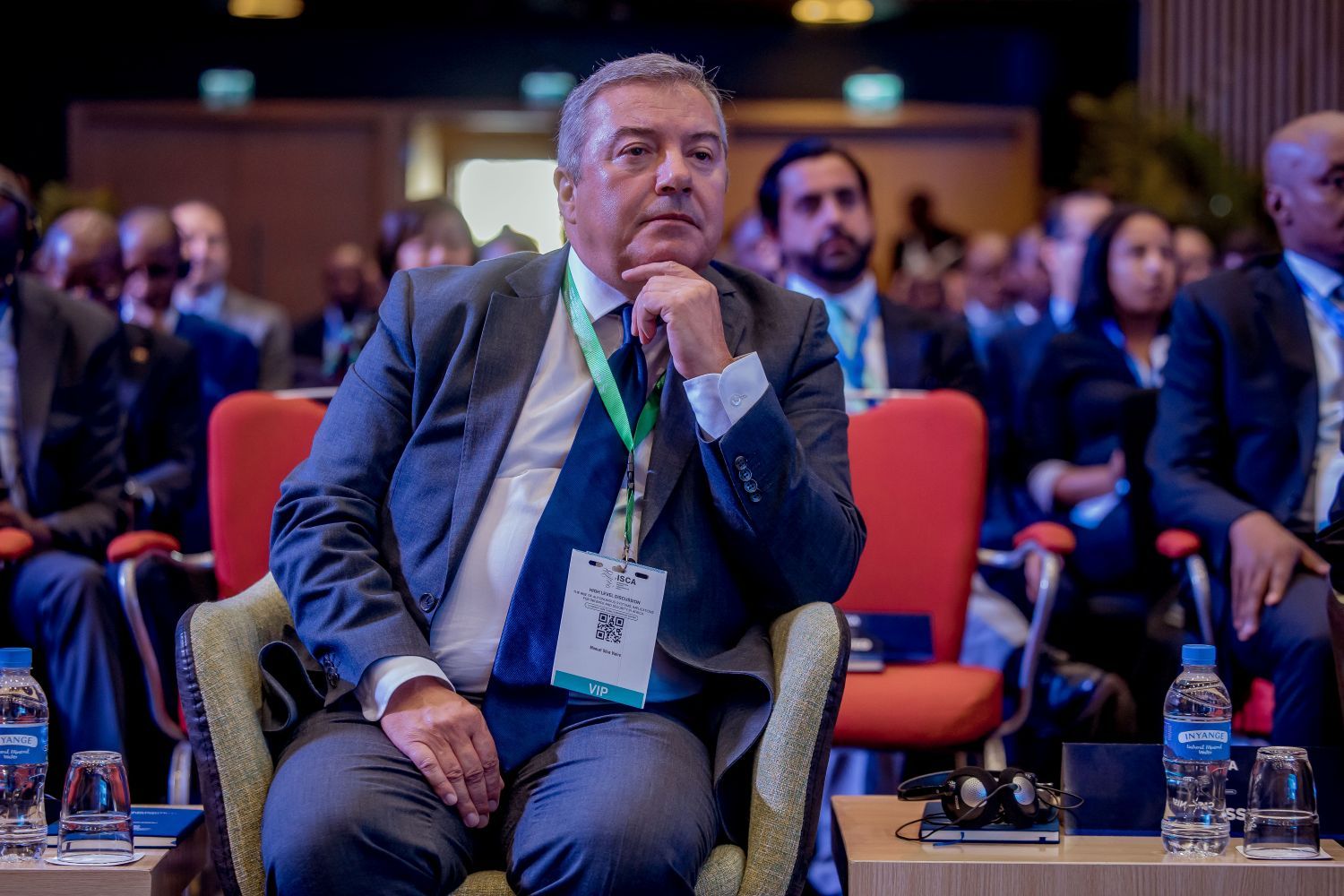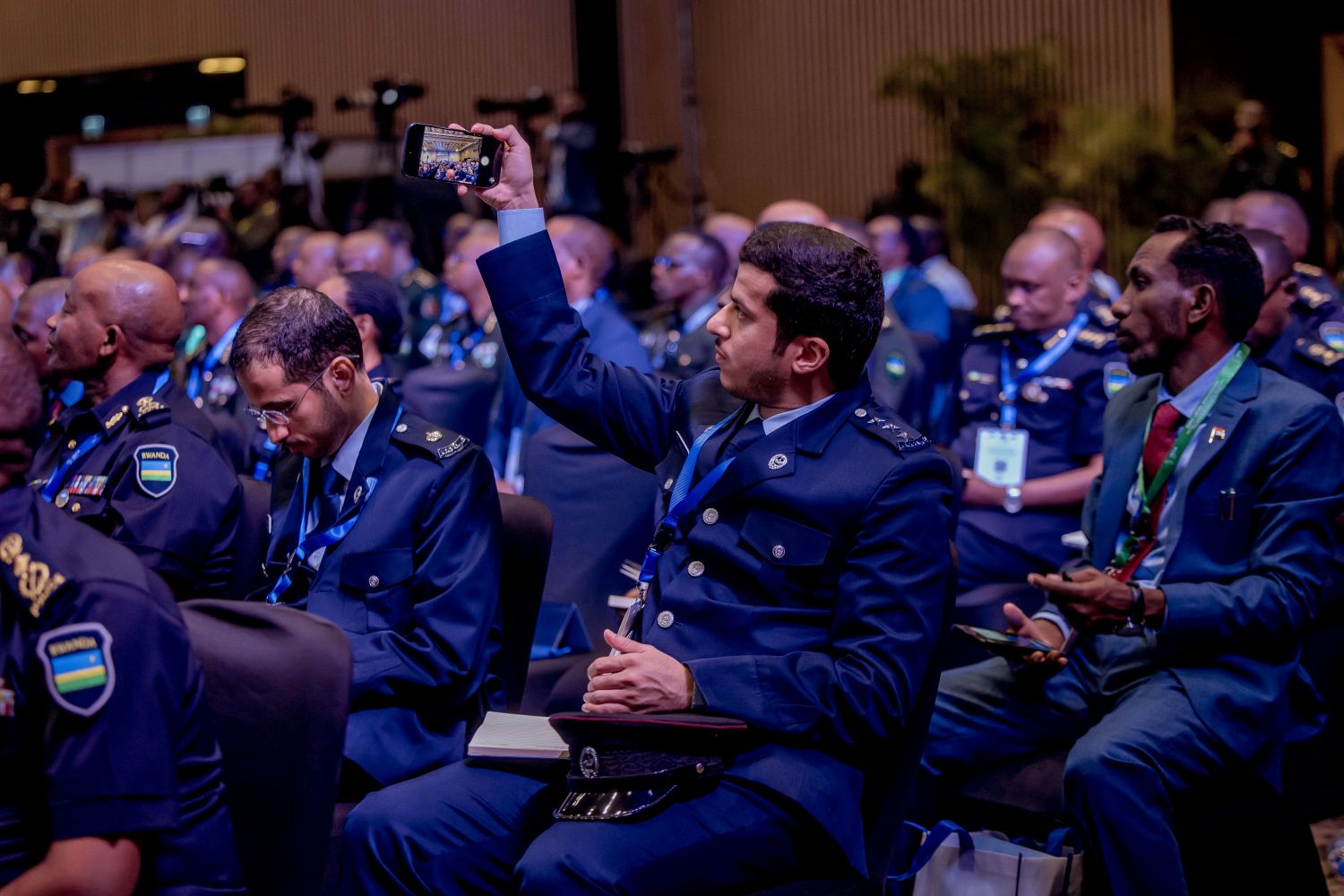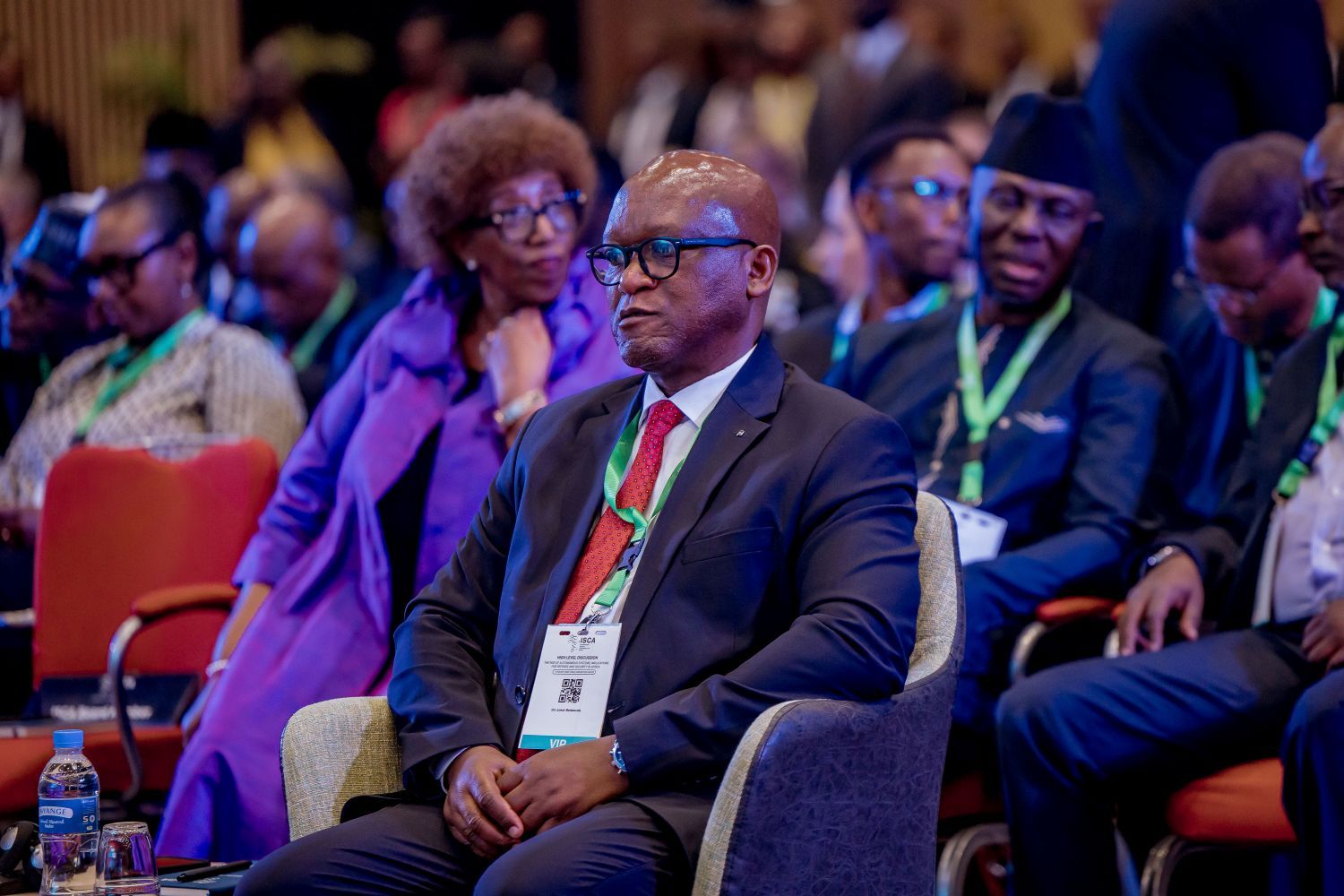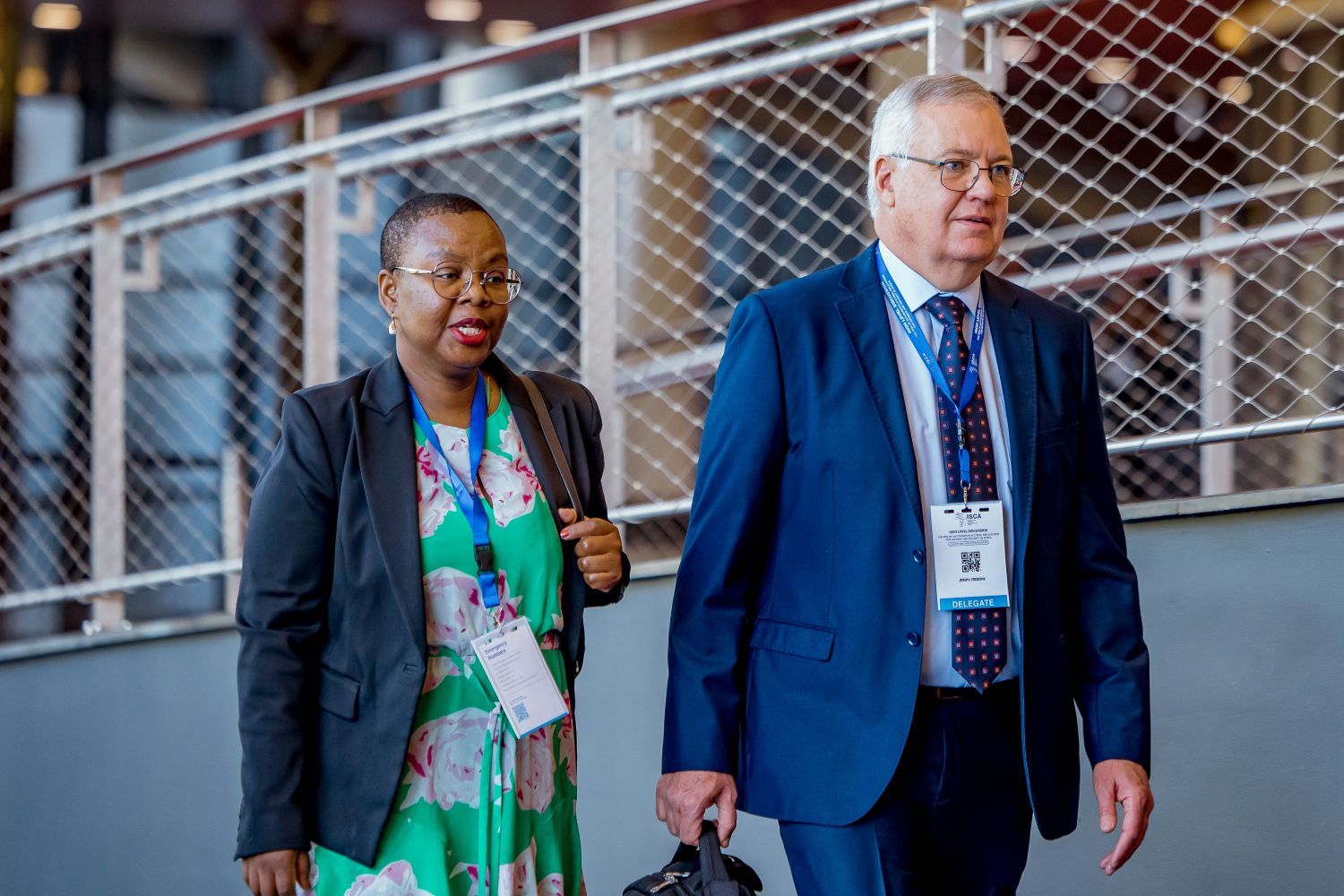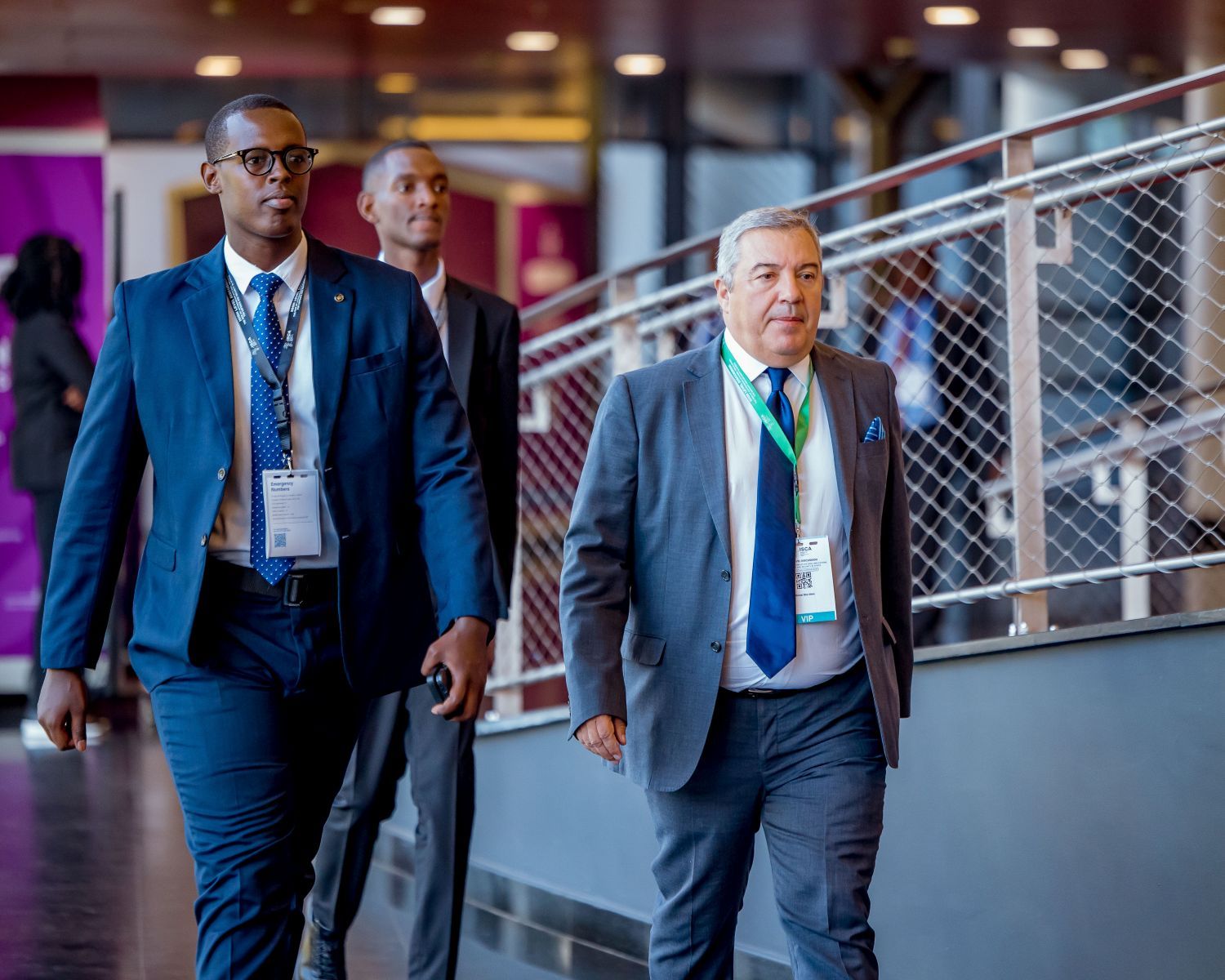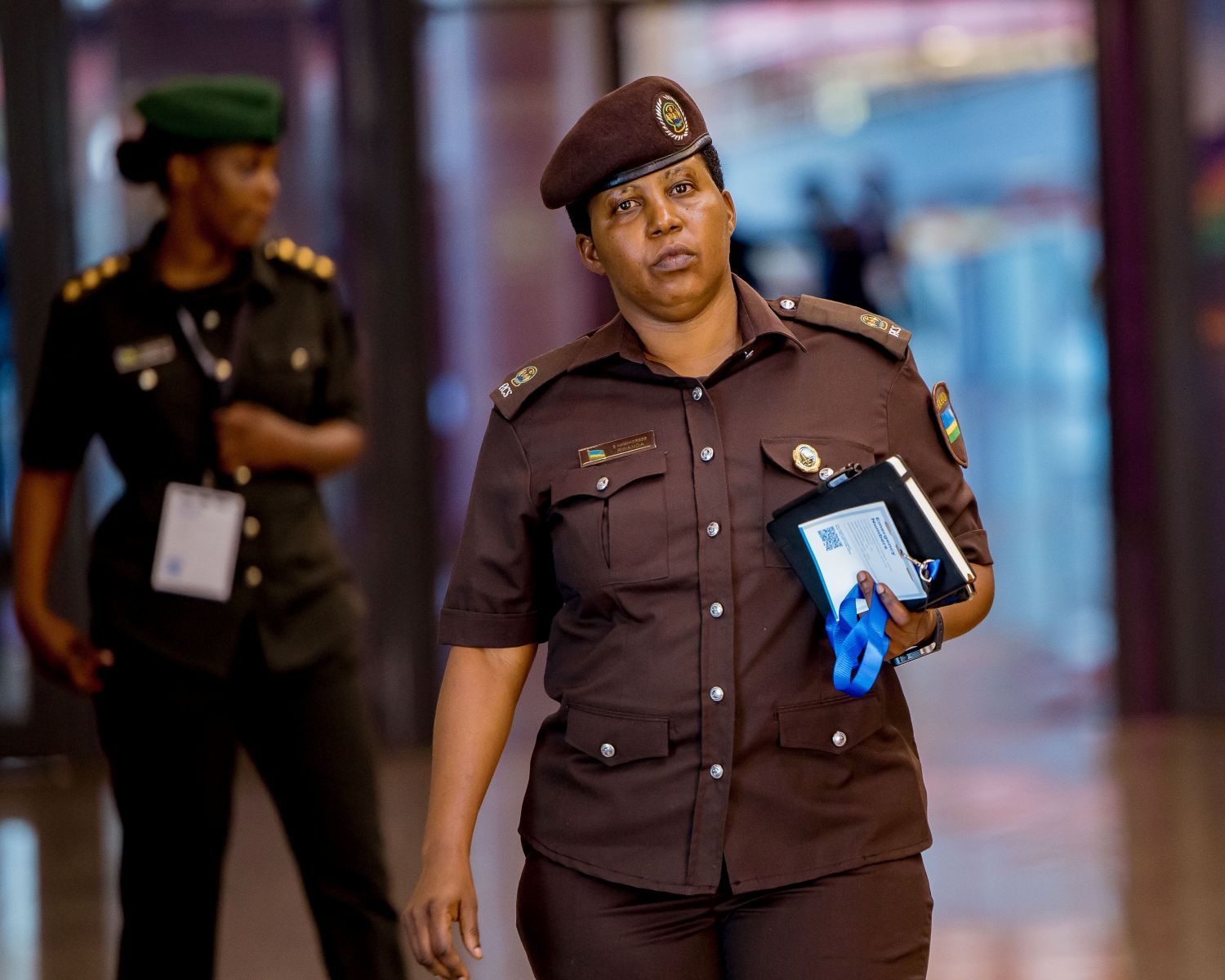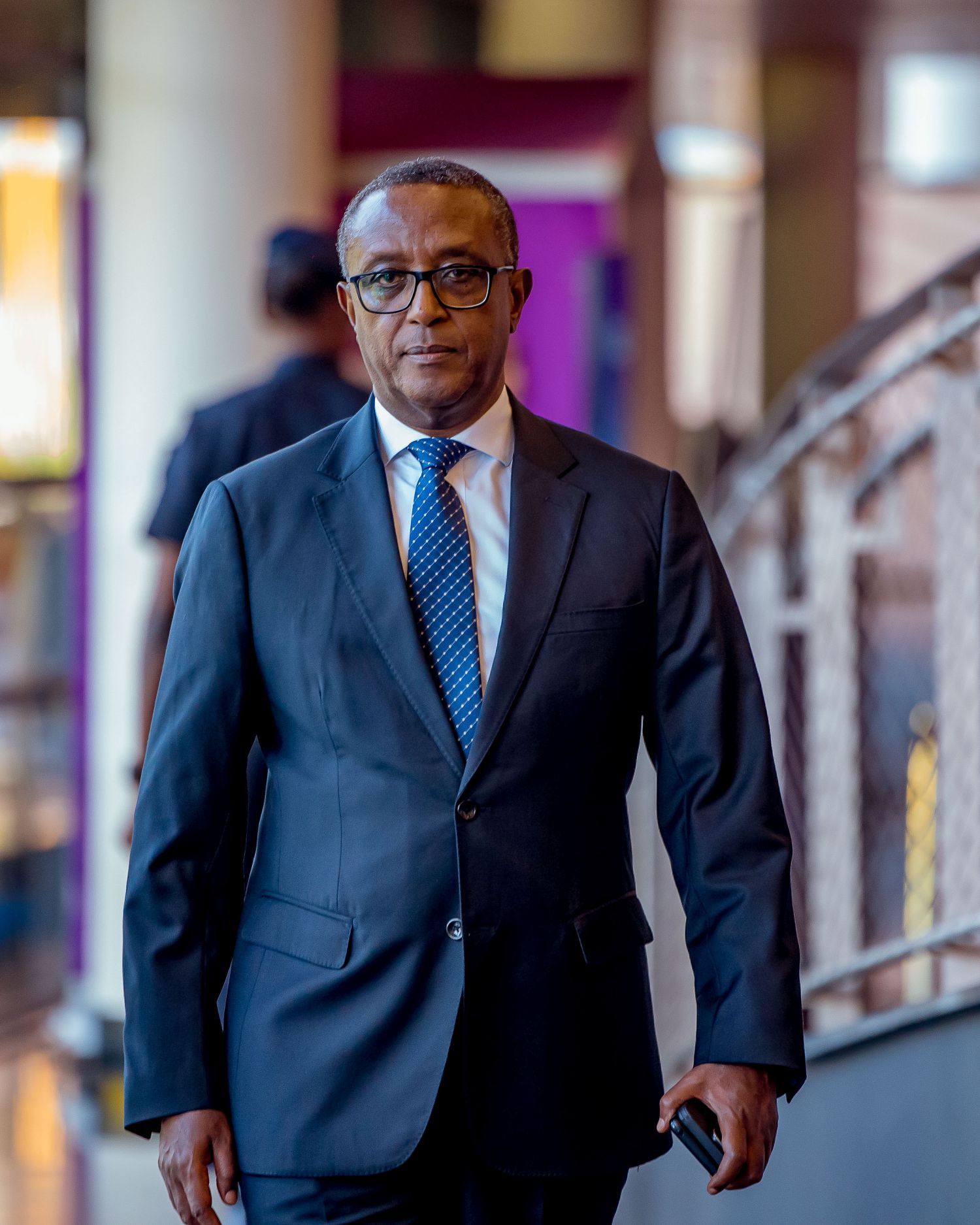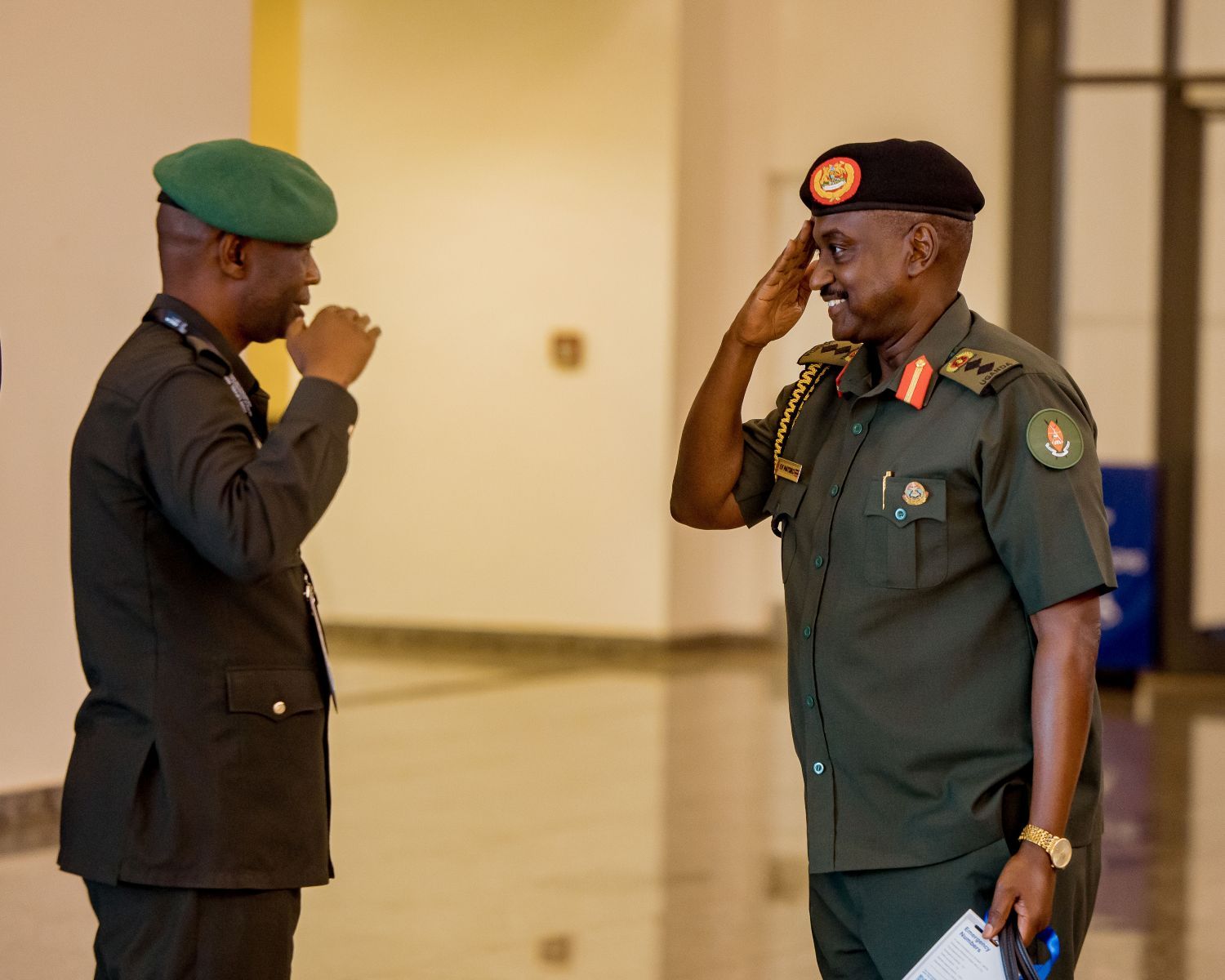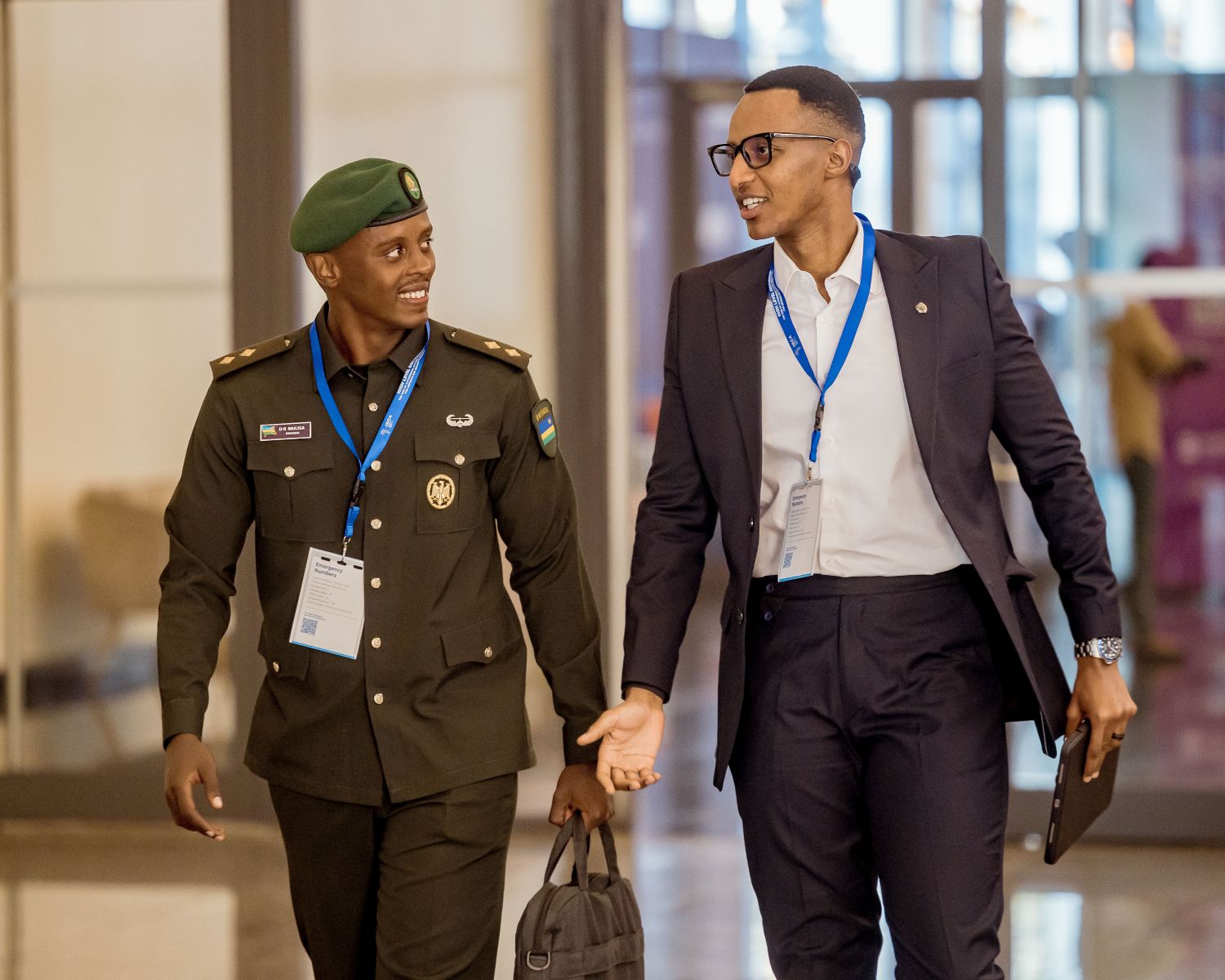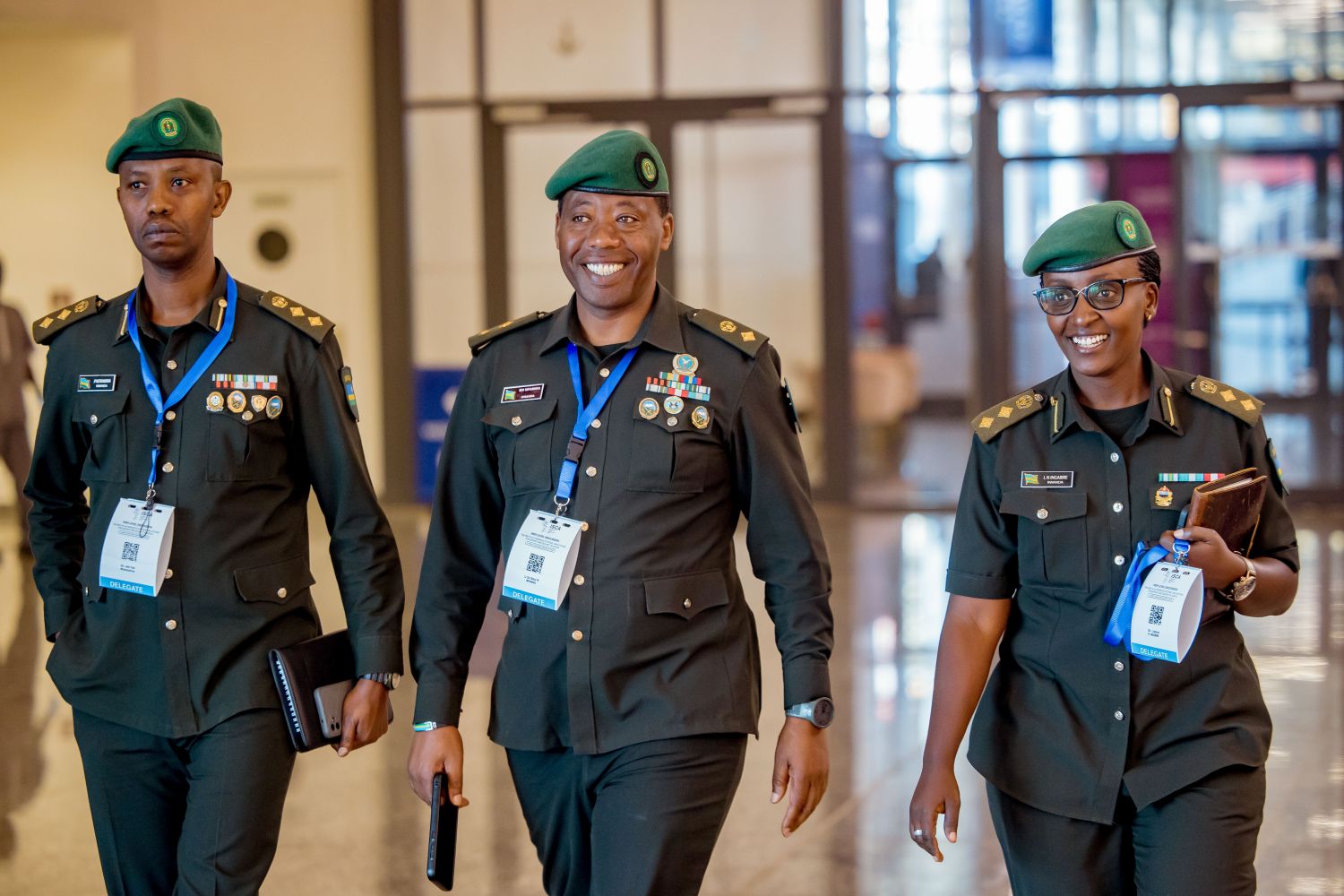

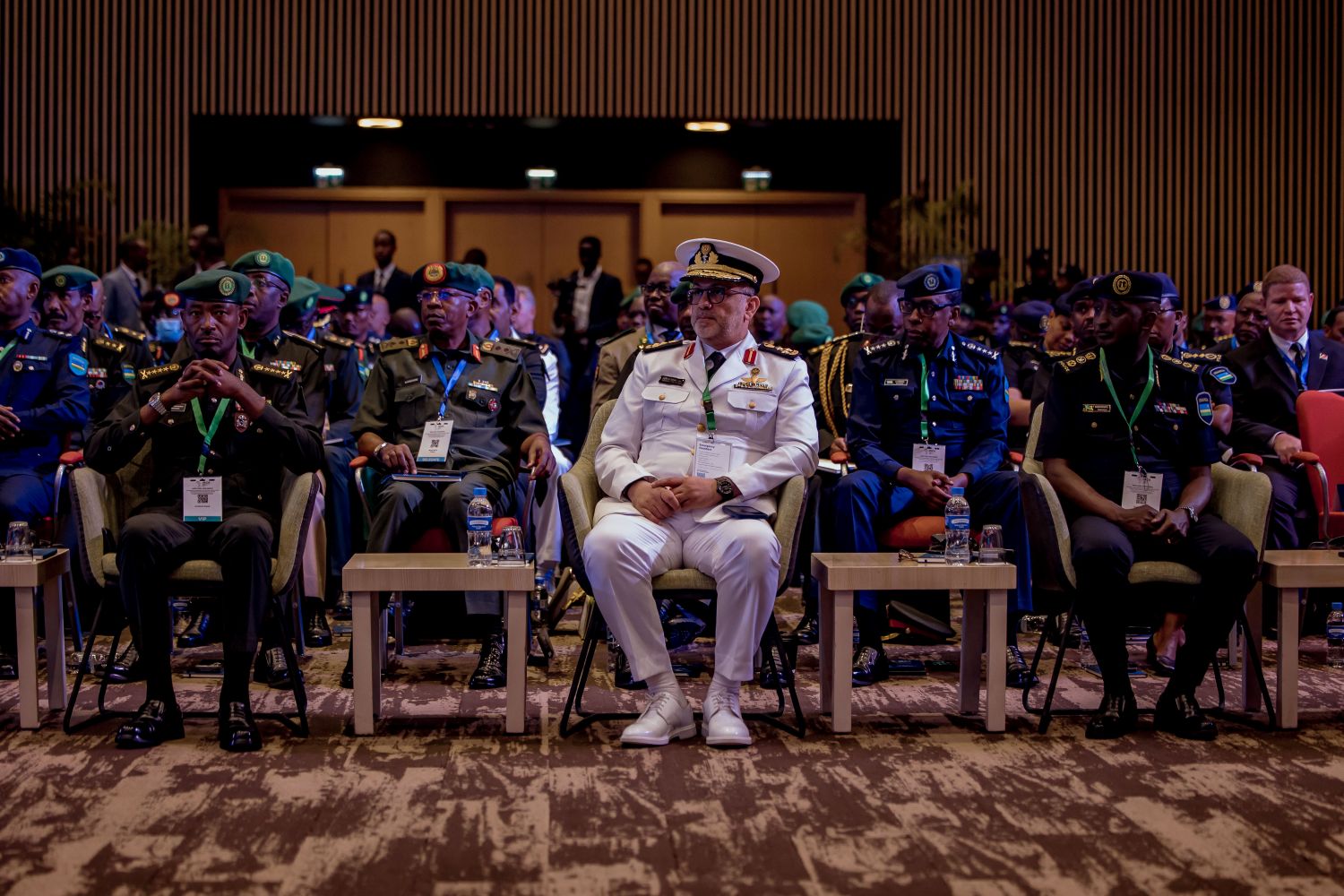
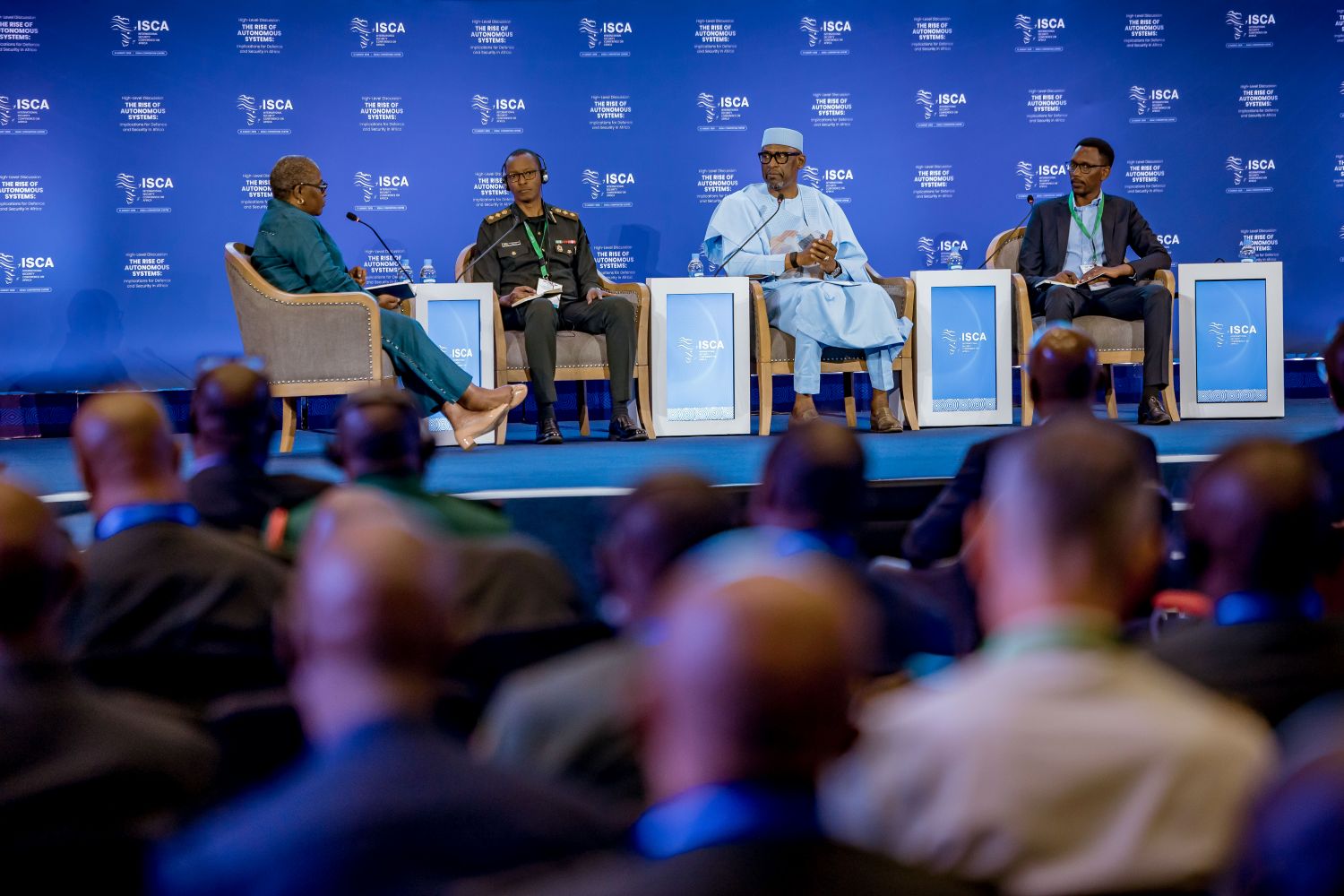
Held under the theme 'The Rise of Autonomous Systems: Implications for Defence and Security in Africa,' the discussion brought together more than 300 delegates from 50 countries to examine how artificial intelligence and autonomous systems are changing warfare, border security and national defence.
Opening the discussion, ISCA Executive Director Lt. Gen. (Rtd) Frank Mushyo Kamanzi noted that advances in artificial intelligence and autonomous aerial, maritime and ground systems are already reshaping warfare, border security, peace support operations and national defence.
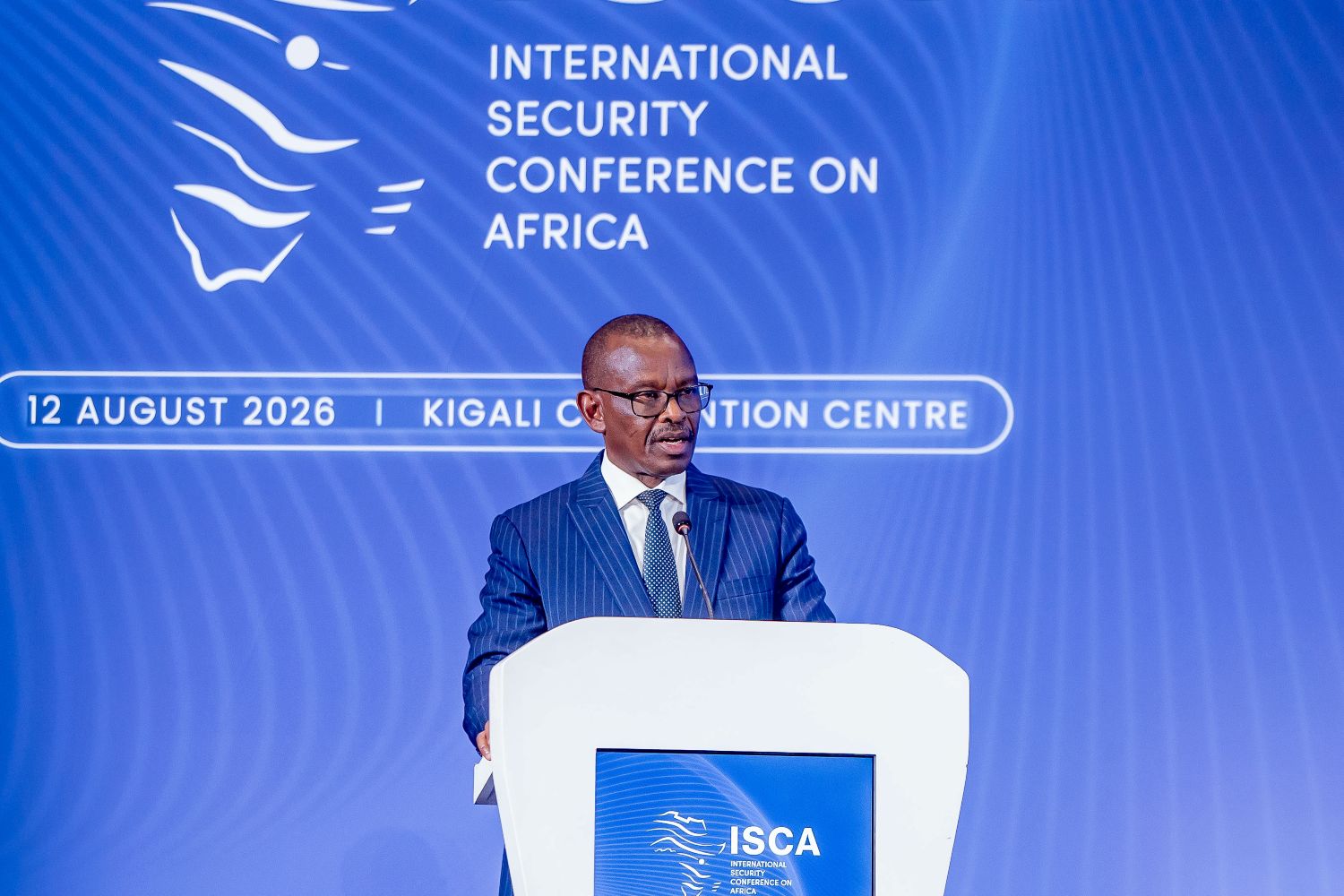
He highlighted their potential to strengthen intelligence gathering, border surveillance, maritime security and protection of critical infrastructure, while raising concerns about human oversight, accountability and possible misuse by non-state actors.
'These questions demand collective leadership and cooperation,' Kamanzi maintained, urging African governments, regional organisations, research institutions, industry and international partners to develop policies and capabilities suited to the continent's security priorities.
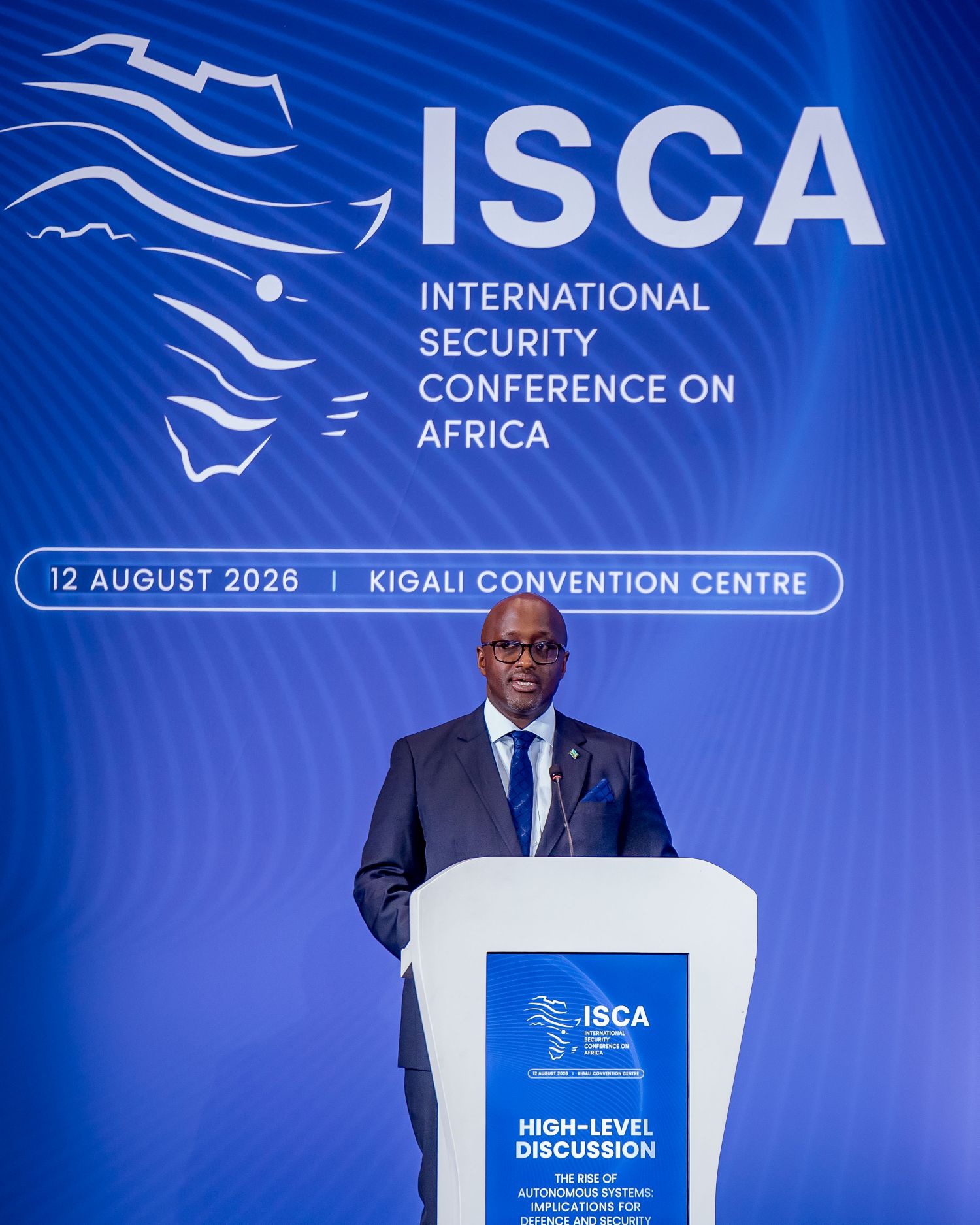
Rwanda's Foreign Affairs Minister Olivier Nduhungirehe warned that artificial intelligence and autonomous systems are becoming increasingly accessible, including to non-state actors.
'Africa cannot afford to fall behind as these technologies continue to evolve,' Nduhungirehe cautioned.
He called for greater investment in African skills, institutions and technological capacity while stressing the implications of autonomous systems for sovereignty and strategic autonomy.
Mali's experience
Mali's Foreign Affairs Minister Abdoulaye Diop placed the debate within the broader question of sovereignty and Africa's ability to provide for its own defence.
Mali, he noted, faces terrorism, separatism, inter-community conflicts and other threats across a territory of about 1.2 million square kilometres bordered by seven countries.
Diop explained that drones and other autonomous technologies have consequently become an increasingly important part of Mali's security architecture. Mali, he indicated, had almost no drones five years ago but now has dozens, approaching hundreds, operated by Malian defence and security personnel.
He stressed that training and technology transfer are essential if African countries are to avoid replacing one form of dependence with another.
'It is a bit like cutting the logic of dependence,' he remarked, describing Mali's efforts to strengthen its own defence capabilities.
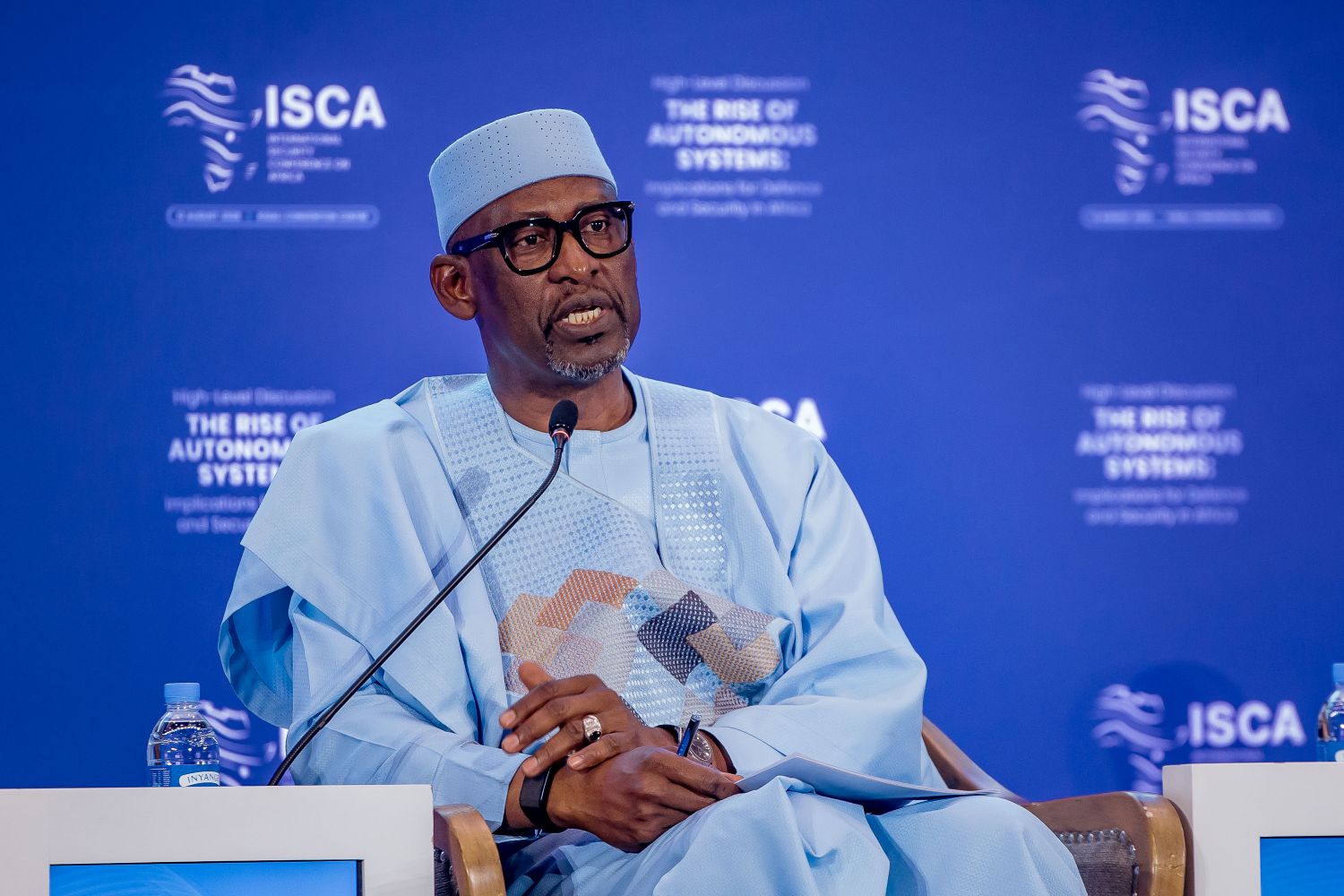
Mali has incorporated training and technology transfer into defence agreements and established a national artificial intelligence centre where young people receive training for applications in defence, medicine, energy and other sectors.
But Diop also warned that autonomous technologies are increasingly available to terrorist groups, adding another layer to asymmetric threats.
'We are not only in an asymmetrical war, but the autonomous system also brings a level of asymmetry that competes with the state,' he observed.
From consumers to technology builders
Col. Patrick Nyirishema, Head of Defence Research and Development at the Rwanda Defence Force, argued that autonomous systems are changing the traditional understanding of military power.
'For centuries, military power was determined by who had more soldiers… But we've entered an era where machines can see. Machines can analyse. Machines can make decisions. And machines can act with diminishing human intervention,' he noted.
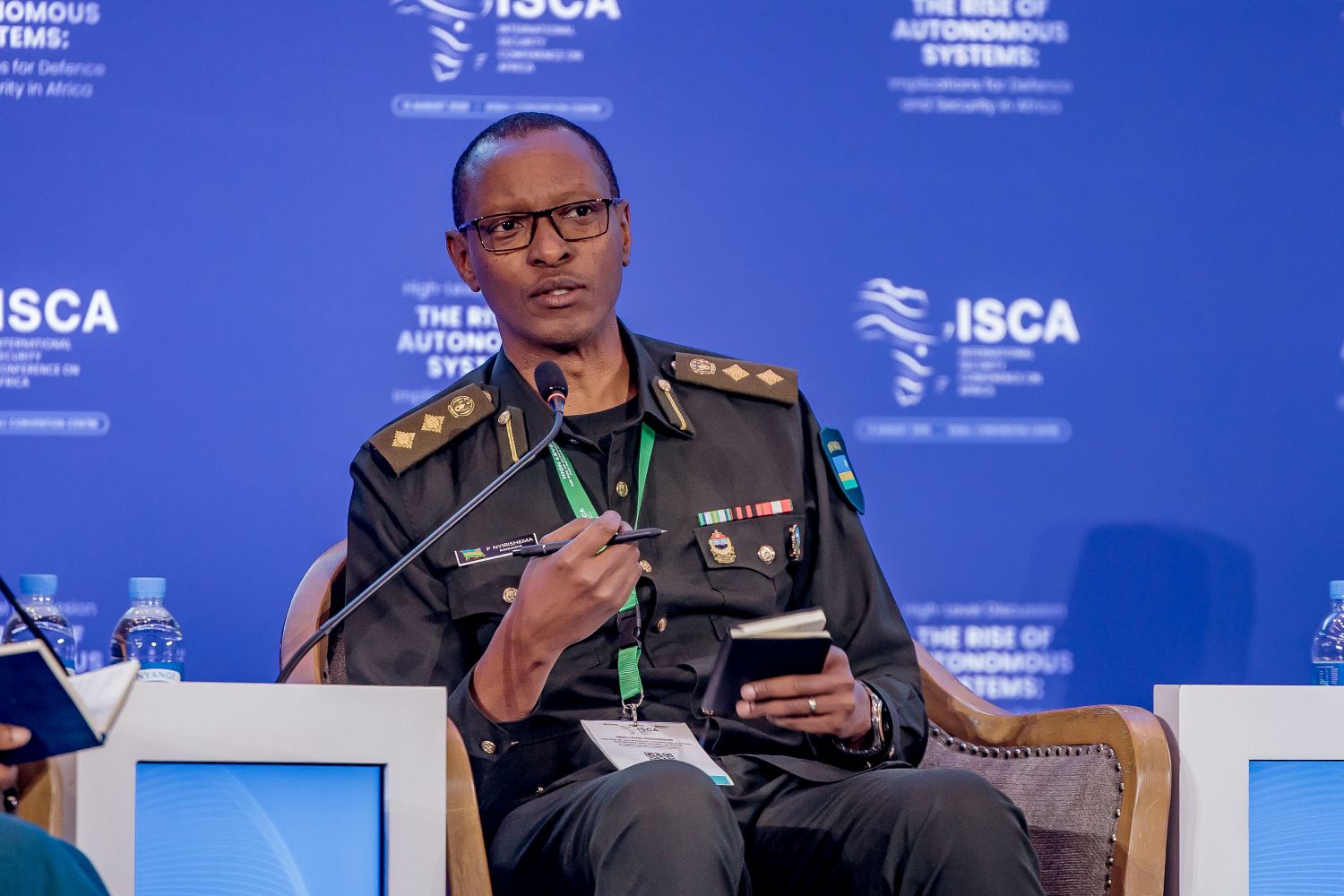
African countries now face a choice between remaining consumers of emerging technologies or investing in capabilities that allow them to shape them.
'The question is whether Africa can position itself so that this rise of autonomous systems and other related technologies and capabilities can be converted into a strategic advantage. Or whether it becomes a strategic vulnerability,' Nyirishema remarked.
He placed particular emphasis on talent.
'I think the starting point is talent. Build talent. Build talent,' he stressed, calling for national technology ecosystems in which young people can experiment, innovate and develop dual-use applications.
Such technologies, he noted, could support border surveillance, cross-border crime prevention, agriculture and other civilian activities in addition to defence.
Buratai praises Rwanda, urges African defence fund
Former Nigerian Chief of Army Staff Lt. Gen. (Rtd) Tukur Yusuf Buratai linked autonomous systems to the wider questions of governance, independence and indigenous technological capacity.
Buratai praised Rwanda for its leadership in advancing African defence and security solutions, recalling his participation in the country's Armed Forces Commanders Conference the previous year.
'The Rwandan government has been in the forefront with projecting African defence and security solutions,' he noted, describing Rwanda's approach as evidence of leadership and commitment to African security knowledge.
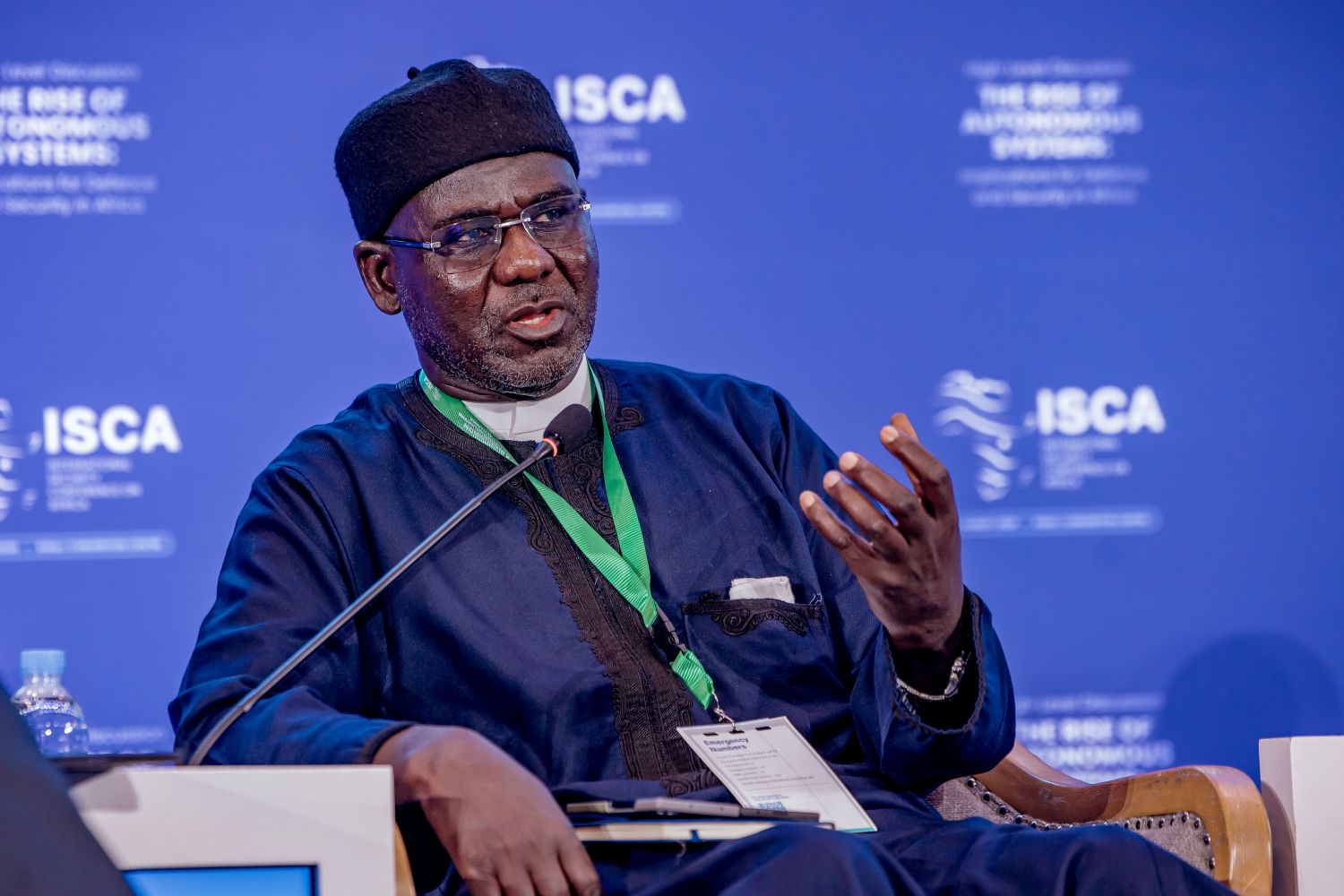
He argued that autonomous systems must be considered at the strategic level rather than simply as tactical military equipment, while emphasising the importance of indigenous technology and investment in Africa's young innovators.
Buratai also called for a dedicated African defence fund to help the continent respond to existing and emerging security threats.
Funding, he maintained, has been a longstanding challenge for the African Union and regional organisations, with external financing sometimes influencing African security priorities.
He further linked security to governance and socio-economic development, noting from Nigeria's experience that counter-insurgency efforts must be accompanied by measures addressing unemployment, education and other conditions that contribute to insecurity.
Technology must fit African realities
Moise Busogi, an Assistant Teaching Professor at CMU-Africa, cautioned that technologies developed elsewhere cannot automatically be expected to perform effectively in African environments.
'Many of these technologies are global, but usually the environment is very local,' Busogi noted.
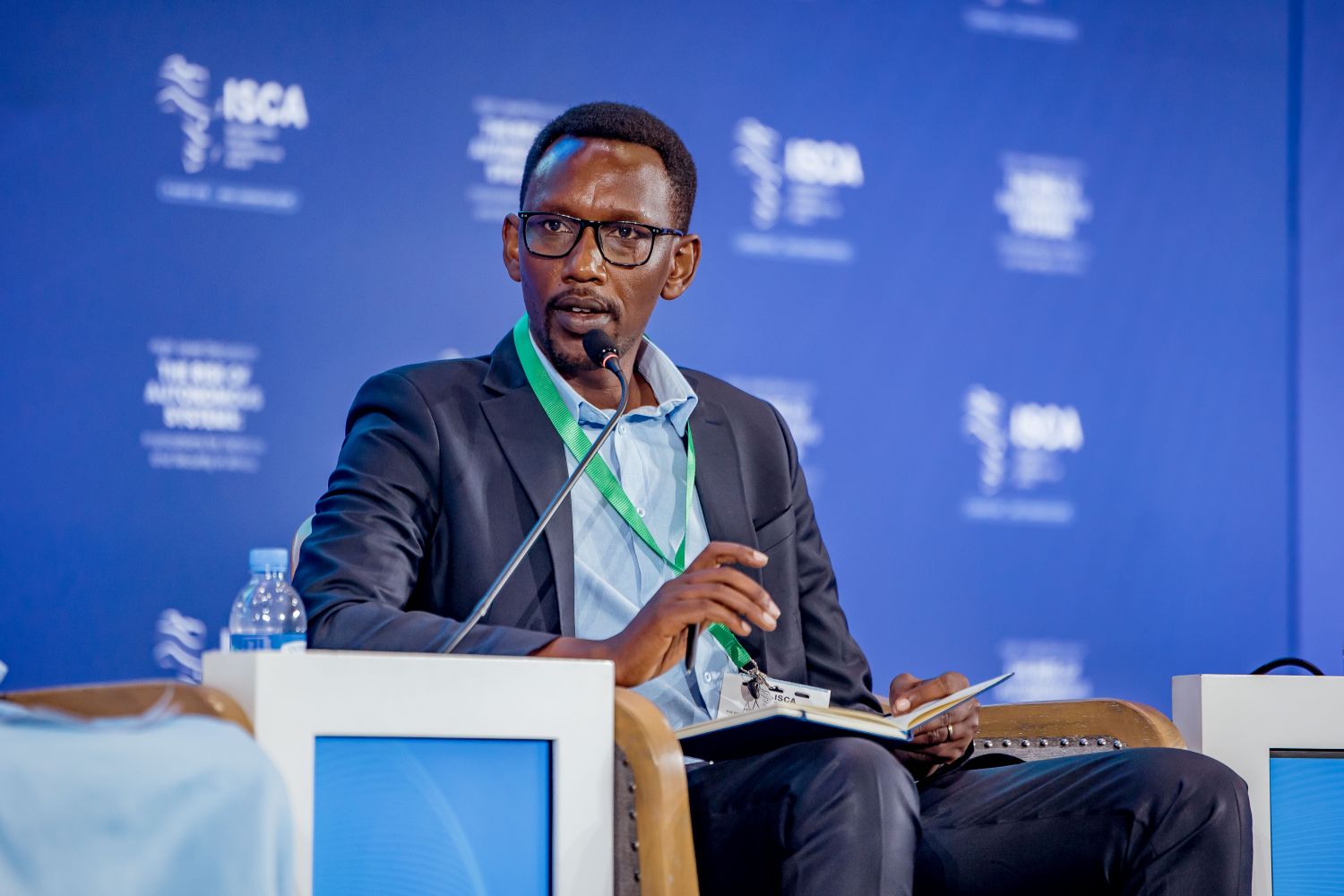
Drawing from his work in computer vision, he explained that AI models can perform differently when moved from one environment to another, making local expertise and contextualisation essential.
He also encouraged African institutions to give locally developed technologies greater opportunities to mature, arguing that African innovation cannot grow if funding and confidence consistently favour foreign products.
Rethinking doctrine and strategic autonomy
Dr. Paul-Simon Handy, Regional Director for East Africa and Representative to the African Union at the Institute for Security Studies, argued that autonomous systems should not simply be inserted into existing military structures.
'Adopting this technology is not just a matter of automating existing doctrines,' Handy maintained. 'Actually, we should rethink doctrines in light of this development.'
African states, he argued, need to identify the security problems they are trying to solve, determine which decisions can legitimately be delegated to machines and establish where meaningful human control must remain.
Handy also cautioned that countries should prepare to defend themselves against autonomous systems, not merely acquire them. A country that obtains drones without investing in counter-capabilities, he observed, may become more technologically equipped without necessarily becoming more secure.
He called for stronger regional cooperation, noting that no single African country can develop every component required for autonomous technologies. Strategic autonomy, he argued, does not mean manufacturing everything domestically but retaining sufficient knowledge, capacity and political freedom to understand and sustain critical systems.
Autonomy cannot simply be bought
Col. (Rtd) David Kanamugire, CEO of Rwanda's National Cyber Security Authority, warned against treating autonomous capability as a procurement exercise.
'We can't look at autonomy as a procurement problem. You can't buy autonomy. That's not possible,' Kanamugire stressed.
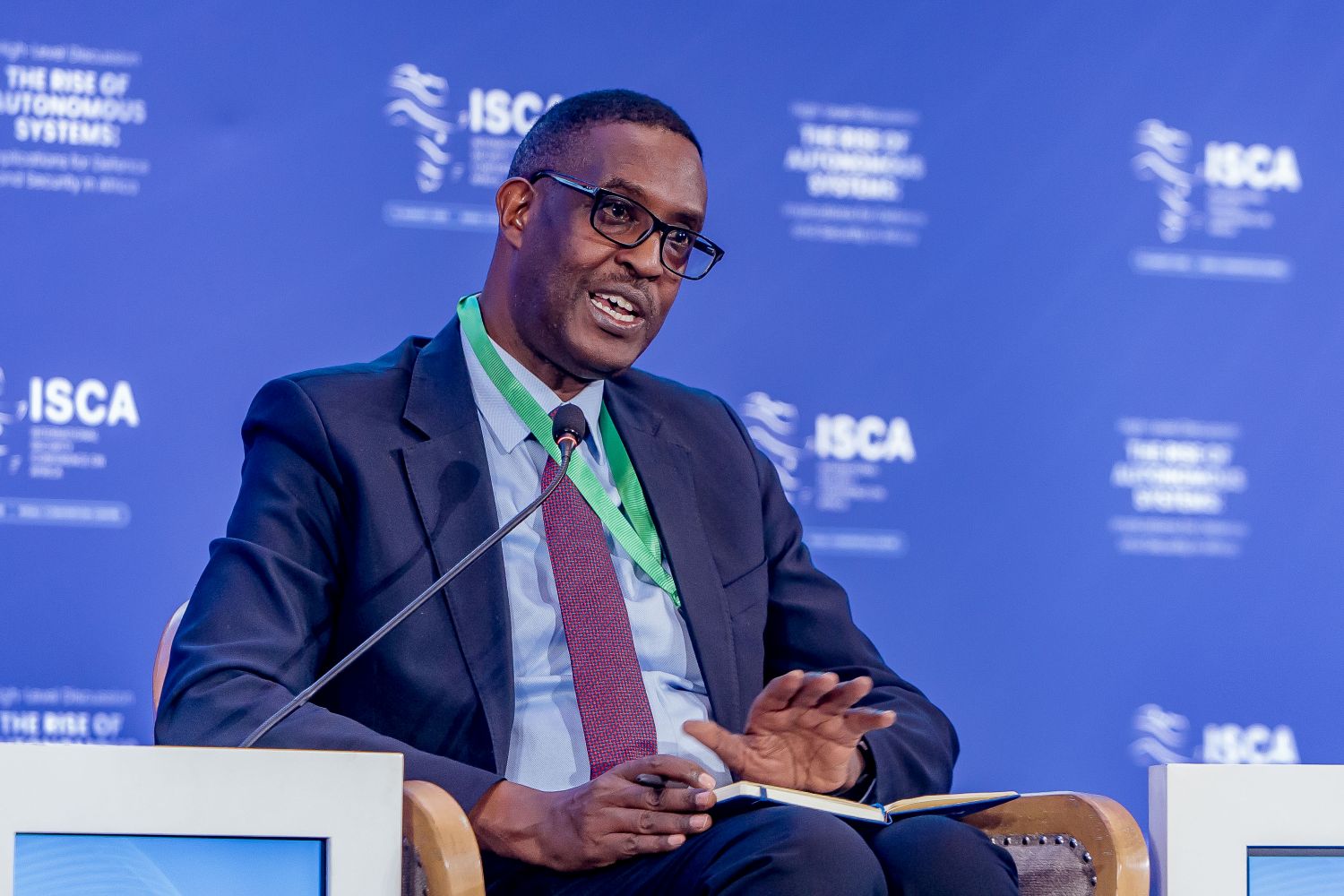
He identified data, computing power, talent and adaptable institutions as the foundations of genuine autonomous capability. Countries, he argued, need the ability to control and understand the wider technology stack, including sensors, communications and protection against cyber and electronic threats.
The discussions underscored that autonomous systems present Africa with both an opportunity and a growing security challenge. While they could strengthen surveillance, intelligence, border management, agriculture and other civilian services, they are also becoming accessible to non-state actors.
For the panellists, the central question is no longer whether autonomous technologies will transform African security, but whether African states will develop the talent, institutions, infrastructure and strategic cooperation required to shape that transformation on their own terms.