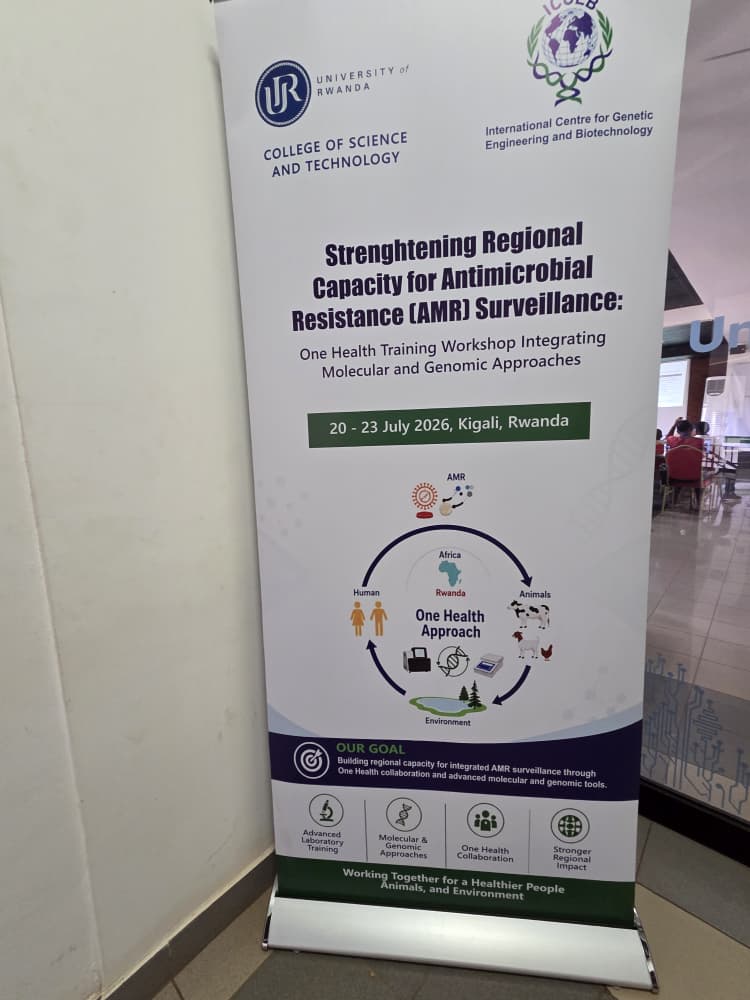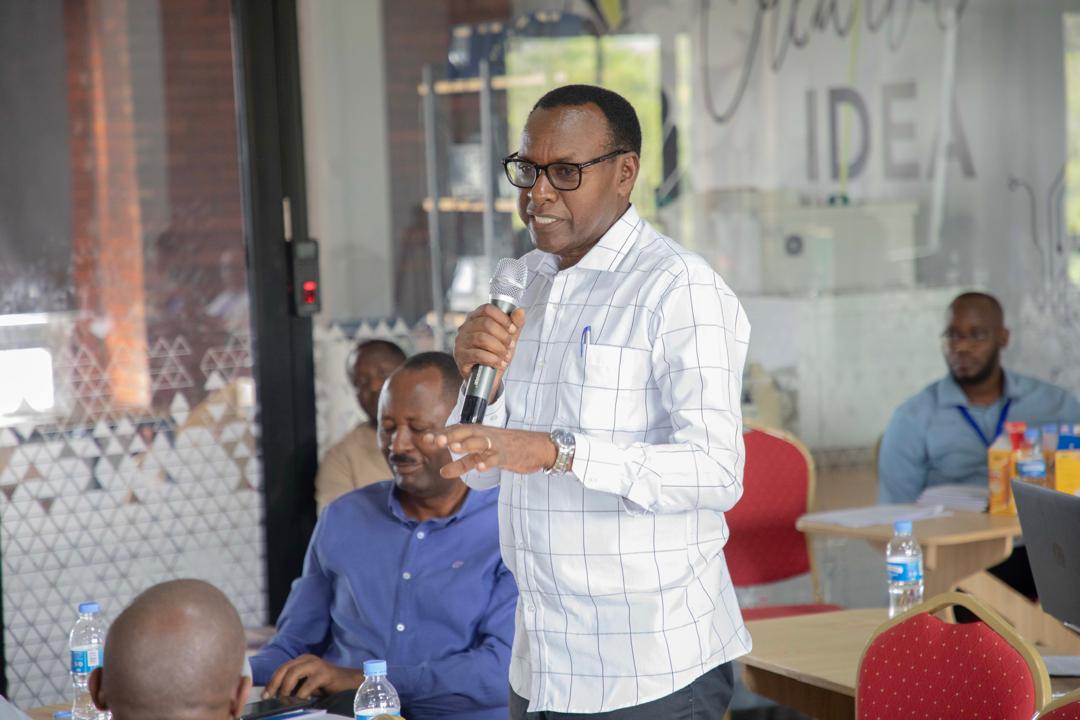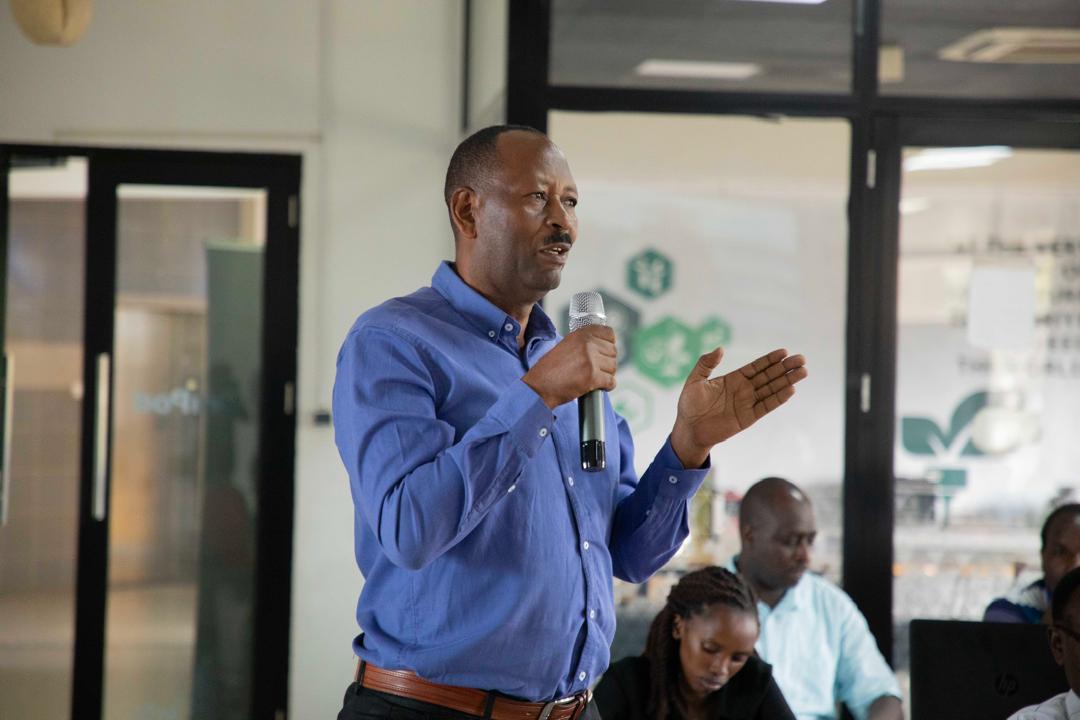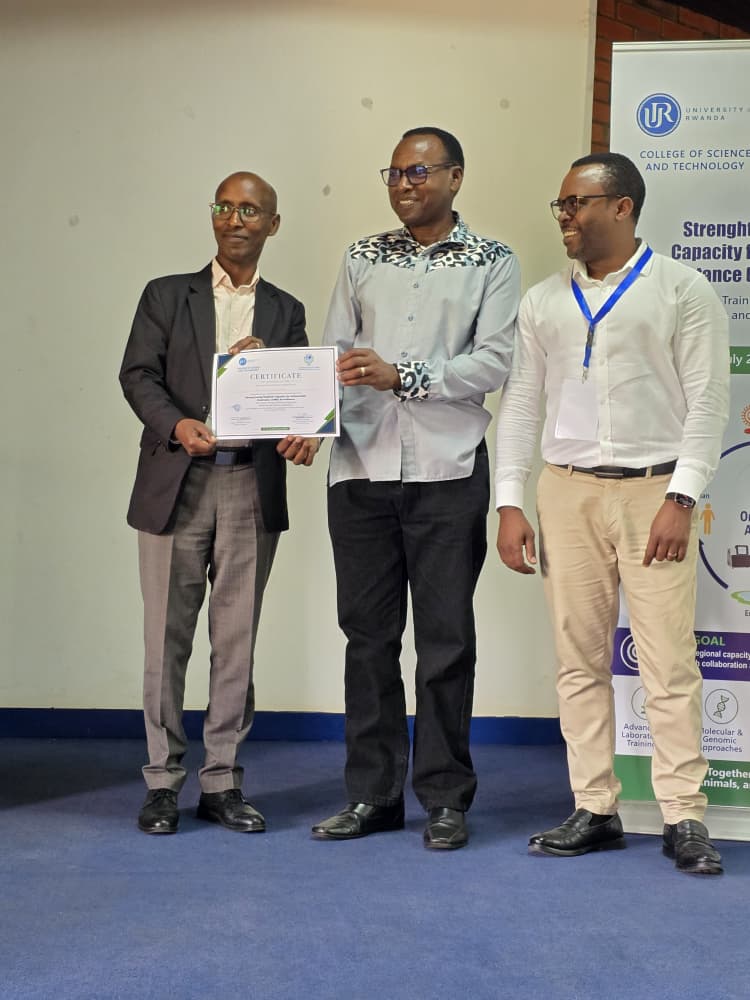

The four-day workshop, held from 20–23 July 2026 at UR-CST in Kigali, brought together 50 researchers, laboratory scientists, veterinarians, public health professionals, and academics from Rwanda, Ethiopia, Kenya, Tanzania, Burundi, and South Africa. Supported by funding from ICGEB and the University of Rwanda, the programme equipped participants with advanced knowledge and practical skills in molecular biology, genomics, bioinformatics, and integrated AMR surveillance.
Opening the workshop on behalf of the Dean of the School of Science, Prof. Banzi Wellars welcomed participants to the University of Rwanda and emphasized the importance of investing in scientific capacity to address AMR as one of today's most pressing public health challenges. He encouraged participants to make the most of the opportunity to learn from leading experts and to build lasting professional networks that will strengthen AMR surveillance and research across the region.
Representing ICGEB, Prof. Stefano Cacciatore reaffirmed the organization's commitment to supporting scientific excellence and capacity development in its member countries. He encouraged participants to take advantage of ICGEB's research grants, fellowships, and training programmes that promote innovation and international scientific collaboration.
Speaking during the opening ceremony, Prof. Dieudonné Mutangana, ICGEB Liaison Officer in Rwanda and the Head of Biology Department at UR, highlighted the growing threat posed by AMR and the need for coordinated regional action.
'This workshop represents a critical step in addressing a mounting global public health threat that transcends boundaries, affecting humans, animals, food systems, and our environment alike.'
He commended the collaboration between UR and ICGEB for bringing together international and local expertise to strengthen Africa's scientific capacity to respond to AMR.
Presenting the objectives of the workshop, Dr. Jean Paul Nshizirungu, the workshop coordinator, stressed that AMR requires collective action across institutions and borders. He noted that beyond strengthening technical competencies in AMR surveillance, the training was designed to foster long-term regional partnerships that will advance collaborative research, knowledge sharing, and evidence-based public health interventions.
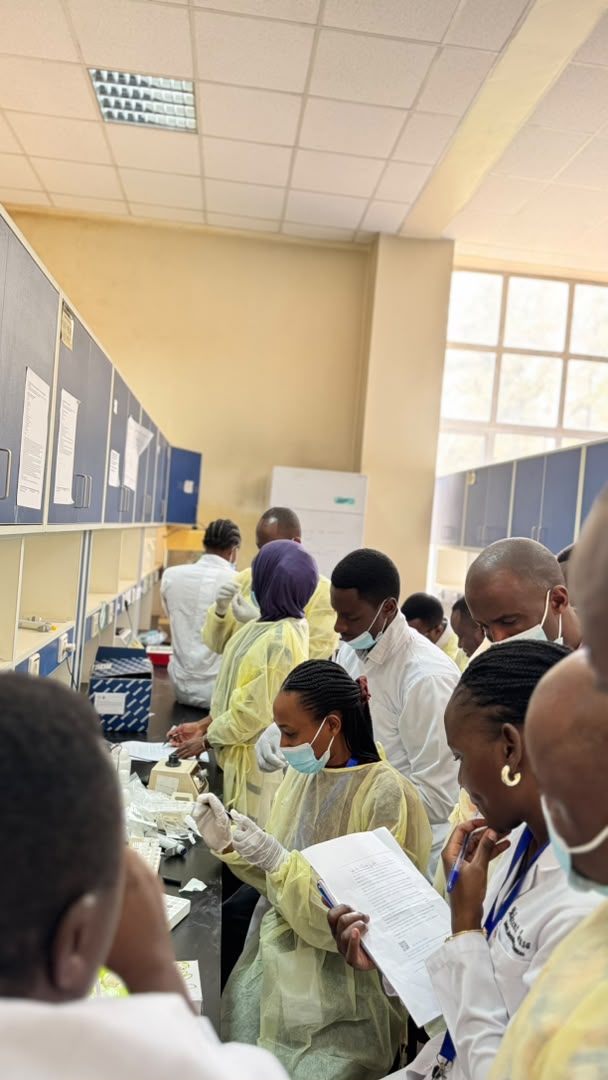
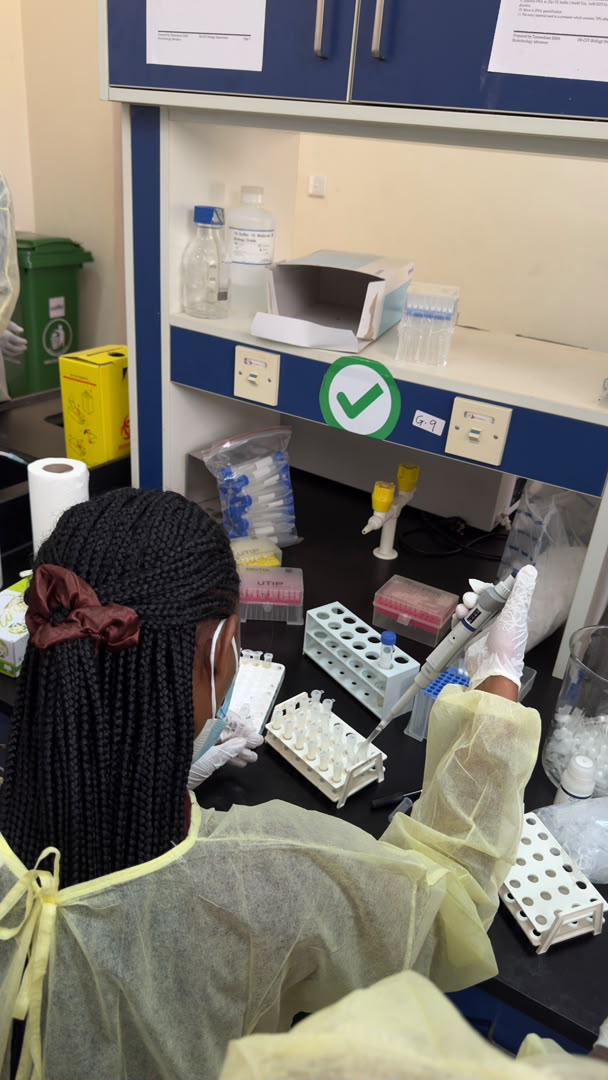
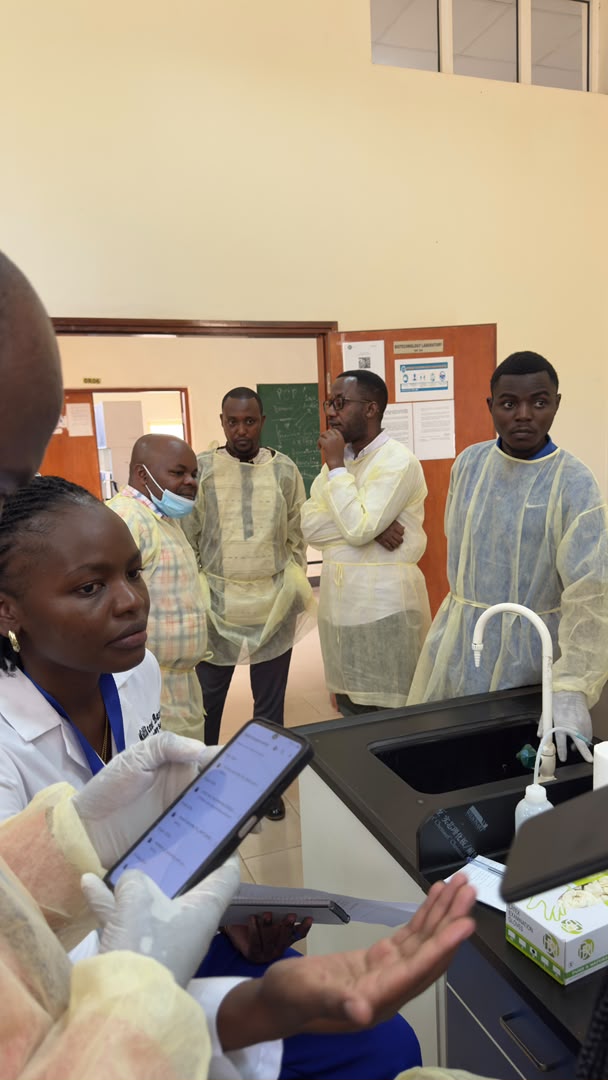
Throughout the programme, participants engaged in expert-led lectures and intensive laboratory practical sessions covering AMR from national, regional, and global perspectives.
The training focused on mechanisms and drivers of AMR, AMR surveillance data collection and analysis, molecular diagnostics, genomics and sequencing technologies, bioinformatics for AMR gene analysis, the One Health approach, and strategies for preventing AMR.
Speaking at the closing ceremony, the Principal of the UR-CST, Prof. Gatare Ignace, commended the organizers, facilitators, and participants for their commitment to strengthening regional scientific capacity. He encouraged participants to apply the knowledge and practical skills acquired during the workshop to improve AMR surveillance systems within their institutions and countries, emphasizing that the workshop's impact would ultimately be reflected in stronger public health systems and enhanced research collaboration.
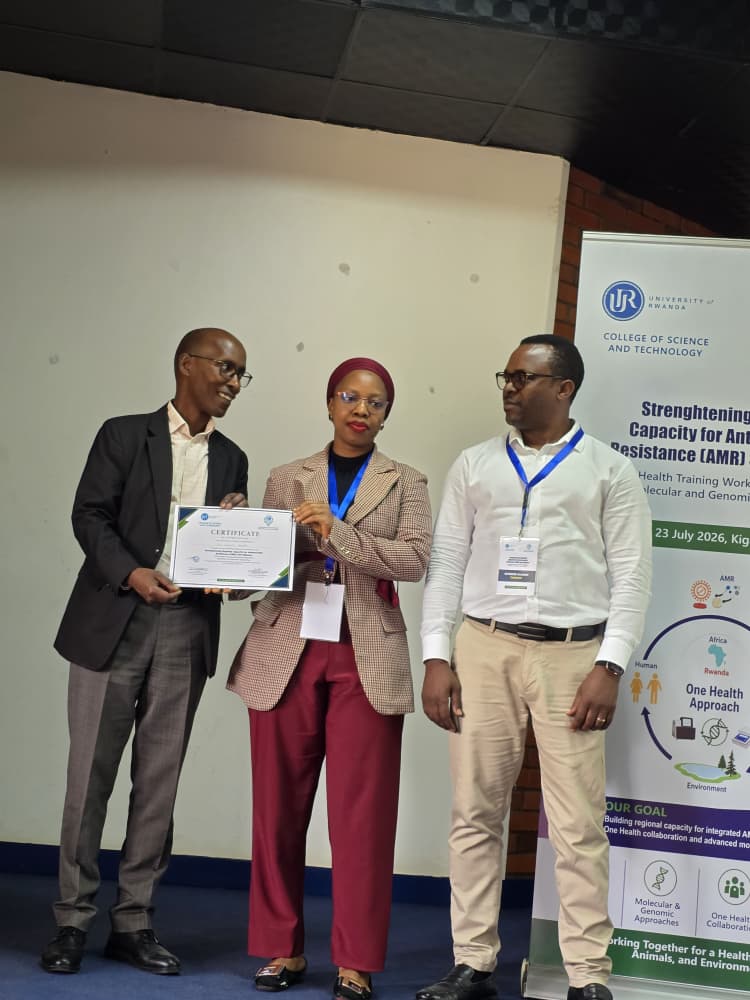
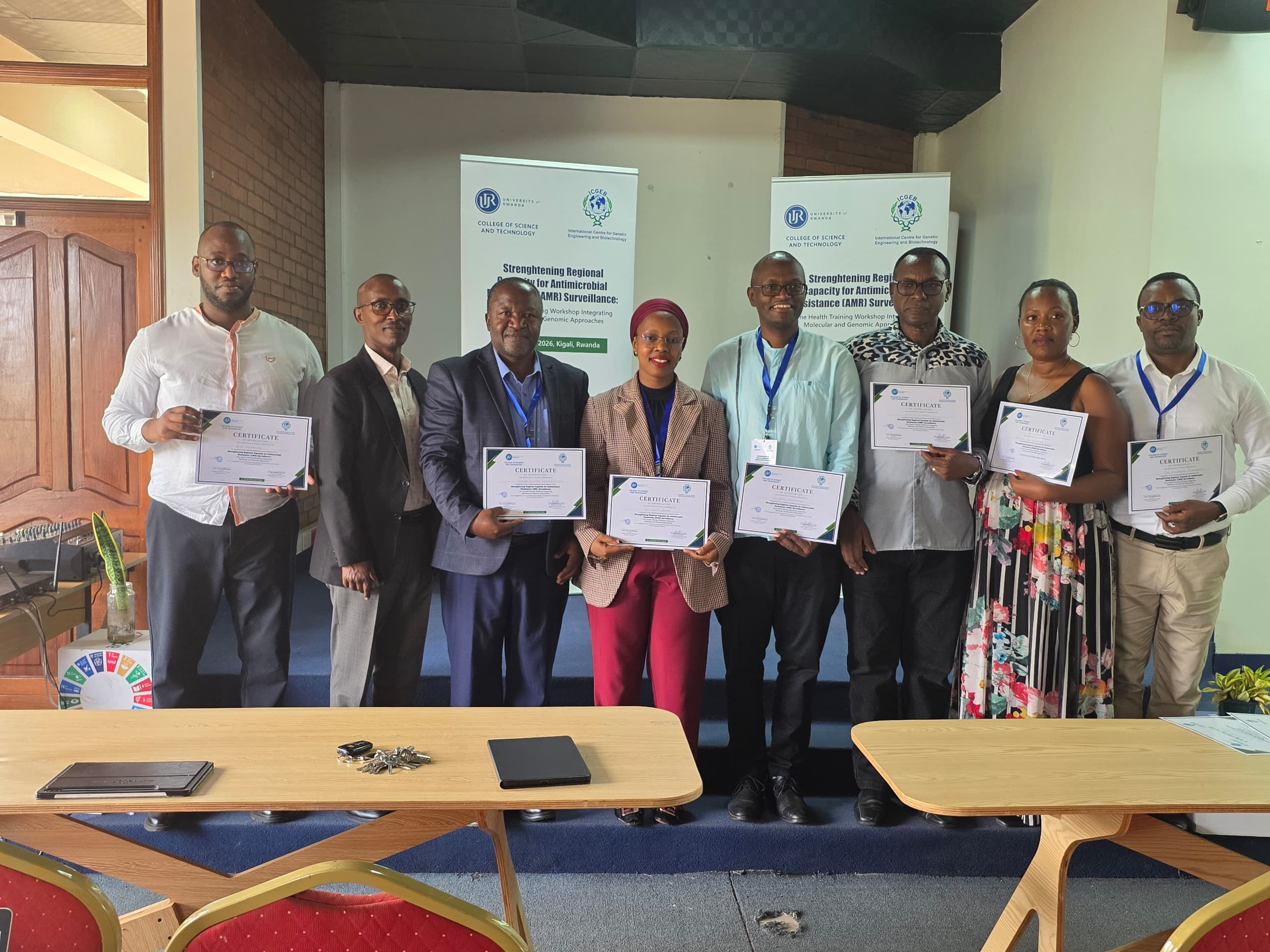
The workshop concluded with the awarding of certificates to participants, recognizing the successful completion of the intensive training programme.
Participants reaffirmed their commitment to strengthening collaboration, advancing research, and applying the knowledge gained to enhance antimicrobial resistance surveillance and response across the region.
By bringing together experts and participants from six African countries, the initiative underscores the University of Rwanda's commitment to advancing scientific excellence, promoting regional partnerships, and developing the skilled human resources needed to address complex global health challenges.
The collaboration with ICGEB reflects a shared vision of strengthening Africa's capacity to combat antimicrobial resistance through innovative research, knowledge exchange, and the One Health approach.