
For women of childbearing age, the challenges multiply: fears of birth defects from medications, risks of seizures harming mother or child, and questions about inheritance and breastfeeding have long cast a shadow over dreams of motherhood.
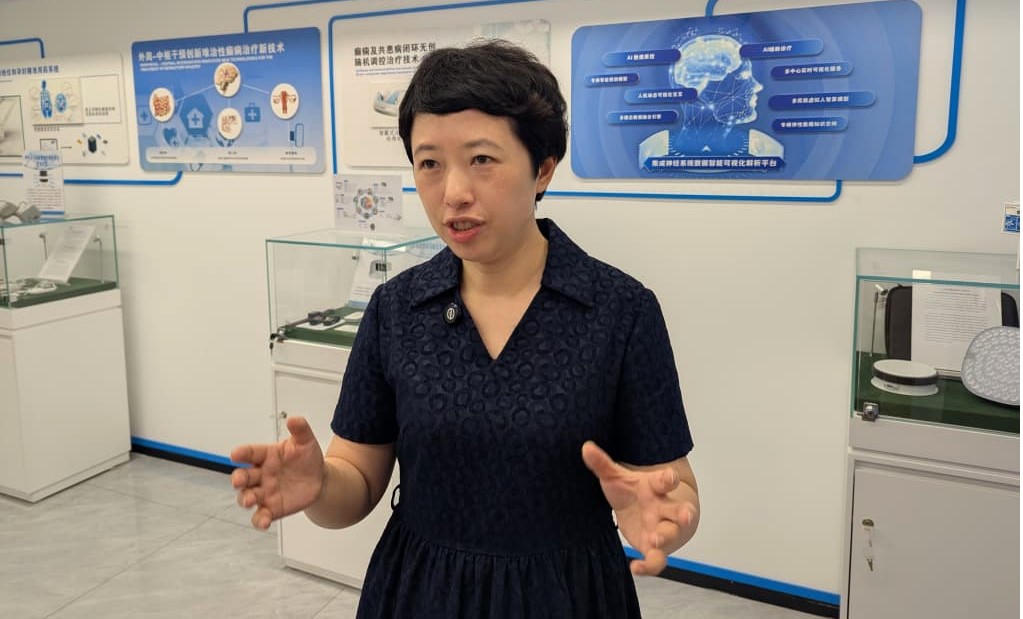
For Chinese neurologist Dr. Chen Lei, chief physician and professor in the Department of Neurology at West China Hospital of Sichuan University based in Chengdu City, these questions became more than medical concerns. They became a lifelong mission.
With more than 20 years of experience in clinical and basic research on epilepsy, Dr. Chen has dedicated much of her career to helping women living with epilepsy safely become mothers while advancing new approaches for patients whose seizures remain difficult to control.
Her journey began in 2010, when she was expecting her first child.
During a routine prenatal visit, Dr. Chen encountered three pregnant women with epilepsy who were searching for answers.
They asked whether their children would inherit epilepsy, whether anti-epileptic drugs could cause birth defects, and whether they would still be able to breastfeed.
'As a mother myself, I understood their fears,' Dr. Chen recalls during an interview with IGIHE. 'But as a neurologist, I realised I could not answer their questions. I could not find the answers in textbooks or specialised epilepsy books.'
From a mother's question to a lifelong research mission
That moment changed the direction of her career.
At the time, research on epilepsy among women of reproductive age was limited. Dr. Chen began reviewing available international studies, translating scientific knowledge into Chinese and searching for evidence that could guide both doctors and patients.
After reviewing the available literature, which at the time included only around 200 research papers published annually on the topic, Dr. Chen compiled the evidence and combined it with her own clinical insights.
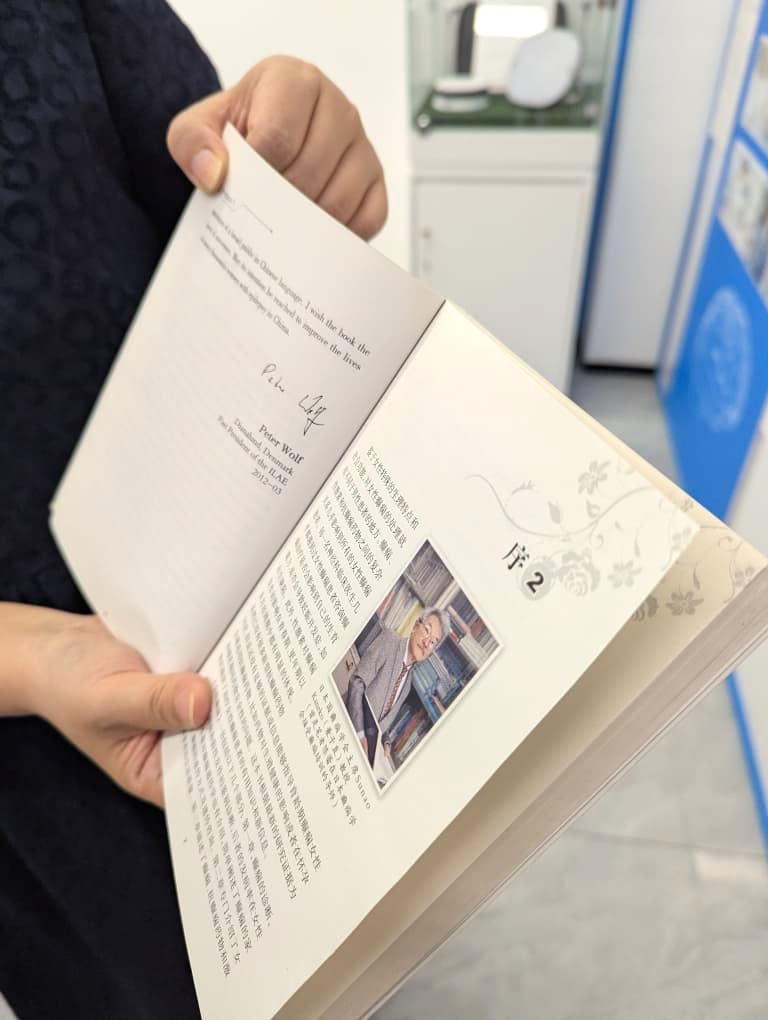
One year later, in 2011, she published China's first clinical reference book dedicated to women with epilepsy, providing doctors with practical guidance on pregnancy, treatment and reproductive health management.
However, Dr. Chen soon realised that medical literature alone could not answer every question faced by patients.
After the book was published, many women and their families came to seek her advice.
'They asked, 'How can my daughter who has epilepsy have a healthy baby?'' Dr. Chen says. 'But I could not give them a confident answer because I only had knowledge from books and literature, without enough practical experience.'
To address this gap, Dr. Chen began building a patient cohort, registering women with epilepsy between the ages of 18 and 45 who wanted to have children.
This work later developed into Asia's first registry and long-term follow-up database for women with epilepsy, creating a foundation for years of research into pregnancy outcomes, medication safety and the health of children born to mothers with epilepsy.
Through the research, Dr. Chen and her team identified challenges that extended beyond medical complications. Many women had lived for years with fear and uncertainty, while some families struggled emotionally because they believed epilepsy would prevent them from having children.
'Some patients had been trying for five or ten years without success,' Chen says. 'Some cried in the clinic with their families, and sometimes husbands cried too, even talking about divorce because they could not have children.'
Driven by the belief that women with epilepsy deserved the opportunity to experience motherhood safely, Dr. Chen expanded research into treatment approaches, including how anti-epileptic drugs should be used during pregnancy and how medication dosages could be adjusted to protect both mothers and babies.
Her team's findings have since contributed to epilepsy management guidelines in China and internationally through collaboration with the International League Against Epilepsy.
In recognition of her scientific contribution and commitment to public service, Chen was named in May 2026 among China's 'Most Beautiful Sci-Tech Workers,' an honour recognising researchers who combine innovation with social impact.
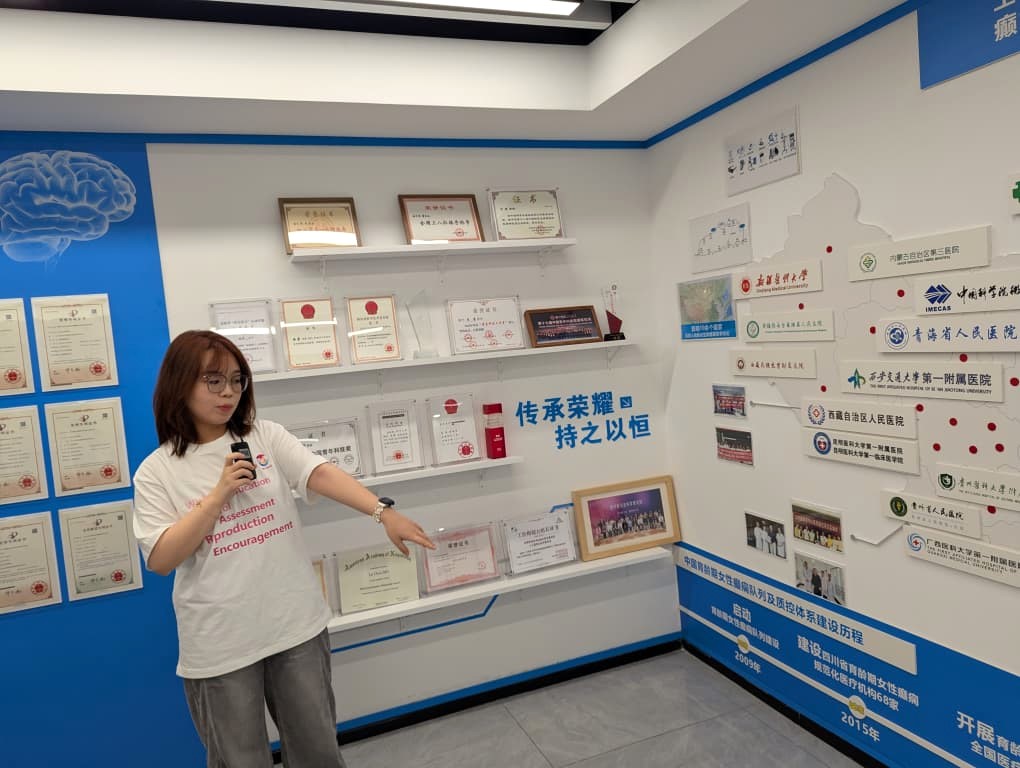
Today, the work she started has grown into a wider medical network. More than 300 hospitals across China follow treatment standards developed through her research, while doctors and students continue to receive training in managing epilepsy among women of reproductive age.
'Women with epilepsy can now safely carry a pregnancy to term,' Dr. Chen says. 'During pregnancy, they have fewer seizures, their children are born healthier, and rates of disability and mortality have also declined.'
Expanding epilepsy research beyond pregnancy
Beyond women's epilepsy, Chen has expanded her research to patients whose seizures cannot be controlled through medication, known as drug-resistant epilepsy.
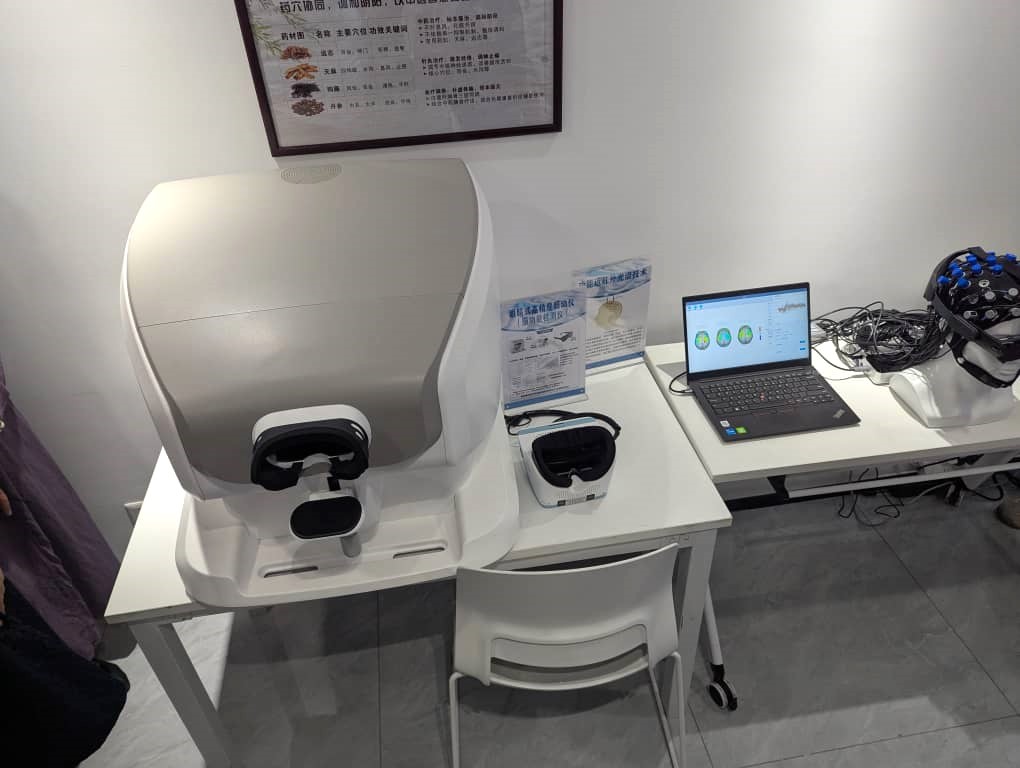
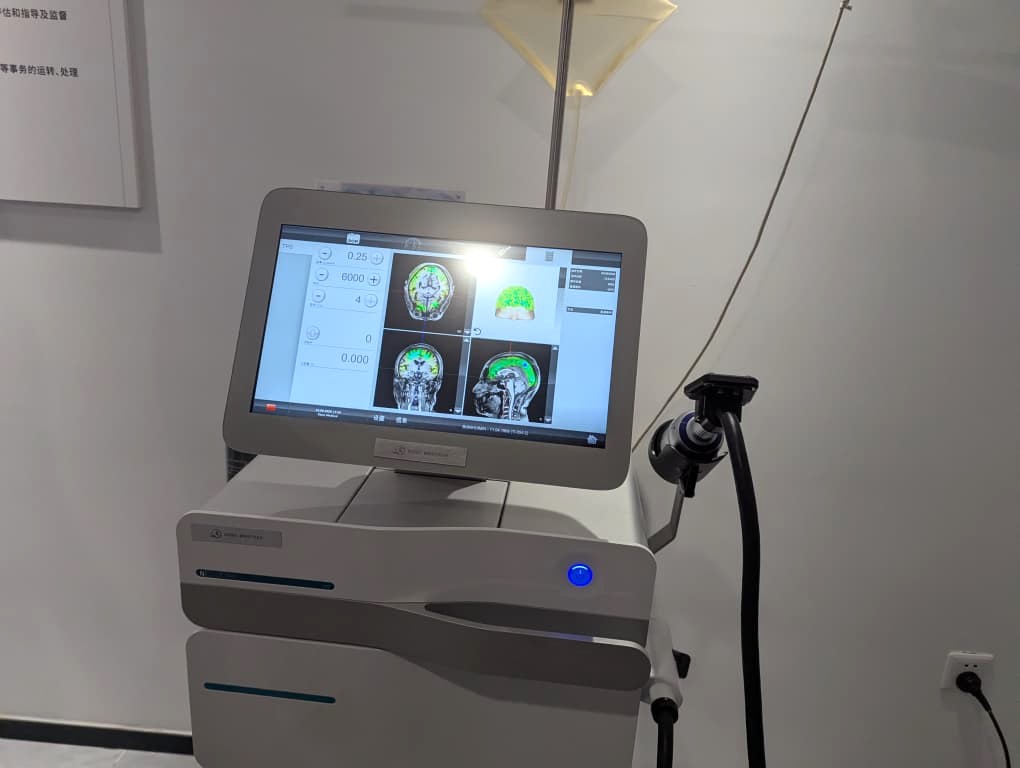
Her team has explored new treatment approaches, including minimally invasive procedures and the use of advanced technologies combining brain imaging, Electroencephalogram (EEG) data, movement information and blood biomarkers to better understand and predict seizures.
One area of research she highlights is the discovery of protein biomarkers that may predict seizures a day before they occur, potentially allowing patients to monitor their condition outside hospitals.
'EEG monitoring can only be used in hospitals, but these biomarkers can be used at home,' Chen explains. 'Every community could use this to help patients.'
She is also involved in research on brain-computer interfaces (BCI), a rapidly developing field that uses brain signals to create communication between the brain and external devices.
For Dr. Chen, the goal is not only to control seizures but to improve quality of life throughout a patient's lifetime.
'Even if seizures are controlled now, they may return later,' she says. 'We need more and more new methods to help them live a high-quality life for their whole lifetime. That is their dream, and it is also my dream.'
Taking epilepsy knowledge beyond borders
Dr. Chen's research has also been shaped by international cooperation. The first preface of her book on women's epilepsy was written by Peter Wolf, former president of the International League Against Epilepsy, while other mentors from Japan and Harvard University have also influenced her scientific journey.
Looking ahead, Dr. Chen believes knowledge-sharing can help address epilepsy challenges beyond China's borders, including in Africa.
As 2026 marks the China-Africa Year of People-to-People Exchanges, she sees healthcare as an important area for collaboration.
'As a Chinese doctor, I want to contribute my knowledge to this collaboration,' she says. 'In the future, we can establish summer schools or educational programmes to welcome doctors and students from Africa to China. We can also go to African countries to help patients and doctors.'
For Dr. Chen, medicine is ultimately about connection, between doctors and patients, between countries and between generations of researchers working toward the same goal.
'I think communication is very important,' she says. 'If we work together, it will be very good.'
Through years of research, mentorship and patient care, Dr. Chen Lei has helped transform epilepsy from a condition surrounded by fear into one where women can look forward to motherhood with greater confidence and hope.