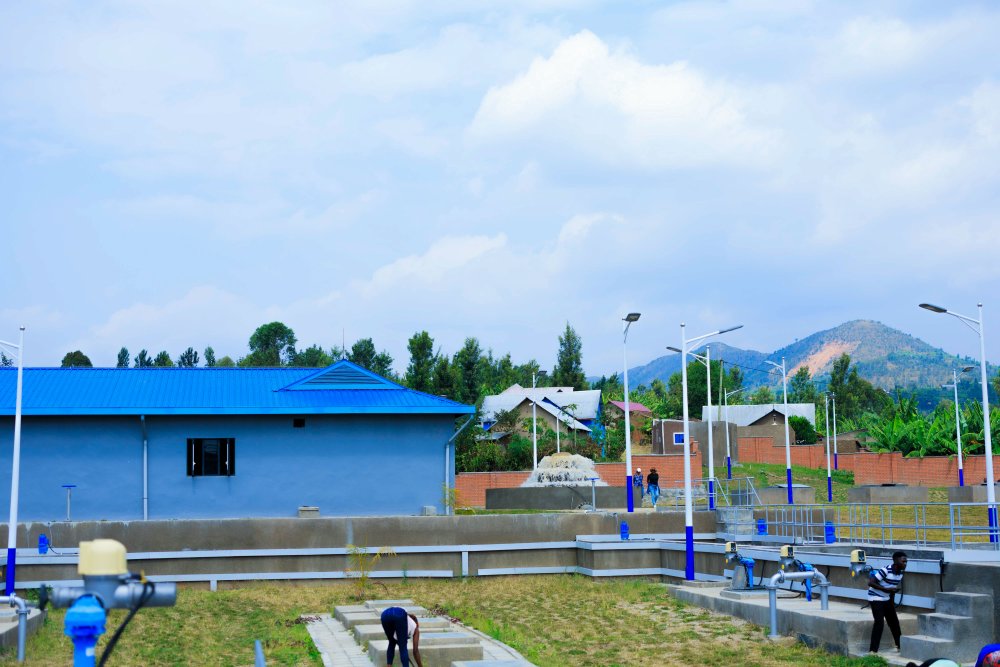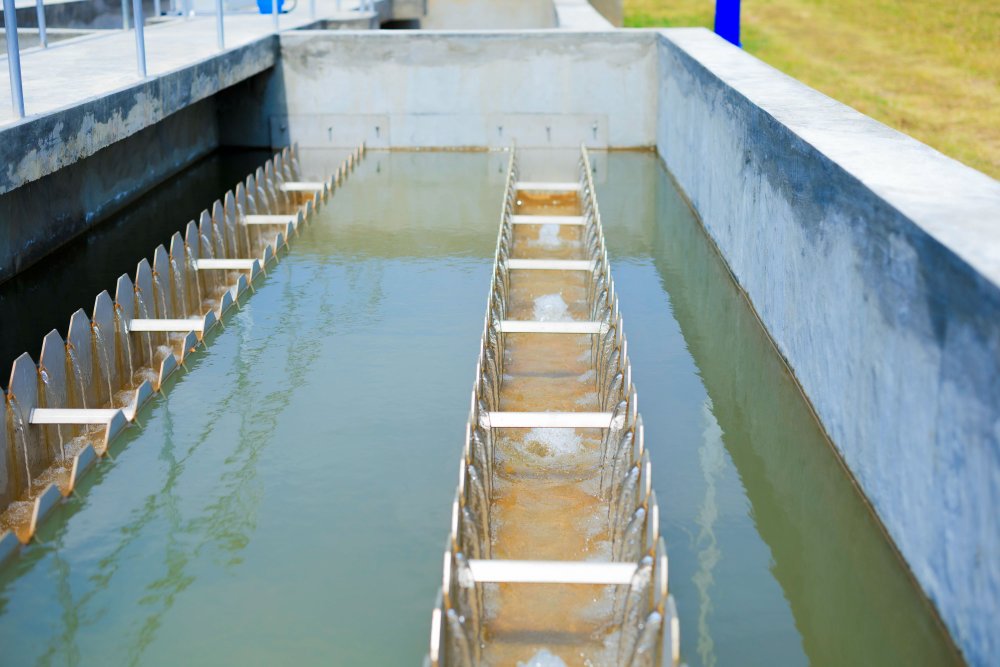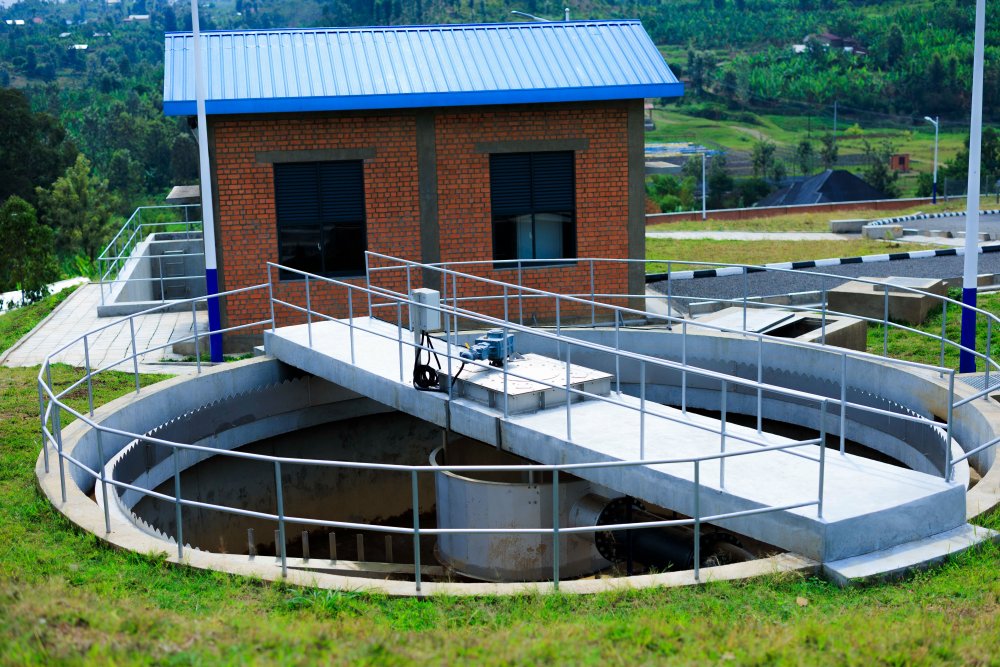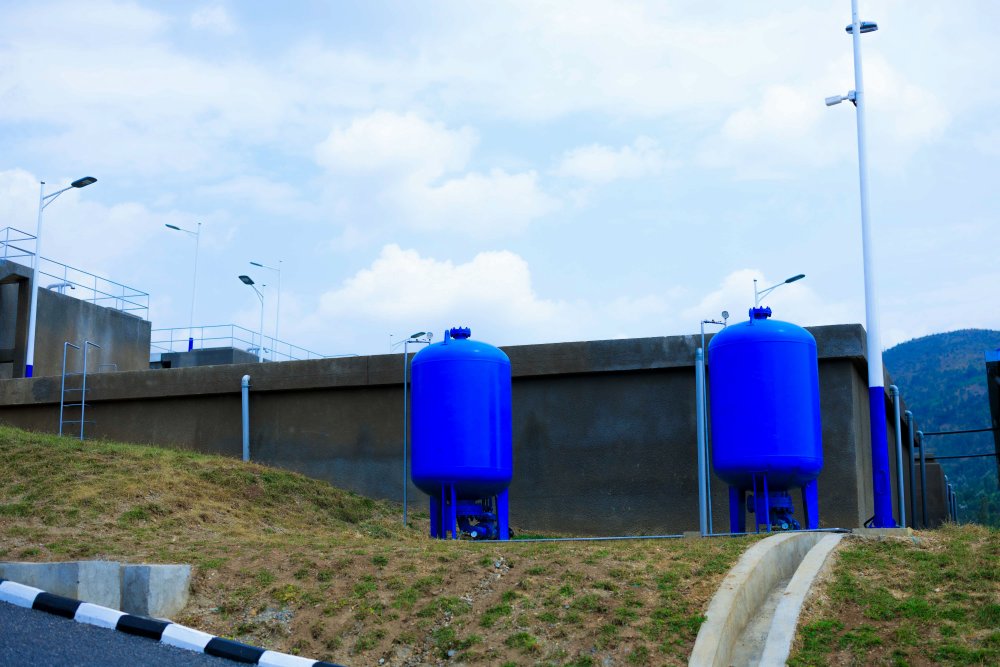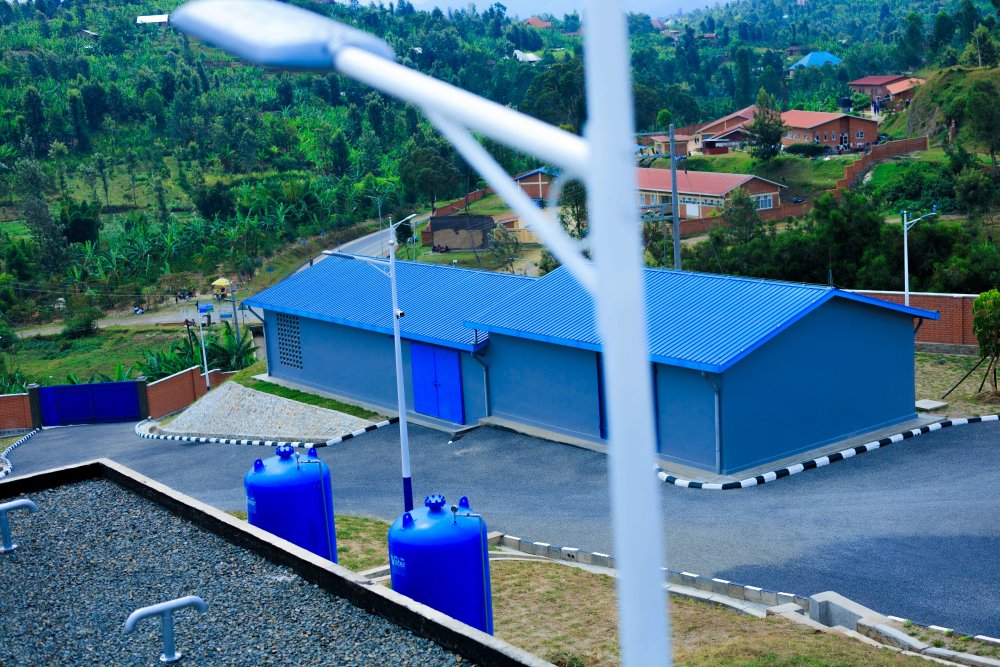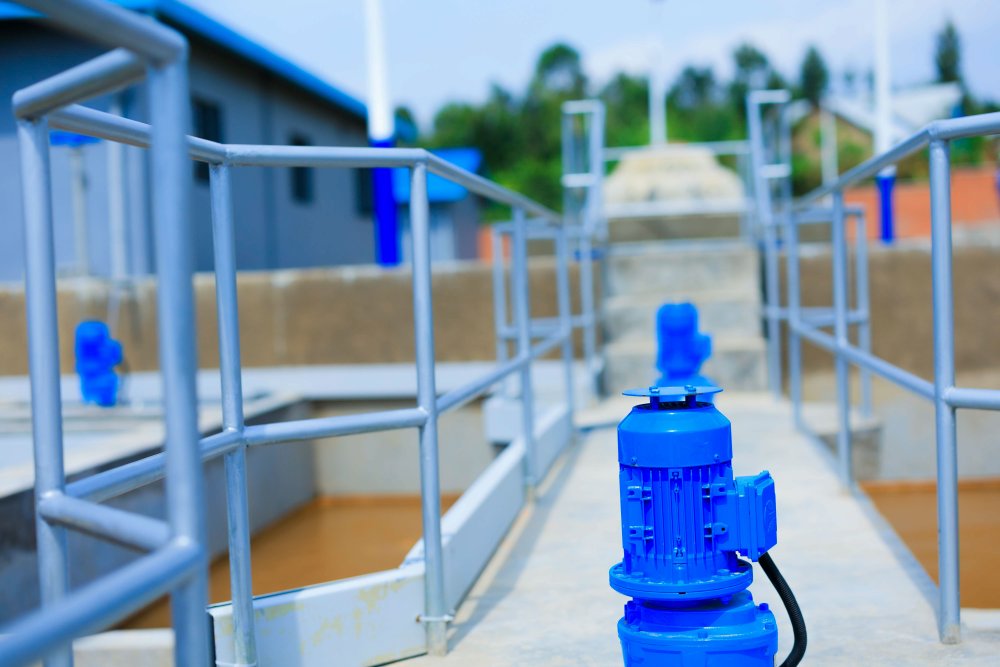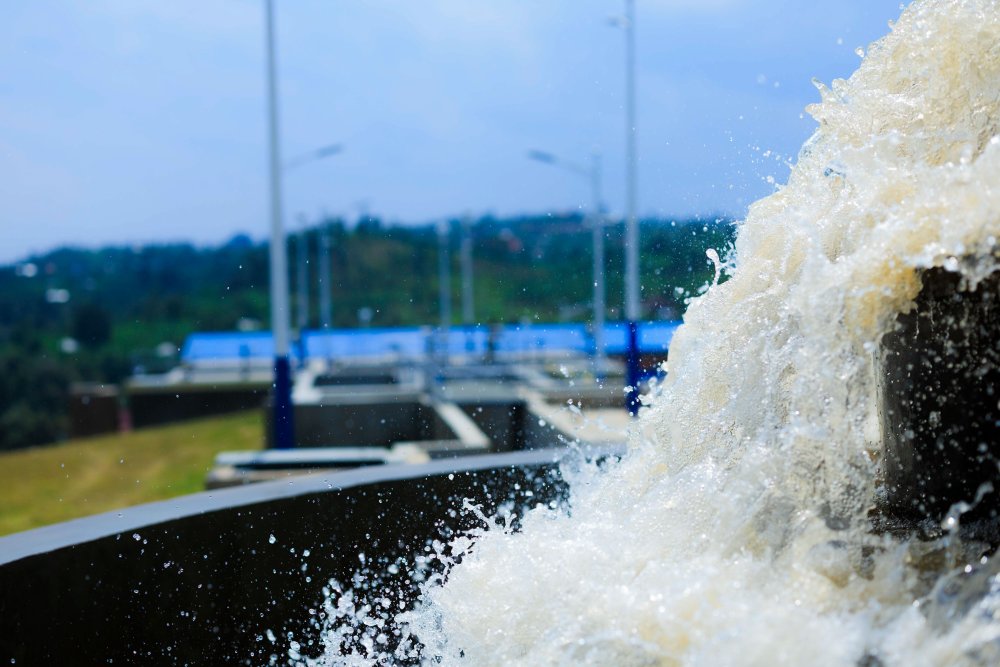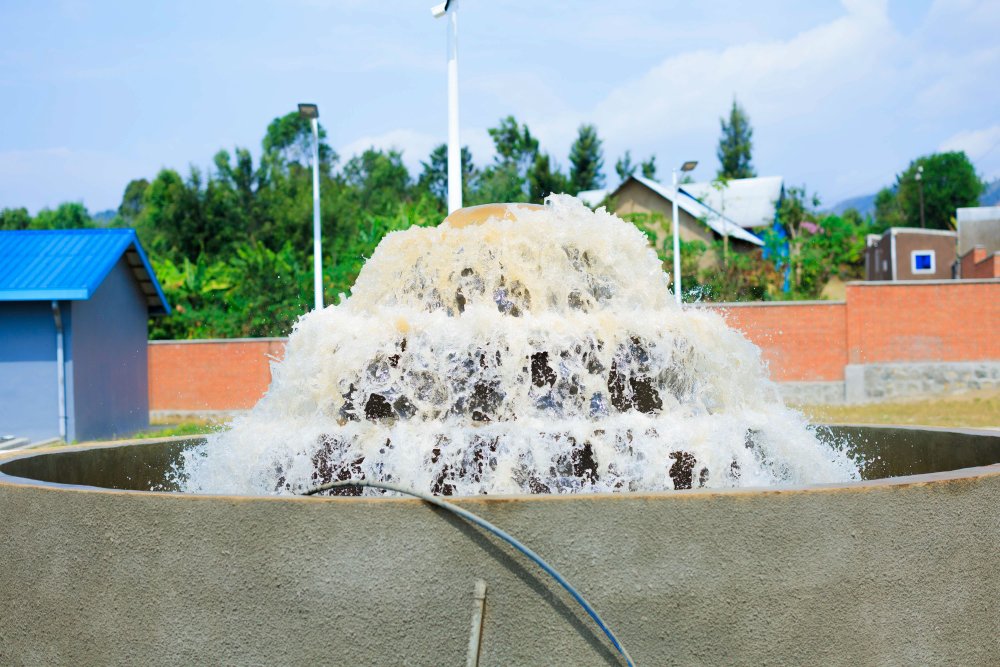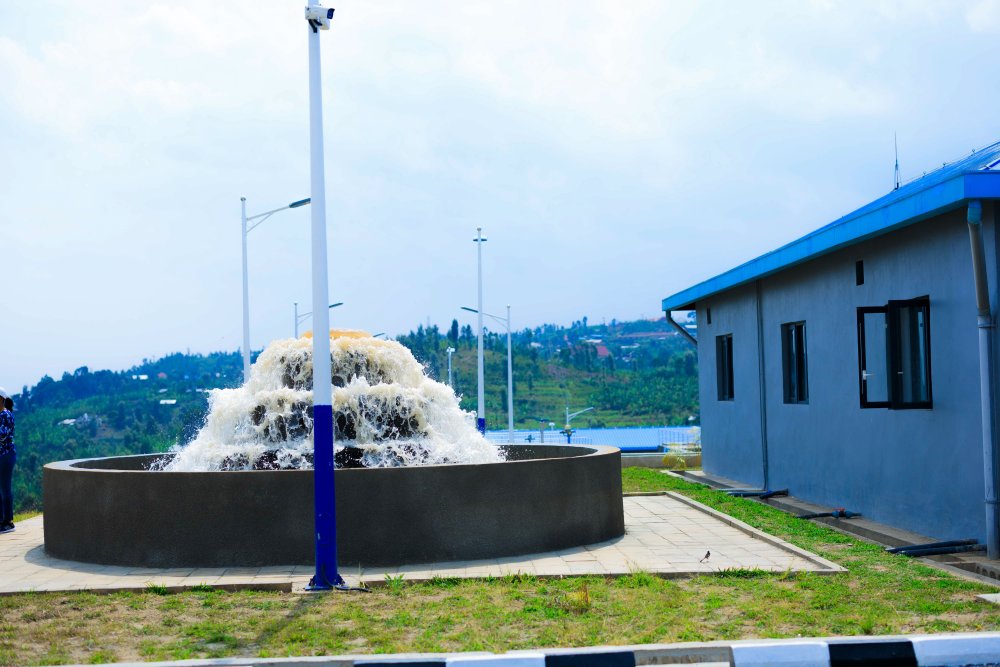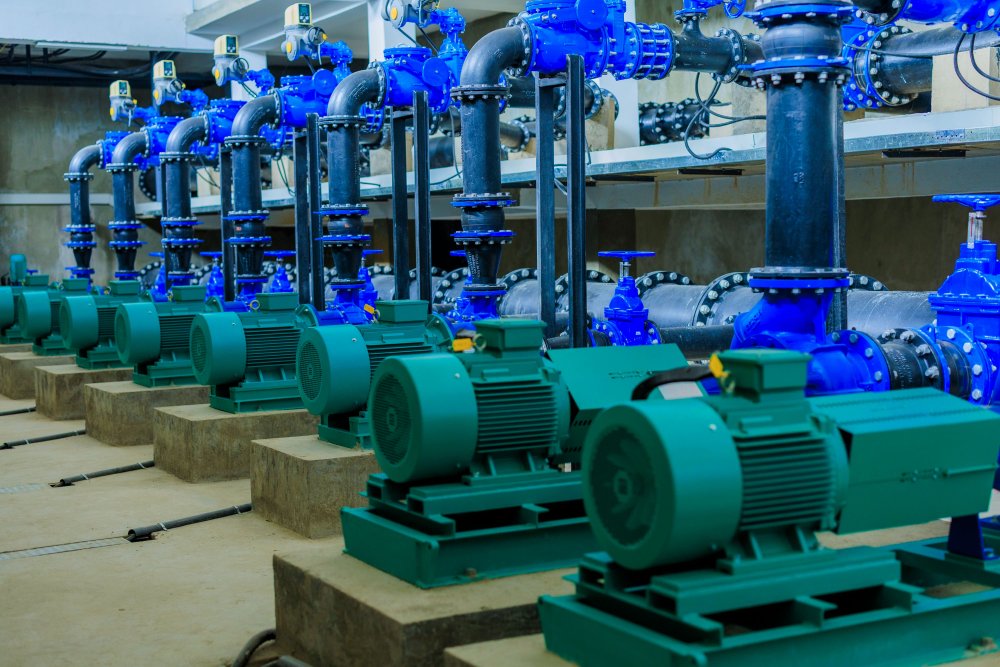

The ministry said the completion of the plant marks a significant step in expanding access to safe and reliable water supply in different parts of Rwanda.
The facility has the capacity to treat 13,000 cubic metres of water, increasing the availability of clean water for communities and supporting efforts to improve public health and sanitation.
The completed works represent the first phase of the Kivu Belt Water Supply System project, which is expected to provide clean water to more than 130,000 people once fully implemented.
'Beyond improving household access to clean water, the project will also strengthen service delivery for health facilities, schools, hotels, businesses, and other public institutions, supporting improved public health and socio-economic development,' the ministry said.
The Rwandan government has continued to invest in expanding access to clean water and improving sanitation services, with the goal of ensuring that all citizens have sustainable access to safe water.
As part of efforts to address water supply challenges, the government has announced plans to increase clean water production capacity to 688,000 cubic metres per day by 2029.
WASAC, Rwanda's water and sanitation utility, indicates that approximately 1,234 cubic metres of water that could be treated daily by existing facilities is currently unavailable due to ageing infrastructure.
To address these challenges, authorities are implementing measures including the expansion and rehabilitation of water treatment facilities and distribution networks. These efforts aim to reduce water losses before reaching consumers from the current 35 percent to 25 percent by 2029.