

The United Nations International Residual Mechanism for Criminal Tribunals (IRMCT) announced Kabuga's death on the evening of May 16, at around 6:00 p.m.
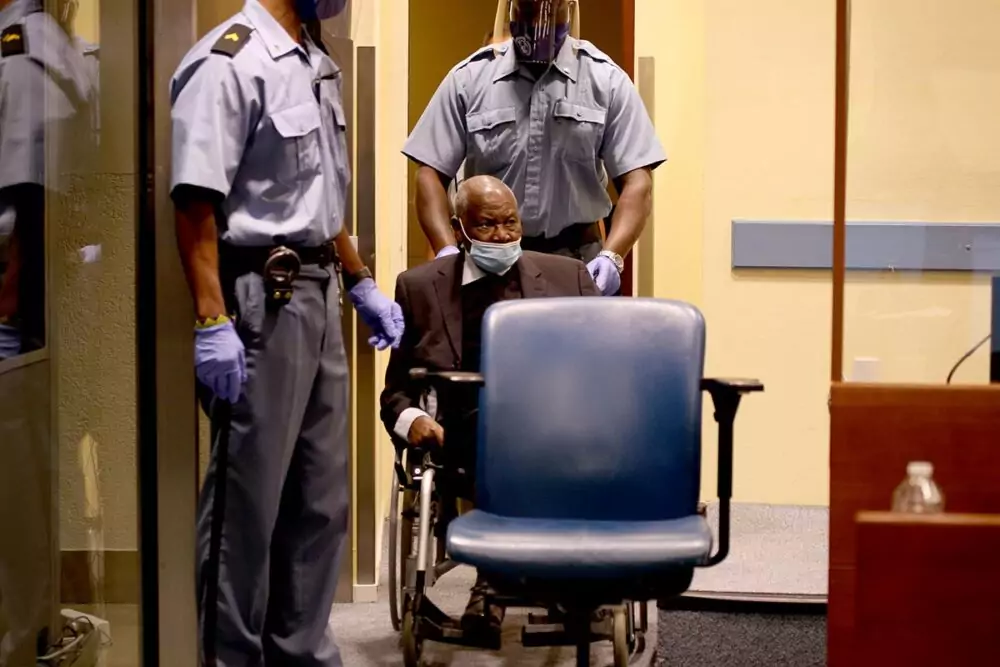
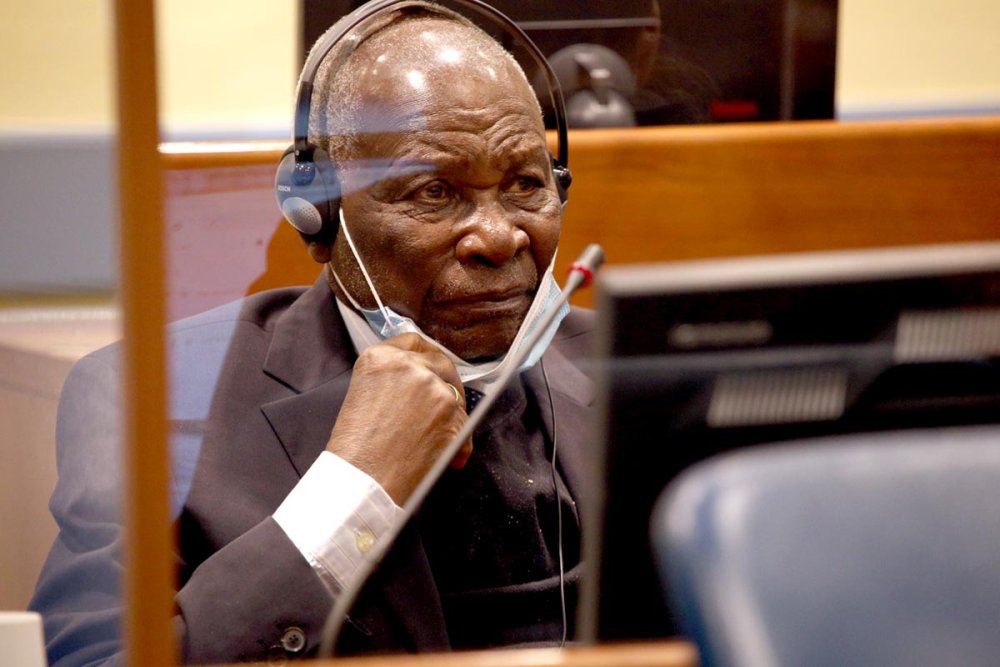
Kabuga died nearly three years after the IRMCT suspended his trial, ruling that he was no longer mentally fit to stand trial due to age-related health conditions, including memory loss.
Following his death, the IRMCT permanently closed his case and appointed Judge Alphons Orie to investigate the circumstances surrounding his death.
On July 6, Orie submitted a 16-page report to IRMCT President Graciela Gatti Santana detailing the events before, during, and after Kabuga's death.
The report was based on interviews with staff members and officials at the UN detention facility, as well as other available information, and aimed to determine whether there were any suspicious circumstances surrounding his death.
According to the report, on the morning of May 16, 2026, at around 8:30 a.m. Dutch time, staff members from Haaglanden Prison Hospital visited Kabuga's room as part of their routine duties to assist him with personal care and provide him with breakfast.
At 11:13 a.m., Kabuga, with assistance from a UN prison staff member, made a phone call to one of his daughters. The conversation lasted about seven minutes.
At around noon, a staff member entered Kabuga's room and served him lunch, which included rice, carrots, meat, tea, and yoghurt. The staff member then left the room and locked the door.
About 50 minutes later, at 12:50 p.m., another staff member looked through the observation window on Kabuga's door and saw him sitting in his wheelchair with his head tilted. The staff member believed he was asleep.
A short time later, the door was opened and a cleaner was allowed to enter the room. Inside, the cleaner noticed that Kabuga had not finished his meal or the dessert that came with it.
When they checked on him more closely, they discovered that he was no longer breathing and immediately alerted their supervisors.
Because there were no cameras inside Kabuga's room, investigators reviewed surveillance footage from outside the room. The footage showed that no one had entered the room after Kabuga was served lunch.
At 12:51 p.m., a nurse informed the doctor on duty about Kabuga's condition. The doctor went to the room, checked him, and confirmed within about one minute that he had died.
Following confirmation of Kabuga's death, prison officials began coordinating their response. At 12:59 p.m., the prison director ordered that Kabuga's room be secured and that anyone entering or passing near the area be recorded.
Later that evening, at 10:20 p.m., the room was reopened for further examination. A forensic doctor entered the room accompanied by another medical professional, two nurses, and two prison officers.
The forensic doctor examined the room and found no signs of violence, struggle, or any object that could suggest Kabuga had been harmed.
Kabuga was found still sitting in his wheelchair, with part of his meal unfinished.
The medical team moved his body onto a bed and carried out an external examination, checking his head, eyes, mouth, neck, torso, and other parts of his body.
No injuries or signs of mistreatment were found, leading the doctor to conclude that Kabuga most likely died from natural causes.
At 10:37 p.m., the forensic doctor completed the examination and left the room.
Shortly after midnight, at 12:22 a.m., the prison director authorised the transfer of Kabuga's body to a nearby mortuary after determining that no criminal investigation was necessary.
At 2:17 a.m., his body was removed from the detention facility and transferred to a mortuary in The Hague.
Investigators concluded that an internal autopsy, including tests to determine whether he had been poisoned, was unnecessary.
On May 20, 2026, a forensic specialist from Haaglanden issued another report confirming that Kabuga died from heart disease and that further examination was not required.
Orie said authorities in The Hague later issued an official death certificate, allowing Kabuga's body to be released from the Netherlands.
On May 28, Kabuga's family collected his body. Although Orie did not disclose where it was taken, reports later indicated that he was buried secretly in Waterloo, Belgium.
In his final assessment, Judge Orie informed the IRMCT president that Kabuga died of natural causes linked to several existing health conditions, including heart problems, and concluded that no further investigation into his death was necessary.
Source : https://new.igihe.com/english/investigation-details-felicien-kabugas-final-hours-before-death/
