
The country is the world's largest producer of cocoa, the essential raw material used in making chocolate and other related products.
Covering an area of 322,463 square kilometres, Côte d'Ivoire is home to more than 33 million people. It shares borders with five countries: Ghana to the east, Liberia and Guinea to the west, Mali to the north, and Burkina Faso to the north-east.
French is the official language and the most widely spoken language in Côte d'Ivoire.
The country is also home to numerous local languages, including Baoulé, Dioula, Dan, and Yacouba, among others. These indigenous languages are mostly spoken within specific communities and regions, while French serves as the main language of communication across the country.
For foreigners who do not speak French, adapting to life in Côte d'Ivoire can be challenging, as English is not commonly spoken by a large part of the population.
Economically, Côte d'Ivoire is one of the strongest economies in West Africa, with a gross domestic product (GDP) exceeding $95.4 billion. The average income per person is estimated at more than $2,900 annually.
The services sector remains the largest contributor to the country's economy, accounting for about 51 per cent of GDP. It is followed by industry, which contributes nearly 24 per cent, while agriculture accounts for approximately 17 per cent.
Agriculture remains a key pillar of Côte d'Ivoire's economy, with the country producing a wide range of agricultural products, including palm oil, cashew nuts, cotton, coffee, and other crops. However, cocoa remains its most important agricultural export.
Côte d'Ivoire produces approximately 40 per cent of the world's cocoa supply, making it the largest cocoa-producing country globally. The cocoa beans grown across the country are mainly used in the production of chocolate, making Côte d'Ivoire a crucial player in the international chocolate industry.
The official currency used in Côte d'Ivoire is the West African CFA franc (XOF). One US dollar is equivalent to approximately 576 CFA francs.
Beyond its economic importance, Côte d'Ivoire is also known for its unique cuisine. One of the country's most popular traditional dishes is Attiéké, a meal prepared from cassava. The cassava is first soaked in salty water and mixed with previously prepared Attiéké, which helps with fermentation. It is then pressed, dried, packed, and cooked through steaming in hot water.
Attiéké is commonly served with fish and vegetables. Other popular Ivorian dishes include Alloco, made from fried plantains cooked in palm oil; Foutou (Fufu), a cassava-based staple; Kedjenou, Garba, and many other traditional meals.
Fish is the most widely consumed animal-based food in Côte d'Ivoire. However, around 70 per cent of the fish consumed in the country is imported because local fishing activities have not yet developed enough to meet domestic demand.
Religiously, Côte d'Ivoire is a diverse nation, with Islam being the largest faith practiced by about 42.5 per cent of the population. Christians represent around 39.8 per cent, including Catholics who account for approximately 17 per cent, while the remaining population follows other religions.
The spread of Islam in Côte d'Ivoire is largely linked to Arab traders who travelled from North Africa to West Africa between the 14th and 15th centuries through trans-Saharan trade routes. Their movement contributed significantly to the expansion of Islamic influence across the region.
Today, Côte d'Ivoire stands as one of Africa's most influential economies, combining agricultural strength, cultural diversity, and natural resources that continue to shape its role on the global stage.

Following the decline of the Mali and Songhai Empires, Arab traders known as Dyula or Jula migrated to northern Côte d'Ivoire, where they introduced trade practices and promoted the teachings of Islam. Their influence contributed to the development of important Islamic cultural centres, including Bondoukou and Bouna, which remain significant areas of Islamic heritage in the country.
Côte d'Ivoire gained independence in 1960 after decades of French colonial rule that began in 1893. However, French traders had already arrived in the region as early as the 15th century, initially engaging in commercial activities before colonial administration was established.
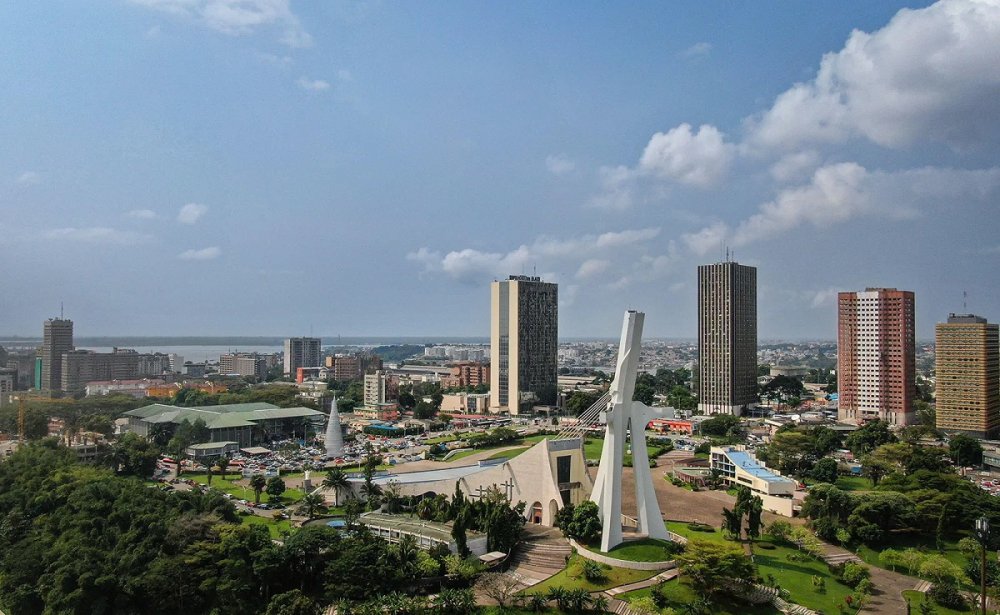
Today, Côte d'Ivoire has two major cities that play different roles: Abidjan, which serves as the country's economic and commercial hub, and Yamoussoukro, the political capital.
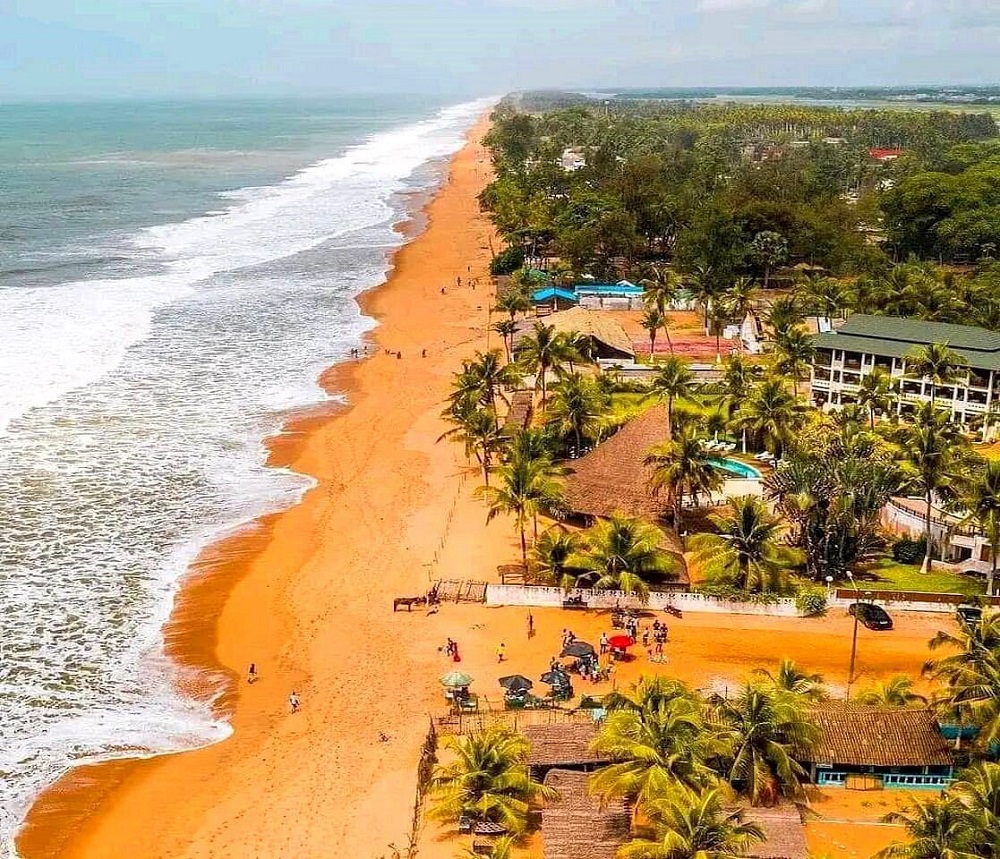
Abidjan is a coastal city located along the Atlantic Ocean and is also home to the Ébrié Lagoon, a large water body that runs through the city. Its unique location has contributed to the development of beautiful beaches and coastal attractions, including Assinie Beach, Grand-Bassam, Jacqueville Beach, and other popular destinations.
The city's growth was largely influenced by its historical role as a major port through which goods from Africa were transported to France. The French developed Abidjan extensively and also established Grand-Bassam, which was later designated as the capital of French colonial territories in the region.
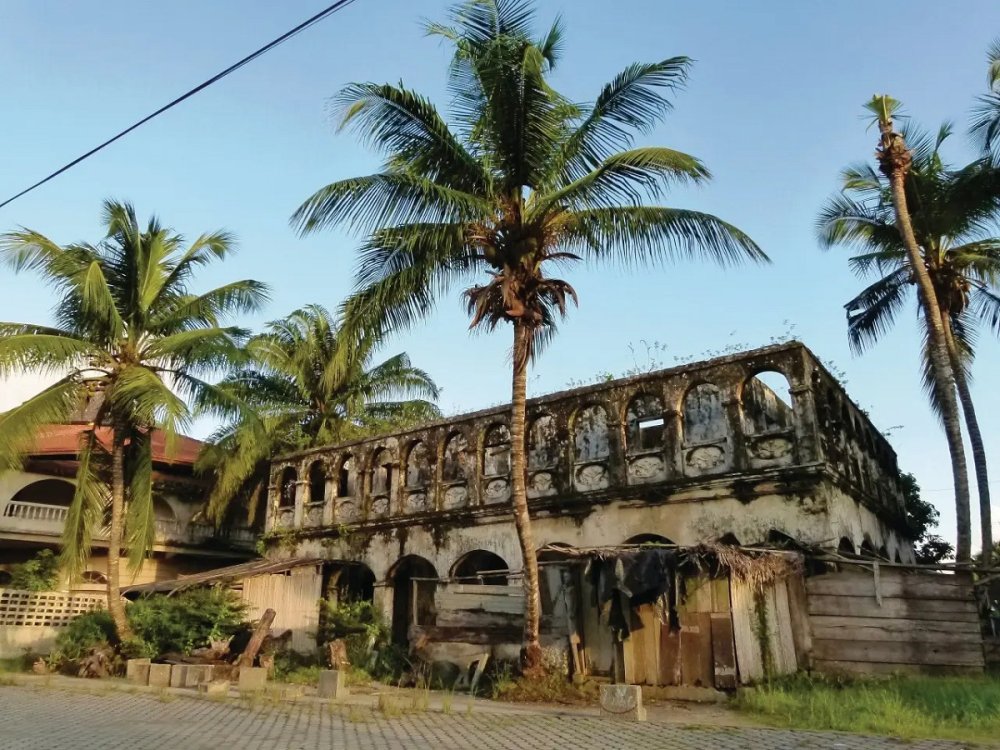
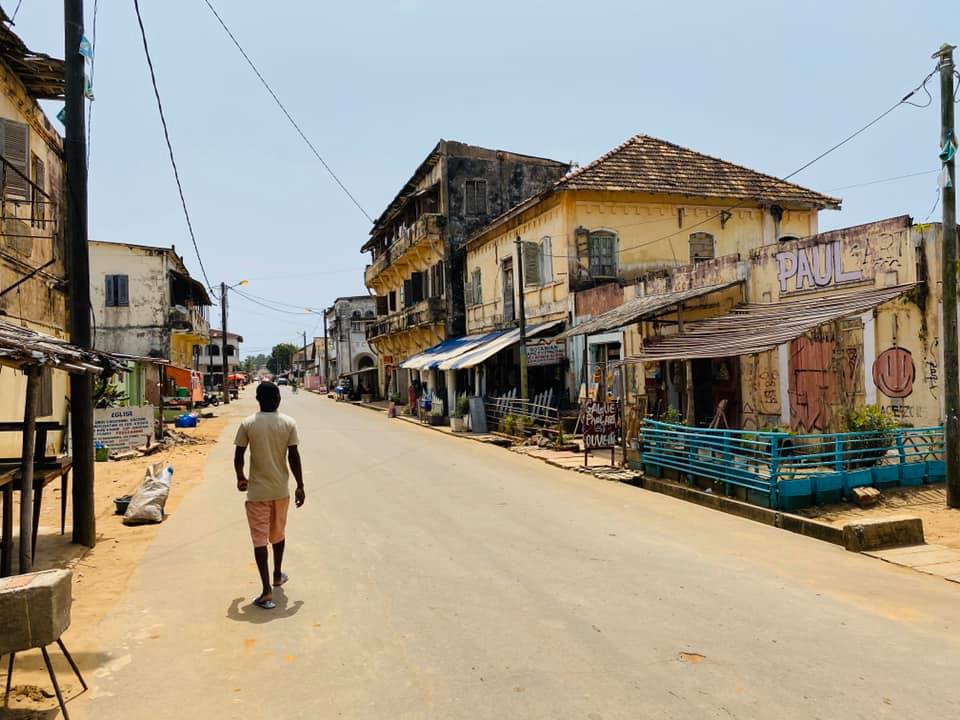
Today, Grand-Bassam has been recognised by UNESCO as a World Heritage Site and remains one of Côte d'Ivoire's most visited tourist destinations. The city still preserves colonial-era buildings that reflect French architecture, lifestyle, and the history of the colonial period.
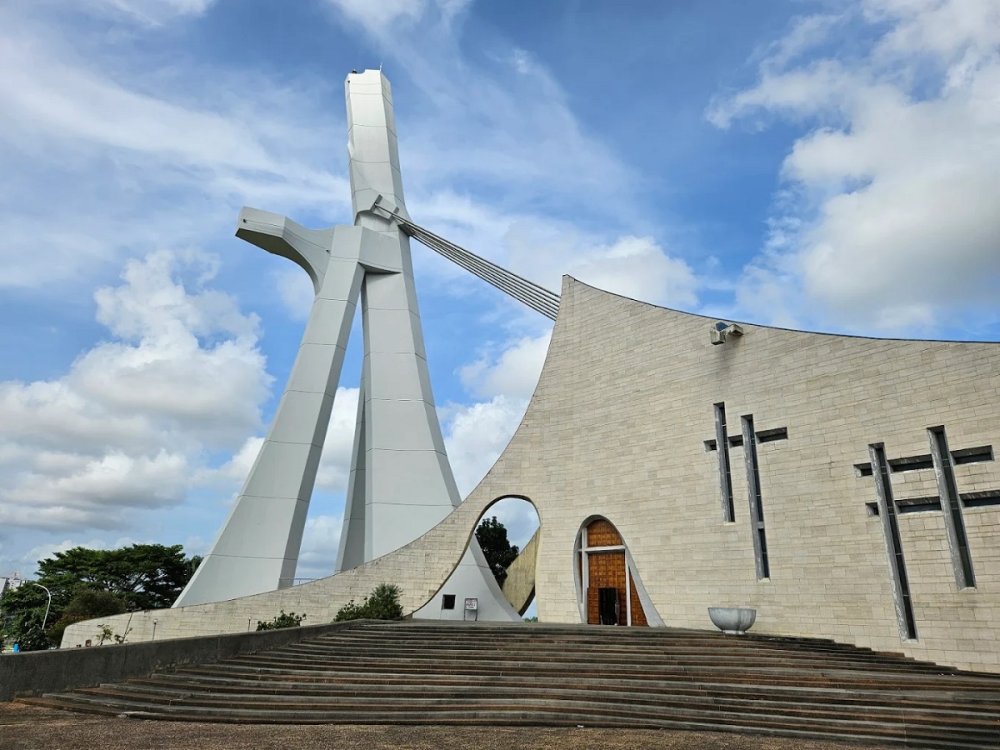
Abidjan is also home to the St Paul's Cathedral, built in 1985, which is considered one of the most modern architectural cathedrals in Africa. Its unique design attracts many visitors, including religious pilgrims and architecture enthusiasts.
For history and culture lovers, Abidjan offers the Musée des Civilisations de Côte d'Ivoire, a national museum established in 1942 that houses more than 15,000 artefacts. The museum showcases the country's diverse cultures, traditional lifestyles, colonial history, and heritage.
Another important cultural site is the Musée Charles Combes de Bingerville. Originally an art studio belonging to Charles Alphonse Combes, which operated between 1891 and 1968, it was later transformed into a museum displaying paintings and sculptures created by Combes and his students.
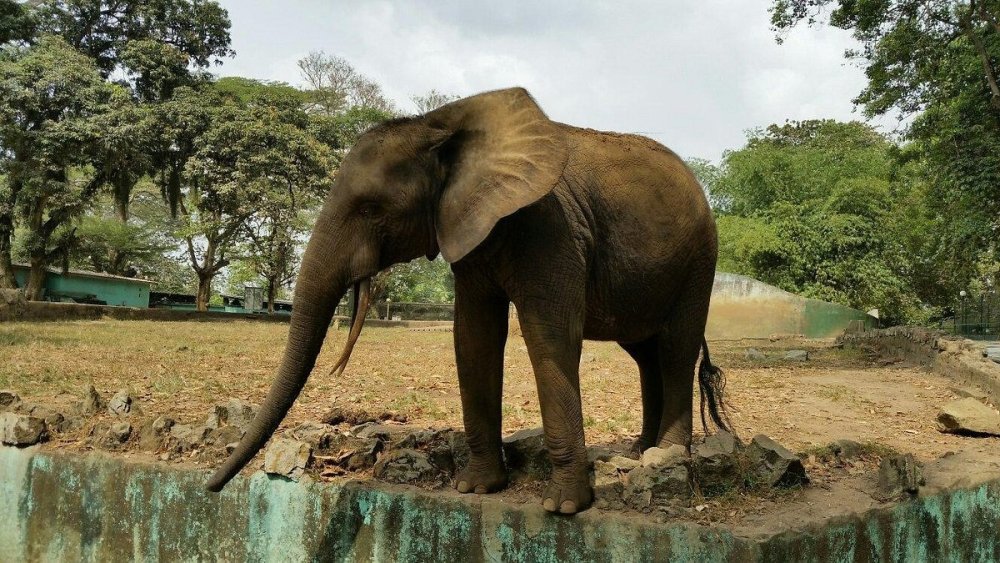
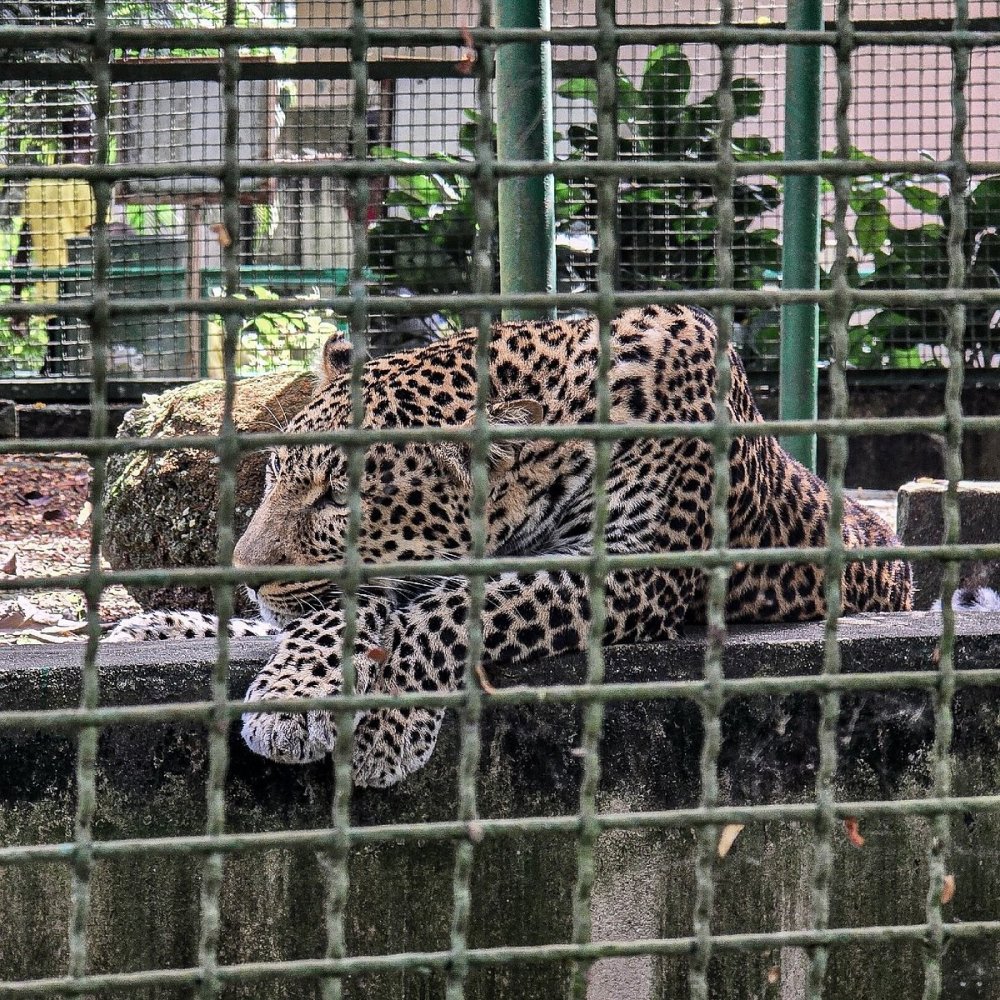
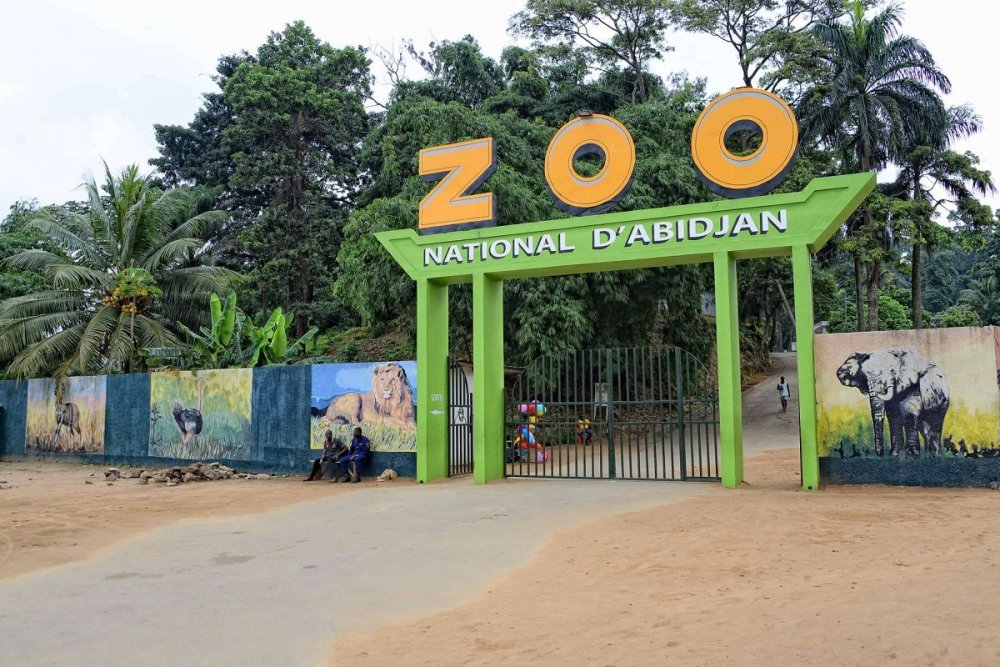
Visitors interested in wildlife can explore the Zoo National d'Abidjan, which hosts various animal species, including elephants, lions, monkeys, crocodiles, snakes, birds, and many others.
Abidjan is also home to Banco National Park, one of the largest natural forests located within an urban area. The forest is inhabited by various wildlife species, particularly different types of monkeys, and serves as an important green space within the city.
On the other hand, Yamoussoukro serves as Côte d'Ivoire's political capital. The city has fewer tourist attractions and economic activities compared to Abidjan because it is still developing after being declared the capital in 1983 by then-President Félix Houphouët-Boigny, who chose the city because it was his birthplace.
The city currently hosts the presidential palace, the country's Parliament, various government ministries, and other political institutions.
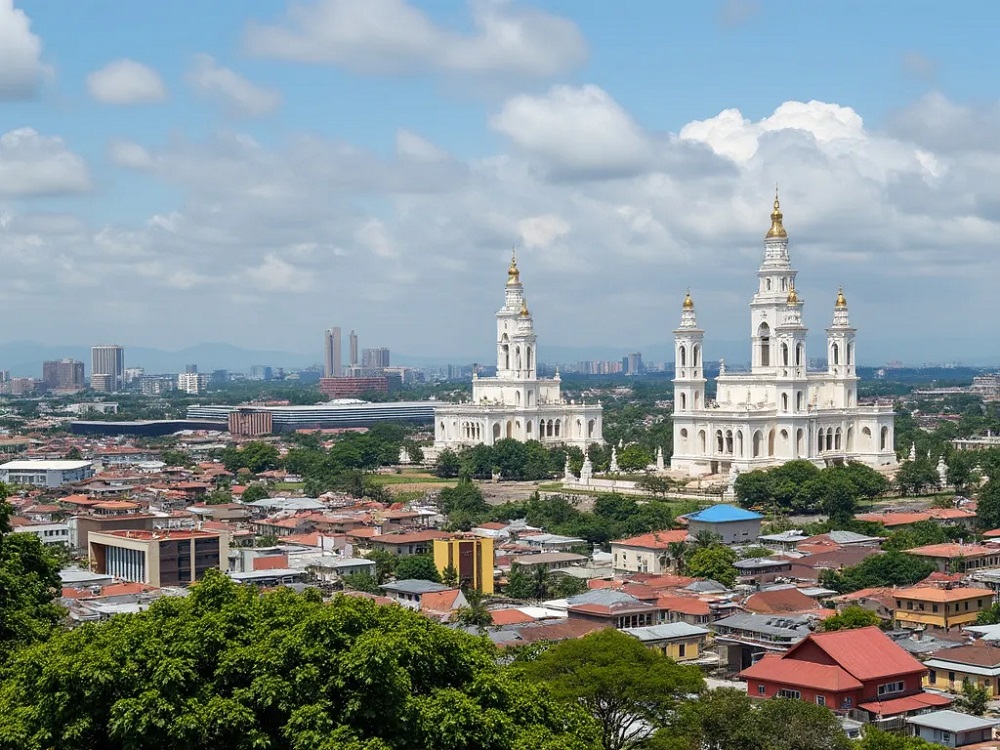
However, Yamoussoukro is famous for housing the Basilica of Our Lady of Peace (Notre-Dame de la Paix), the second-largest basilica in the world after St Peter's Basilica in Vatican City. The basilica is also recognised as the world's largest church by surface area, covering approximately 30,000 square metres and having the capacity to accommodate more than 18,000 worshippers.
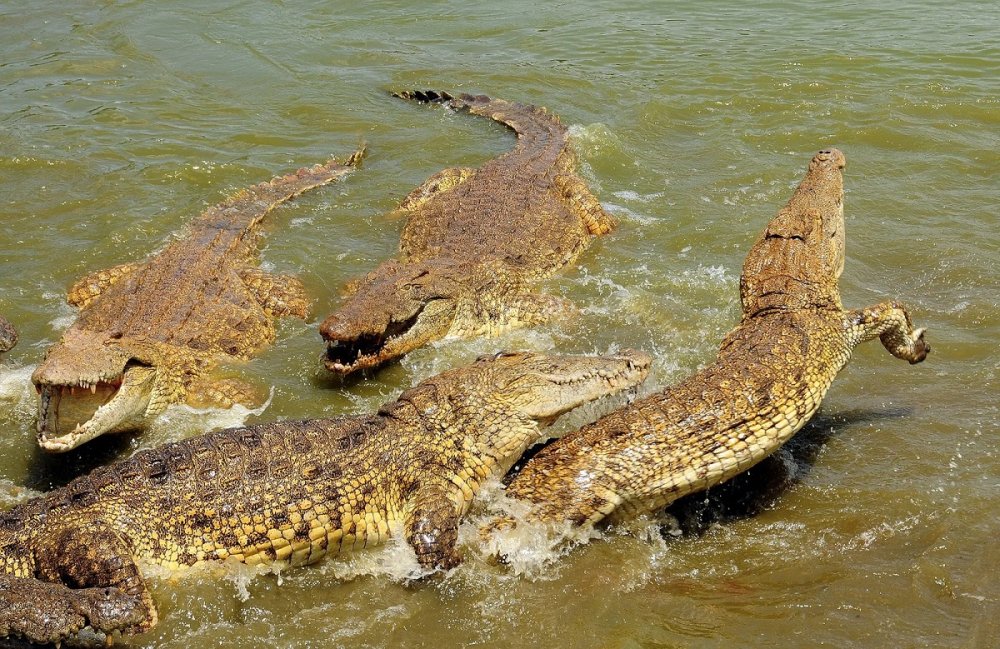
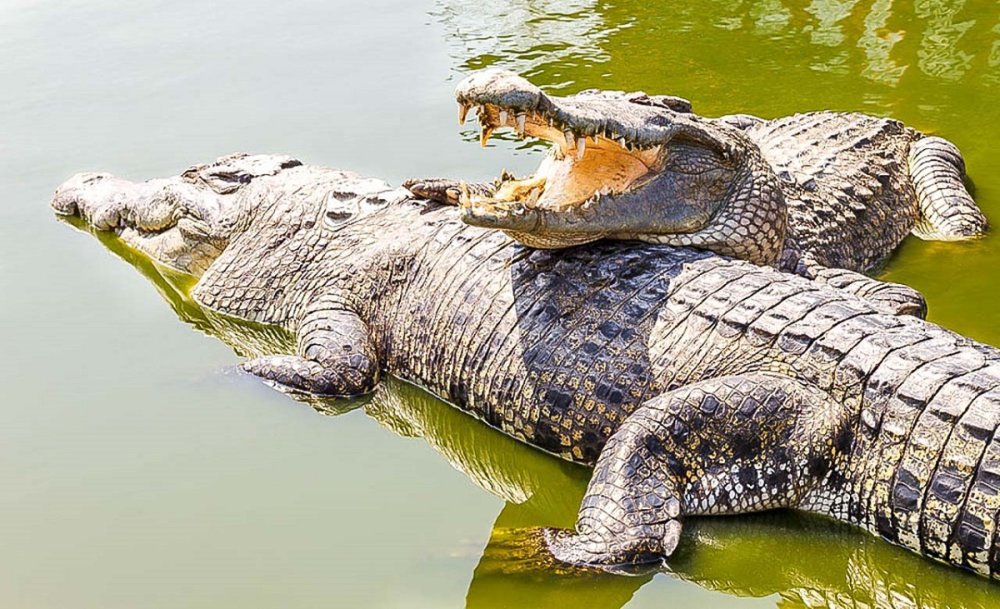
Another attraction in Yamoussoukro is Lac aux Caïmans, a crocodile lake created by President Félix Houphouët-Boigny, who introduced crocodile breeding at the site. The lake is currently home to more than 200 crocodiles.
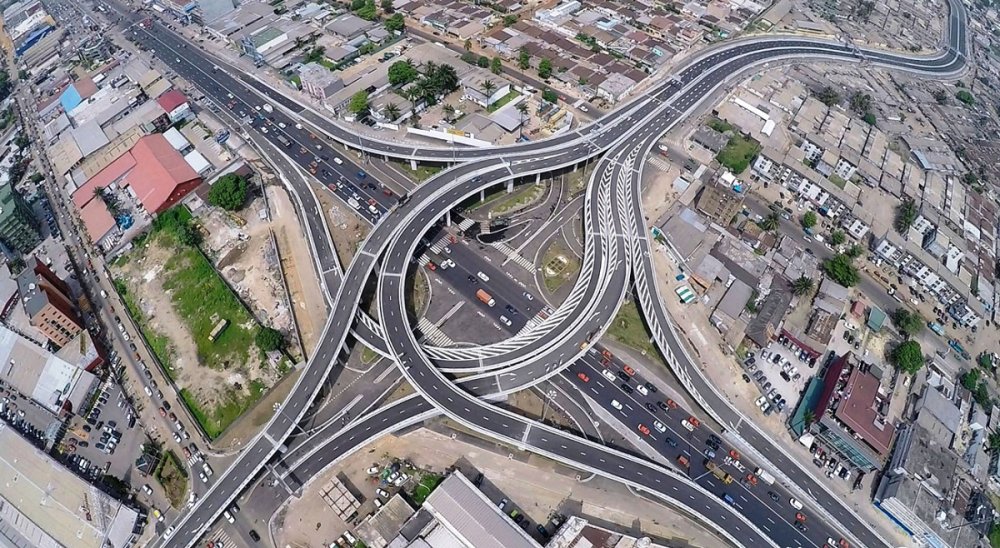
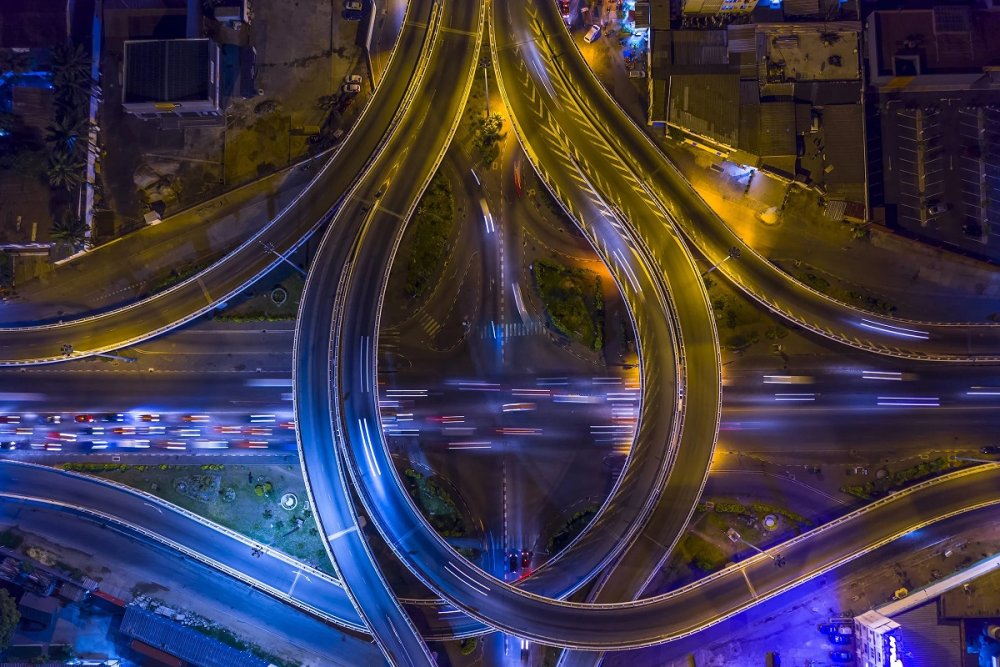
Overall, many developments in Côte d'Ivoire reflect those of other emerging economies, with numerous construction projects underway alongside older infrastructure that still remains in use.
For Rwandans wishing to visit Côte d'Ivoire, a visa is not required. However, there are currently no direct flights from Kigali to Côte d'Ivoire. Most travellers connect through Addis Ababa before continuing their journey to Abidjan.
Despite its economic progress and tourism potential, Côte d'Ivoire still faces challenges related to cleanliness and urban management. In some areas, visitors may encounter overgrown roadside vegetation, litter, stagnant water, and cases of people urinating in public spaces.
Some hotels also have practices that may differ from international standards, with guests sometimes being informed that bed sheets will only be changed after checkout unless they specifically request a replacement.
Visitors travelling to Côte d'Ivoire are also advised to remain cautious and avoid walking alone, especially in unfamiliar areas, due to security concerns such as theft and robbery.